


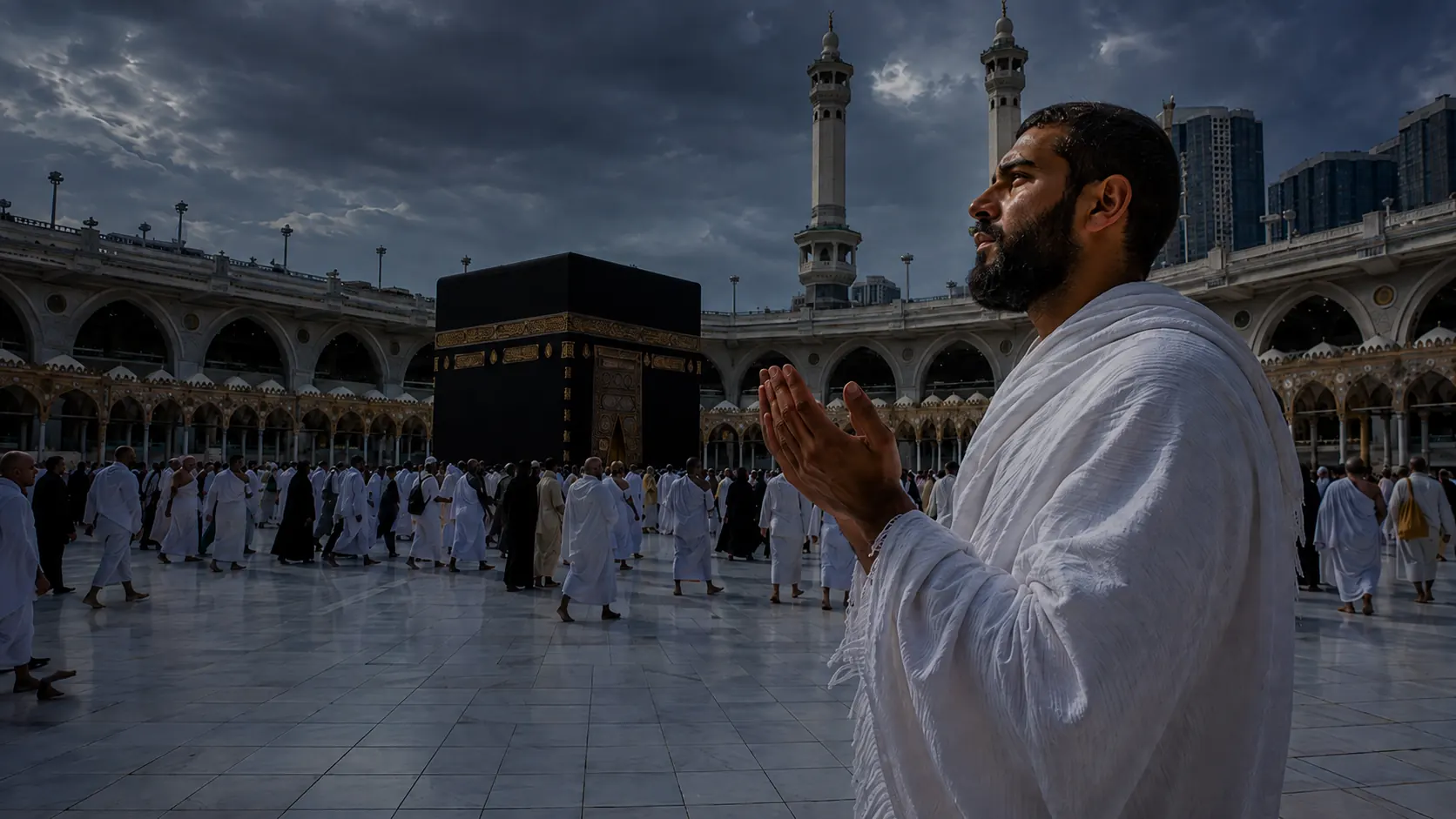
Best Places to Make Dua in Masjid al-Haram During Umrah
Where Should Pilgrims Make Dua Around the Ka'bah?
For many pilgrims, standing inside Masjid al-Haram and seeing the Ka'bah for the first time creates a powerful desire to make dua for themselves, their families and the wider Ummah. It is therefore natural to ask whether there are particular places around the Ka'bah where supplications are more likely to be accepted.
Islam encourages believers to call upon Allah sincerely. Allah says:
“I am truly near. I respond to one’s prayer when they call upon Me.”
Surah Al-Baqarah 2:186
This verse establishes the importance of dua and Allah’s nearness to the person who calls upon Him.
However, pilgrims should be careful with claims such as “dua is guaranteed to be accepted at this exact spot.” Not every location mentioned in travel guides, tour groups or social media posts has a clear authentic Prophetic narration establishing such a guarantee.
The safest approach is to distinguish between places and moments where making dua is clearly established in the Sunnah and locations that have religious or historical importance but where claims of guaranteed acceptance require greater caution.
Quick Answer: Where Can You Make Dua in Masjid al-Haram?
Pilgrims can make dua throughout Masjid al-Haram. Particularly meaningful opportunities during Umrah include during Tawaf, on Safa and Marwah, while drinking Zamzam, during voluntary prayer and sujood, and in other quiet moments of worship inside the mosque.
Some pilgrims also make dua at the Multazam and inside Hijr Ismail. These locations have important religious associations, but it is better not to state that every dua made there is guaranteed to be accepted.
There is no requirement to reach a particular wall, doorway or corner of the Ka'bah for Allah to hear your supplication.
Does Islam Specify Places Where Dua Is Guaranteed to Be Accepted?
It is better not to use the word “guaranteed” casually.
Authentic Islamic sources establish many virtues connected with Masjid al-Haram and describe occasions when the Prophet ﷺ made remembrance and supplication during pilgrimage. This is different from claiming that every dua made at a particular physical point must be accepted exactly as requested.
Dua is itself an act of worship. Pilgrims should therefore focus on sincerity, humility, reliance upon Allah, repentance, asking for what is good, avoiding harm to other worshippers and following established Sunnah rather than unverified customs.
This distinction is especially important in Masjid al-Haram, where crowds can form around certain locations because pilgrims believe reaching a specific spot is essential.
It is not worth pushing, arguing or causing harm merely to reach a particular place.
Making Dua During Tawaf
Tawaf is one of the central acts of Umrah and provides a natural opportunity for dhikr and personal supplication.
Authentic narrations establish that the Prophet ﷺ performed Tawaf around the Ka'bah and interacted with the Black Stone as part of the ritual.
During Tawaf, pilgrims can praise Allah, seek forgiveness, make personal dua, ask for guidance, pray for parents and family, and ask for goodness in this life and the Hereafter.
You do not need to memorise a different lengthy dua for every circuit.
The purpose should be sincere worship rather than becoming so focused on a printed booklet or mobile screen that you lose concentration or obstruct other pilgrims.
What Should You Say During Tawaf?
Pilgrims may make personal supplications in a language they understand. You can ask Allah for religious, personal, family and worldly needs.
Keep your dua meaningful rather than feeling pressured to complete a fixed list before each circuit ends.
For first-time pilgrims, learning the correct order of Tawaf and the other rituals through Itimaar’s complete Umrah guide can make it easier to focus on worship rather than trying to understand the procedure after reaching Makkah.
Should You Try to Touch the Ka'bah While Making Dua?
Pilgrims should distinguish between what is established in the Sunnah and what is simply physically possible.
Authentic reports describe the Prophet ﷺ touching the Black Stone and the Yemeni Corner rather than treating every wall and corner of the Ka'bah in the same manner.
Umar ibn al-Khattab رضي الله عنه famously said when kissing the Black Stone that he knew it was a stone that could neither benefit nor harm, and that he kissed it because he had seen the Messenger of Allah ﷺ do so.
The lesson is important: actions around the Ka'bah should be based on worship of Allah and following the Sunnah, not on believing that stones, walls or physical objects possess independent power.
If reaching the Black Stone would require pushing, hurting others or creating conflict, physical contact should not take priority over good conduct.
What About the Multazam?
The Multazam is the area between the Black Stone corner and the door of the Ka'bah.
Classical reports identify this area by that name, and many pilgrims make dua there. The practice has also been discussed by Islamic scholars.
However, wording matters.
It is safer to say that many scholars have regarded making dua at the Multazam as recommended based on transmitted reports rather than claiming that every dua made there is guaranteed to be accepted.
Scholar’s Note: There are differences in how scholars assess some narrations and practices connected with the Multazam. If you wish to follow a particular method of standing, touching the area or making dua there, seek guidance from a suitably qualified Islamic scholar.
Pilgrims should also avoid forcing their way through crowds merely to reach the Multazam. A sincere dua made elsewhere in Masjid al-Haram does not lose its value because you could not reach this area.
Is the Black Stone a Special Place for Dua?
The Black Stone has an established place in the Sunnah of Tawaf. The Prophet ﷺ kissed it, and authentic narrations describe this practice.
However, pilgrims should avoid turning this into an unsupported belief that touching or kissing the Black Stone guarantees acceptance of a personal dua.
The Sunnah should be followed appropriately. If the area is overcrowded, safety and respect for other worshippers should take priority.
The Black Stone itself does not independently grant requests, remove hardship or answer prayers.
A Key Principle to Remember
Masjid al-Haram is sacred, but dua remains directed to Allah alone.
Do not become so focused on finding a supposed “perfect dua spot” that you push other pilgrims, block pathways, delay Tawaf, believe you must touch the Ka'bah for Allah to hear you, or become disappointed because you could not reach a crowded location.
Approach dua with sincerity, humility and trust in Allah rather than anxiety about standing in one exact location.
Proper spiritual and practical preparation can also help you remain more focused once you reach Makkah. Itimaar’s guide on how to prepare for Umrah covers important preparation before beginning the journey.
Sunnah-Based Opportunities for Making Dua During Umrah
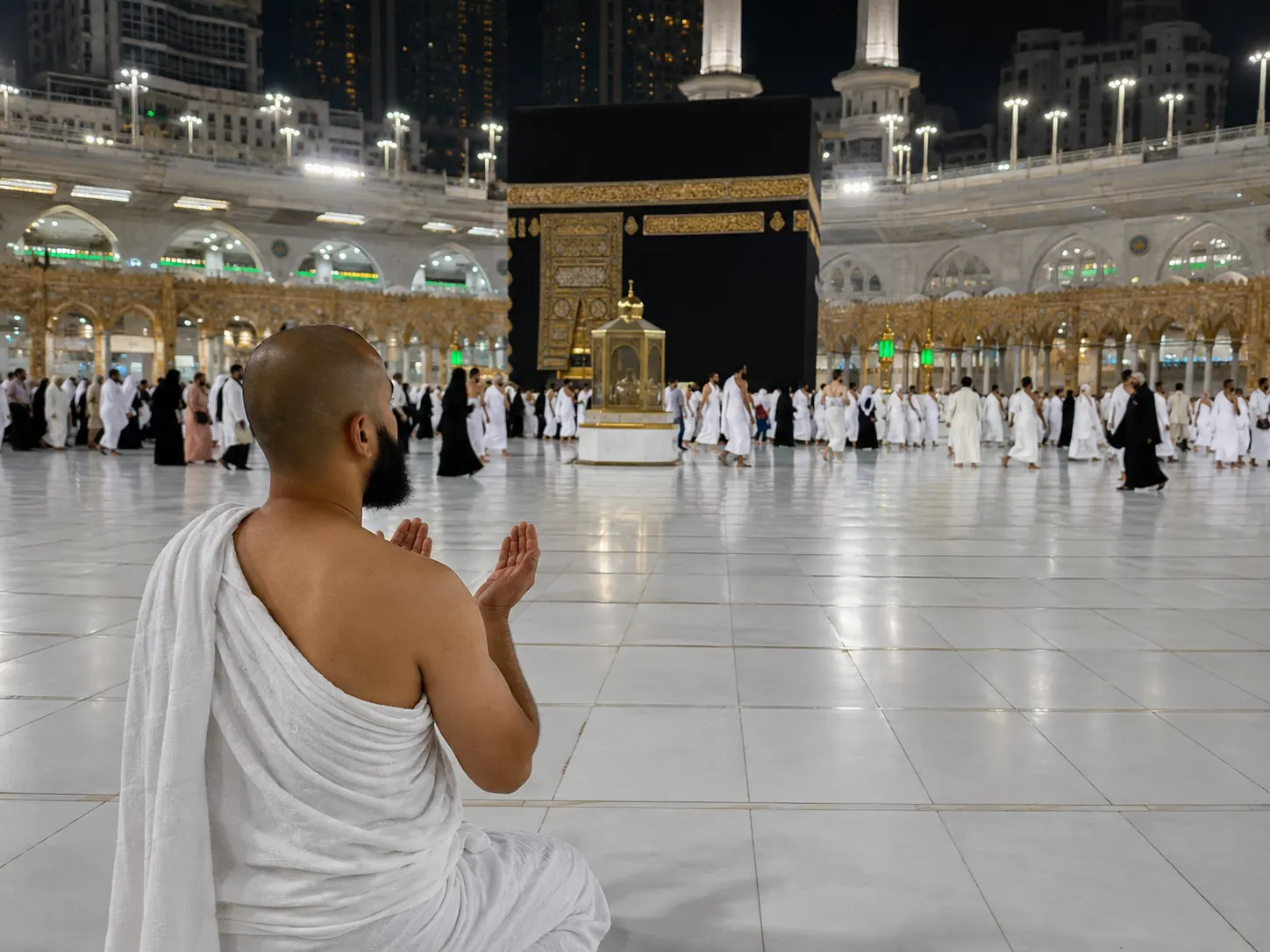
Making Dua After Praying Near Maqam Ibrahim
After completing Tawaf, Allah says:
“Take the standing place of Ibrahim as a place of prayer.”
Surah Al-Baqarah 2:125
The Prophet ﷺ prayed two rak'ahs after Tawaf behind Maqam Ibrahim.
Pilgrims may make personal dua after prayer, but there is no clear authentic evidence establishing that standing beside Maqam Ibrahim itself guarantees acceptance of supplication.
Therefore, follow the Sunnah without obstructing other worshippers or believing that physical proximity to Maqam Ibrahim is necessary for Allah to respond.
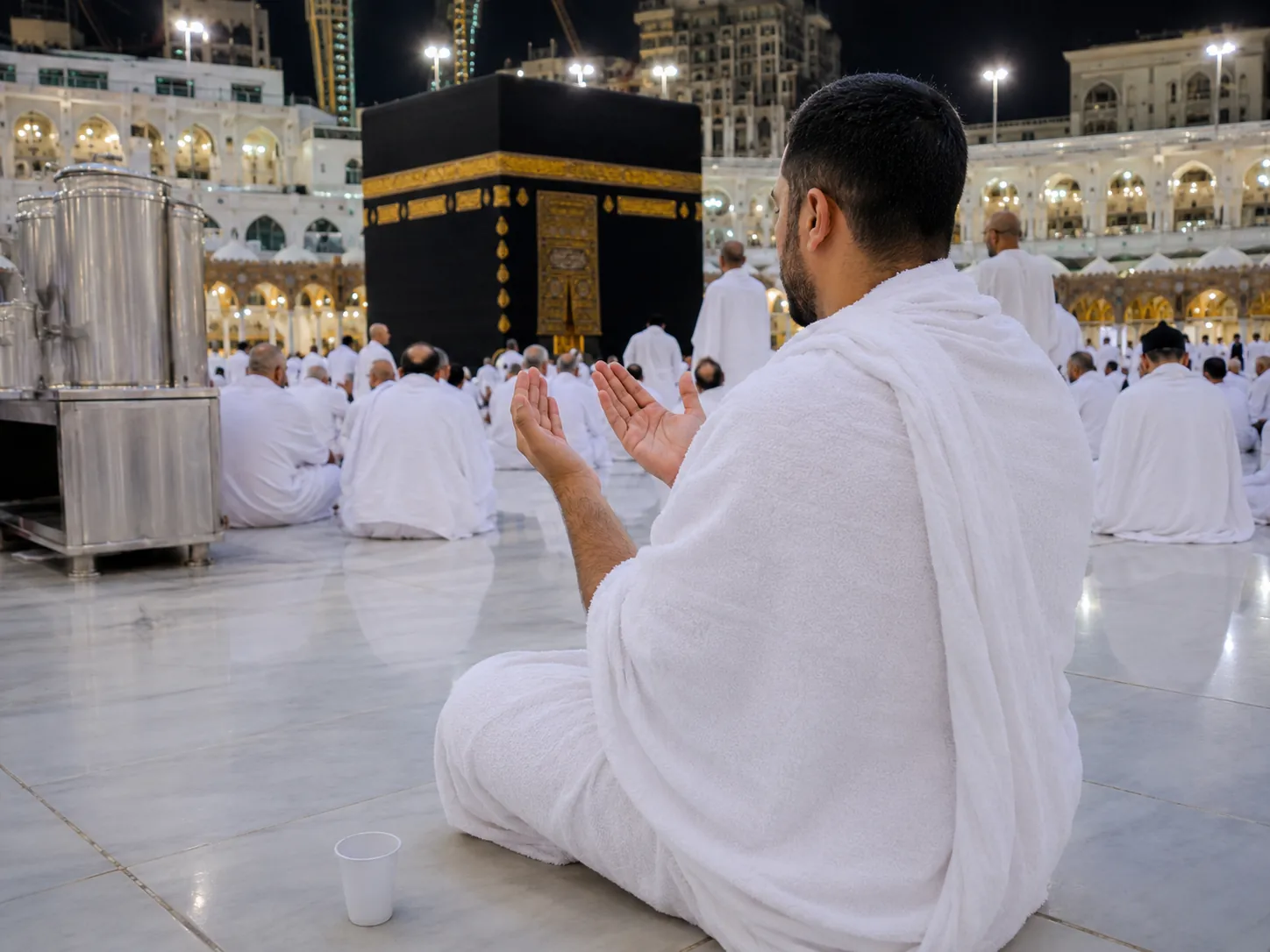
Making Dua While Drinking Zamzam Water
You heard it right, the magnificent Red Fort which defines the almightiness of Delhi, used to be white initially. According to a survey conducted for archaeology, related research unravelled that the Fort was made up of limestone and when the stone started to wither away, the British painted it Red to preserve it.
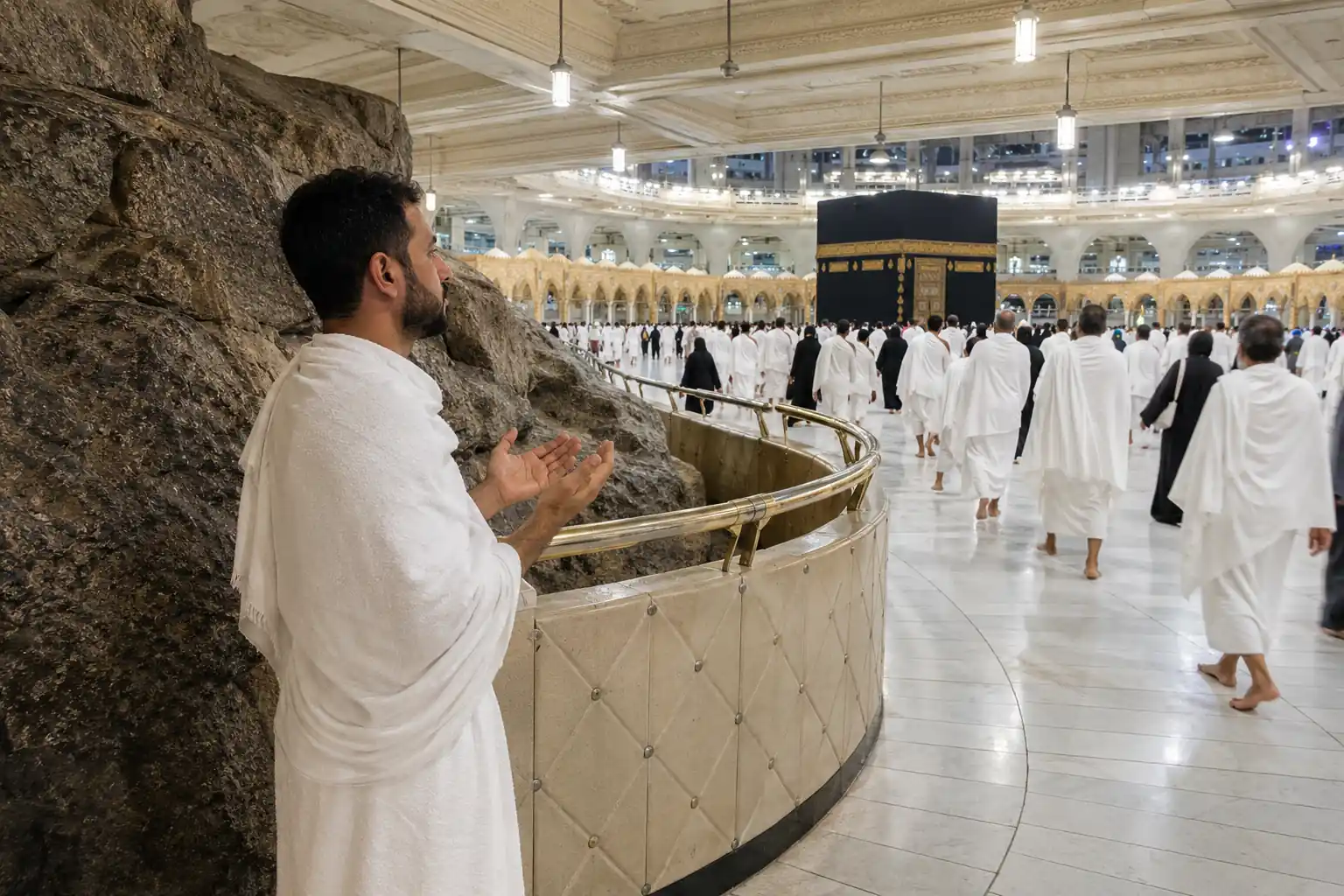
Making Dua on Safa and Marwah
One of the clearest Sunnah occasions for making dua occurs during Sa'i.
Authentic narrations describe that when the Prophet ﷺ reached Safa, he faced towards the Ka'bah, proclaimed the greatness and oneness of Allah and made supplication. He repeated this practice at Marwah.
Pilgrims can therefore praise Allah, declare His Oneness and make sincere personal dua at Safa and Marwah.
There is no need to memorise a different fixed dua for every lap of Sa'i.
If you are performing Umrah for the first time, Itimaar’s step-by-step guide on how to perform Umrah can help you understand where Tawaf, Sa'i and the other rituals fit within the complete pilgrimage.
Can You Make Dua Inside Hijr Ismail?
Hijr Ismail, also known as the Hateem, is the semi-circular area beside the Ka'bah.
Authentic narrations indicate that this area forms part of the original Ka'bah, which is why many pilgrims hope to pray there when access is possible.
However, an important distinction should be made.
While praying there has particular significance because the area forms part of the Ka'bah, there is no authentic narration establishing that every dua made inside Hijr Ismail is guaranteed to be accepted.
If you are able to pray there peacefully, you may do so and make sincere dua. If the area is overcrowded, do not push other pilgrims simply to reach it.
Are There Other Places Inside Masjid al-Haram Where You Can Make Dua?
Yes. Dua is not restricted to only a handful of locations.
Pilgrims may call upon Allah throughout Masjid al-Haram while observing proper etiquette. Meaningful opportunities include during sujood, voluntary prayer, quiet periods of worship and other moments when you are able to concentrate sincerely.
Rather than searching continually for an exact physical location, focus on humility, sincerity and reliance upon Allah.
For pilgrims who want easier access to Masjid al-Haram throughout their stay, choosing one of the suitable hotels near Masjid al-Haram can reduce unnecessary travel and make it easier to return for prayer and quieter periods of worship.
Best Times to Make Dua During Umrah
Alongside locations associated with Umrah, Islamic teachings also highlight particular times and situations for supplication.
Pilgrims can increase their dua during Tawaf, at Safa and Marwah, while drinking Zamzam, during sujood, between the Adhan and Iqamah and in the last third of the night.
Many pilgrims become so focused on reaching particular places that they overlook these valuable opportunities.
In several cases, the evidence for making dua at a particular time or act of worship is clearer than the evidence attached to a particular physical spot.
Etiquette of Making Dua in Masjid al-Haram
Making dua is an act of worship, and pilgrims should approach it with humility and good manners.
Allah says:
“Call upon your Lord humbly and privately.”
Surah Al-A'raf 7:55
Begin by praising Allah, make your requests sincerely and avoid unnecessarily raising your voice.
When appropriate and practical, you may face the Qiblah, but do not inconvenience other worshippers merely to reach a preferred position.
Good conduct remains important even during emotionally powerful moments of worship. Avoid pushing through crowds, blocking Tawaf routes or causing difficulty for elderly pilgrims, children and wheelchair users.
Common Mistakes Pilgrims Make When Making Dua
Pilgrims should be especially careful about four common mistakes: treating every popular location as a guaranteed place of acceptance, pushing through crowds to reach the Black Stone or Multazam, becoming dependent on long memorised lists instead of making sincere personal dua, and concentrating entirely on locations while overlooking established opportunities such as sujood and Safa and Marwah.
You may ask Allah in Arabic or in another language you understand. Personal supplication should come with sincerity and concentration rather than becoming a checklist to complete before leaving Makkah.
Places Often Mentioned by Pilgrims: What Does the Evidence Say?
Place or Moment |
Guidance |
|---|---|
| During Tawaf | A natural time for remembrance and personal supplication during Umrah. |
| Safa and Marwah | Strong authentic evidence records the Prophet ﷺ making supplication there. |
| Drinking Zamzam | A meaningful opportunity for personal dua associated with drinking Zamzam. |
| Maqam Ibrahim | Two rak'ahs after Tawaf are established; avoid claiming that the physical location guarantees acceptance of dua. |
| Multazam | Many scholars recommend dua there based on transmitted reports, but claims of guaranteed acceptance should be avoided. |
| Hijr Ismail | It forms part of the Ka'bah and prayer there is significant, but no authentic narration guarantees every dua made there will be accepted. |
Final Thoughts
Masjid al-Haram is the most sacred mosque in Islam and one of the greatest places for worship, remembrance, repentance and heartfelt supplication.
During Umrah, particularly meaningful opportunities for dua include Tawaf, Safa and Marwah, Zamzam, sujood and other quiet periods of worship. Locations such as the Multazam and Hijr Ismail also hold significance, but pilgrims should avoid claims about guaranteed acceptance where clear authentic evidence does not establish them.
Rather than worrying about reaching one specific spot, focus on worshipping Allah with presence of heart, following the Sunnah and showing kindness to other pilgrims.
Allah says:
“And when My servants ask you concerning Me, indeed I am near. I respond to the call of the supplicant when he calls upon Me.”
Surah Al-Baqarah 2:186
May Allah accept the duas, worship and Umrah of every pilgrim. Ameen.
If you are preparing to visit Makkah and Madinah, you can also compare Itimaar’s Umrah packages from the UK for flights, accommodation and travel arrangements suited to your journey.
Frequently Asked Questions
Where is the best place to make dua in Masjid al-Haram?
There is no single location where Islam guarantees that every dua will be accepted. However, the Sunnah supports making supplication during acts such as Tawaf and at Safa and Marwah, while pilgrims can also make heartfelt dua throughout Masjid al-Haram.
Can I make dua in my own language during Umrah?
Yes. Personal dua can be made in a language you understand. The important considerations are sincerity, humility and understanding what you are asking Allah for.
Is the Multazam a place where duas are always accepted?
Many scholars have encouraged making dua at the Multazam based on transmitted reports, but it should not be claimed that every supplication made there is guaranteed to be accepted. Consult a qualified scholar if you want detailed guidance about the practice.
Is Hijr Ismail a special place to pray?
Hijr Ismail forms part of the Ka'bah and praying there has significance. However, there is no authentic narration establishing that every dua made there must be accepted, and pilgrims should not harm or push others in order to enter it.
