


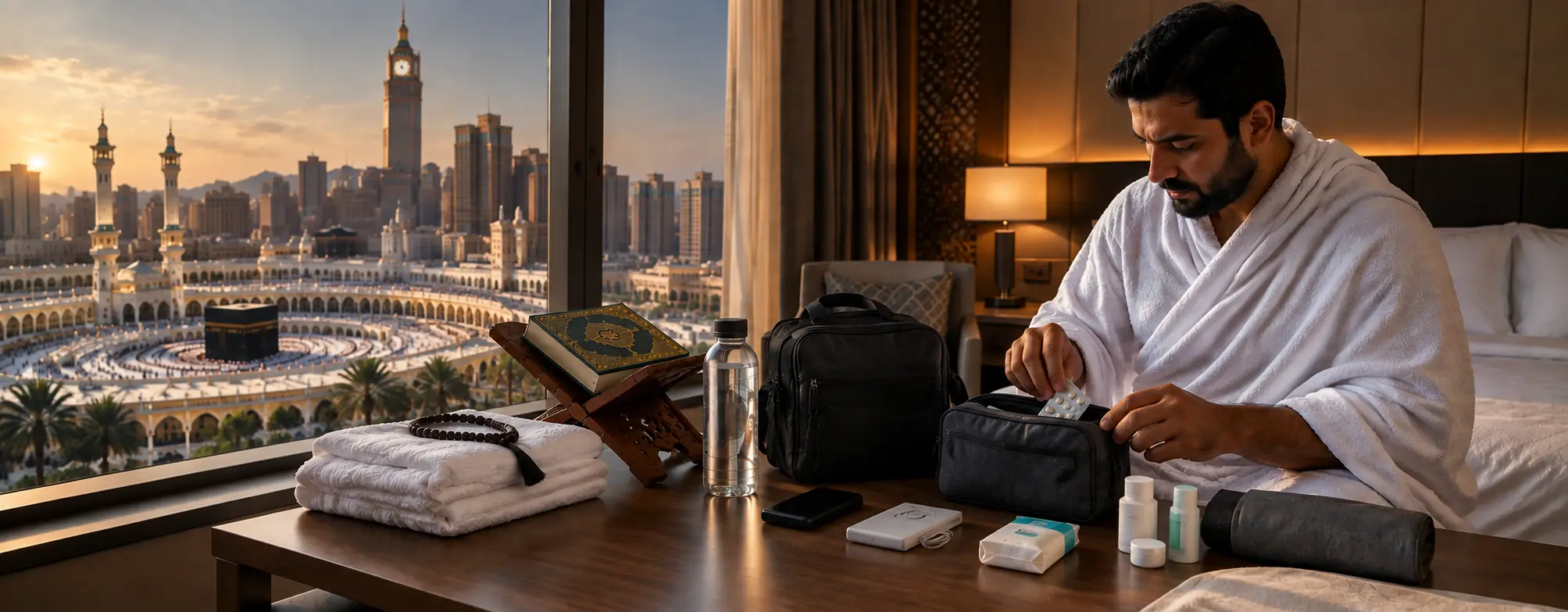
Health & Safety Tips For Hajj & Umrah Pilgrims
Hajj & Umrah Travel Health Guide: Things to Consider
Hajj and Umrah are deeply spiritual journey requires physical preparation along with spiritual readiness. Every pilgrim performing Hajj and Umrah walks long distances, stands during the prayers and waits in queues at the entry gates. Sometimes also experience unfavourable weather, routine or diet.
The main part of the journey is focusing on worship, but don’t underestimate the health and following safety practices to perform rituals with greater comfort and peace of mind.
Being hydrated and protecting yourself from extreme weather, as well as preparing all the essential items before travelling, makes a significant difference to your pilgrimage.
Let’s learn simple and easy-to-follow health tips for Hajj and Umrah, with easy precautions, so you can stay safe and strong during your pilgrimage.
Quick Overview: Health & Safety Tips for Hajj and Umrah Pilgrims
- Get your vaccines before you travel
- Drink water all day, every day
- Protect yourself from heat and sun
- Take care of your feet
- Carry a small first aid kit
- Manage diabetes and other health issues
- Take extra care if you are older
- Protect your lungs in crowds
- Stay safe in big crowds
- Keep your ID and contacts close
- Buy travel insurance before you leave
These safety tips for Hajj & Umrah pilgrims cover the basics.
Read on for more detail on each one, plus a simple checklist and answers to common questions.
Here are Safety tips for Hajj & Umrah Pilgrims
Get Required Vaccinations Before You Travel
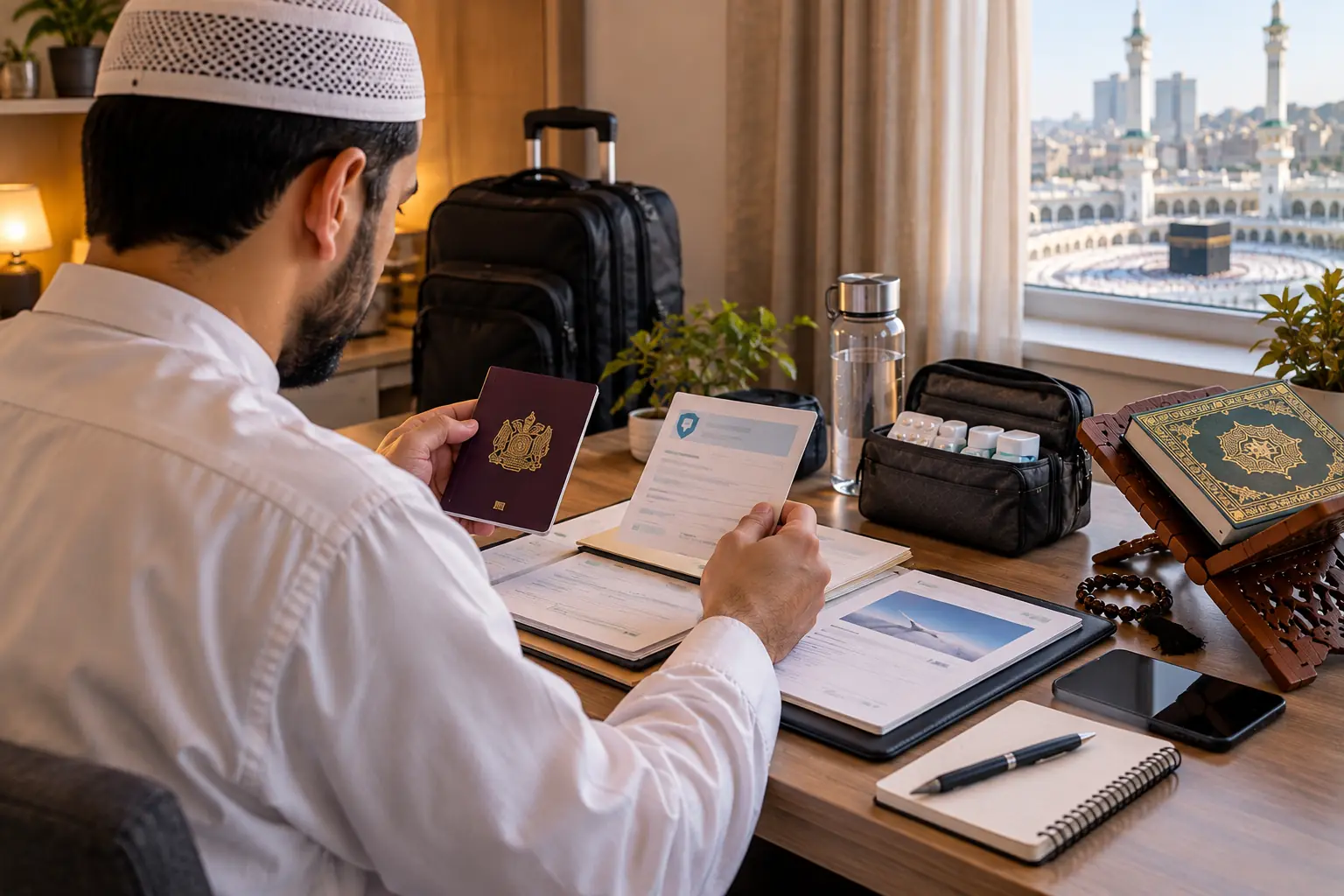
All pilgrims must be vaccinated (Quadrivalent Meningococcal (ACYW-135) vaccine) before planning the Umrah according to the guidelines of Saudi Arabia; it protects from a serious brain infection that spreads fast in crowds.
The polio vaccine is also needed for people travelling from Pakistan, Afghanistan, Nigeria, Chad, Democratic Republic of the Congo (DRC), Yemen, Somalia, Ethiopia, Sudan & South Sudan, Mozambique, Syria, Indonesia. The flu vaccine is prioritised for those countries with active flu seasons or high-risk groups.
It’s recommended to visit a doctor at least two weeks before you fly; that’s the usual time for the body to build protection. You’ll need to attach your vaccine card to your documents for verification at the airport. It’s the first and simplest health tip for Hajj and Umrah.
Apart from the vaccination card, there are several essential documents required for Umrah; you must carry a copy of each.
Stay Hydrated Throughout the Pilgrimage
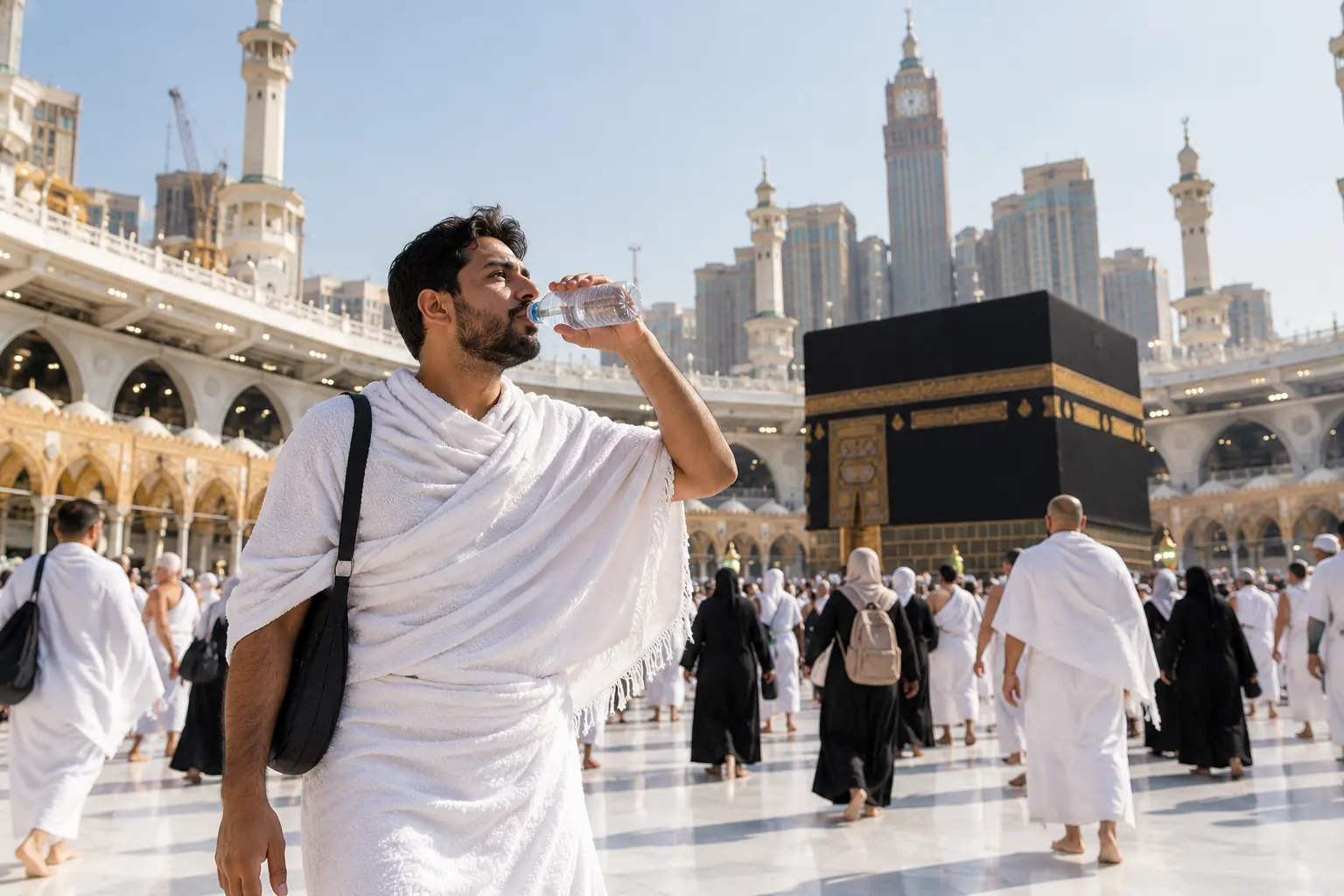
Makkah (Mecca) and Madinah get very hot, especially in Summer; you can plan your Umrah accordingly. In the summer season, your body loses water pretty fast as you continue to walk for long and pray in the heat. The lack of enough water your body needs is one of the reasons you get sick during Hajj or Umrah.
Always carry a water bottle; keep drinking sips throughout the day instead of a lot at once. Stay away from too much coffee, tea or soda, as they’ll dry you out even more. To check for dehydration, look if your urine is dark yellow.
Protect Yourself From Heat and Sun Exposure
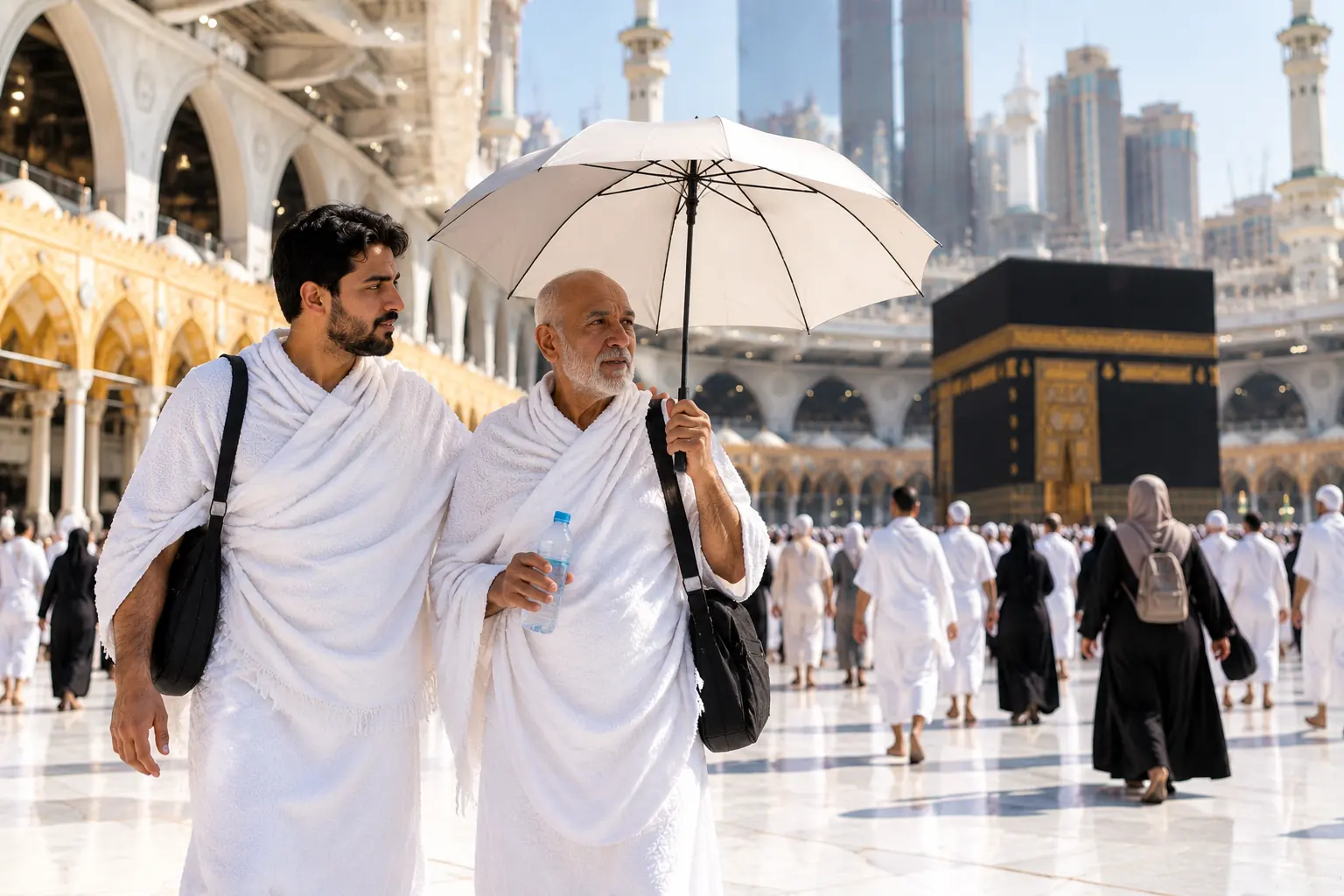
Staying outside for prolonged hours will lead to heat exhaustion. This might make you dizzy, sick or faint, especially older pilgrims and those with health issues. Use an umbrella or wide hat when you're outside; rest in shaded or AC areas from noon till 3 PM.
Realising the early signs of heat trouble is one of the most important health tips for Hajj and Umrah, since problems can happen fast in the sun.
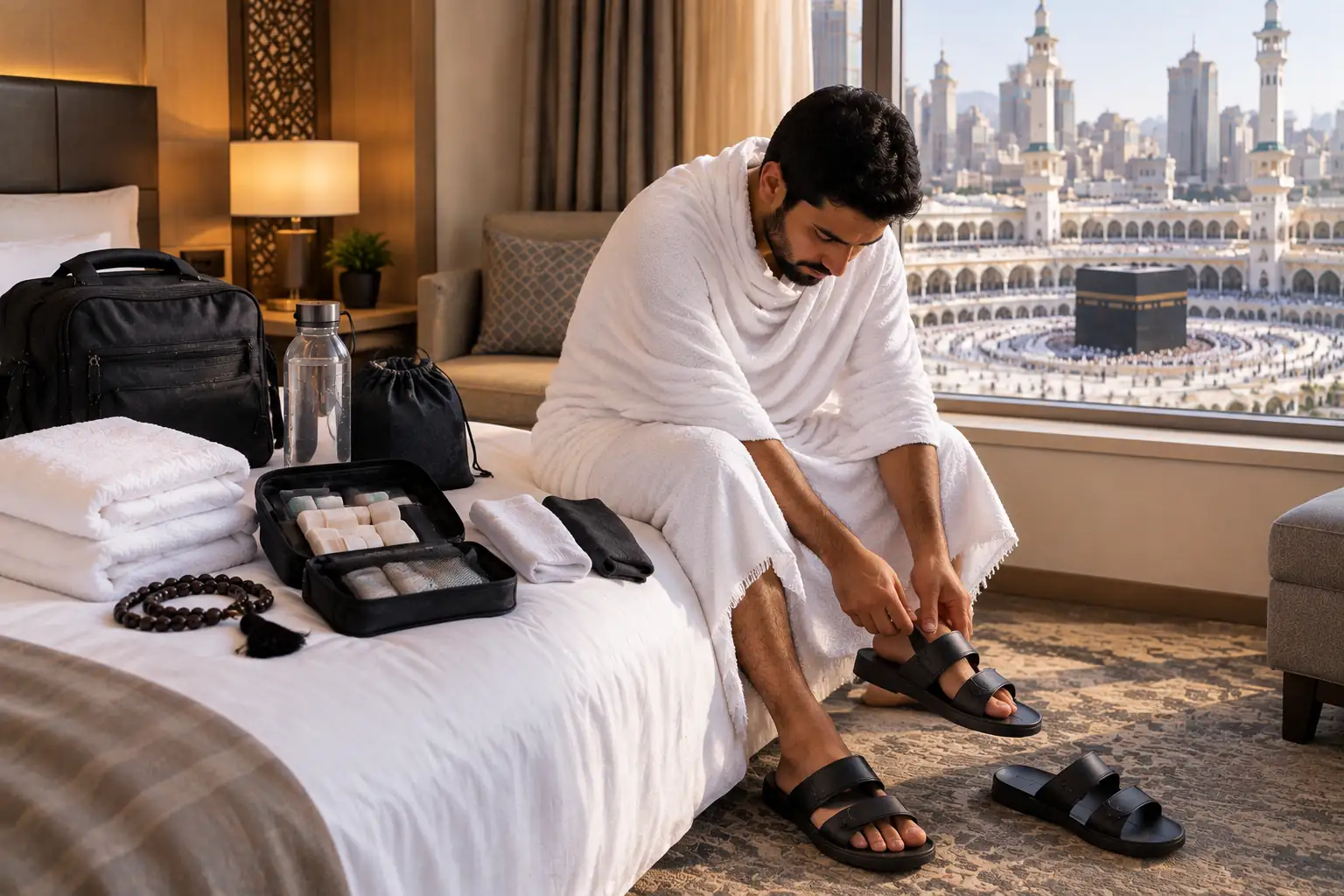
Take Care of Your Feet During Tawaf and Sa'i
Walking is a part of Hajj and Umrah; nobody can deny it. Performing Tawaf and Sa'i add up to 3.2 kilometres and 7.5 kilometres (2 to 4.7 miles), and it gives an enormous amount of reward.
You can wear open sandals, slides or flip-flops for comfort; make sure your ankles are clearly visible. Carry extra socks and change them if your feet get sweaty, along with bandages for blisters that can be caused after walking for so long.
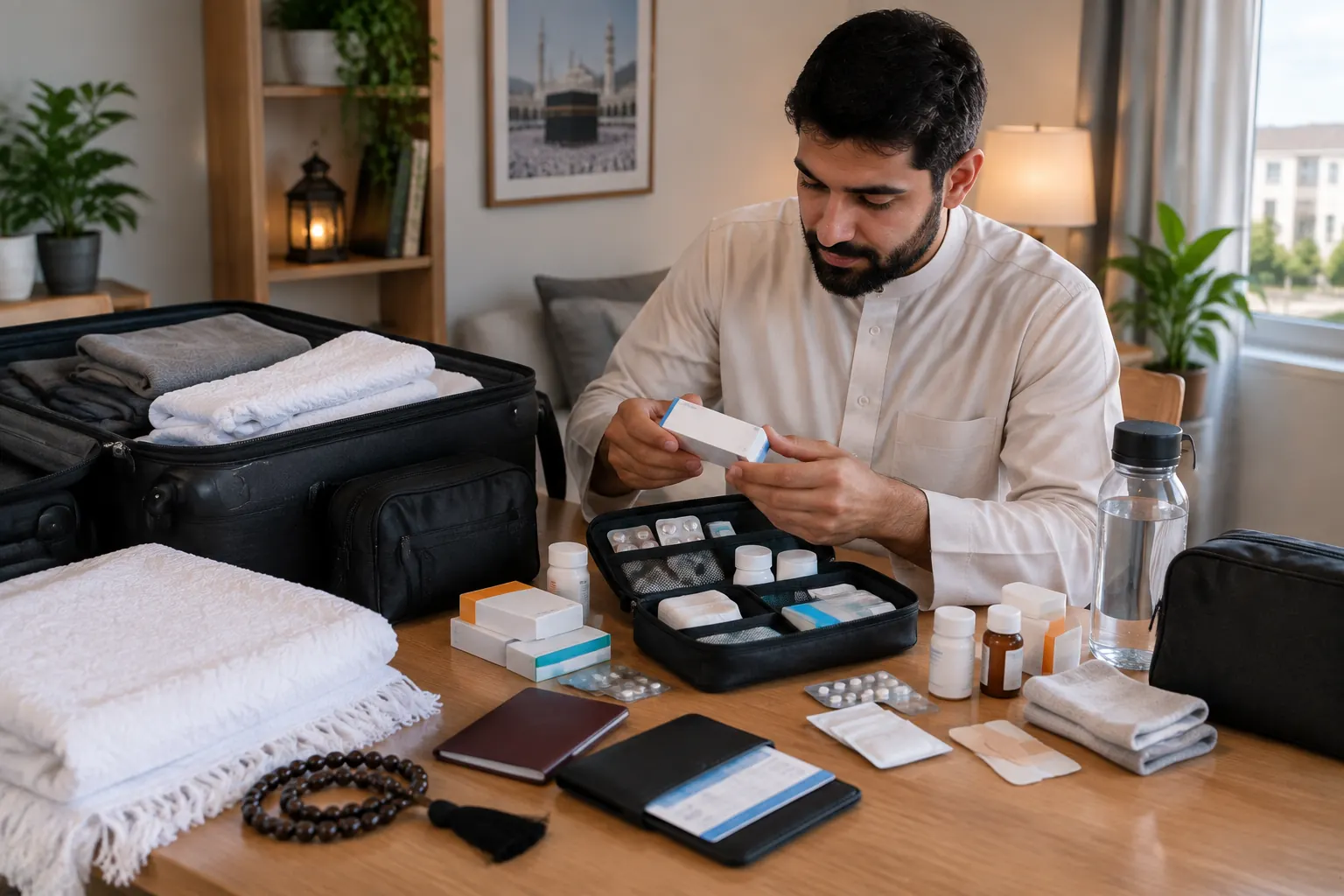
Carry a Personal First Aid and Medication Kit
A simple first aid kit is a must; you’ll never know how far away the pharmacy is, and smaller health problems could turn into bigger ones. Include things like antipyretics and analgesics, bandages, antiseptic, ORS, and your regular prescribed medicines in your kit.
Don’t unwrap the medicines before departure; they have to be in their original boxes or wrappers, and their names must be legible if anyone checks them at the airport. It’s one of the easier health tips for Hajj and Umrah to mark off before you leave home.
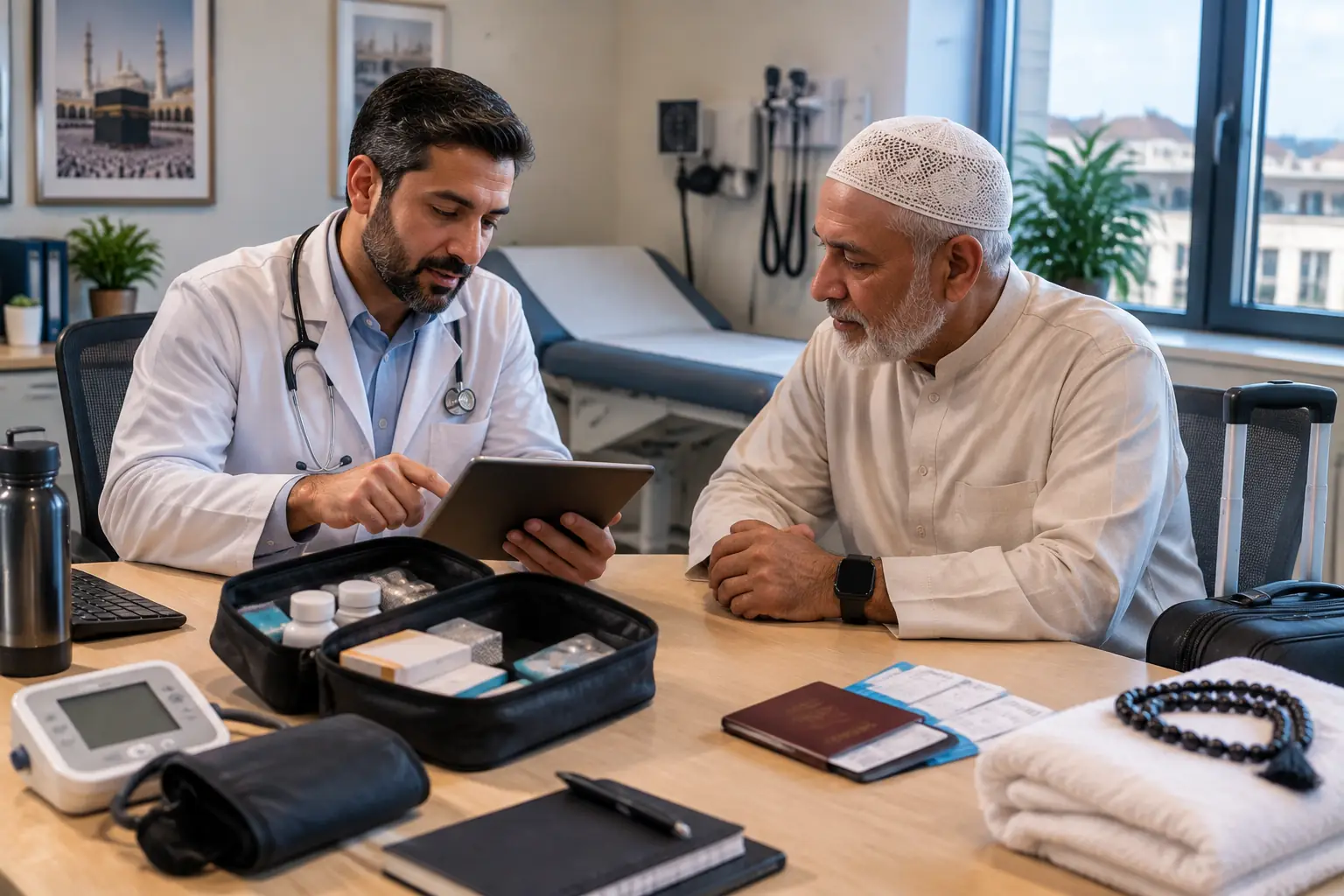
Manage Diabetes or Chronic Conditions Safely
For Hajj and Umrah, you should plan if you’re diabetic or have any chronic health condition. Staying in the heat, walking for too long, and changing your lifestyle can significantly affect blood sugar and BP.
Consult with your doctor about the adjustment of the medicine and what to do in case you forget or miss a dose. Wear a smartwatch or band that states your condition; people around you can help you fast if something feels off.
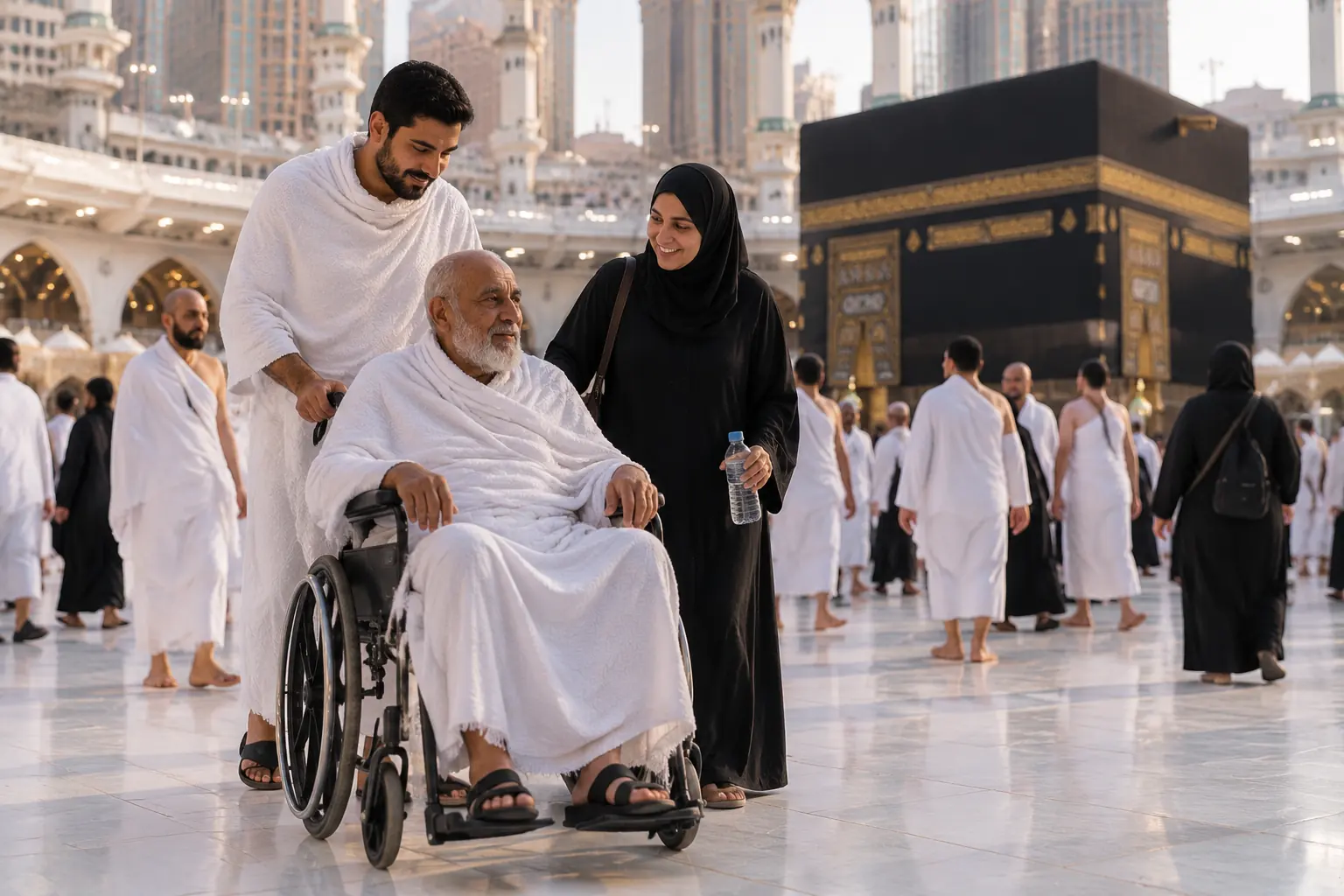
Follow Extra Precautions If You're an Elderly Pilgrim
Due to heat, crowds and long walking distances, older pilgrims often face more health issues and travel with a family member who can check on you and help with a wheelchair or cane if walking long distances is hard for the elderly. You can rest often; there’s no obligation to do so.
You can avoid crowded hours and check where the nearest medical tent is. These health tips for Hajj and Umrah matter more for older pilgrims and pilgrims travelling with family or in a group.
One thing to not that there are specific rules when you’re travelling with elders that must be followed.
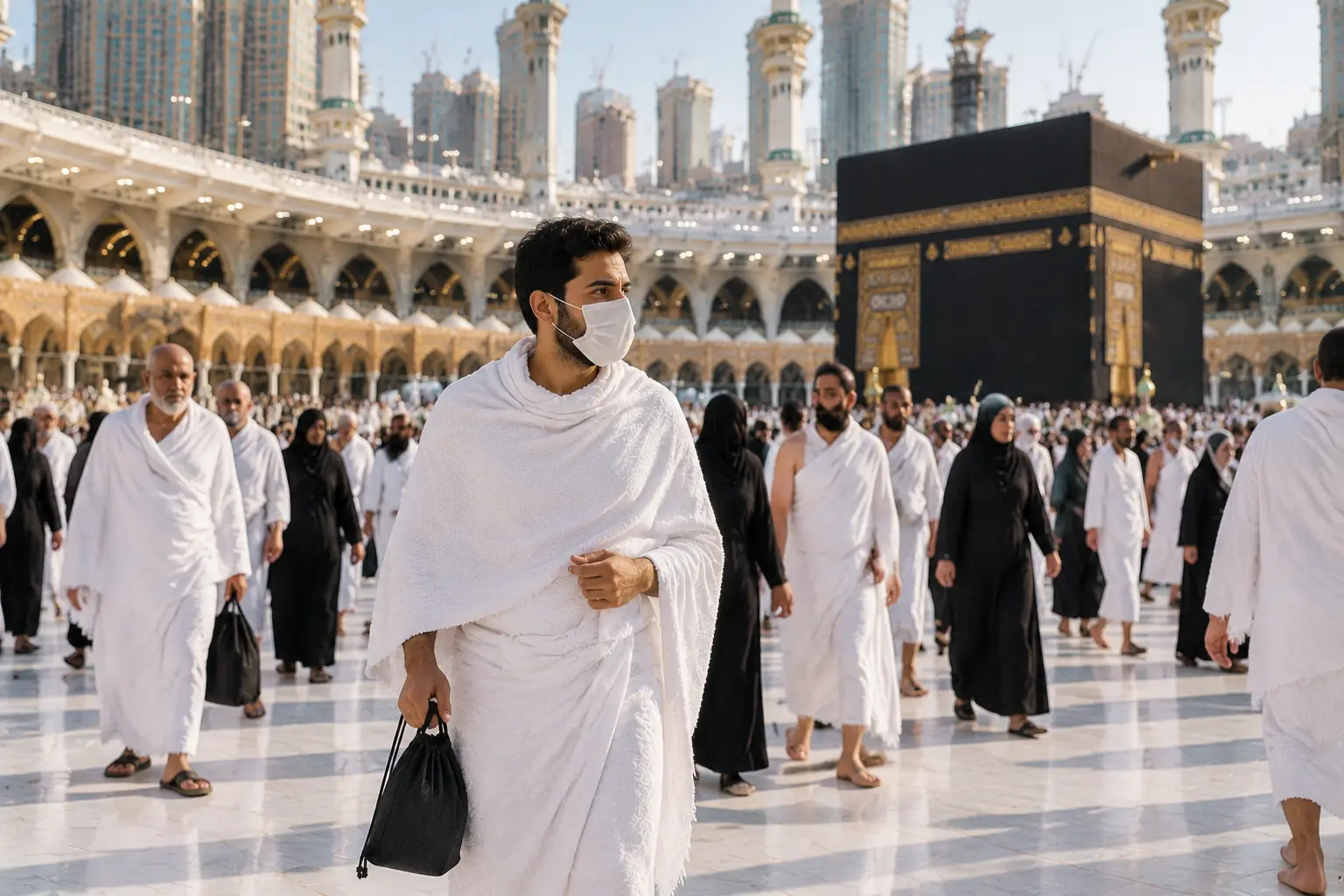
Prevent Respiratory Illness in Crowded Spaces
During peak hours, people gather in close spaces during Umrah; the chances of coughs, colds and other illnesses are much higher.
Wear a mask in crowded areas, avoid touching your face and wash your hands more often, especially before eating. If you feel throat or cold symptoms, drink warm fluids.
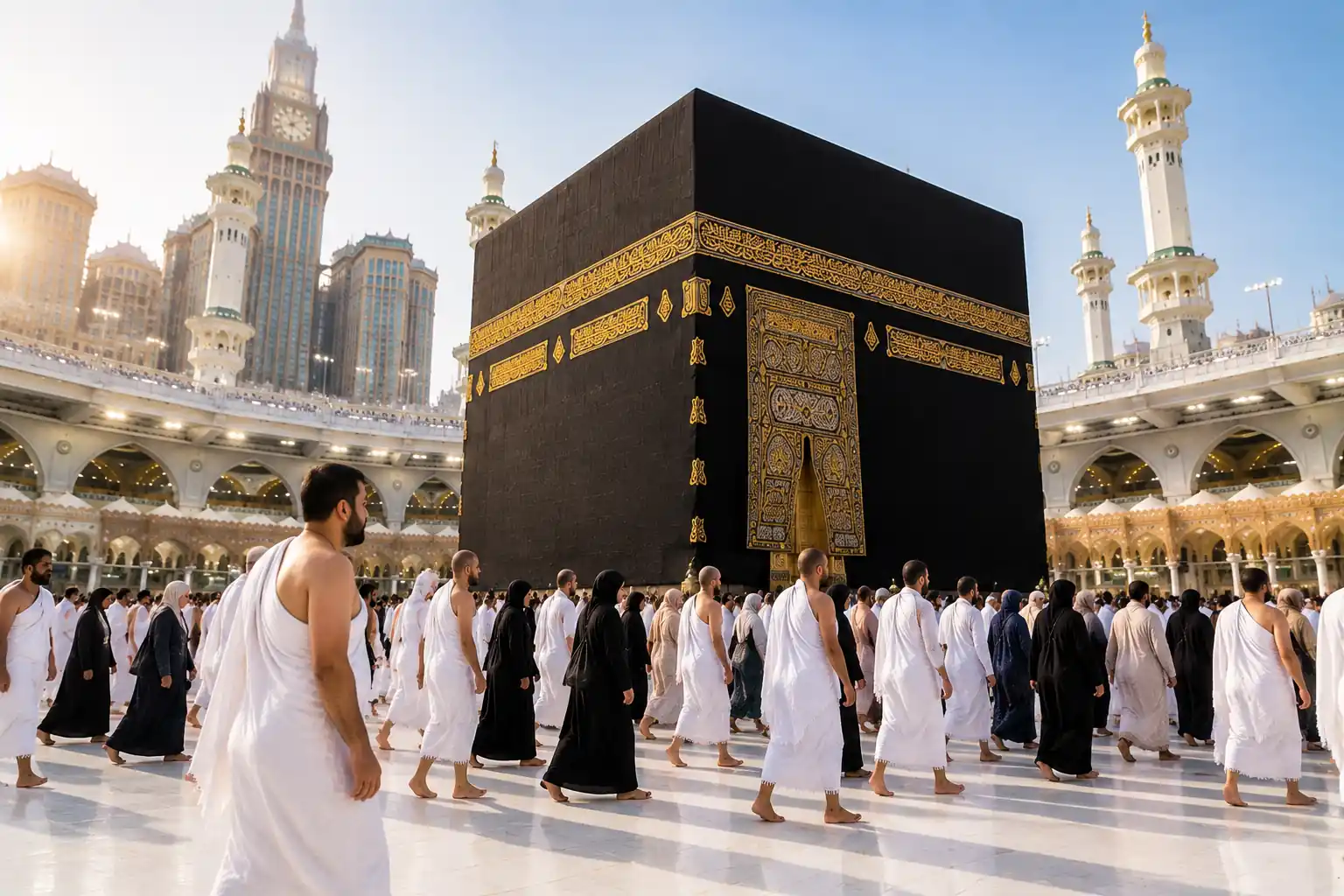
Practice Crowd Safety to Avoid Stampede Risks
Being calm during Hajj and Umrah is an invisible anchor; a large number of people move together during rituals like Tawaf and stoning the pillars.
Follow the instructions given by safety officers then and there. Don’t walk against the direction of the crowd; move slowly in the right direction. In case you feel too congested, move toward the edge of the crowd rather than the centre.
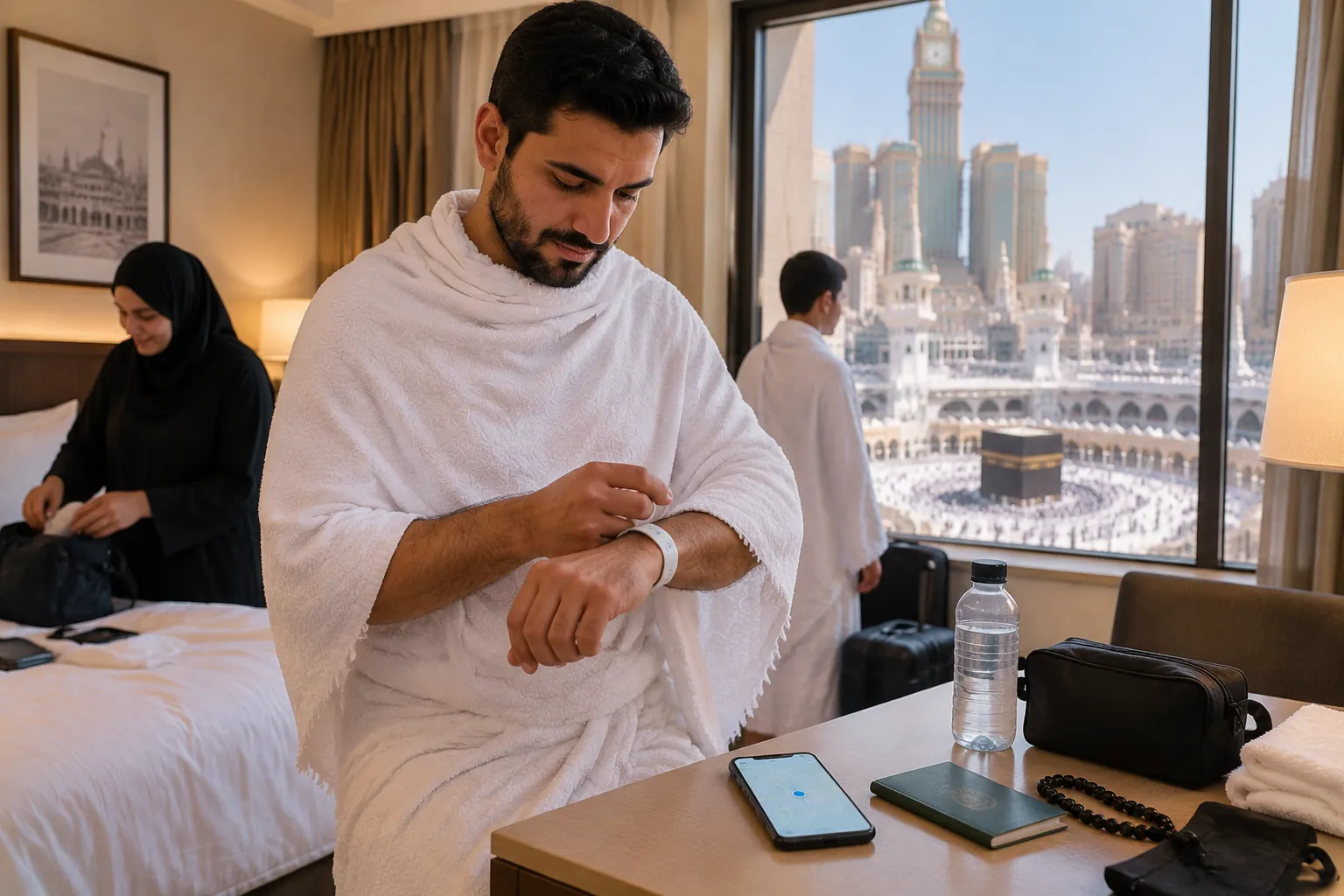
Keep Emergency Contacts and ID Information Accessible
Have an identification wristband, ID bracelet, or pilgrim smart bands. It’s often easy to get separated from your group.
Save the emergency number in your phone and share your live location with the family member staying back in the hotel every day. If you feel lost, ask a nearby officer to help rather than wandering. Such small steps are a part of following good health tips for Hajj and Umrah, especially in large crowds.
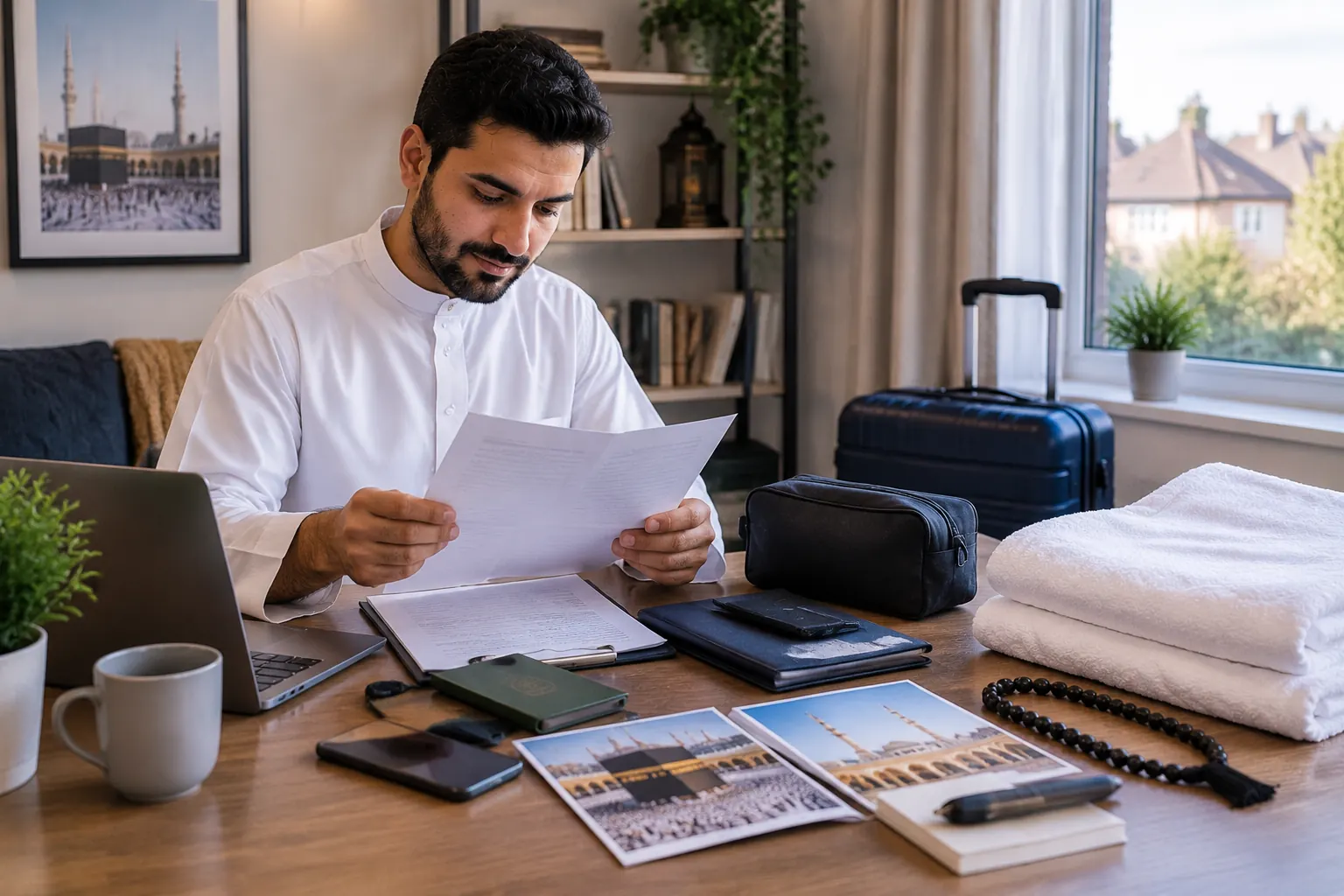
Get Travel Insurance Before You Depart
Most Umrah packages come with inclusive health insurance. Health travel insurance protects you from unexpected costs, and Saudi Arabia has mandated having health insurance for all international pilgrims.
Before choosing an Umrah Package, read all inclusives very carefully, and keep a copy of insurance papers with you during your trip.
Health & Safety Checklist for Hajj and Umrah
The checklist given below is for Hajj and Umrah travellers; mark off each thing mentioned:
- Vaccination certificate
- Personal medications and first aid kit
- Comfortable, broken-in shoes
- Reusable water bottle
- ID bracelet with emergency contacts
- Travel insurance documents
- Sunhat or umbrella
- Masks
Final Words
A smooth and seamless Hajj and Umrah journey requires spiritual dedication and physical preparation. By following measures like staying hydrated, protecting yourself from the weather, maintaining proper hygiene, and resting properly, you will be more focused on your worship.
To create the best pilgrimage experience, it’s better to organise essential documents, prepare spiritually, and arrange suitable protection if travelling with family or elders.
With proper planning and awareness, your journey will be much safer, healthier, and more fulfilling.
Frequently Asked Questions
What vaccinations are required for Hajj and Umrah?
Quadrivalent Meningococcal (ACWY) is mandatory for international pilgrims. Also check with your embassy before starting your journey.
Is Hajj safe for elderly or diabetic pilgrims?
Yes, performing Umrah and Hajj is safe for everyone with proper planning. Consult with your doctor before travel, and carry essential medicines; use a wheelchair or cane if needed.
What is the emergency number during Hajj & Umrah in Saudi Arabia?
They are as follows:
- Ambulance (Saudi Red Crescent): 997
- Traffic Accidents: 993
- General Police Assistance: 999
- Civil Defence (Fire & Rescue): 998
How to avoid heatstroke during Umrah?
Heatstroke can be avoided by drinking more water, wearing loose clothes, and staying in the shade or AC during the hottest hours of the day.
