


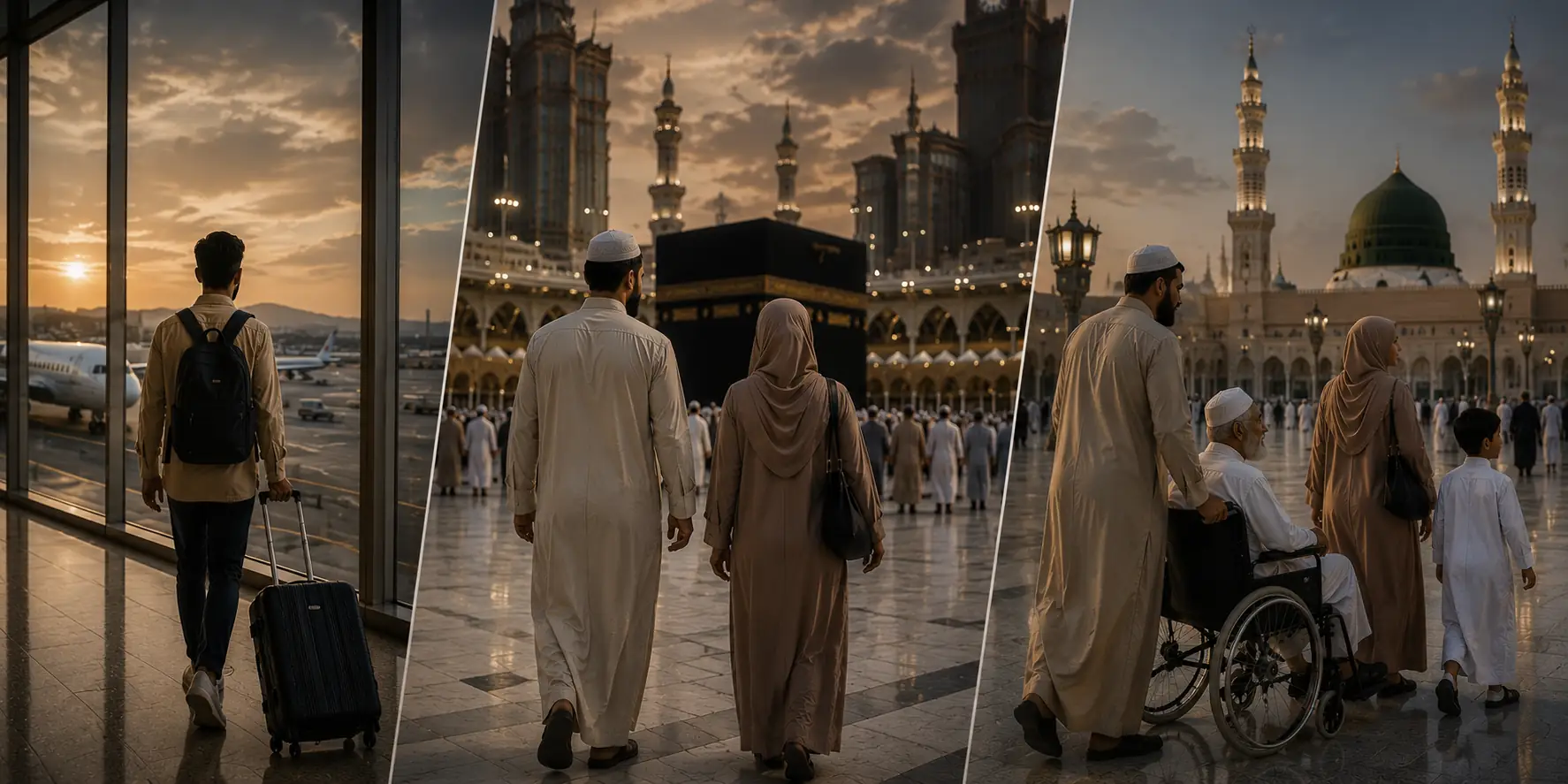
How Long Should an Umrah Trip Be? Comparing 7, 10 and 14 Days
How to Choose the Right Umrah Trip Length for Your Journey
Planning your Umrah is about more than choosing flights and hotels. One of the most important decisions you'll make is how long to stay. While the rituals of Umrah itself can be completed within a few hours, your overall journey from the UK involves international travel, transfers between Makkah and Madinah, time for rest and, for many pilgrims, the desire to spend meaningful time in worship at both Masjid al-Haram and Al-Masjid an-Nabawi.
For most UK pilgrims, a 10-day Umrah trip offers the best balance between affordability, comfort and spiritual fulfilment. However, that doesn't mean it's the right choice for everyone. A seven-day itinerary may suit experienced travellers with limited annual leave, while a fourteen-day journey provides a slower pace and more opportunities for worship, especially for families and elderly pilgrims.
This guide compares 7-day, 10-day and 14-day Umrah trips, helping you choose the itinerary that best matches your schedule, budget and personal goals.
Quick Answer: Which Umrah Trip Is Best?
If you're looking for a quick recommendation, here's a simple comparison.
Trip Duration |
Best For |
|---|---|
| 7 Days | Working professionals, repeat pilgrims, travellers with limited annual leave |
| 10 Days | First-time pilgrims, couples and families looking for the best balance |
| 14 Days | Elderly pilgrims, retirees and anyone wanting a slower, more relaxed experience |
Why Choosing the Right Umrah Duration Matters
Many people assume Umrah is simply about completing Tawaf and Sa'i, but the overall journey is far more than the rituals themselves.
The length of your stay affects:
- How much time you spend in Makkah and Madinah.
- Your opportunity to perform additional voluntary worship.
- Physical fatigue after a long flight from the UK.
- Your overall travel budget.
- Hotel and flight availability.
- The pace of your pilgrimage.
Choosing the right itinerary allows you to focus on worship instead of constantly worrying about airport transfers, hotel check-outs or return flights.
Planning Tip: Before deciding how long to stay, it's also worth understanding what to check before booking an Umrah package so you can compare itineraries, hotels and included services more confidently.
Is a 7-Day Umrah Trip Enough?
Yes—for many pilgrims, especially those who have performed Umrah before, seven days is enough to complete the pilgrimage and spend time in both Holy Cities.
A typical itinerary includes arrival in Saudi Arabia, completing Umrah in Makkah, travelling to Madinah via the Haramain High Speed Railway or private transfer, and returning to the UK after several days.
Although the schedule is shorter, careful planning can still provide a rewarding spiritual experience.
Best For
- Working professionals
- Repeat pilgrims
- Couples
- Budget-conscious travellers
- Short school holiday breaks
Advantages
- Lower accommodation costs.
- Less annual leave required.
- Easier to fit around work commitments.
- Suitable for experienced travellers who already understand the rituals.
Things to Consider
Because the journey from the UK is long, one day is often spent recovering from travel. This naturally reduces the amount of time available for worship and sightseeing.
You'll also have limited opportunities to visit significant Islamic landmarks or spend extended periods in both Masjid al-Haram and Al-Masjid an-Nabawi.
If you're primarily focused on completing Umrah efficiently, however, a seven-day itinerary can work very well.
Helpful Tip: Comparing different Umrah packages from the UK can help you find a shorter itinerary without compromising on hotel location or included services.
Why a 10-Day Umrah Trip Is the Most Popular Choice
For many UK Muslims, ten days is the ideal balance between affordability and a comfortable pace.
Unlike a shorter itinerary, a ten-day trip provides enough time to recover after travelling, perform Umrah without feeling rushed and spend meaningful time in both Makkah and Madinah.
This additional flexibility allows pilgrims to attend more congregational prayers, read Qur'an peacefully within the Holy Mosques and visit important Islamic sites without constantly watching the clock.
It is also one of the most popular options for first-time pilgrims because it offers a far more relaxed experience while remaining practical for most work schedules.
Best For
- First-time pilgrims
- Families
- Couples
- Small groups
- Pilgrims wanting a balanced itinerary
Advantages
- More time for voluntary worship.
- Better balance between Makkah and Madinah.
- Reduced travel fatigue.
- More flexibility if flights are delayed.
- Comfortable pace for first-time visitors.
Families travelling with children or elderly relatives often find a ten-day itinerary much easier to manage than a shorter trip, as it allows extra time for rest between acts of worship.
Related Guide: If you're travelling with parents or young children, read our advice on travelling to Umrah with elderly family members before choosing your itinerary.
Is a 14-Day Umrah Trip Worth It?
If your budget and schedule allow, a 14-day Umrah trip offers the most relaxed and spiritually enriching experience. Instead of rushing from one activity to the next, you'll have time to establish a routine of worship, reflect on your pilgrimage and experience both Makkah and Madinah at a comfortable pace.
For many pilgrims, especially those visiting for the first time, the extra days provide opportunities to perform additional prayers in Masjid al-Haram and Al-Masjid an-Nabawi, read the Qur'an without time pressure and visit important Islamic landmarks without feeling exhausted.
A longer stay can also make international travel feel more worthwhile, particularly when travelling from the UK.
Best For
- First-time pilgrims
- Elderly travellers
- Families with children
- Retired couples
- Pilgrims travelling during Ramadan
- Those seeking a slower, more reflective journey
Advantages
- More time for worship and personal reflection.
- Reduced travel fatigue after long-haul flights.
- Greater flexibility if flights or transfers change.
- Easier pace for elderly pilgrims.
- More opportunities to visit significant Islamic sites.
- Better balance between worship, rest and sightseeing.
Things to Consider
A 14-day itinerary generally costs more because of the additional hotel nights and meals. It also requires more annual leave, making it less practical for some working professionals.
However, if you value a relaxed pilgrimage over a quicker visit, many pilgrims consider the additional investment worthwhile.
Planning Tip: If you're considering a longer itinerary, deciding whether to arrive through Jeddah or Madinah Airport can also make your journey more comfortable, particularly if you're travelling with elderly relatives or children.
Expert Factors to Consider Before Choosing Your Umrah Duration
Choosing the right itinerary isn't simply about the number of days. Experienced Umrah travel advisers often recommend considering several practical factors before booking.
Your Annual Leave
If you're limited to one week of leave, a seven-day itinerary may be the most practical choice. If you have greater flexibility, extending your stay can make your journey significantly more relaxed.
Your Budget
Accommodation in Makkah and Madinah represents one of the largest costs of an Umrah package. Longer trips naturally increase your overall travel expenses, so compare the overall value of the package rather than simply the number of nights.
Who You're Travelling With
Families with young children and elderly parents often benefit from additional rest days between travel and worship. A slightly longer itinerary can reduce physical strain and make the pilgrimage more enjoyable for everyone.
Time of Year
Travelling during Ramadan, school holidays or peak Umrah seasons often means larger crowds and longer waiting times. Allowing extra days can provide greater flexibility if your itinerary changes unexpectedly.
Your Spiritual Goals
Some pilgrims wish to complete Umrah and return home efficiently, while others hope to spend additional time praying, reflecting and attending congregational prayers in the Two Holy Mosques. Your personal objectives should guide your choice of itinerary.
7 vs 10 vs 14 Days: Side-by-Side Comparison
Feature |
7 Days |
10 Days |
14 Days |
|---|---|---|---|
| Budget | Lower | Moderate | Higher |
| Annual Leave Required | Low | Moderate | High |
| Time in Makkah | Good | Very Good | Excellent |
| Time in Madinah | Limited | Balanced | Excellent |
| Worship Opportunities | Good | Very Good | Excellent |
| Relaxed Pace | Moderate | High | Excellent |
| Suitable for First-Time Pilgrims | Good | Excellent | Excellent |
| Suitable for Families | Good | Very Good | Excellent |
| Suitable for Elderly Pilgrims | Fair | Good | Excellent |
Which Umrah Duration Should You Choose?
Instead of asking which itinerary is "best," ask which one is best for you.

Choose a 7-Day Umrah Trip If:
- You have limited annual leave.
- You're travelling on a tighter budget.
- You've performed Umrah before.
- You want to complete your pilgrimage efficiently.
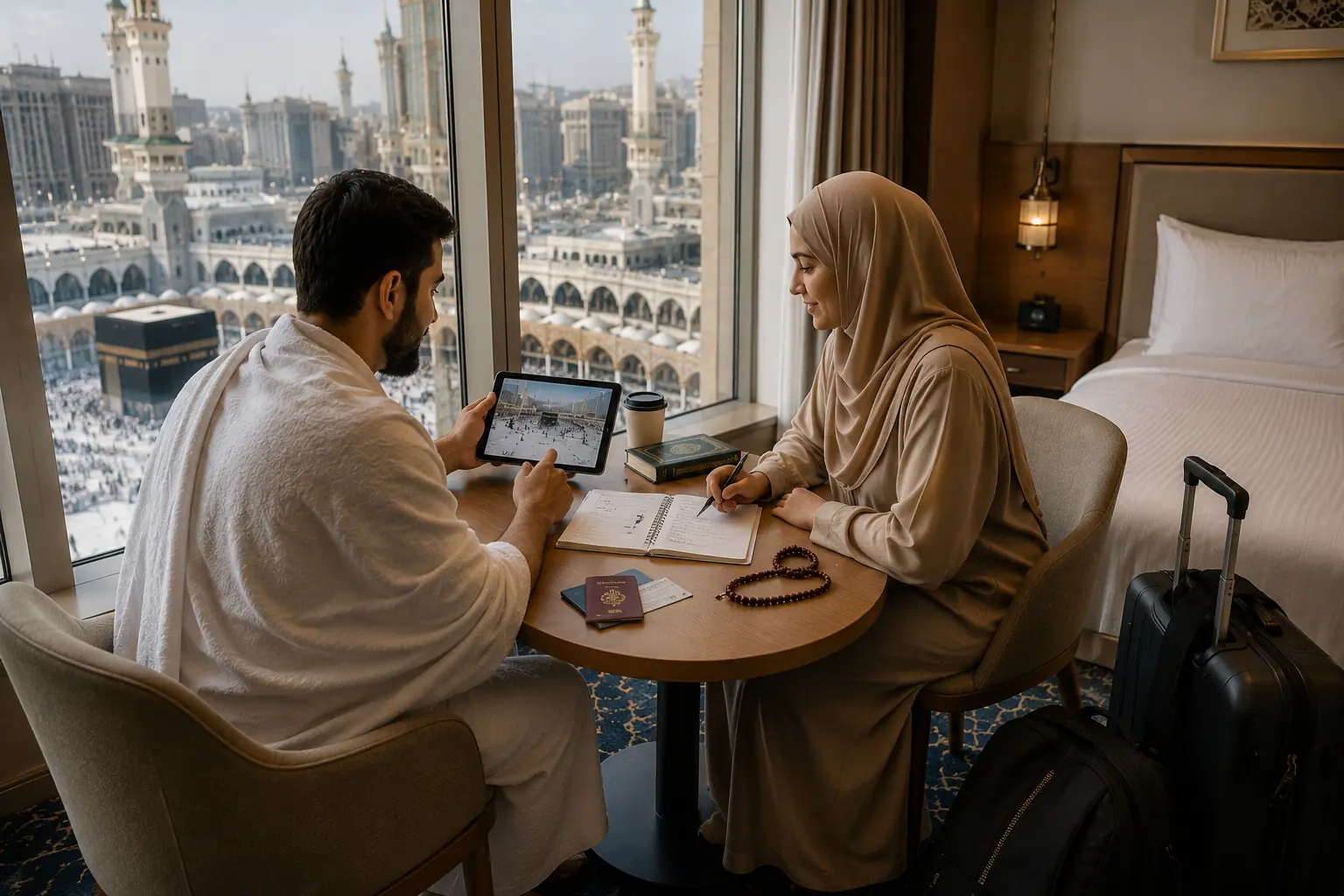
Choose a 10-Day Umrah Trip If:
- This is your first Umrah.
- You want enough time in both Makkah and Madinah.
- You prefer a comfortable balance between worship and rest.
- You're travelling with your spouse or immediate family.
For many UK pilgrims, this remains the best all-round option.
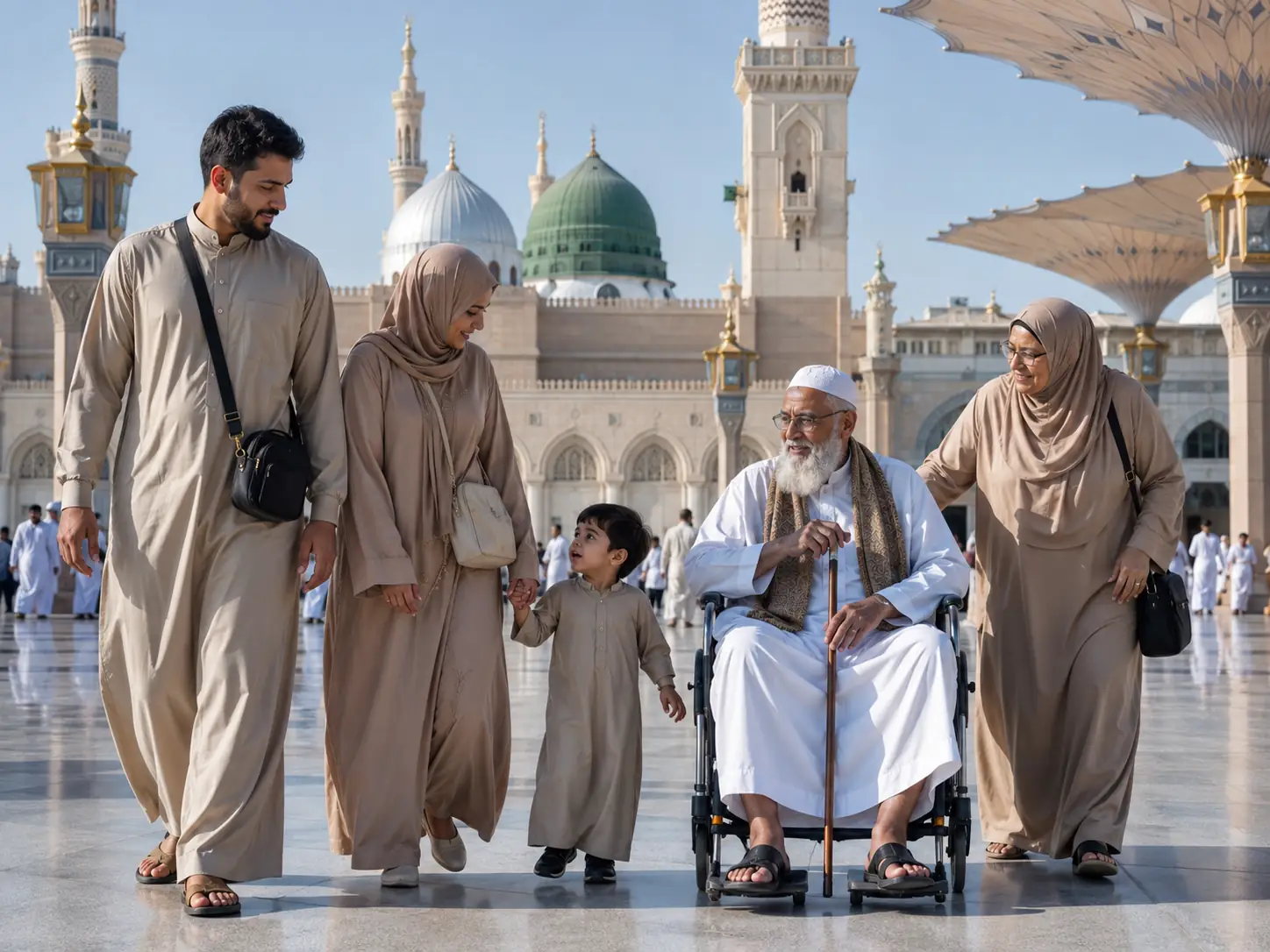
Choose a 14-Day Umrah Trip If:
- You want the most relaxed pilgrimage possible.
- You're travelling with elderly parents.
- You have young children.
- You wish to spend more time praying in the Holy Mosques.
- You're travelling during Ramadan or another busy season.
A longer stay allows you to slow down and experience the spiritual atmosphere without constantly thinking about your return journey.
Common Mistakes When Choosing an Umrah Trip Length
Many pilgrims focus solely on price, but the cheapest itinerary isn't always the best value.
Avoid these common mistakes:
- Booking the shortest trip without considering travel fatigue.
- Choosing an itinerary based only on cost.
- Ignoring hotel location and walking distance to the Haram.
- Forgetting to account for immigration and transfer times.
- Not allowing enough rest when travelling with elderly relatives or children.
- Choosing a package before understanding exactly what is included.
Before booking, it's worth reading our guide on what to check before booking an Umrah package to avoid unexpected costs and compare providers more effectively.
Planning Your Umrah Journey
Whichever itinerary you choose, compare more than just the number of days. Review the flights, hotel locations, airport transfers and included services to understand the overall value of the package.
If you're still researching, reading a complete Umrah guide can help you prepare for every stage of your pilgrimage—from travel planning and Ihram preparation to completing the rituals with confidence.
Which Umrah Trip Length Is Best Overall?
For most UK pilgrims, a 10-day Umrah trip offers the best overall balance between time, comfort and cost. It gives first-time visitors enough time to perform Umrah without rushing, spend meaningful time in both Makkah and Madinah, recover from travel and maintain a more comfortable pace.
A 7-day Umrah trip can still work very well if you have limited annual leave, are travelling on a tighter budget or have performed Umrah before. A 14-day itinerary, meanwhile, is better suited to pilgrims who want a slower journey, are travelling with elderly parents or children, or simply want more time for worship and reflection.
There is no religiously required number of days for an Umrah trip. The best duration is the one that gives you enough time to perform your pilgrimage properly while matching your health, budget, travel schedule and personal circumstances.
Find an Umrah Itinerary That Works for You
Once you know how long you would like to travel, the next step is to compare the details behind each itinerary.
Look beyond the number of nights and consider:
- Flight schedules and journey times
- Hotel location in Makkah and Madinah
- Walking distance from the Haram
- Airport and intercity transfers
- Room occupancy
- Included meals and services
- Support available during the journey
Explore Umrah packages from the UK to compare different itinerary options and find a journey that suits your available time, budget and travel requirements.
A carefully planned itinerary can reduce unnecessary travel pressure and leave you with more time and energy to focus on the purpose of your journey.
Frequently Asked Questions
How many days are enough for Umrah?
Seven days can be enough to perform Umrah and visit both Makkah and Madinah, particularly for experienced pilgrims. For first-time travellers, 10 days usually provides a more comfortable balance between worship, travel and rest.
Is 10 days enough for Makkah and Madinah?
Yes. A well-planned 10-day itinerary can provide several days in both cities, giving pilgrims time to perform Umrah, attend prayers, rest and visit important Islamic sites without making the journey feel excessively rushed.
Should first-time pilgrims choose 10 or 14 days for Umrah?
Ten days is suitable for many first-time pilgrims, while 14 days may be better for those who want a slower pace, additional worship time or more rest. Families and elderly travellers may particularly benefit from the flexibility of a longer stay.
Is a 14-day Umrah trip better than 10 days?
Not automatically. Fourteen days gives you more time, but it also usually means higher accommodation and living costs. If 10 days already provides enough time for your intended itinerary, extending the trip may not be necessary. Choose based on your priorities rather than assuming the longest trip is always better.
