


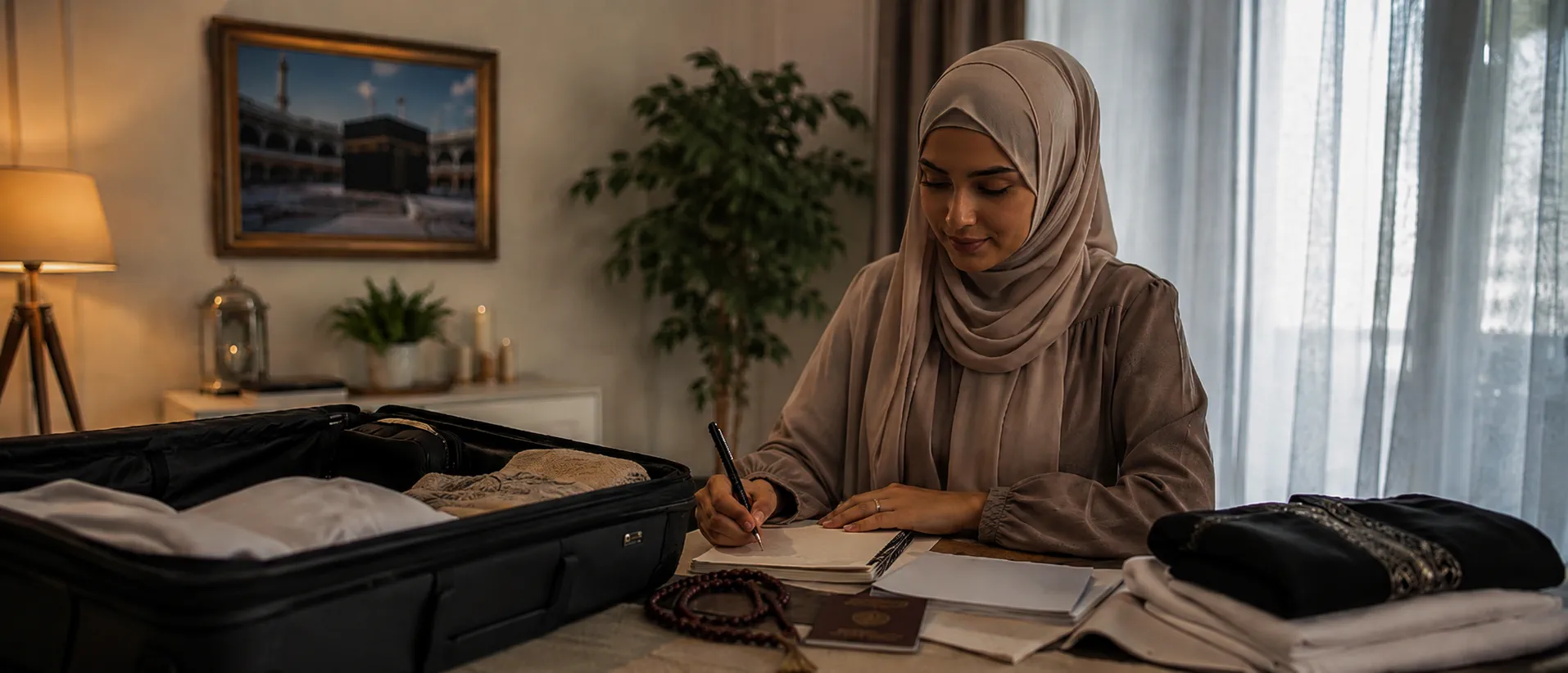
How Mahram Rules Are Changing for Female Pilgrims
New Mahram Rules for Female Pilgrims
Hajj and Umrah are deeply meaningful journeys for Muslims around the world. The sacred pilgrimage gives the chance to seek forgiveness from Allah (SWT), strengthen the connection with Him and offer immense rewards. For decades, the rules surrounding these pilgrimages have been rooted in Islamic law, with specific guidelines for female pilgrims.
Traditionally, women were not allowed to perform Hajj and Umrah without a mahram (a male relative, such as a father, brother, husband, or son). But in recent years, few changes have been made in the Mahram rule for female pilgrims. Now, women are allowed to embark on these sacred journeys independently (No Maharam required).
Whether you are planning for a solo Hajj or Umrah tour or just want to know the rules for female pilgrims, it is important to stay updated with the latest information. This blog uncovers everything about the Mahram rules for female pilgrims, from traditional concepts to recent changes and more.
Understanding The Concept Of Mahram In Islam
In Islam, a mahram refers to a male relative whom a woman cannot marry due to close blood relation, breastfeeding, or ties through marriage. This male is typically:
- Her father
- Brother
- Son
- Uncle (maternal or paternal)
- Grandfather
- Nephew
- Father-in-law
A mahram's role is to keep a woman safe, secure and provide proper company when she's travelling. This requirement reflects how the faith puts a lot of weight on protecting women's dignity and well-being. Because of this, the company of mahram has been a must for long travel, including the holy journeys of Hajj and Umrah.
Traditional Islamic View on Women Solo Travel
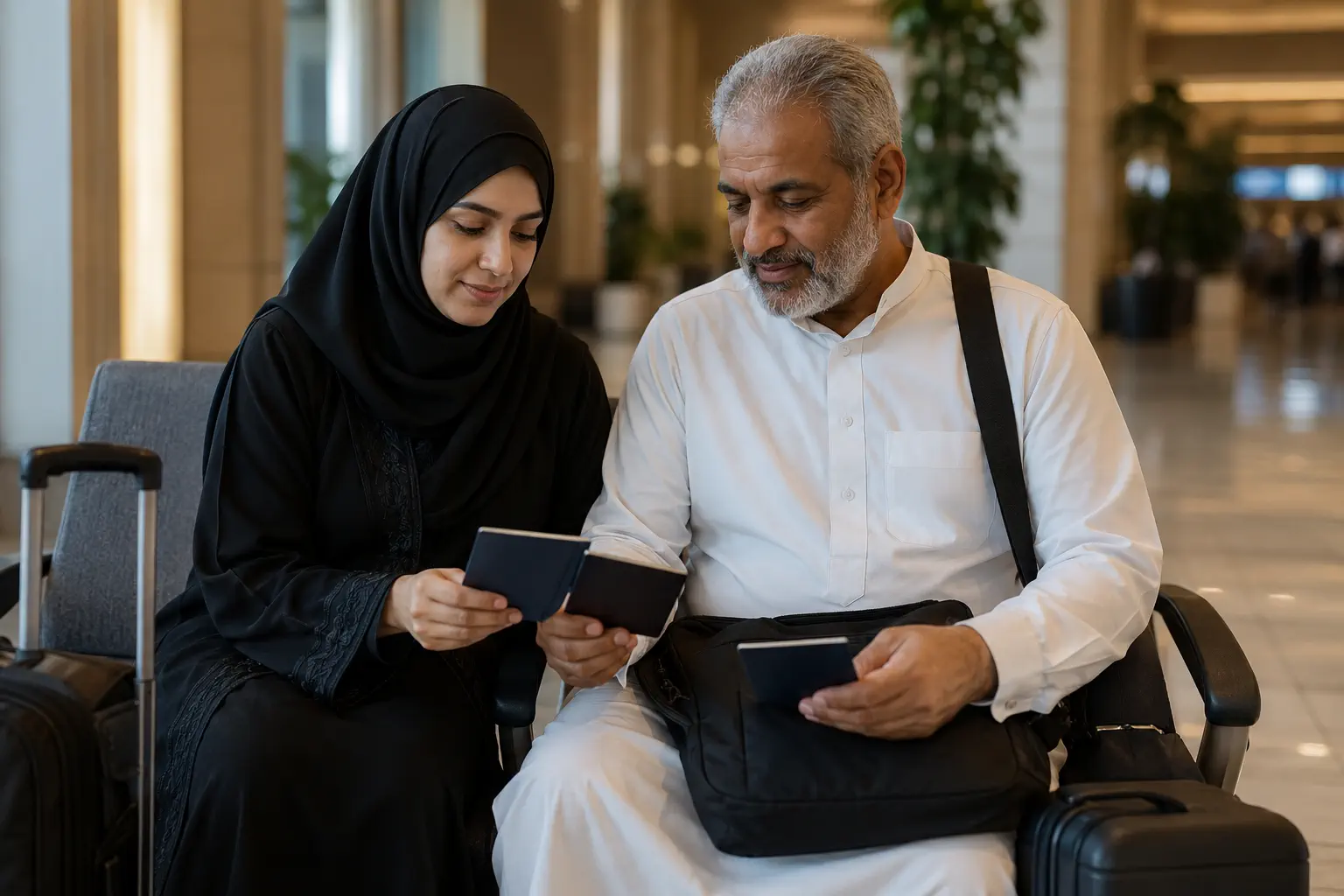
Travelling With a Mahram
The traditional Islamic rule based on hadith, says a woman shouldn't travel long without a Mahram. According to the well-known hadith recorded in Sahih al-Bukhari and Sahih Muslim, the Prophet Muhammad (PBUH) said:
“No woman should travel except with a Dhu-Mahram.”
(Sahih al-Bukhari 1862, Muslim 1339)
This directive was historically accepted and followed as a matter of both spiritual and physical protection, especially during times when travel was challenging. For centuries, women were required to be accompanied by a mahram for performing Hajj and Umrah.
Islamic scholars consistently affirmed the requirement of a mahram for women undertaking long-distance travel. This ruling was rooted in a commitment to safeguarding a woman’s safety and dignity, especially in contexts where her vulnerability might be at risk.
However, you will find many scholars, permitting women to travel without a mahram but with a close female relative or in a secure group.
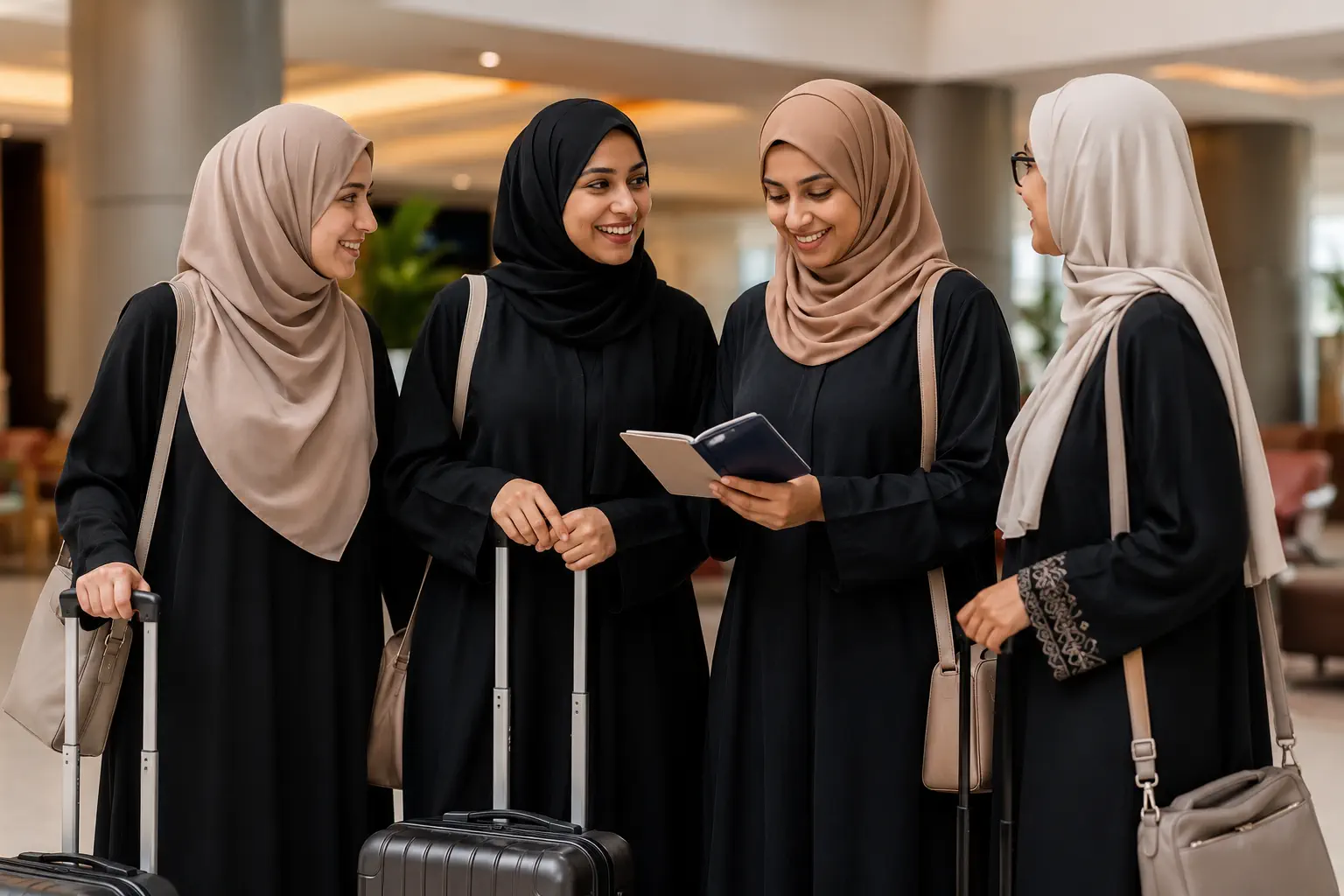
Modern Rules & Reforms: A New Era for Female Pilgrims
Over the past few years, Saudi Arabia has made several major changes in the rules to make religious travel easier and to welcome more people, especially women. The Ministry of Hajj and Umrah made a big announcement when it said women could now perform Hajj and Umrah without a (Mahram) male guardian as long as they travelled with a safe group.
Source: https://www.arabnews.com/node/2179356/saudi-arabia
With significant improvements in travel safety and the implementation of strict regulations for pilgrimage, many modern scholars and Islamic authorities have re-evaluated the requirement of a mahram for women embarking on Hajj and Umrah.
People have praised this decision as a progressive step to promote gender equality and inclusion in Islam. This decision clearly makes us understand that modern transportation, safety measures and rules have reduced the risks of travel that were originally associated with travelling alone.
This decision aligns with the understanding that modern advancements and security measures have reduced the risks that were originally associated with travelling alone. The change has been widely welcomed, especially by women who may not have easy access to a mahram, making the sacred journey more accessible to many.
What This Means for Female Pilgrims Today
So, what does the change in the rule and the new reform mean in practical terms for women who want to perform Hajj and Umrah alone?
No Mahram Required
Women don't have to show proof of a Mahram relationship anymore when they apply for an Umrah or Hajj visa, as long as they join a group tour or travel with other female pilgrims.
Easier Travel Logistics
Women now have the option to plan out their trips on their own, go on pilgrimages with other women, or sign up for Umrah packages tailored for their needs.
Continued Safety Measures
Though changing the Mahram rules, safety still remains a priority by the Saudi Offcials. They have implemented effective measures, strengthened monitoring, security, and medical assistance to ensure female pilgrims feel safe all the time.
Reaction And Reflection Of The Ummah
The global Muslim community have responded to this change with mixed reactions. Some of them are excited and are in favour, considering it a positive step towards equality. However, some are against it and believe women should not travel without the company of a mahram.
The change in the rule does not mandate that female pilgrims travel without a Mahram; it just gives the option to fulfil religious obligations without unnecessary hardship. The doors of the two holy mosques Masjid al-haram and Masjid an-Nabawi are now more open than ever before, especially for female pilgrims.
Conclusion: A New Chapter for Female Pilgrims
The changes to the Mahram rules mark a significant movement in the pilgrimage history. The new rule has removed a significant barrier for all the women who face difficulties in getting the company of a Mahram.
Female pilgrims can now embark on their sacred journey with confidence, safety, and dignity, fulfilling a lifelong pillar of faith without unnecessary restrictions.
Frequently Asked Questions
Can women perform Hajj or Umrah without a Mahram now?
Yes, women can now perform Hajj or Umrah without a Mahram under the updated Saudi pilgrimage rules. According to Saudi Hajj guidance, a Mahram is not mandatory for all Hajj packages, and women can register under a women-only group. This change makes pilgrimage more accessible for women who do not have a male guardian available.
What is a Mahram in Islam?
A Mahram is a male relative whom a woman cannot marry because of blood relation, marriage, or breastfeeding ties. Common examples include a father, brother, son, uncle, grandfather, nephew, or father-in-law. Traditionally, a Mahram was required to accompany a woman during long-distance travel for protection, dignity, and safety.
Why did Saudi Arabia change the Mahram rule for female pilgrims?
Saudi Arabia changed the Mahram rule because modern travel is now safer, more organised, and better regulated than in the past. Women can travel through approved groups, with stronger security, transport arrangements, medical support, and official pilgrimage systems. The change allows more women to complete Hajj and Umrah without unnecessary hardship.
Can a woman travel completely alone for Hajj or Umrah?
A woman may not need a Mahram, but she should still follow the official travel conditions for her Hajj or Umrah package. Saudi guidance allows women to register through women-only groups, while earlier official statements also referred to travelling with trustworthy women or secure company. Pilgrims should always confirm the latest visa and package rules before booking.
