


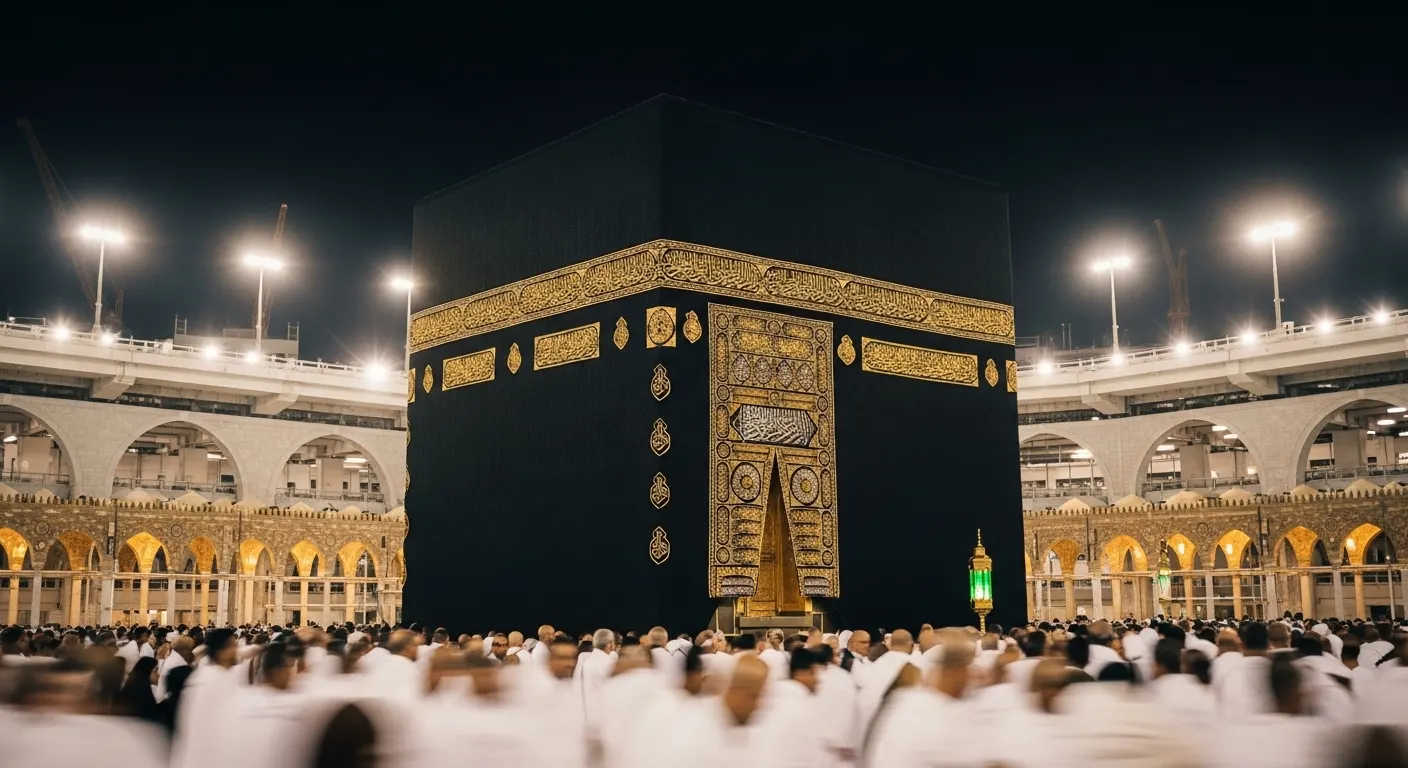
10 Surprising Facts About the Kaaba You Didn’t Know
Facts About the Kaaba, Every Muslim Should Know
There is no other place on the earth bearing such holy reverence in the life of every Muslim as Makkah and Madinah. The sacred place called Kaaba, situated in Makkah, is a cube-shaped structure carved from granite, bearing prodigious significance for pilgrims during Hajj and Umrah.
The Kaaba, also known as the House of Allah (SWT), is shrouded in a black cloth called a Kiswah and is surrounded by the most pious mosque in Islam, Masjid Al Haram. This epitome of spirituality is highly venerated during the journey of Hajj and Umrah.
Tawaf is performed as a practice where circumambulation of the Kaaba is done seven times in a counterclockwise direction. Every Muslim is expected to face the direction of the Kaaba, called the Qibla, while performing Salah from any part of the world.
Makkah is the sacred place where Prophet Ismael (A.S) and his mother Hajrah (A.S) were bestowed with Zamzam water in the dry desert.
There are many sources from which one can get updated about the pilgrimage and the holy Kaaba, but here we will give you a wider influx of knowledge and surprising facts about the Kaaba, many Muslims don’t even know.
Following are the Surprising Facts About the Kaaba
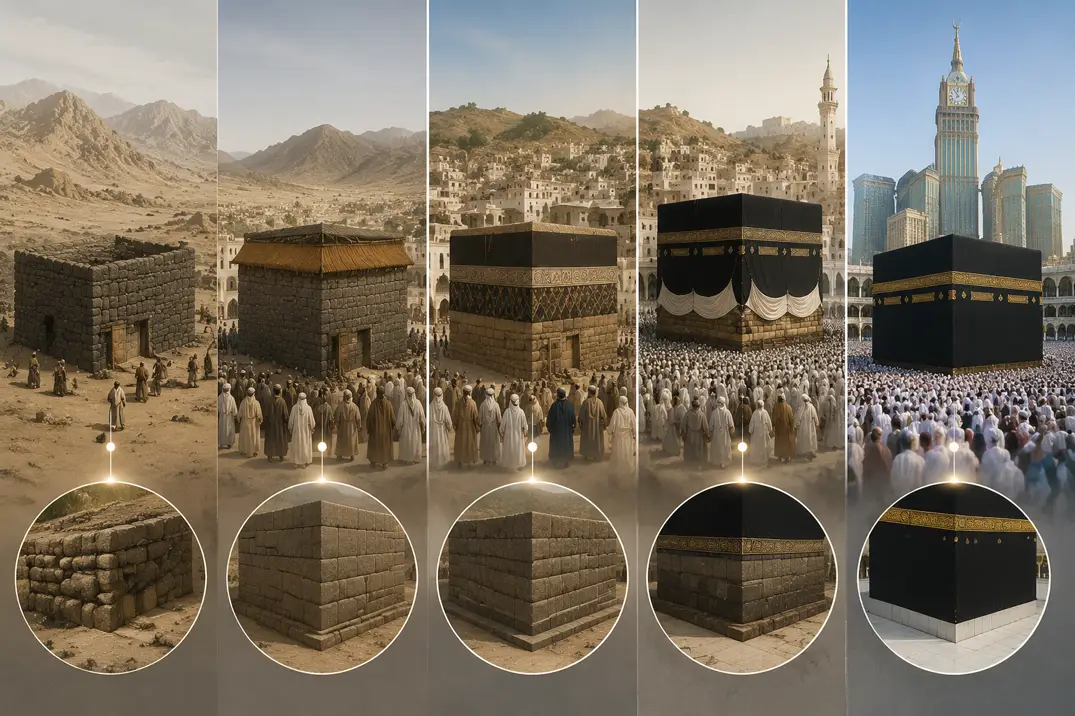
Construction of the Kaaba several times:
The structure of the Kaaba we see today is not the same as that which was built by the Prophet Ibrahim (A.S). It required major reconstruction over time after natural and man-made disasters, with major rebuilding done before Prophet Muhammad (PBUH) was endowed with the title of ‘ The Prophet‘.
Of late, the major refurbishment was done in the year 1996 when many stones were replaced, the foundation was made stronger, and a new roof was constructed. Not much has been done after that due to the employment of modern techniques, which were far more secure and stable.
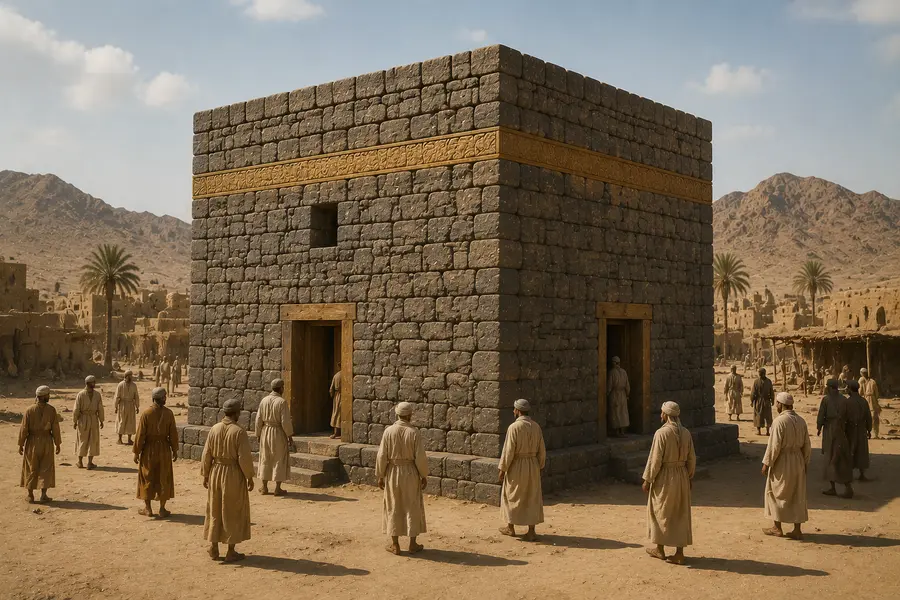
Two Doors and a Window:
In its earlier form, the Kaaba was designed with two doors; one serving as an entrance and the other as an exit, allowing easier movement within the structure. Historical accounts also mention the presence of a window on one of its walls, which no longer exists today.
Over time, structural changes were made, and the Kaaba was modified to its present form with a single elevated door and no windows. These changes were implemented to enhance security and preserve the sanctity of the sacred space.
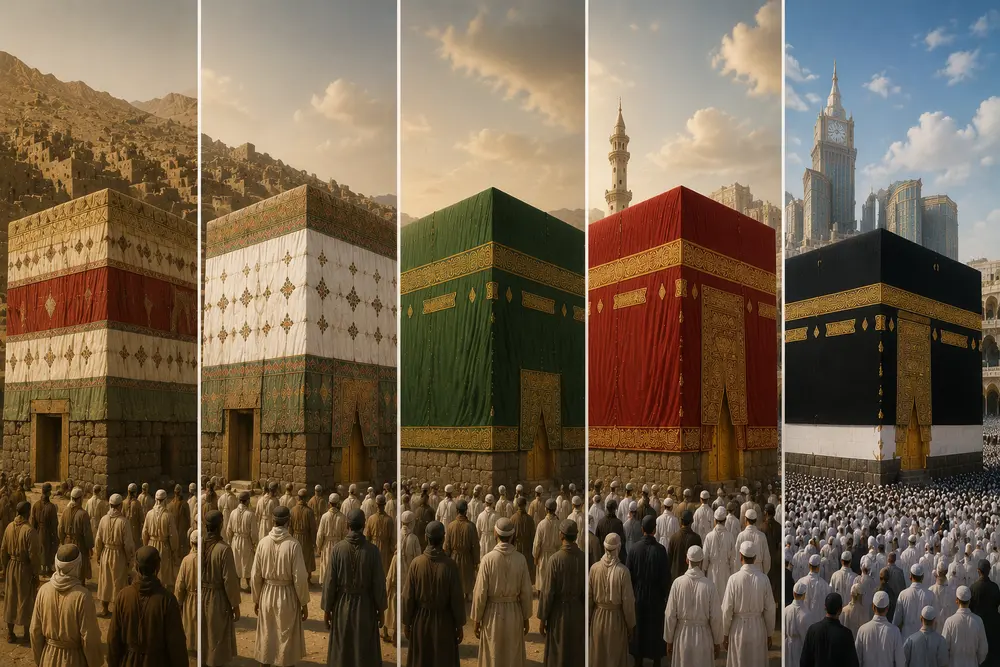
Multi-colored structure:
When we think of the Kaaba, the image that comes to mind is that of the cubical holy structure covered with black cloth and encrypted in golden colour, so if someone says that it was clad in different colours in earlier times, it would be hard to believe but this is the truth and not only one colour was used but multiple colours like red, green and even white.
This is among the surprising facts about the Kaaba, many of us didn’t know earlier. The cloth of the Kaaba is called Kiswa, which is now in black with golden embroidery. The Kiswa of the Kaaba is changed once a year.
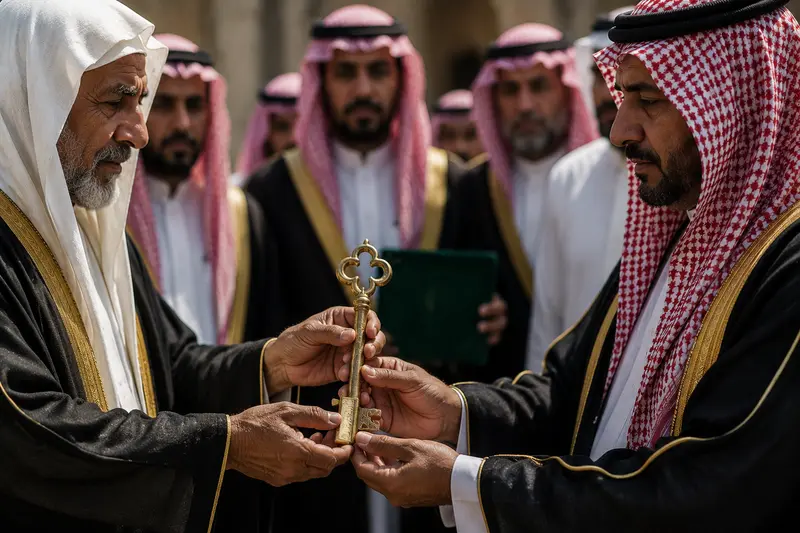
The Keys are kept in the custody of one family:
During the time of the Prophet Muhammad (PBUH), all the rites related to Hajj were under the control of different sub-groups of the Quraish. As time passed by, they lost their guardianship of all the rites except the one of key keeping.
After the conquest of Makkah, the keys of Kaaba were being given to Prophet Muhammad (PBUH) but he refused to keep it and returned it back to Osman ibn Talha (R.A) of the Bani Shaiba family that was the traditional key keepers of the Kaaba for centuries and the Prophet (PBUH) confirmed their role as key keepers till the end of time.
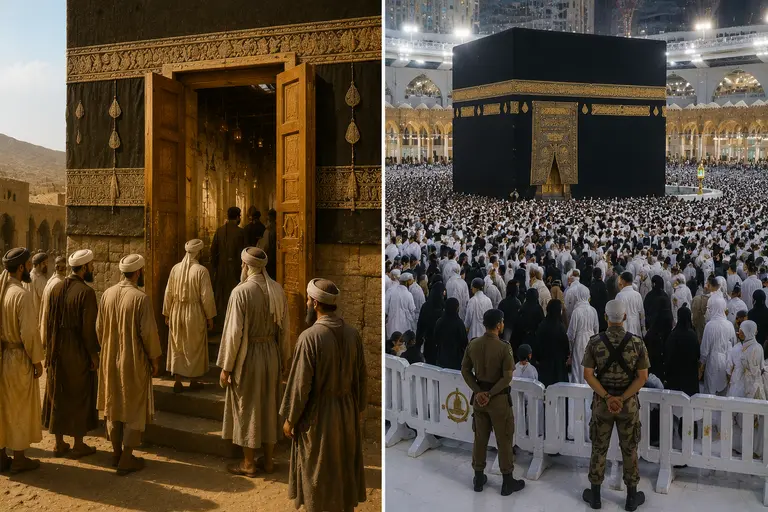
Open to everyone:
In earlier times, the Kaaba was opened more frequently, allowing selected worshippers to enter its interior on specific days. However, with the massive increase in the number of pilgrims visiting Makkah each year, access has become highly restricted.
Today, the Kaaba is opened only on rare occasions, typically a few times a year, and entry is limited to selected guests and dignitaries. These measures are in place to manage crowds and preserve the sanctity and condition of the sacred structure.
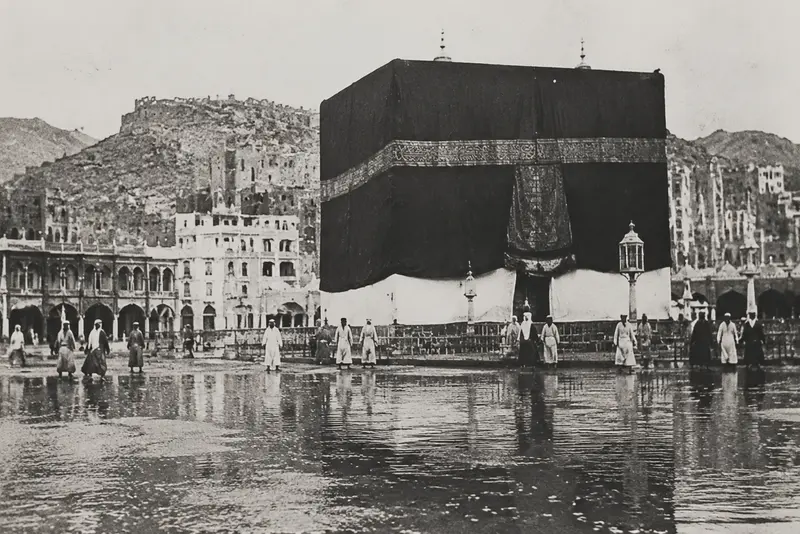
Tawaf was performed, swimming around the Kaaba:
Earlier, the Kaaba was situated in a low-lying valley, and as rains were quite common in Makkah, the surrounding area of the Kaaba remained flooded with rainwater during olden days.
At that time, a few of the people used to swim around the Kaaba to perform the Tawaf. Great measures have been taken to avoid the situation nowadays and facilitate the people for a convenient Hajj and Umrah pilgrimage.
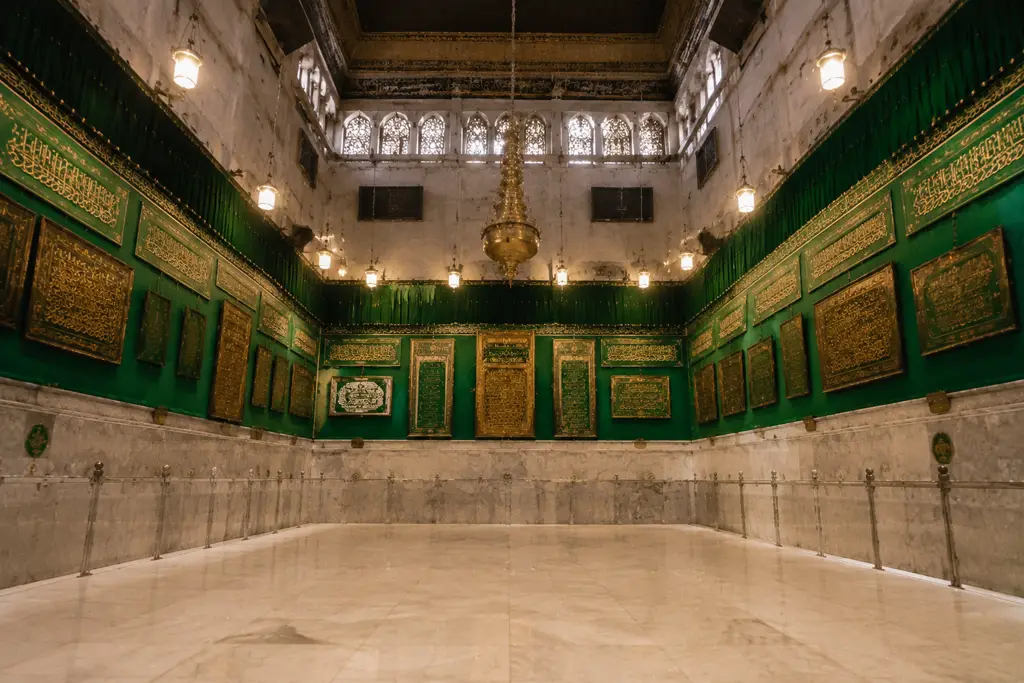
Inside the Kaaba are the plaques of the rulers:
The inside of the Kaaba contains spots that commemorate the rulers who renovated the edifice. For many years, it remained a mystery as to what the Kaaba looked like from the inside. Some lucky ones got a chance to enter and capture the images on their cameras.
The interior of the Kaaba is lined with marble and a green cloth that covers the upper walls. On the walls is a display of the souvenirs related to the rulers who reigned during that time and played a major role in the renovation of this sacred place.
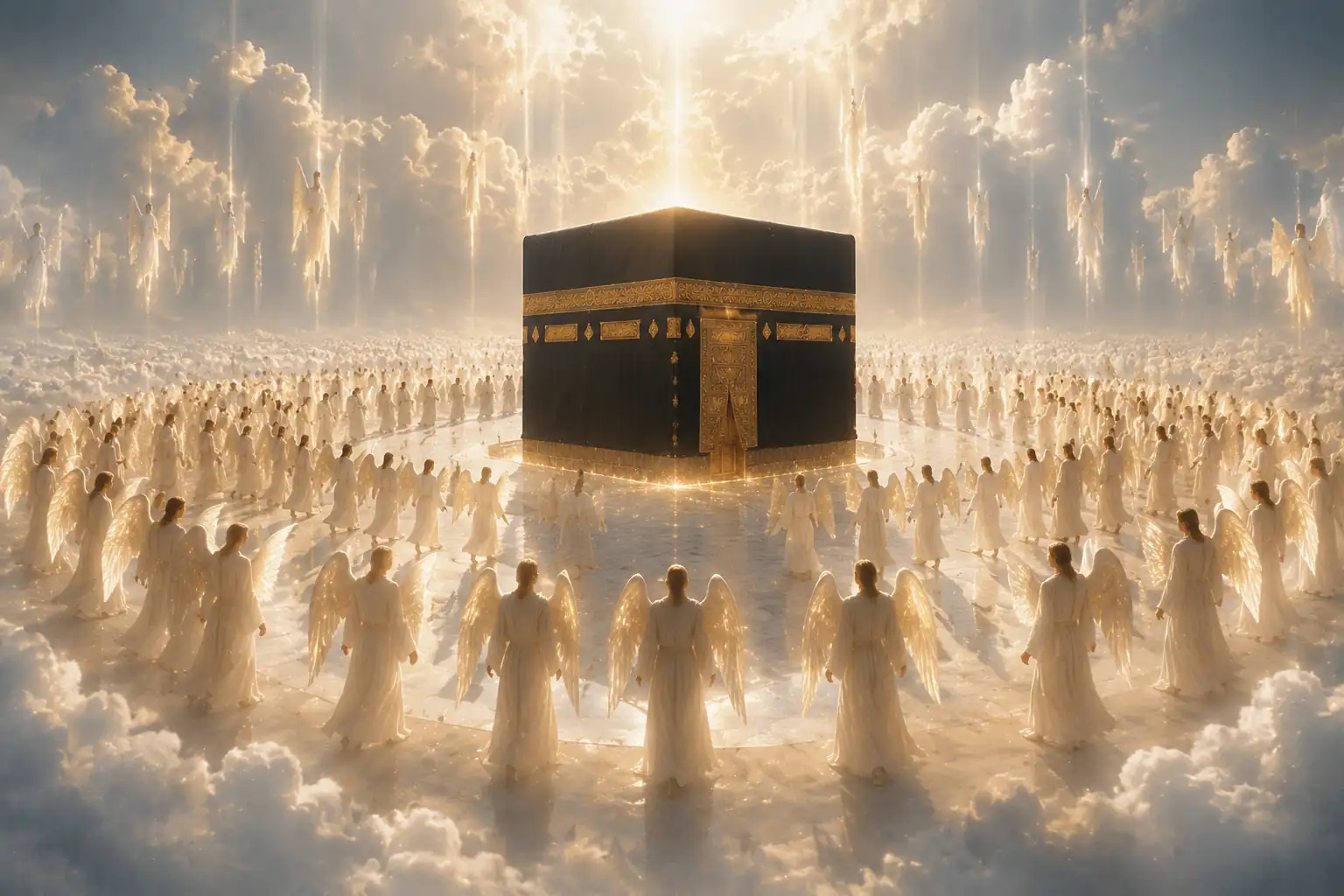
Replica of Kaaba:
The Kaaba on earth has its exact replica on the seventh heaven, where 70,000 angels pray and perform Tawaf every day.
Once they visit the Bayt-Al-Mamoor, they never get a chance to return, and a fresh batch of angels visit to perform Tawaf daily. Allah (SWT) swears by this house in the Quran. “And by the Bayt al-Mamoor.” (Quran 52:4)
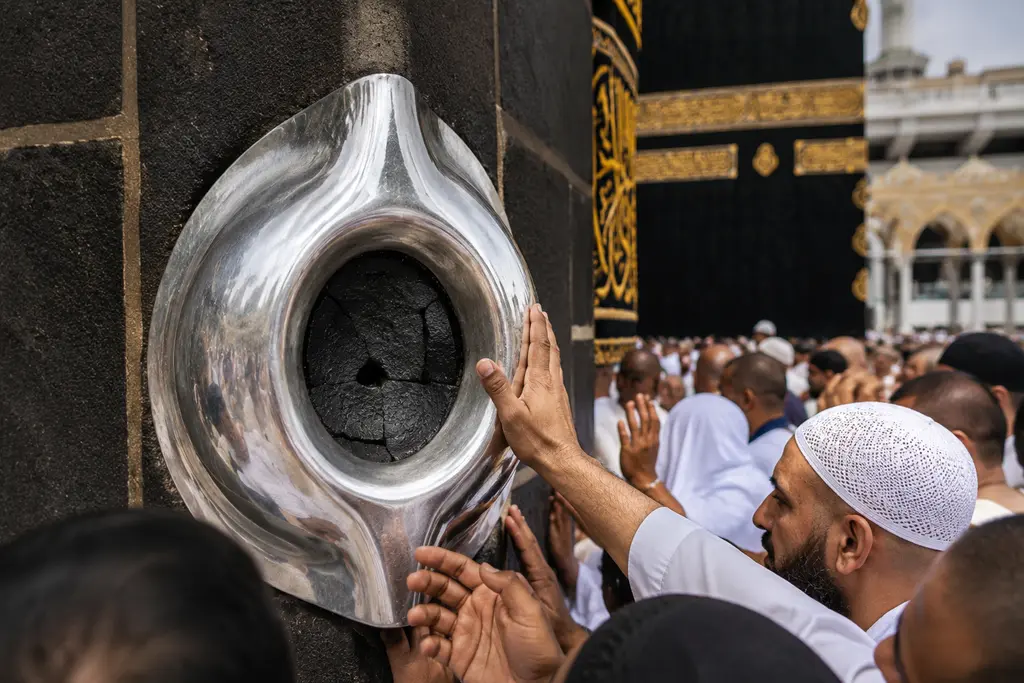
Broken Black Stone (Hajr al Aswad):
The black stone, known as Hajr al Aswad, is seen with a silver casting around it. It is said that the stone was broken in the Middle Ages by an extreme dissident Ismaili group belonging to Bahrain, which was called the Qarmatians, who said that performing Hajj was an act of superstition.
The broken pieces were enclosed in a silver casting, and some of them are still missing. It was reported that the Prophet Muhammad (PBUH), with Quraysh, placed the black stone.
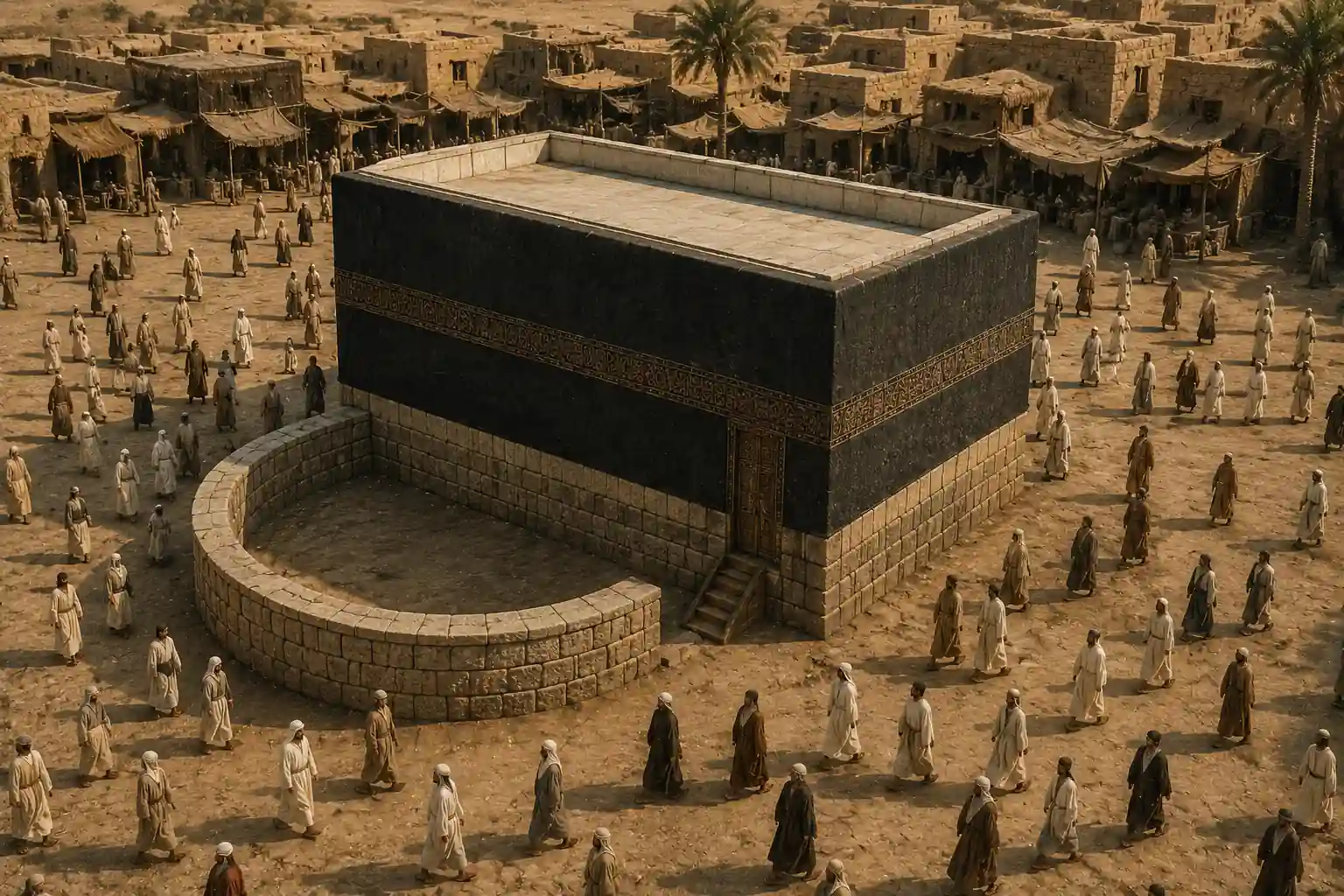
The Kaaba was not cube-shaped :
The most famous holy structure of Islam was originally in a rectangular shape. The dimensions that were originally there included the semi-circular area known as Hijr Ismail.
Our beloved Prophet Muhammad (PBUH) wished to rebuild the Kaaba during his lifetime and that too on its original foundations, but he passed away without fulfilling his wish.
While getting acquainted with the lesser-known facts about the Kaaba, one can understand the differences between now and then, while on their journey for Hajj or Umrah.
Final Wordings: Deepening Your Connection with the Sacred Kaaba
Learning about these lesser-known facts about the Kaaba doesn’t just increase knowledge; it deepens your emotional and spiritual connection with this sacred house of Allah (SWT). Every stone, every ritual, and every moment spent near the Kaaba carries centuries of history, devotion, and divine significance.
When you understand the depth behind what you see, your Umrah or Hajj experience transforms from a routine journey into something truly meaningful and reflective.
At Itimaar, we believe your pilgrimage should be more than just travel; it should be a spiritually enriching experience. That’s why we focus on providing well-planned Umrah journeys, helping you stay close to the Haram, reduce distractions, and focus fully on your ibadah. With the right guidance and preparation, your visit to the Kaaba becomes not just memorable, but life-changing
Frequently Asked Question
Why is the Kaaba important in Islam?
The Kaaba is the holiest site in Islam and the direction (Qibla) Muslims face during daily prayers.
How many times is Tawaf performed around the Kaaba?
Tawaf is performed seven times in a counterclockwise direction around the Kaaba.
What is the Black Stone (Hajr al Aswad)?
It is a sacred stone placed in the Kaaba, believed to date back to the time of Prophet Ibrahim (A.S).
Can Muslims go inside the Kaaba?
The Kaaba is opened rarely for selected guests, and most pilgrims do not enter it.
