


Best Things To Do In The First 10 Days Of Dhul-Hijjah
Importance of the First 10 Days of Dhul-Hijjah
The last month of the Islamic calendar, Dhul Hijjah, is one of the most important months in Islam that carries many virtues and blessings. It is the month of Eid-ul-Adha and the month of Hajj, which reminds us of the sacrifice of Prophet Ibrahim (AS) and his son Prophet Ismael (AS).
Every year in this month, Muslims from all over the world travel to Saudi Arabia to perform Hajj for the sake of Allah (SWT) and also celebrate Eid al-Adha by sacrificing an animal. This year, too, many Muslims have embarked on this spiritual journey of a lifetime.
However, do not be disheartened if you are not amongst those lucky ones who are going for Hajj this year. There are some special deeds and supplications that you can do during these blessed 10 days of Dhul Hijjah and earn the rewards manifold.
The virtues of the first 10 days of Dhul Hijjah are many, and it is important that we take advantage of them if we are not able to go on the pilgrimage. The sacredness of these 10 days/nights could be known by a verse of the Quran where Allah (SWT) says,
“By the Dawn; By the ten nights” [Surah Al-Fajr: 1-2]
Allah (SWT) also attaches great importance and value to these blessed nights. There is also a significant Hadith about the 10 days of Dhul Hijjah where our beloved Prophet Muhammad (pbuh) expressed its tremendous blessings:
“There are no days in which righteous deeds are more beloved to Allah than these ten days.” The people asked, “Not even Jihad for the sake of Allah?” He said, “Not even Jihad for the sake of Allah, except in the case of a man who went out, giving himself and his wealth up for the cause (of Allah), and came back with nothing.”
[Sahih Al-Bukhari]
Therefore, we should spend as much time as we can in the remembrance of Allah during these blessed days. Spend your days and nights in intensive worship and virtuous acts to make the most of this period because one has no guarantee if one would live to see the next Dhul Hijjah.
Things to do in the First 10 Days of Dhul Hijjah
Here is the list of virtuous deeds and things to do in the first 10 Days of Dhul Hijjah that will help you gain multiple rewards and the pleasure of Allah, the Almighty:
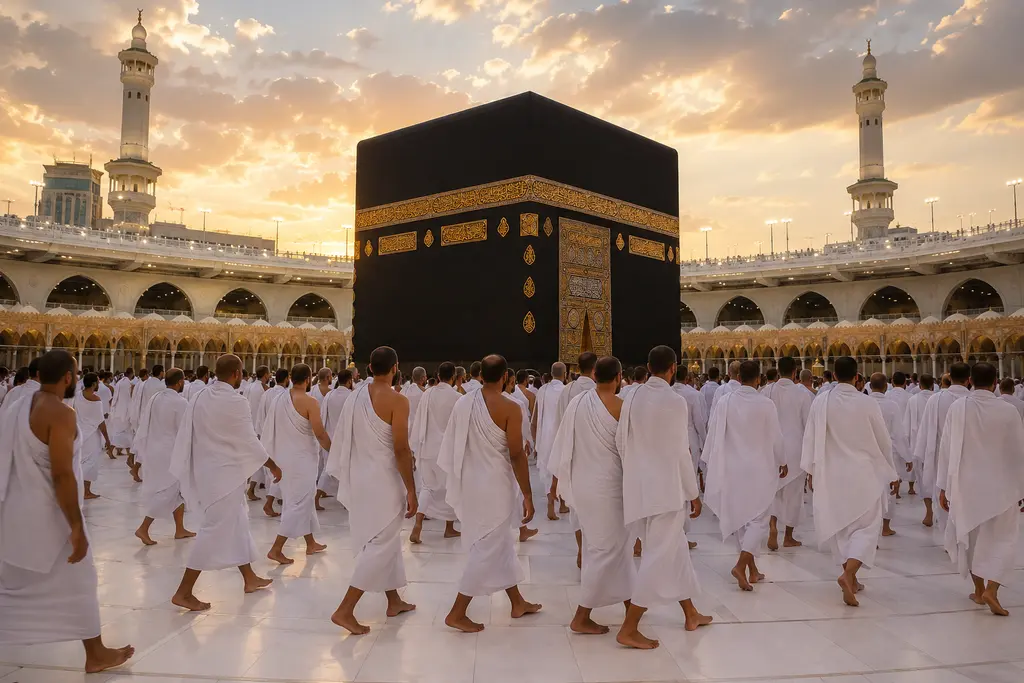
Perform Hajj and Umrah
Hajj and Umrah, undoubtedly, are the best things to do if you want to get the maximum blessings of the first 10 days of Dhul Hijjah. Every year, Hajj is performed from 8th-12th Dhul Hijjah, and millions of pilgrims gather to fulfil their obligation.
However, if you are not lucky enough to be called to the sacred Kaaba (The House of Allah), there are many more ways to earn the pleasure of Allah.
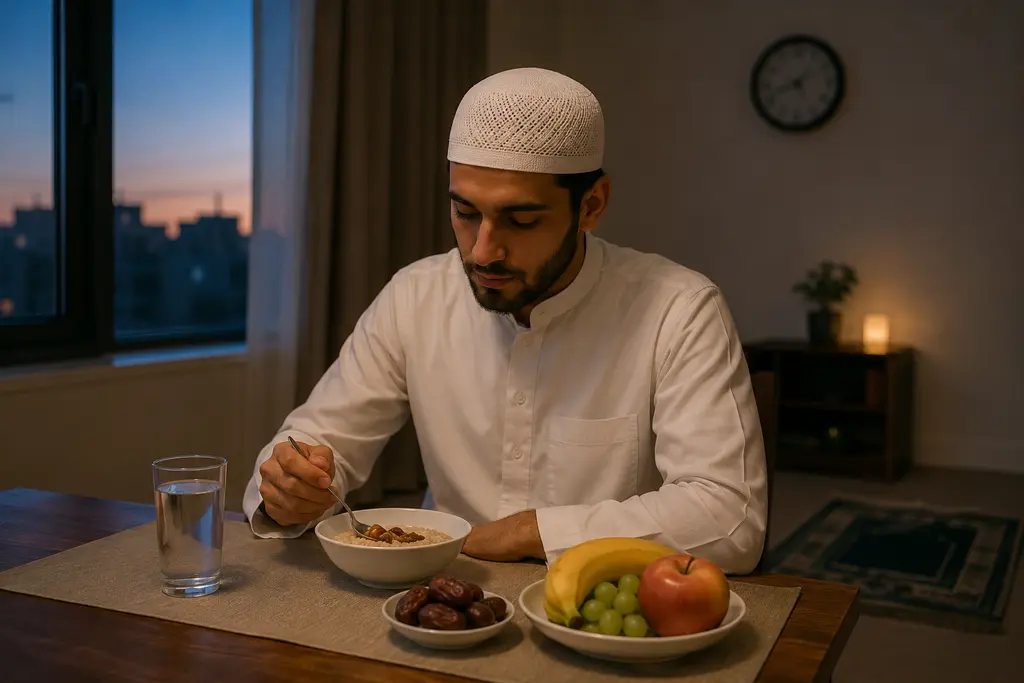
Fast in the 9 Days of Dhul Hijjah, especially on the Day of Arafah
The rewards of fasting in the first 9 days of Dhul Hijjah are many, as these are significant days for fasting. You should try to fast all nine days, but if you are unable to do so, you must fast on the Day of Arafah. The Prophet (pbuh) encouraged us to do good deeds in the first ten days of Dhul Hijjah, and fasting is counted among the best deeds.
Almighty Allah says, “All the deeds of the son of Adam are for him, except fasting, which is for Me and I shall reward for it.”’
[Sahih Al-Bukhari]
However, it is prohibited to fast on the 10th of Dhul Hijjah, which is the day of Eid ul Adha.
“The Prophet (PBUH) used to fast on the ninth of Dhul Hajj, on the day of `Ashurah, on three days of each month, and on the first two Mondays and Thursdays of each month.”
[An-Nasa’i]
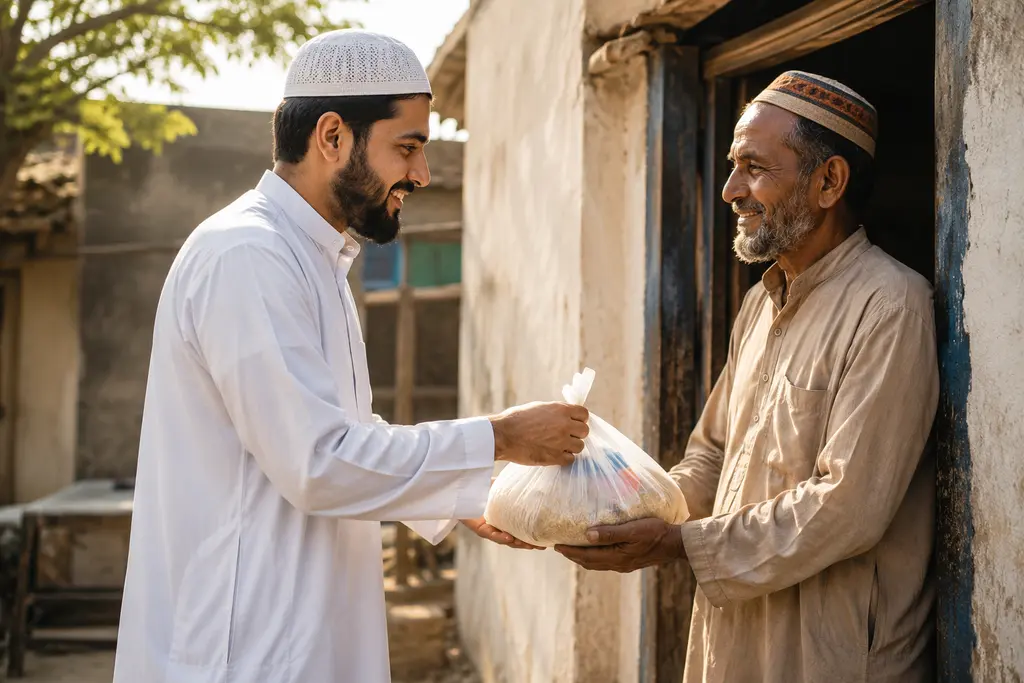
Do Charity
There are great benefits in the first 10 days of Dhul-Hijjah, so take this opportunity to give to charity and get the maximum rewards. It does not matter how much you donate, but what matters the most is a good intention.
Always remember that whoever gives in the way of Allah (SWT), He multiplies it and returns it back. Make the most of this blessed month by giving charity to the underprivileged, no matter how small the charity is.
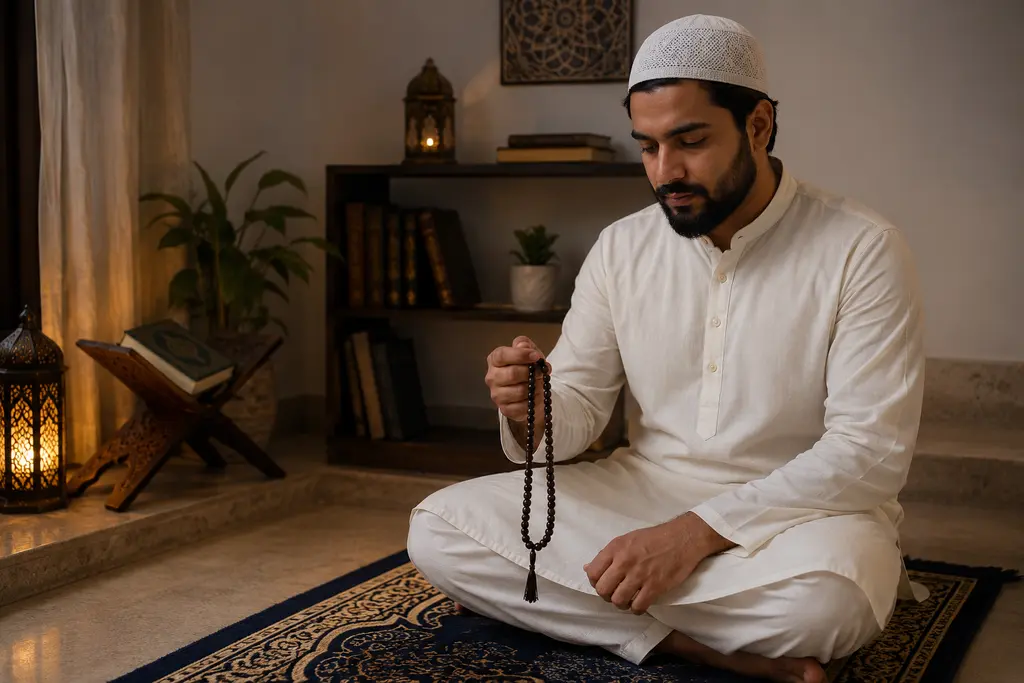
Perform Dhikr (Takbeer, Tahleel, and Tahmeed)
It is recommended to recite Takbeer (Allahu Akbar), Tahleel (Laa ilaaha illa Allah), Tahmeed (Alhamdu Lillaah) and Tasbeeh (Subhan Allah) on the first ten days of Dhul Hijjah. These should be recited abundantly in homes, streets, mosques or any other place where it is permitted to remember and glorify Allah (SWT).
The Prophet (pbuh) said: “There are no days on which good deeds are greater or more beloved to Allah than on these ten days, so recite much Tahleel (saying Laa ilaaha ill-Allah), Takbeer (saying Allahu Akbar) and Tahmeed (saying Alhamdu Lillaah).”
[Musnad-Ahmad]
Make Sincere Repentance
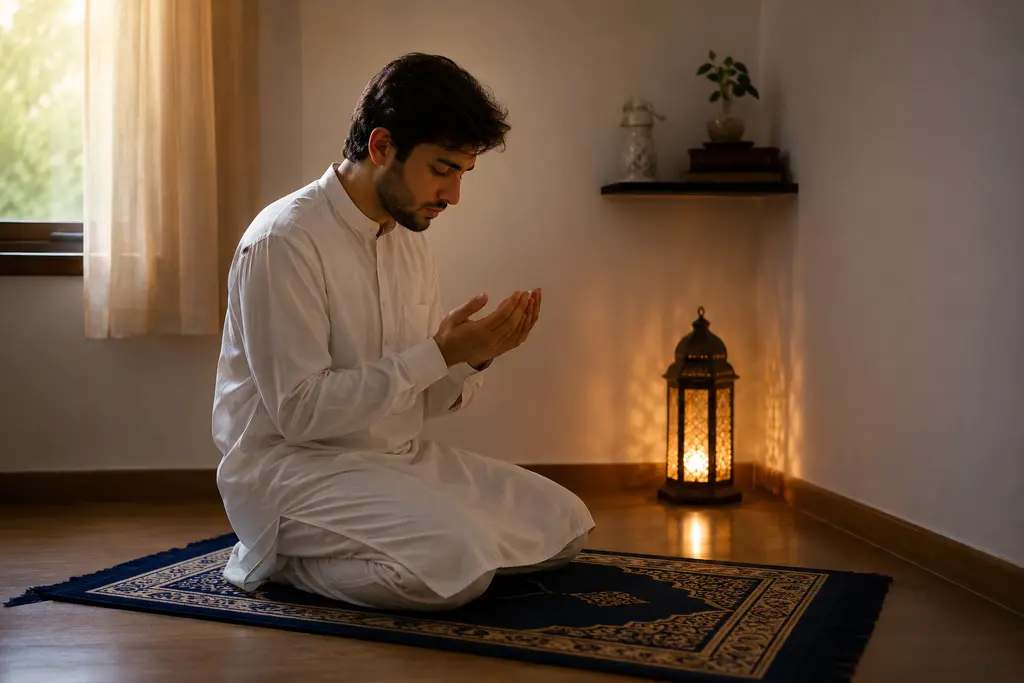
Allah (SWT) loves those who repent to him sincerely in complete submission. The act of sincere repentance with an intention to never return back to disobedience is extremely dear to Him.
Repentance is one of the most rewarding things to do in the first 10 days of Dhul Hijjah. Return to Allah by repenting for your past sins and giving up all the deeds that Allah dislikes. Be regretful about your sins, resolve never to return to the old path and adhere firmly to the path that Allah (SWT) likes.
Spend the Night in Prayers
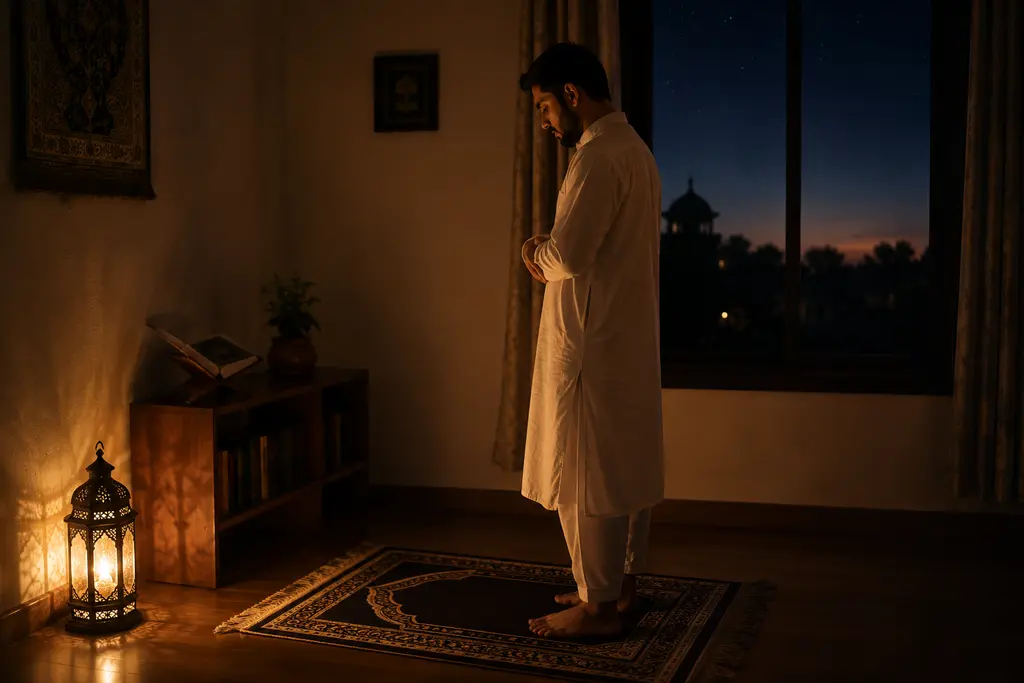
It is a great time to seek forgiveness and blessings from Allah (SWT). To humble oneself in supplication and worship during the latter part of the night is very beloved to Allah (SWT). He calls out to His servants in the latter part of the night, saying,
“Is there anyone to invoke Me, so that I may respond to his invocation? Is there anyone to ask Me, so that I may grant him his request? Is there anyone seeking My forgiveness, so that I may forgive him?”
(Bukhaari, Muslim)
We should seize this opportunity and ask for His mercy and blessings by supplicating to Him as taught by our Prophet (pbuh),
“Our Lord, bless us with the best of this world and the best of the hereafter and save us from the fire of Hell.”
Return to the Book of Allah
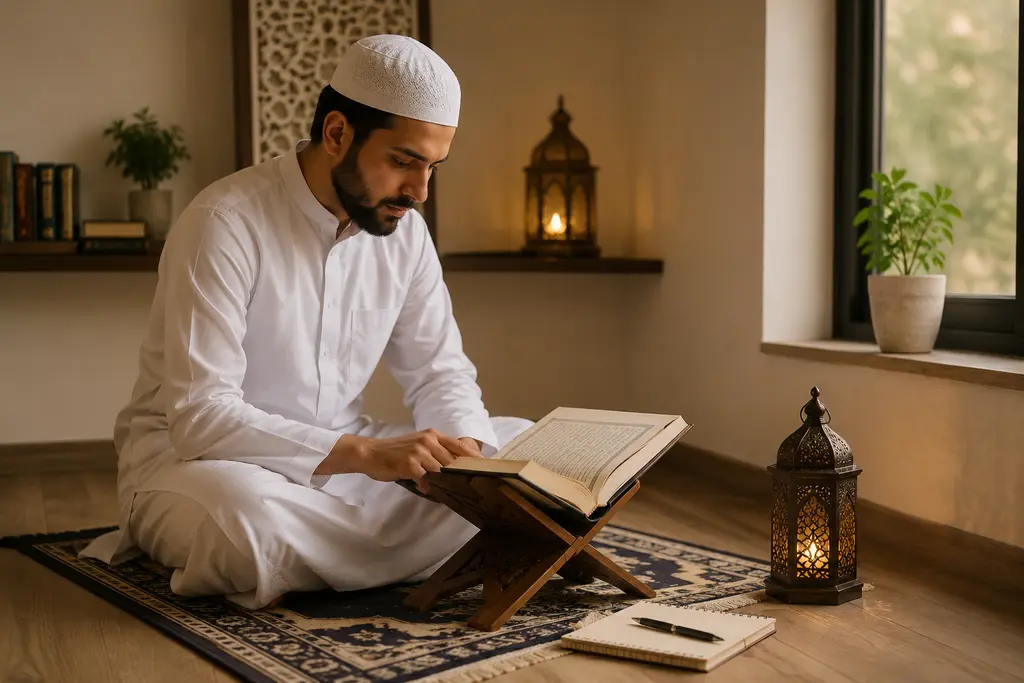
It is time to return to the source of knowledge, the Quran and establish a close relationship with the book. Recite the verses, understand their meaning and try to implement the message in your life.
Many of us don’t understand the significance of this occasion and the importance of the first 10 days of Dhul-Hijjah. Read the story of Prophet Ibrahim (AS) to remind yourself about his sacrifice. Try to understand the importance of this sacrifice and why we slaughter animals on Eid al-Adha.
Increase in Doing Good Deeds
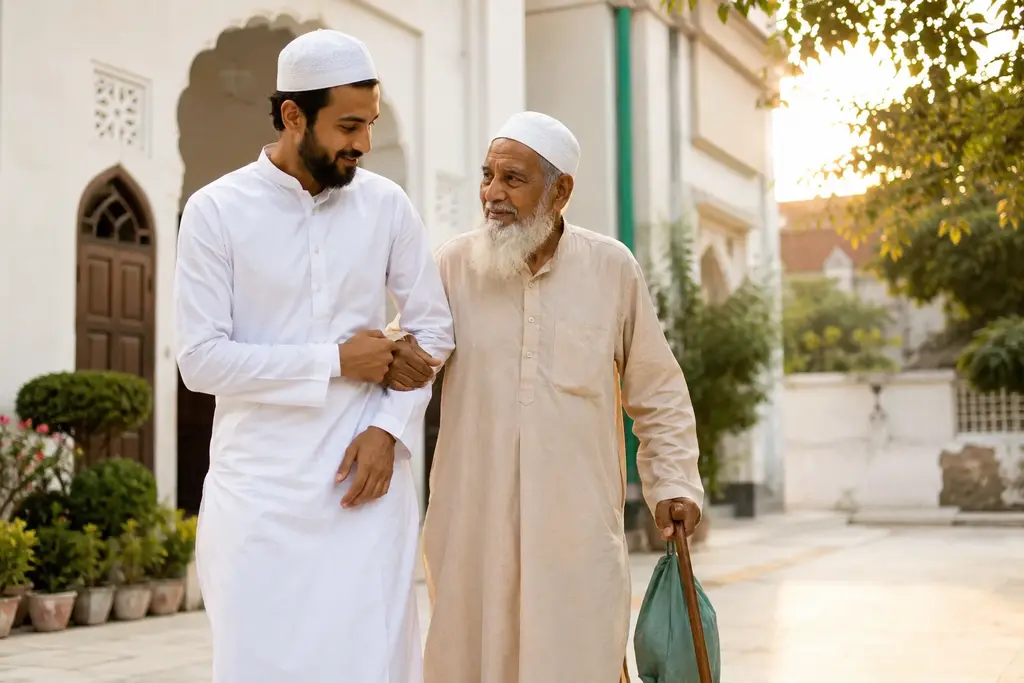
If you are not able to perform Hajj this year, it is important that you spend these blessed days doing good deeds to earn the pleasure of Allah (SWT). Every good deed performed with the intention of gaining rewards from the Almighty will bring one closer to Him.
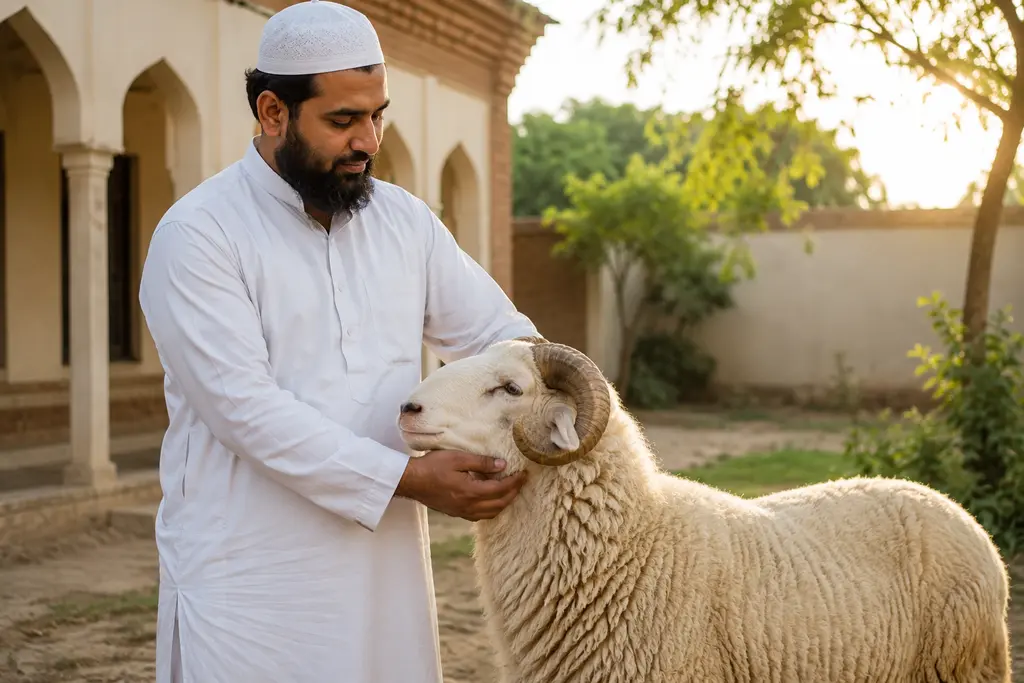
Sacrifice an Animal and Distribute the Meat
Offering a Qurbani (sacrifice) of a livestock animal is the Sunnah of Prophet Ibrahim (AS). It is a way to get closer to Allah (SWT). It is obligatory on every Muslim who can afford to offer a sacrifice (wealth equal to or more than Nisab) on the days of sacrifice, i.e. 10th, 11th, and 12th Dhul Hijjah. It is the sacred act that can only be performed on these days of Dhul Hijjah, regarding which Allah (SWT) says,
“It is not their meat, nor their blood, that reaches Allah; it is their piety that reaches Allah.”
[Surah Al-Haj:37]
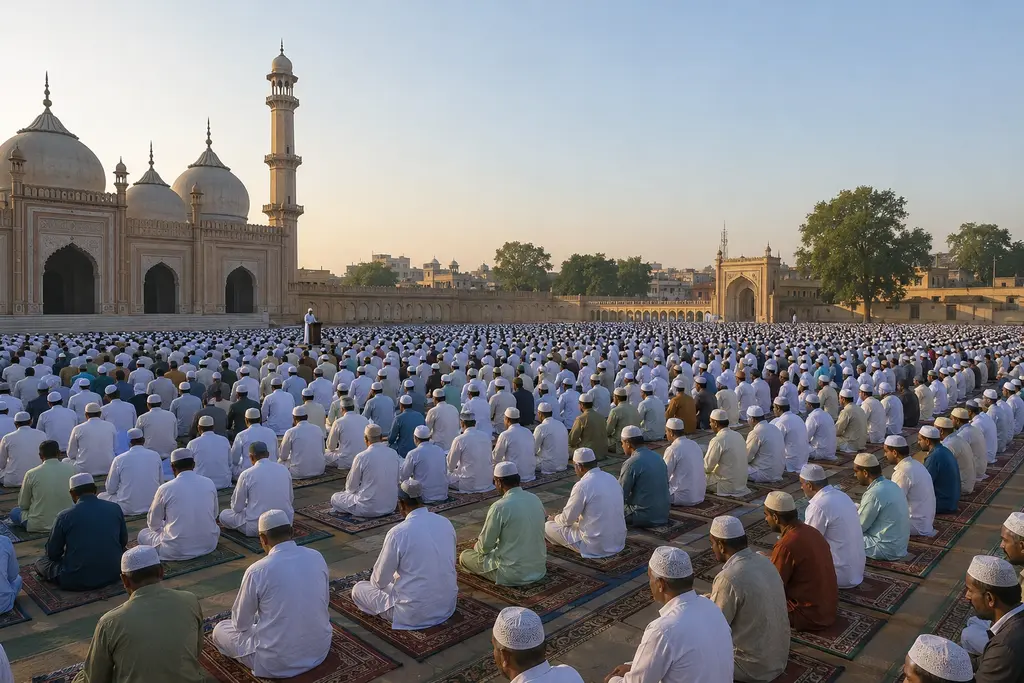
Attend Eid Prayers
Attending Eid prayers at the Eidgaah is a Sunnah from the Prophet (PBUH), and we should follow this Sunnah, performing it in accordance with the teachings of the Prophet (PBUH). It is a time of joy and we should share this happiness with not only our loved ones but also those who are not fortunate enough to celebrate this occasion. Remember to distribute the meat to the unprivileged and poor people.
Final Wordings: Make The Most Of The Blessed First 10 Days Of Dhul-Hijjah
The first 10 days of Dhul-Hijjah are among the most sacred and rewarding days. These days are profound opportunities to seek forgiveness, increase ibadah, reflect and strengthen your connection with Allah (SWT).
Whether through fasting, dhikr, charity, Qur’an recitation or sincere repentance, every good deed performed during the days of Dhul-Hijjah carries immense rewards and blessings.
At Itimaar, we encourage Muslims to make the most of these spiritually uplifting days through sincere worship, reflection and preparation for sacred journeys like Hajj and Umrah. May Allah (SWT) accept our worship, forgive our shortcomings and allow us to witness many more blessed Dhul-Hijjahs.
Frequently Asked Questions
Why are the first 10 days of Dhul-Hijjah important in Islam?
The first 10 days of Dhul-Hijjah are among the most blessed days in Islam. Allah (SWT) swears by these days in the Qur’an, and the Prophet Muhammad (PBUH) said that righteous deeds performed during these days are more beloved to Allah than on any other days of the year.
What are the best deeds to do in the first 10 days of Dhul-Hijjah?
Some of the best deeds include fasting, especially on the Day of Arafah, performing dhikr, giving charity, reading the Qur’an, making sincere repentance, praying Tahajjud, offering Qurbani and increasing all forms of worship and good deeds.
Is fasting all 10 days of Dhul-Hijjah compulsory?
No, fasting during the first nine days of Dhul-Hijjah is not compulsory but highly recommended. Fasting on the Day of Arafah (9th Dhul-Hijjah) carries immense rewards and expiates sins of the previous and coming year for those not performing Hajj.
Can people not performing Hajj still benefit from the first 10 days of Dhul-Hijjah?
Yes, absolutely. Muslims who are not performing Hajj can still gain immense rewards by fasting, making dhikr, giving charity, reading Qur’an, offering Qurbani and increasing sincere worship during these blessed days.
