


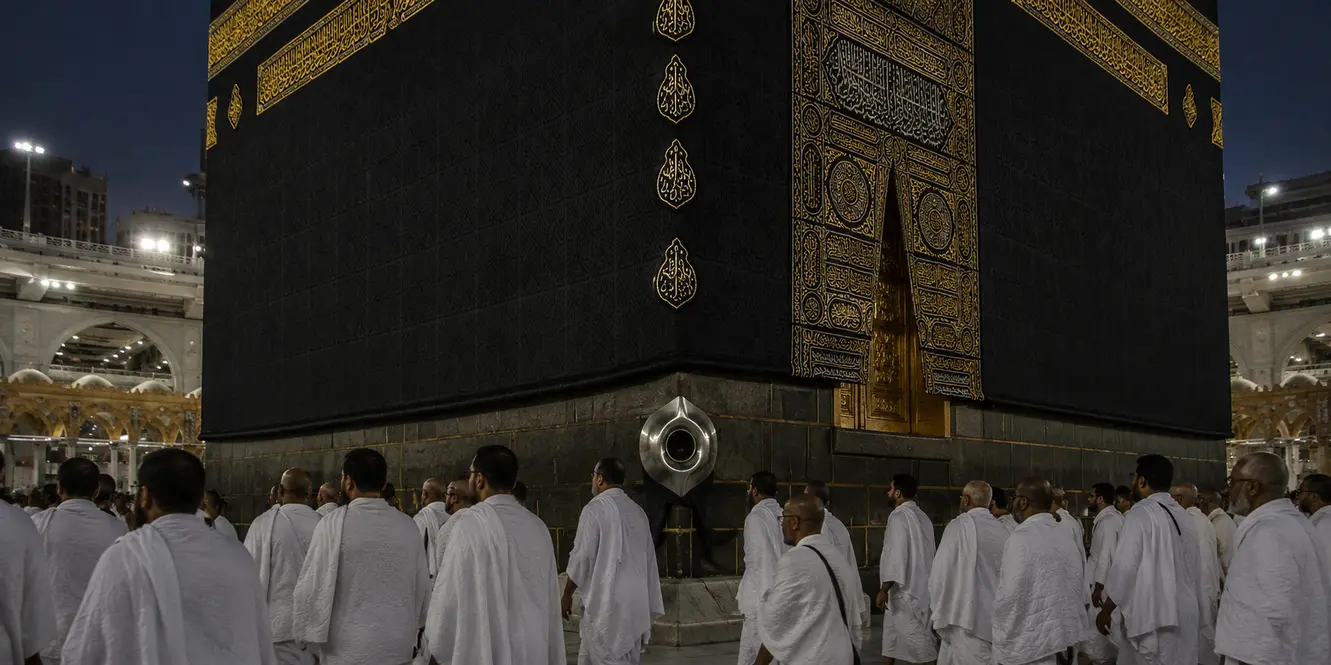
The Black Stone (Hajar al-Aswad): History and Etiquette
What Is the Black Stone (Hajar al-Aswad)?
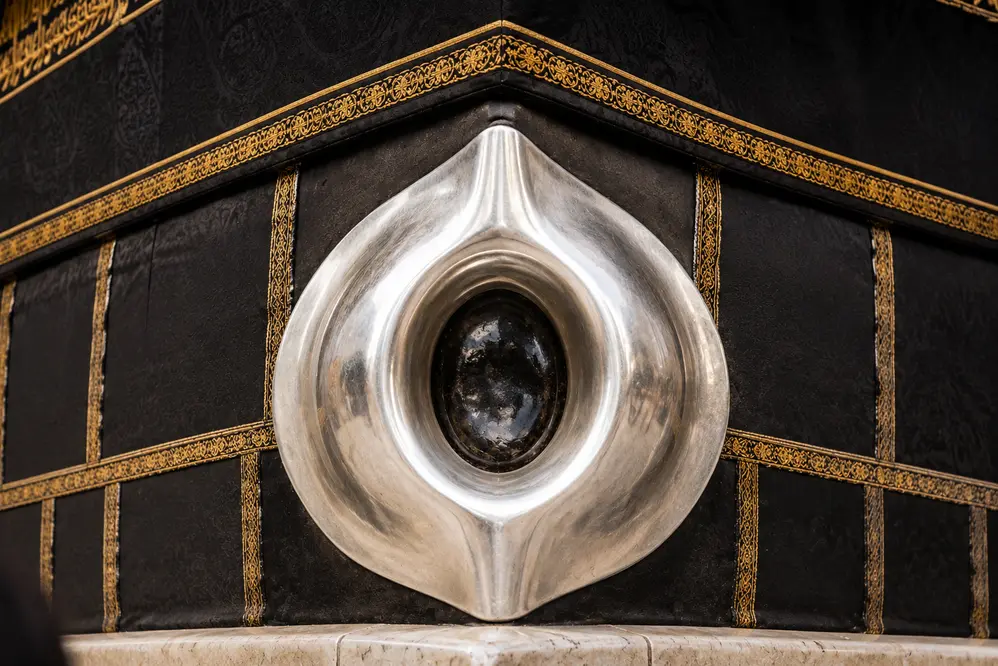
Anyone who has been to Makkah for the sacred journey of Hajj and Umrah has likely seen the revered Black Stone (Hajar al-Aswad), embedded in the eastern corner of the Ka'bah. The Black Stone holds a deeply emotional and spiritual significance, and according to authentic hadith, the stone came down from Paradise.
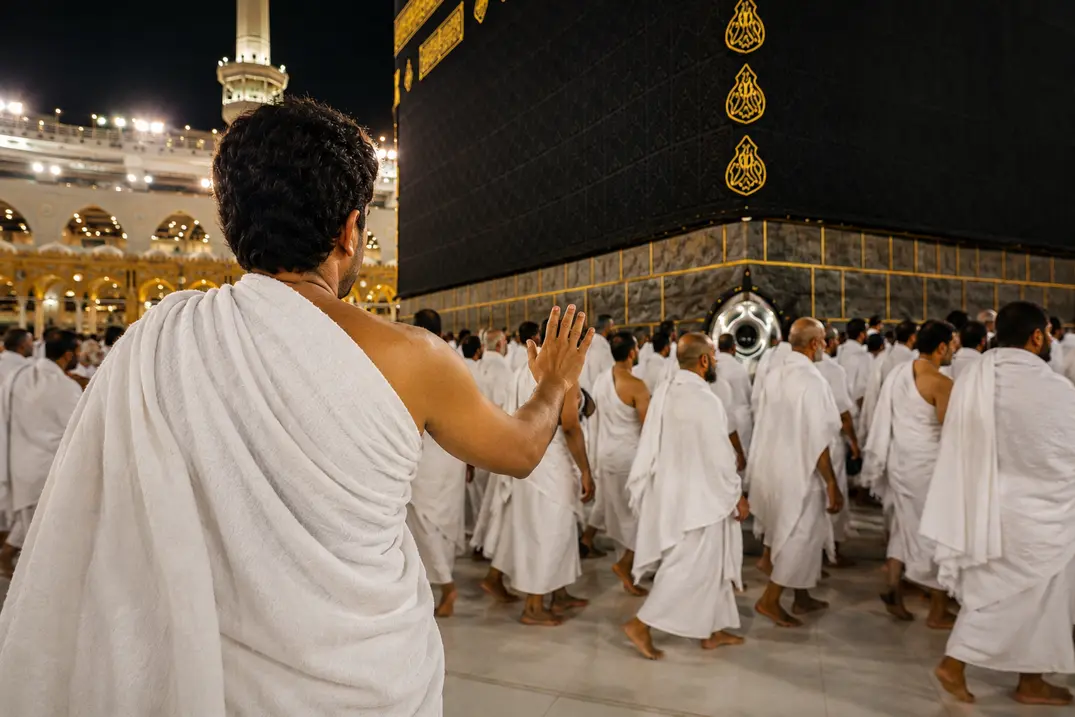
Touching, kissing or pointing to Hajar al-Aswad during Tawaf is Sunnah and a symbolic act of obedience and connection to Allah (SWT). Whether you are visiting Makkah for the first time or returning for another Hajj or Umrah, understanding the virtues, history and etiquette of engaging with Hajar al-Aswad will greatly enrich your spiritual experience.
This guide explains everything about the Black stone (Hajar al-aswad), from its history, virtues and etiquettes to help you approach this sacred relic with knowledge, respect, and spiritual awareness.
History and Virtues of Hajar al-Aswad in Islam
The History of Hajar al-Aswad
Hajar al-Aswad is not an ordinary stone; It is a stone from the Jannah (Paradise) and was originally white, whiter than milk, but it turned black due to the sins of the people who touched it. According to authentic hadith:
The Prophet Muhammad (PBUH) said:
"The Black Stone descended from the Paradise, and it was more white than milk, then it was blackened by the sins of the children of Adam."
Grade: Hasan (Darussalam)
Jami`at-Tirmidhi 877
Hajar al-Aswad was placed in its current position by Prophet Ibrahim (PBUH) with his son Ismail (PBUH), when they built Ka'bah as the place of worship following the command of Allah (SWT). Over the centuries, the stone has silently witnessed the devotion of humankind; its surface worn smooth by the countless hands and lips that have touched it in reverence.
About 600 CE, the Quraysh tribe decided to rebuild the Ka'bah and gather funds for it, but there was a dispute about who would have the honour of placing Hajar al-Aswad. This incident was before the Prophethood of Muhammad (PBUH), but still, he was known for his wisdom and fairness.
The Prophet Muhammad (PBUH) resolved the matter by placing the black stone on a cloth and asking representatives of each tribe to lift it together, and then he himself positioned Hajar al-Aswad.
The Virtue of the Black Stone (Hajar al-Aswad)
Hajar al-Aswad has a special place in Islamic tradition, not as an object of worship, but as a symbol of divine connection and devotion.
The Messenger of Allah (PBUH) said about the (Black) Stone:
“By Allah, Allah will bring it forth on the Day of Resurrection and it will have two eyes with which it will see and a tongue with which it will speak, and it will testify for those who touched it in sincerity.”
(Tirmidhi, 961; Ibn Majah, 2944)
Touching or kissing Hajar al-Aswad is an act of Sunnah, but it is not obligatory for your Tawaf to be considered valid. If due to huge crowds or busy environment, you can't touch or kiss the black stone, then simply point towards it and say "Allahu-Akbar".
According to a Hadith narrated by Ibn Abbas (RA):
"Allah's Messenger (ﷺ) performed Tawaf (of the Ka`ba) riding a camel (at that time the Prophet (ﷺ) had a foot injury). Whenever he came to the Corner (having the Black Stone) he would point out towards it with a thing in his hand and say, "Allahu-Akbar."
(Sahih al-Bukhari 1632)
Correct Etiquette at the Black Stone
When approaching Hajar al-Aswad during Tawaf, it's essential to maintain proper etiquette and avoid causing inconvenience to others. Below are tips to help you interact with the Black Stone properly:
Do Not Push or Hurt Others
We all know that the holy Ka'bah is often surrounded by huge crowds, especially during Hajj and peak seasons. Islam teaches us not to harm others and to be kind and humble. If you can't reach the Black Stone without pushing or harming others, it's better to simply point towards it while saying "Bismillah, Allahu Akbar".
Sunnah of Kissing
If you can easily reach the stone, you may kiss it lightly; this was the practice of our beloved Prophet Muhammad (PBUH).
"Umar came near the Black Stone and kissed it and said "No doubt, I know that you are a stone and can neither benefit anyone nor harm anyone. Had I not seen Allah's Messenger (ﷺ) kissing you I would not have kissed you."
(Sahih al-Bukhari 1597)
Touch or Point
If you are unable to kiss it due to the huge crowd, simply touch it with your hand and kiss your hand. If even touching is not possible, point at it from afar at each circuit while saying Allahu Akbar.
Stay Humble
Avoid pushing, causing harm to others or clinging to the stone for long. Keep in mind that it's not the black stone that forgives sins; It's our lord Allah (SWT). Hajar al-Aswad is a means of following the Sunnah, not an idol to worship.
Quick Helpful Tips For Pilgrims
- Approach the black stone during late night or early morning, which are less crowded times.
- Keep patience and don't rush or hurt others. Your sincerity matters the most.
- Keep your belongings and valuables secure and focus on your Ibadah.
- Make du’a as you approach, but don’t recite loud or long supplications at the expense of others.
Final Wordings: Follow The Sunnah, Not The Crowd
The Black Stone (Hajar al-Aswad) is a symbol of our connection to the sacred Ka'bah and our obedience to our Prophet Muhammad (PBUH). You should approach it with patience, humility, respect and reflection that Islam teaches.
At Itimaar, we guide you not just to Makkah and Madinah, but to the knowledge and etiquette that make your Umrah or Hajj spiritually meaningful. From planning your journey to providing complete guidance, we stand by you every step of the way.
Frequently Asked Questions
What is the Black Stone in the Kaaba?
The Black Stone, known as Hajar al-Aswad, is a sacred stone fixed in the eastern corner of the Kaaba in Makkah. According to Islamic tradition, it came down from Paradise and holds special importance during Tawaf. Muslims do not worship the Black Stone; they honour it by following the Sunnah of Prophet Muhammad (PBUH).
Why do Muslims kiss the Black Stone?
Muslims kiss the Black Stone because Prophet Muhammad (PBUH) kissed it, making it an act of Sunnah during Tawaf. It is not done because the stone has power to benefit or harm. If a pilgrim cannot kiss it safely, they may touch it or simply point towards it while saying “Allahu Akbar.”
Is it compulsory to touch or kiss Hajar al-Aswad during Tawaf?
No, touching or kissing Hajar al-Aswad is not compulsory for Tawaf to be valid. It is Sunnah if it can be done safely without pushing, harming, or disturbing others. If the area is crowded, pilgrims should point towards the Black Stone and say “Allahu Akbar” instead.
What is the correct etiquette for approaching the Black Stone?
The correct etiquette is to approach the Black Stone with patience, humility, and respect. Pilgrims should not push, argue, block others, or cause harm. If reaching the stone is difficult, pointing from a distance is enough. The focus should remain on worship, sincerity, and following the Sunnah.
