


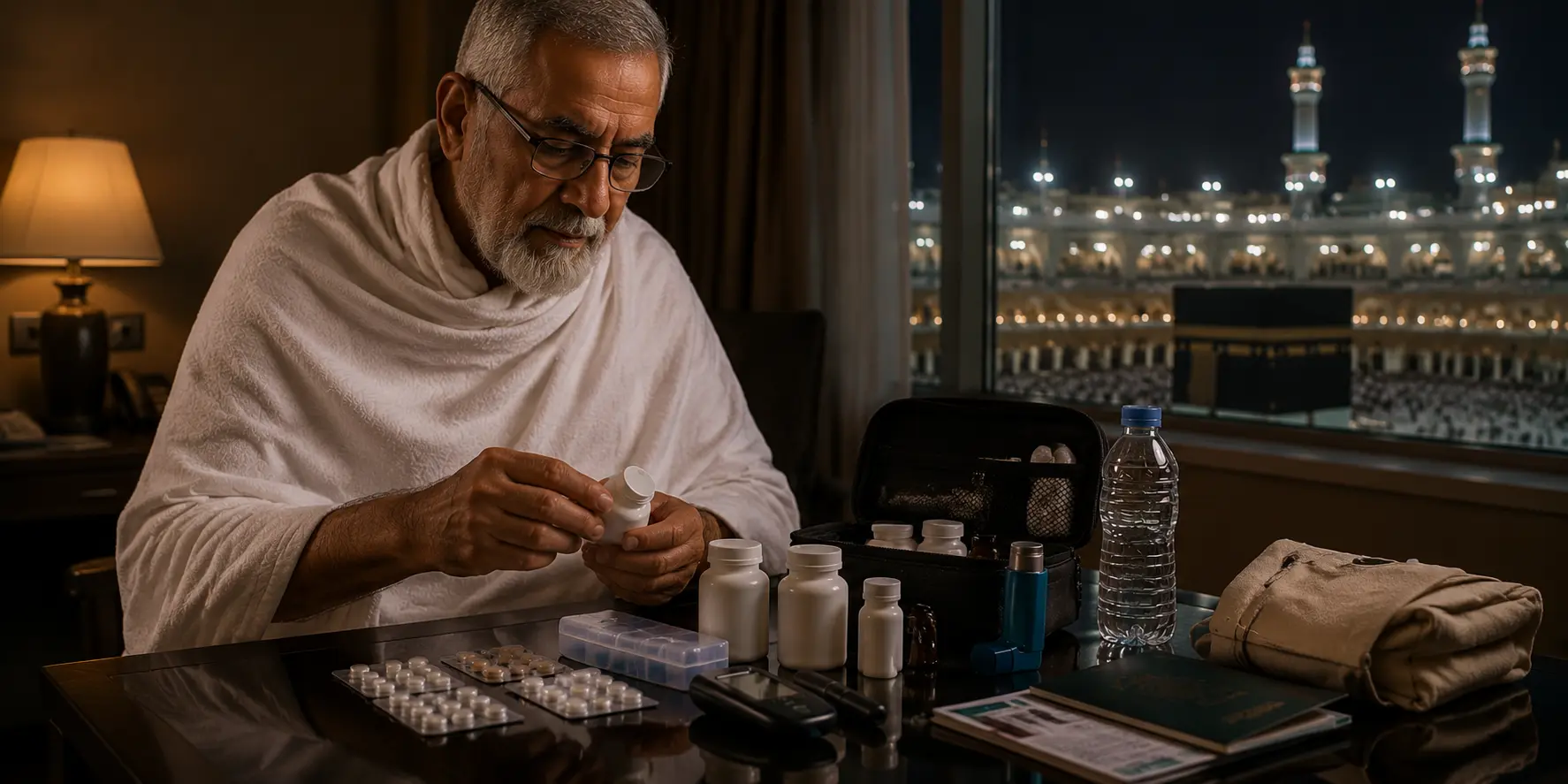
Health Tips for Pilgrims with Chronic Illnesses
Essential Health Tips for Pilgrims with Chronic Illnesses During Hajj and Umrah
Hajj and Umrah are sacred journeys of the heart and soul, but for pilgrims with chronic illnesses and health conditions, these journeys are also about careful preparation. With intense heat, huge crowds, physical exertion and travel logistics, the spiritual journeys can be really challenging, especially for pilgrims with chronic illnesses.
Whether you are managing diabetes, suffering from health conditions, asthma or other chronic diseases, embarking on Hajj and Umrah demands a thoughtful and proactive approach to ensure your journey is safe, comfortable, meaningful and spiritually enriching.
Essential Health Tips for Pilgrims with Chronic Illnesses During Hajj and Umrah
In this blog, we have shared health tips for pilgrims with chronic illnesses, so they can stay healthy during Hajj and Umrah.
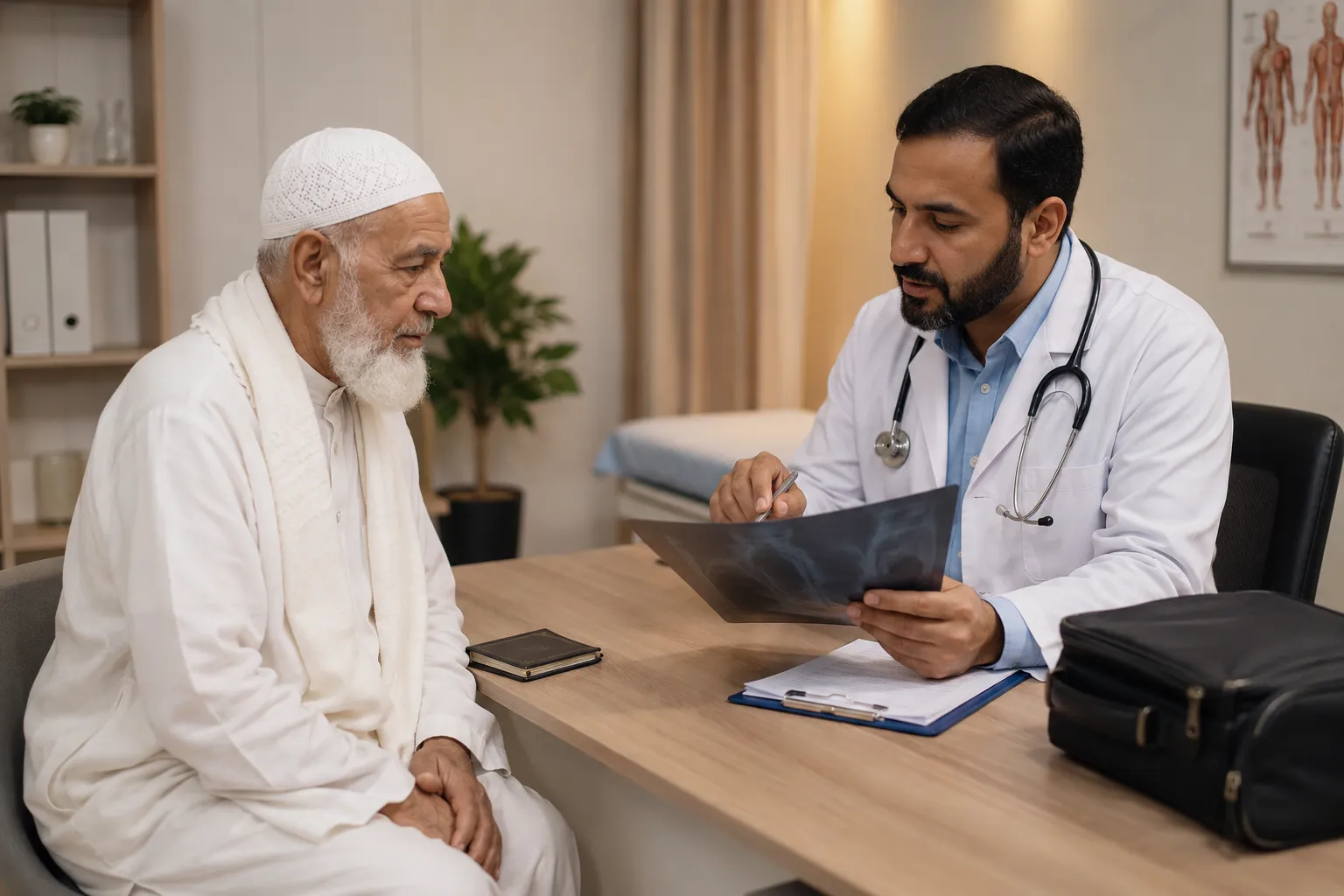
Consult Your Doctor Well In Advance
One of the first and most important steps for pilgrims with chronic illness is to have a comprehensive medical check-up. Schedule your appointment with your doctor at least 6-8 weeks before your departure. Here's what you should discuss:
- Whether you are fit for travel and for demanding activities such as long walking, prolonged standing, and navigating crowded spaces.
- Any changes needed to your medication schedule?
- For cardiac and respiratory patients, you should always know about the vaccination requirements.
- Always carry your medical documents.
Tip: Ask for extra meds, a written medical report, and backups like insulin, heart pills, or inhalers.
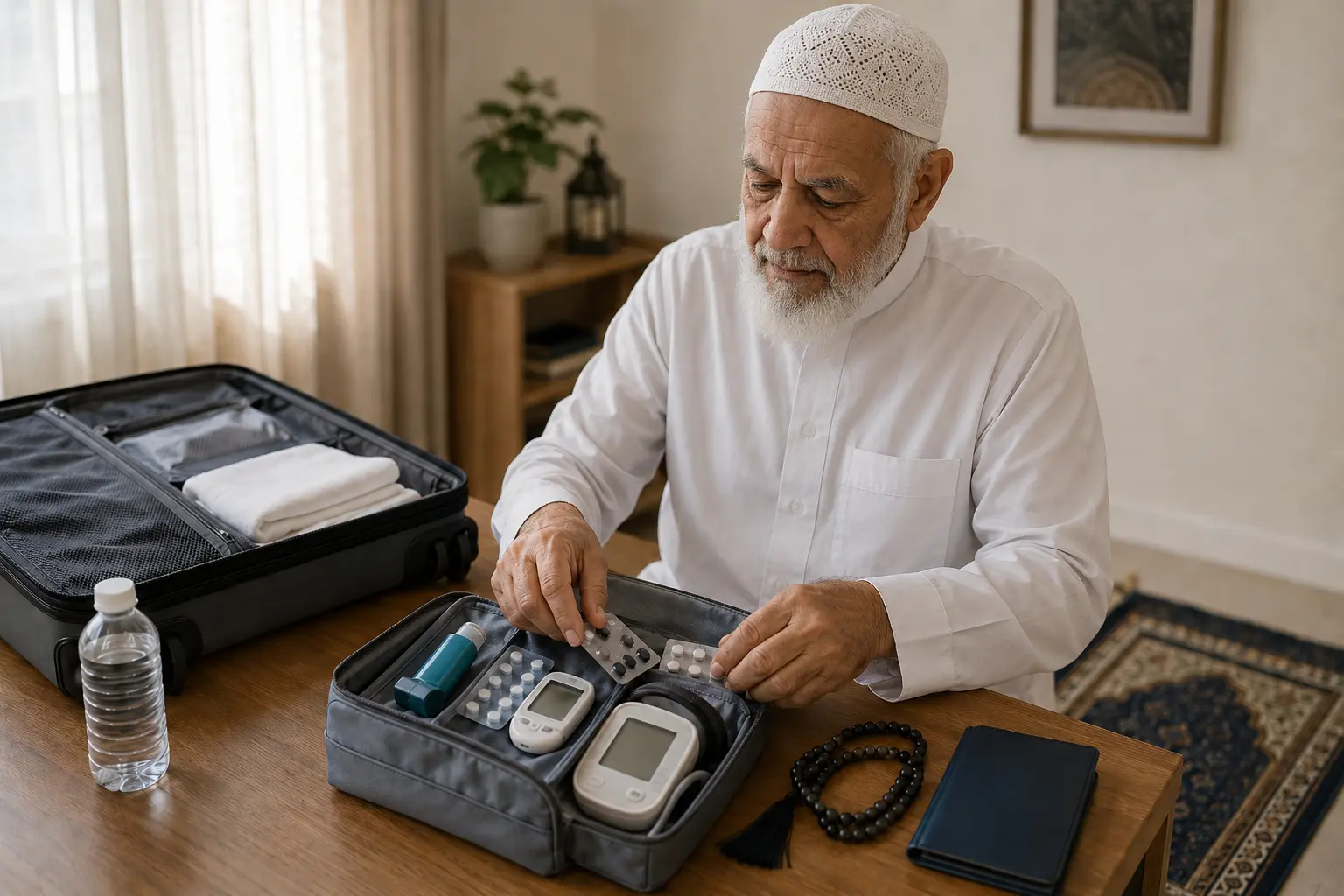
Pack a Personalised Health Kit
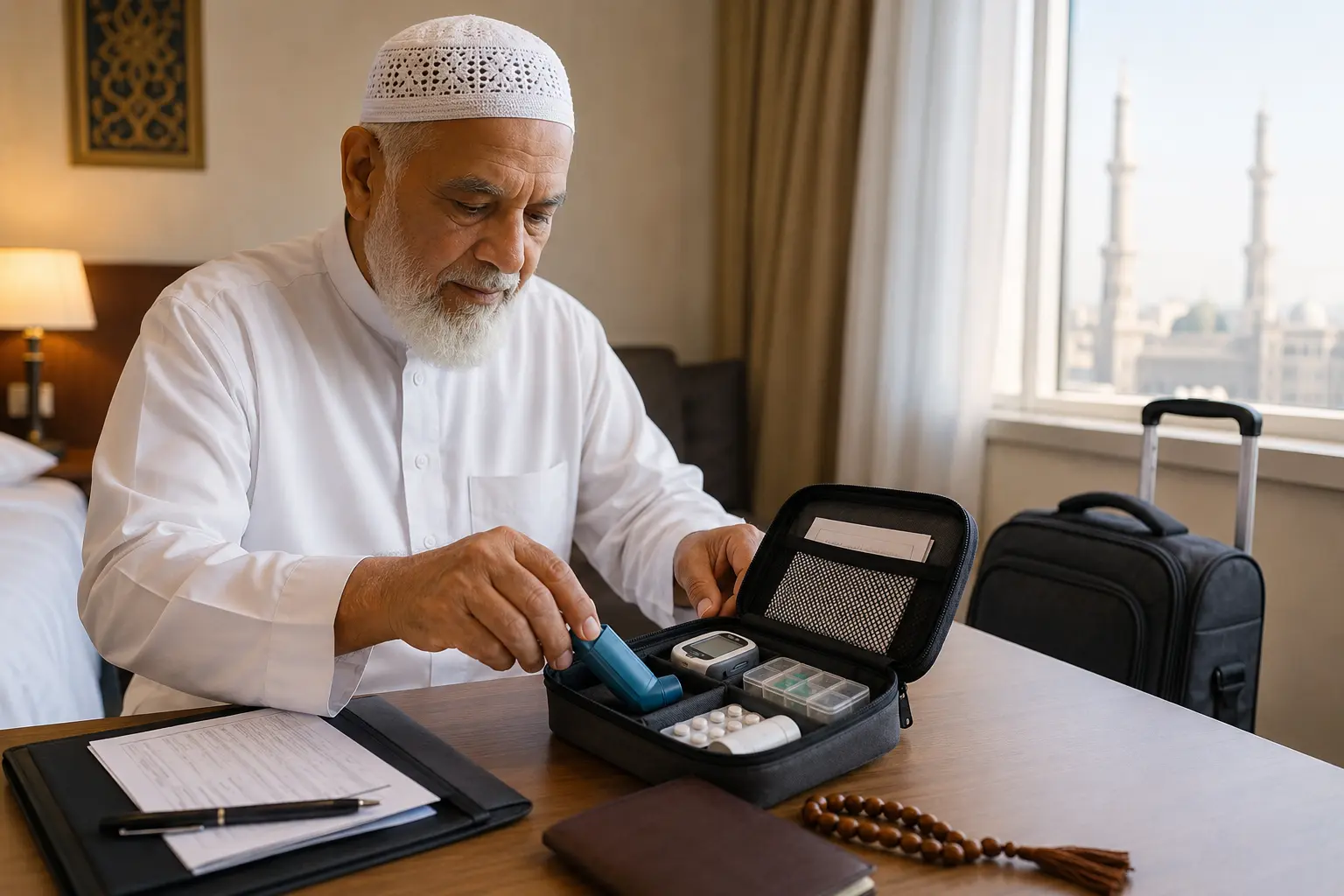
Every pilgrim should carry a basic first-aid kit, but pilgrims with chronic illnesses should have a tailored kit with all their medications and prescriptions. Here's what the kit should include:
- Enough medications to last your entire trip.
- Backup prescriptions digitally in case of loss or theft.
- BP monitor, Glucometer and inhaler must be in your kit
- Insulin pouches, cooling gel packs and other essentials
Make sure your medicines have clear labels, and you store them following the rules set by airlines and Saudi customs.
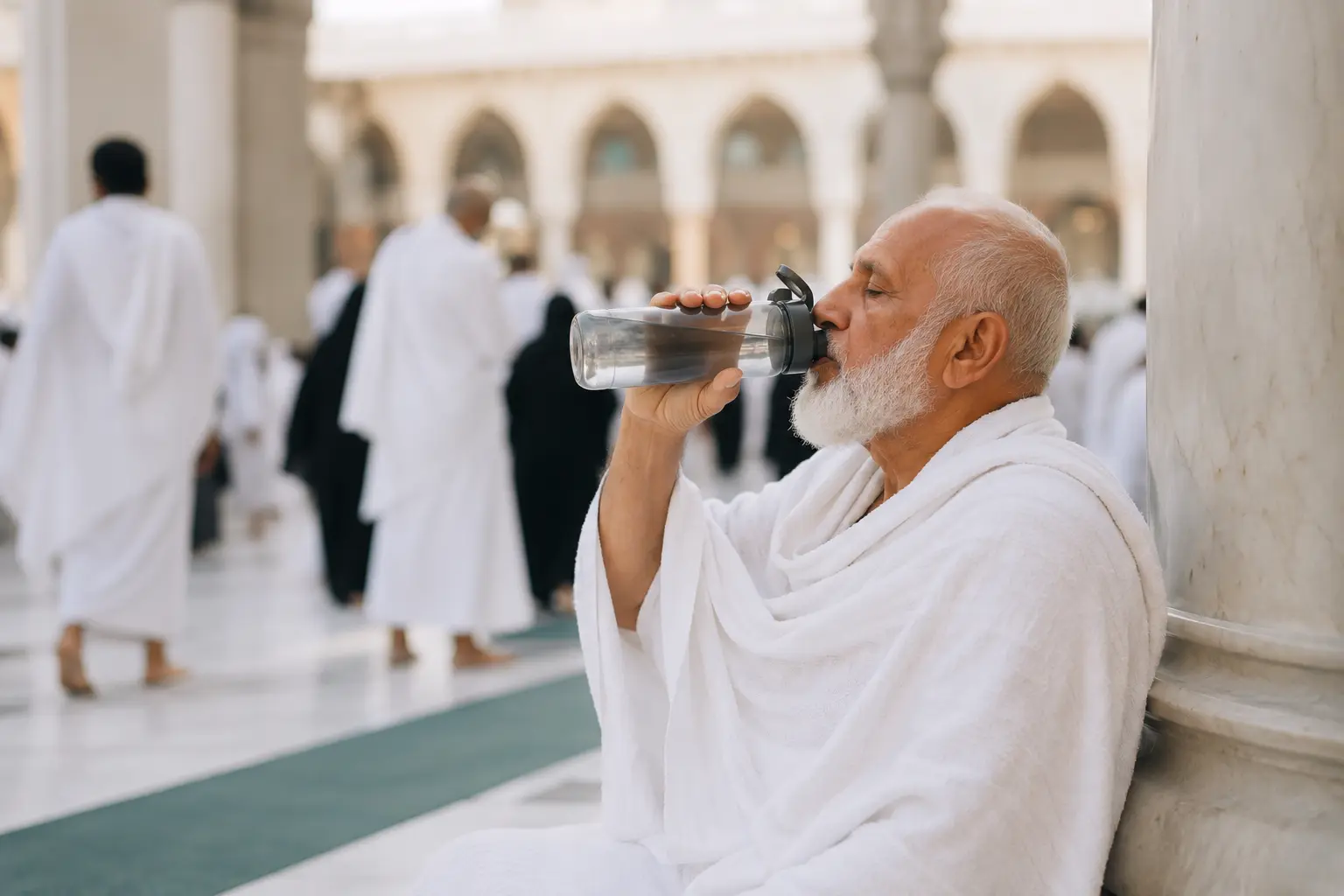
Stay Hydrated, Especially in the Heat
During the Hajj season, Saudi Arabia's climate becomes extremely hot and dry with heat waves all over the mosques. To fight this intense heat, you should drink plenty of fluids and keep yourself hydrated. Dehydration can lead to fatigue and blood sugar imbalances. To stay hydrated:
- Avoid sugary or excessive caffeine drinks for the sake of energy.
- Carry an umbrella and a refillable water bottle. Drink plenty of water daily, especially during rituals.
- You can take oral rehydration salts (ORS) if recommended by your doctor.
Important: Kidney patients or those on fluid restrictions should stick to a hydration plan approved by their nephrologist.
Source:
With rising temperatures, please avoid direct sunlight exposure for your safety.#Hajj1447AH pic.twitter.com/7qswHV3hkd
— Ministry of Hajj and Umrah (@MoHU_En) May 21, 2026
">
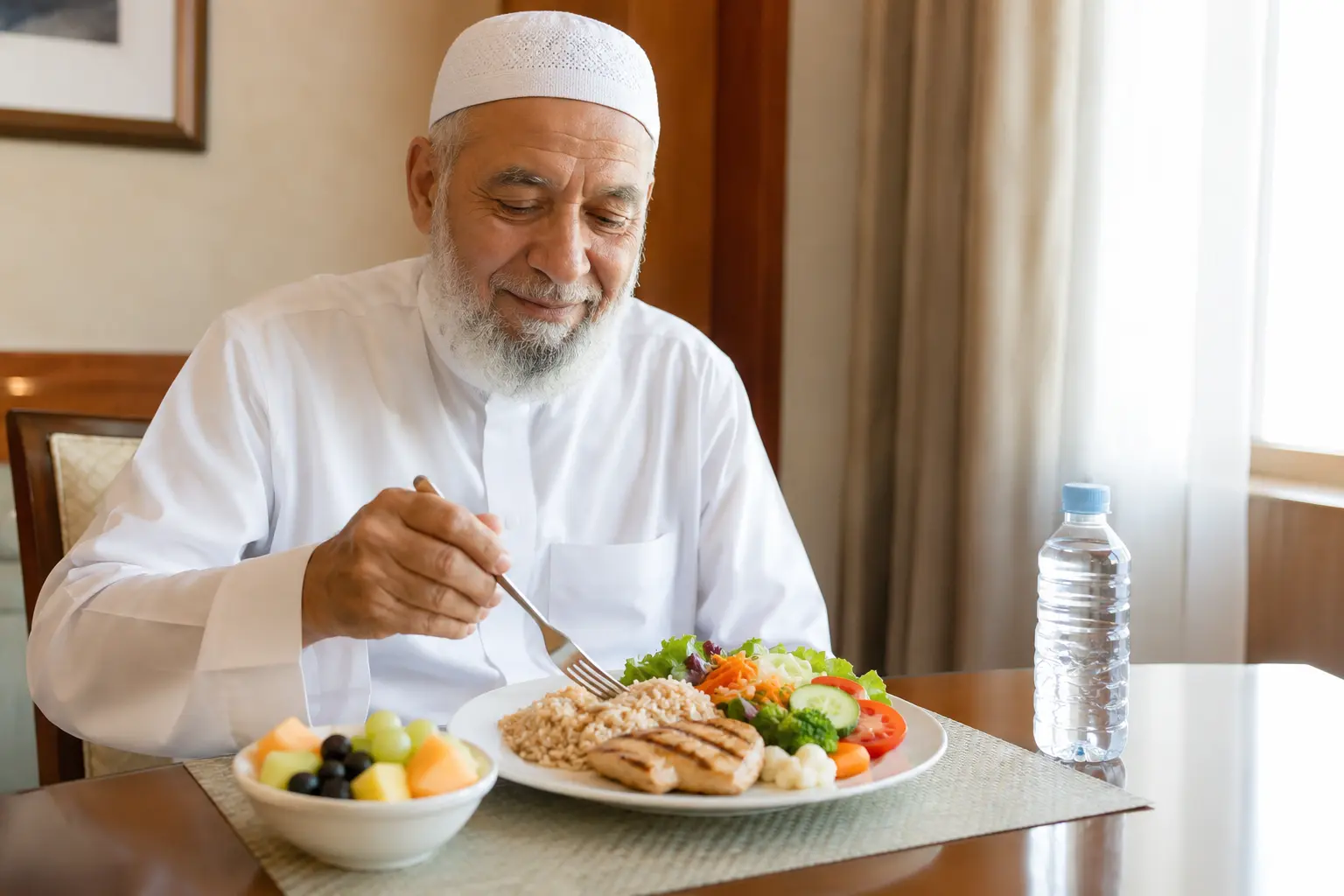
Be Mindful Of Your Nutrition And Follow A Healthy Diet
Eating a healthy and nutritious diet is vital, especially for pilgrims with chronic illnesses. Follow the diet suggested by your dietician, as during travel it is easy to eat at irregular times.
- Prefer small, frequent meals compared to heavy ones and stick to a balanced diet schedule.
- Avoid eating oily or fried food items; instead, go with baked or grilled ones.
- Nuts, dates, and energy bars are good options for a healthy snack.
- When you're going on a group tour, let your guide know about your food restrictions ahead of time.
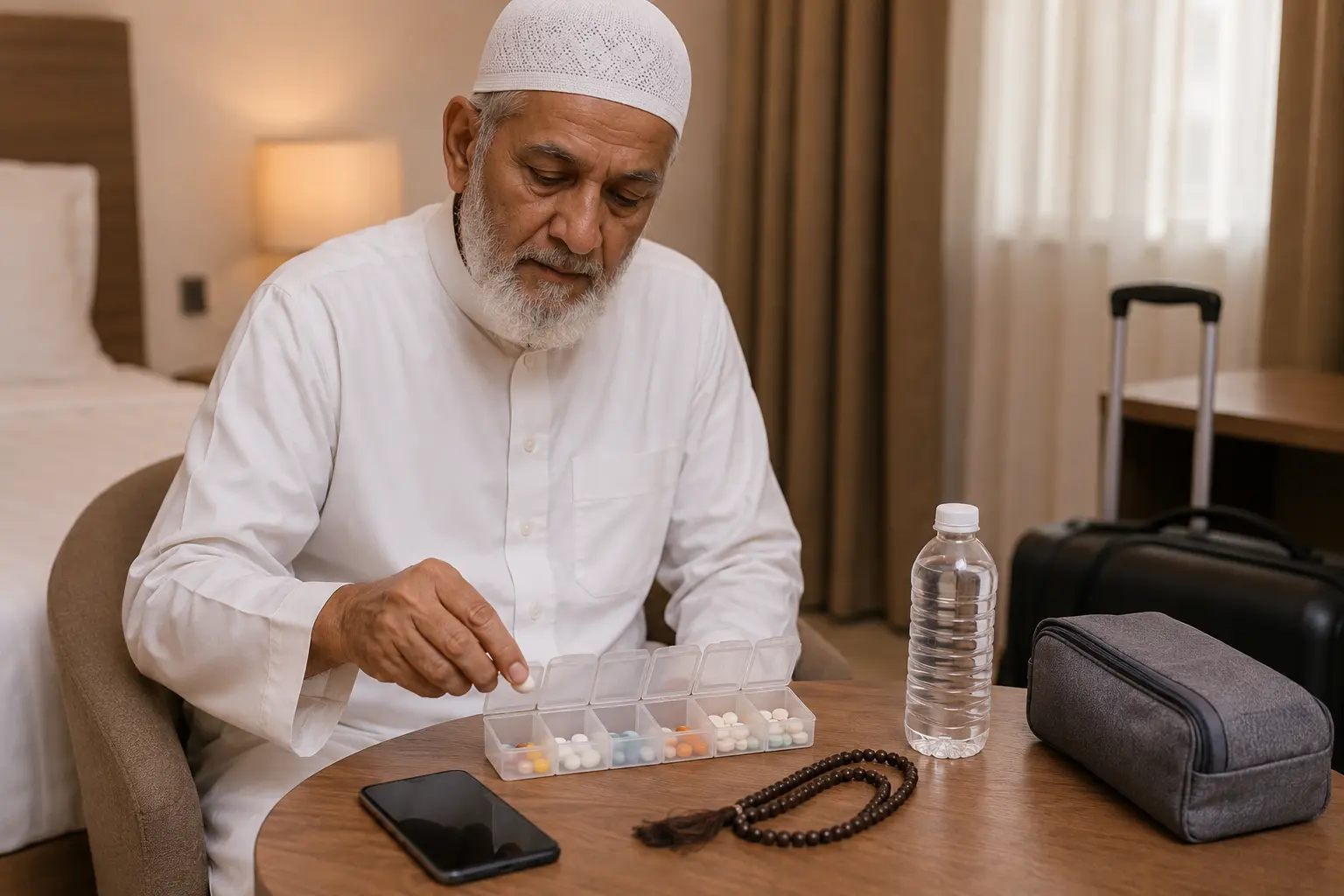
Don’t Skip Medications or Monitoring
Many pilgrims become so immersed in their rituals that they unintentionally neglect their medication schedules or miss essential health checks—both of which can pose serious risks. To avoid this, set daily reminders on your phone or use a pill organiser to stay consistent with your prescribed routine.
- Pilgrims managing diabetes should test their blood glucose before and after rituals.
- Cardiac patients must track symptoms like chest discomfort or shortness of breath and rest as needed.
- Those on blood pressure meds should monitor levels during extreme temperatures or long walks.
If you're not sure about keeping up with rituals because of a health issue, you can take a rest or consult a nearby medical tent. Allah (SWT) knows your niyyah (intention), and taking rest during the rituals won't affect anything.
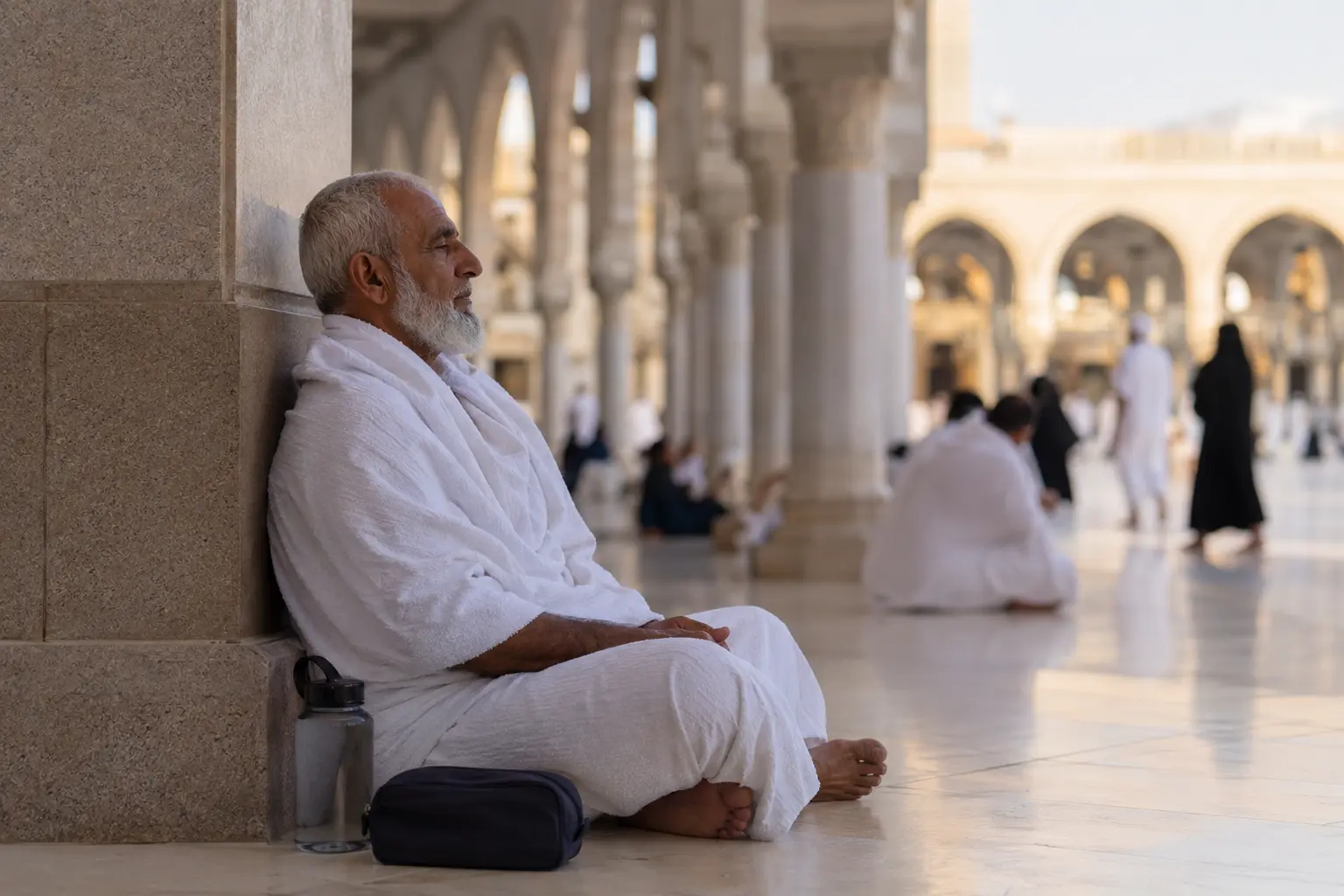
Prioritise Rest and Pace Yourself
Hajj and Umrah demand extensive walking and prolonged standing, often in crowded and hot environments. Whether you are fit or suffering from a chronic illness, you are not obligated to push beyond your physical capacity. Islam grants concessions to those who are ill.
- Make use of Masjid Al-Haram's facilities—wheelchairs, scooters, and walking aids are available to support your mobility and comfort.
- Perform Tawaf and Sa’i during cooler hours (after Fajr Salah or late evening)
- Take regular breaks during the rituals and listen to your body, if it calls.
- Travel with a companion who understands your health needs.
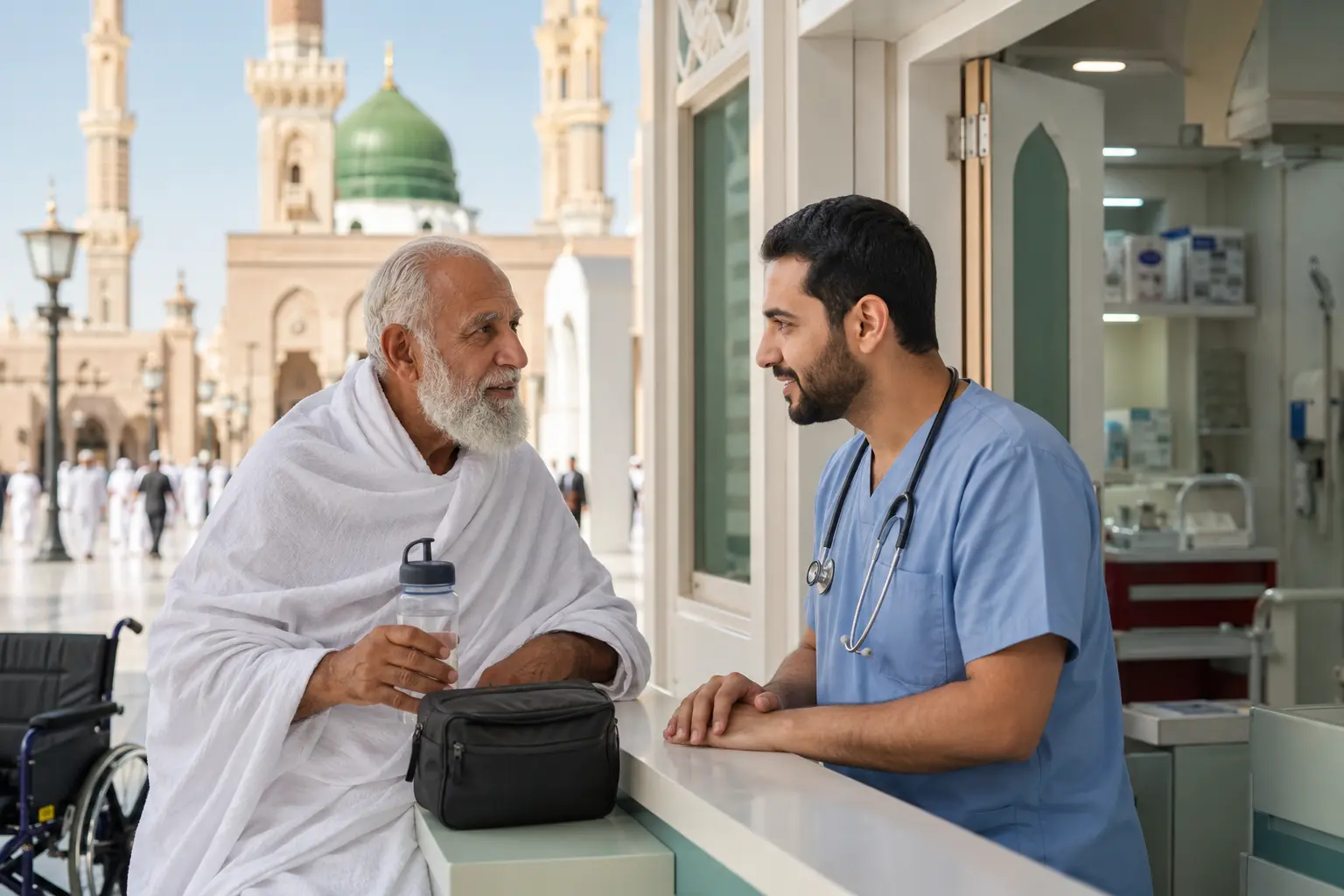
Be Aware of Local Medical Facilities
Saudi Arabia provides top-notch healthcare services for pilgrims. You'll find free medical centres close to main pilgrimage spots, and the hospitals in Makkah and Madinah are equipped to handle all emergencies.
- Familiarise yourself with the nearest hospital to your accommodation.
- Note down emergency hotline numbers or ask the staff for assistance.
- If you're with a travel agency like Itimaar, your guide may assist in case of medical needs.
Plan for Emergency Scenarios
Even with full preparation, unexpected health issues may arise anytime so you should always have an emergency plan for that. Pilgrims with chronic illnesses should:
- Know how to manage sudden spikes or drops in your blood sugar levels.
- Be prepared to respond promptly to chest pain or asthma attacks.
- Identify who to contact in your group or family in case of a medical emergency.
Keep your medical documents and medications easily accessible at all times.
Conclusion: Your Health is Part of Your Ibadah
Managing chronic illness during Hajj and Umrah is completely possible with the right preparation, self-care and knowledge. Islam encourages all believers to prioritise health as it is part of your Ibadah. With proper planning, consistent check-ups and monitoring, you can complete this sacred journey with safety, comfort and piece of mind.
Travel with Proper Support and Guidance
Pilgrims with chronic illnesses often need extra planning, comfort and reliable support during Hajj and Umrah. Choosing the right travel operator can make a significant difference in ensuring a safer and less stressful journey.
At Itimaar, we understand the unique needs of elderly pilgrims and travellers managing health conditions such as diabetes, heart disease, asthma and mobility concerns. From carefully selected accommodation and transport arrangements to practical pilgrimage guidance, our team strives to help pilgrims focus on their ibadah with greater peace of mind and comfort throughout the sacred journey.
Frequently Asked Questions
Can pilgrims with chronic illnesses perform Hajj or Umrah safely?
Yes, pilgrims with chronic illnesses can safely perform Hajj or Umrah with proper medical preparation, regular monitoring, prescribed medications, hydration and guidance from healthcare professionals.
What medicines should pilgrims with chronic illnesses carry during Hajj?
Pilgrims should carry enough prescription medications for the entire journey, backup prescriptions, medical reports, and essential devices like glucometers, inhalers or blood pressure monitors, depending on their condition.
How can diabetic pilgrims manage their health during Hajj and Umrah?
Diabetic pilgrims should monitor blood sugar regularly, stay hydrated, avoid skipping meals, carry quick snacks for emergencies and follow a proper medication schedule throughout the pilgrimage.
Are medical facilities available for pilgrims in Makkah and Madinah?
Yes, Saudi Arabia provides hospitals, medical centres and emergency healthcare services near major pilgrimage sites in Makkah, Madinah, Mina and Arafat during Hajj and Umrah seasons.
