


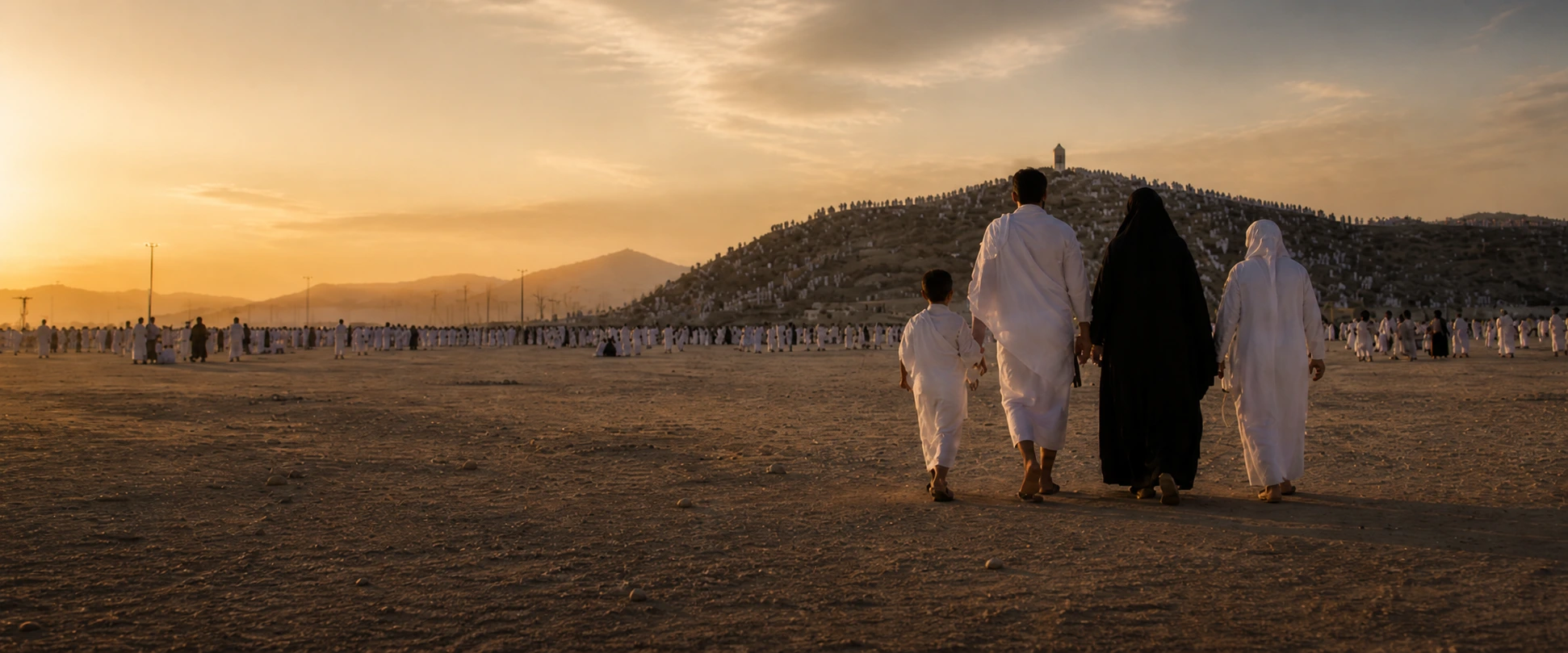
What Are The Important Places to Visit During Hajj
Important Places to Visit During Hajj: Sacred Pilgrimage Sites
Hajj pilgrimage to the blessed city of Makkah is the most significant act of worship, which is a religious duty and one of the five pillars of Islam. Hajj is mandatory for every Muslim to visit this sacred place for pilgrimage at least once in a lifetime, provided they are physically and financially able to do so.
Annually, Millions of Muslims from every part of the world gather in Makkah for Hajj, reflecting their submission of will to Allah, the Almighty and conveying the message of oneness of Allah (SWT). It is a process of spiritual growth and purification of the soul.
When pilgrims return to their homes after this sacred journey, they share their experiences with their friends and family and mention a few sites, rituals and events which people get to know for the first time.
Pilgrims travelling for Hajj for the first time will find this article helpful, as it will make them aware of the various important places to visit during Hajj.
Let us take a closer look at all the important pilgrimage places to visit during Hajj in Makkah and try to understand what they mean to the pilgrims. The places mentioned below are in order of rituals performed and locations visited by pilgrims during their Hajj journey.
Places to Visit During Hajj in Makkah
Masjid al-Haram (The Sacred Mosque)
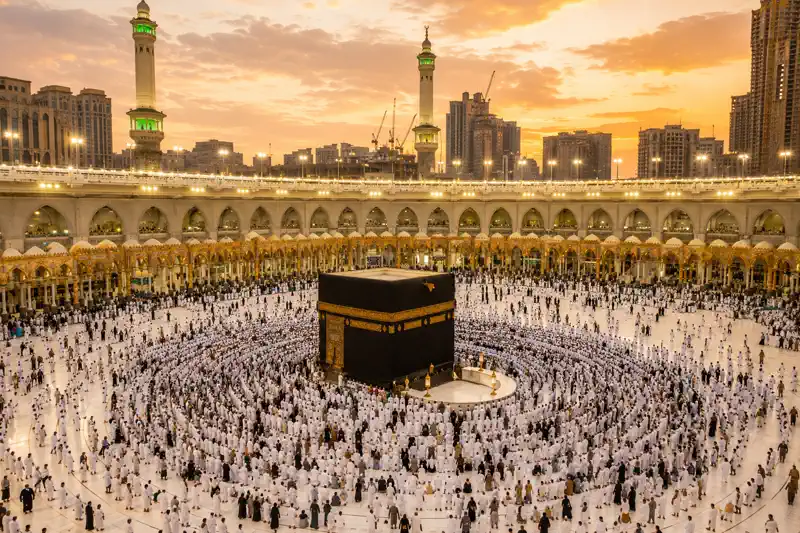
Masjid al-Haram is the biggest and most sacred mosque in Islam. The spiritually profound journey of Hajj begins at Masjid al-Haram in Makkah. It is one of the most important places to visit during Hajj.
Pilgrims perform Tawaf (circumambulation) around the Kaaba and also perform Sa’i between Safa and Marwah, following the Sunnah of Prophet Ibrahim (AS) and Hajrah (AS).
After completing Tawaf, pilgrims may offer two rak’ahs of prayer near Maqam Ibrahim (if possible). Masjid al-Haram remains the central place of worship throughout the pilgrimage.
Location: Makkah
Total Area Covered: 356,800 sq. m
Mina (The City of Tents)
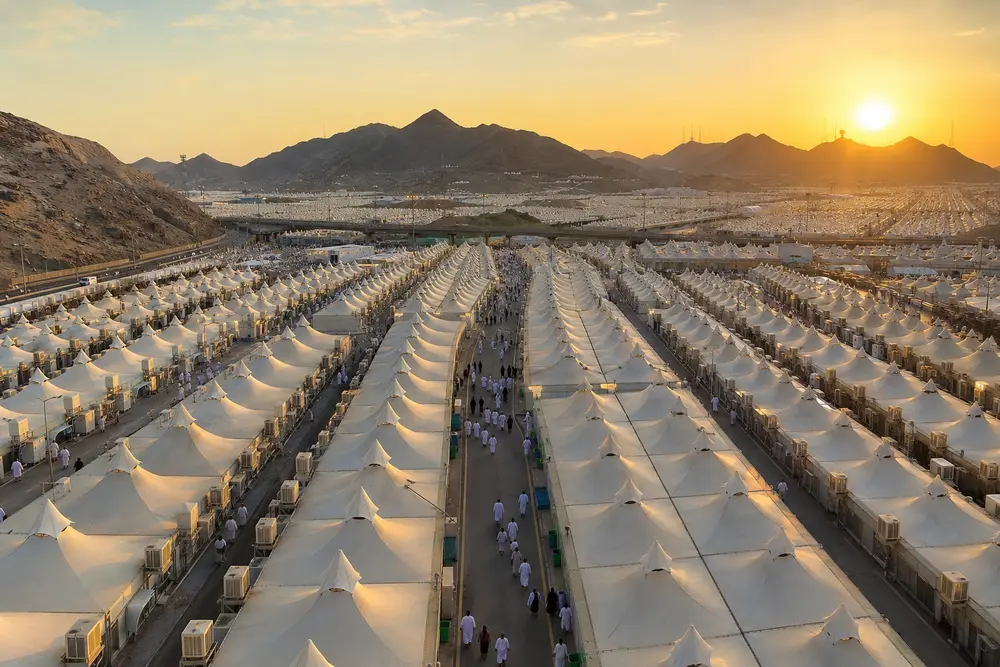
Located eight kilometres east of the Masjid Al-Haram, Mina is the abode of pilgrims where they spend most of their nights during Hajj. Pilgrims arrive here on 8th Dhul Hijjah, the first day of Hajj.
Covering 20 sq. km area, Mina contains more than 100,000 air-conditioned tents, and it is also known as the City of Tents. Prophet Muhammad (PBUH) stayed at this place during Hajj, and pilgrims follow his footsteps while performing the various rituals of Hajj.
The staying arrangements have been modernized and the place could fit around 3 million pilgrims in its air-conditioned Teflon-covered tents. It is very common to get lost here, which is why the tents are organised into zones and camps assigned by country and Hajj authorities.
Location: 7 km East of Mecca
Area Covered: 20 sq. km
Distance from Haram: 8 km
Mount Arafat (The Heart of Hajj)
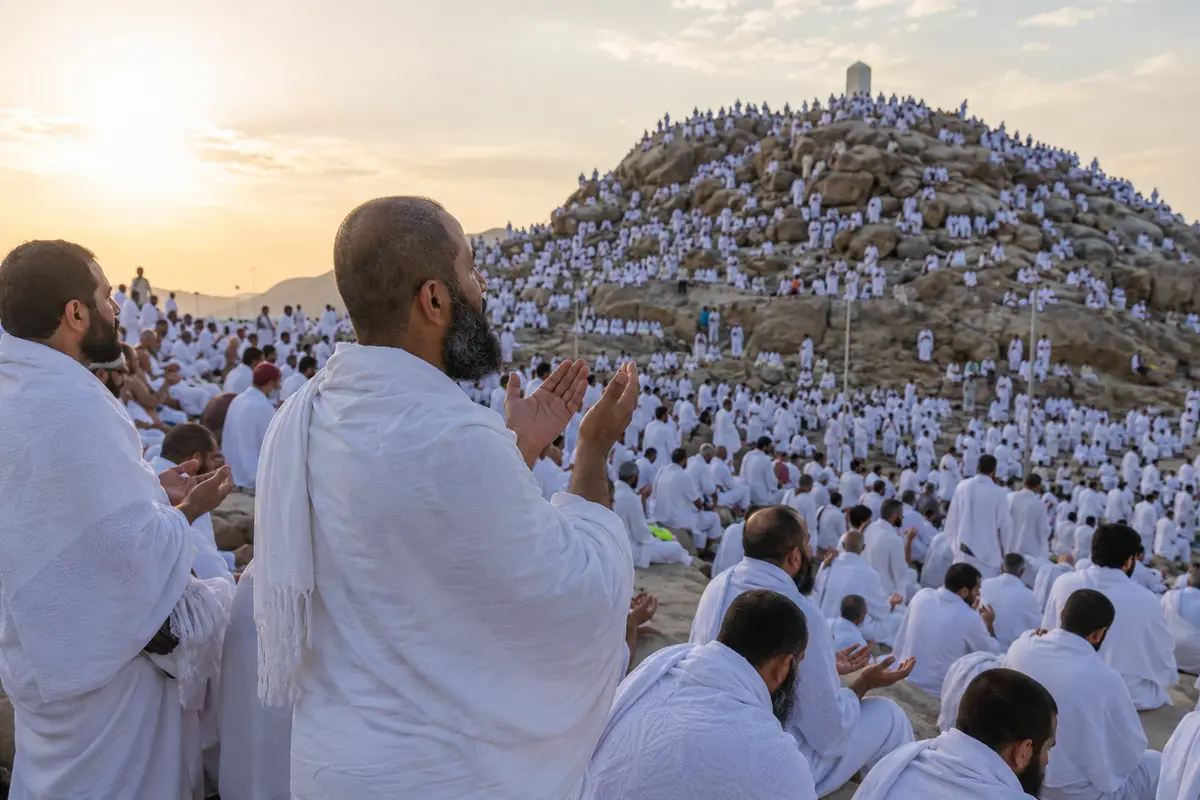
Mount Arafat is the heart of the Hajj pilgrimage and one of the most important places to visit during Hajj. The day of Arafat falls on the second day of Hajj, when pilgrims move to Mount Arafat on the 9th of Dhul Hijjah from Mina.
Standing at Arafat is the most significant ritual in Hajj, and if a pilgrim misses going to Arafat, his/ her entire Hajj is nullified. This is also the site where Prophet Muhammad (PBUH) delivered his famous Farewell Sermon.
Pilgrims come here at noon and stay here till sunset, worshipping Allah, listening to Khutbah delivered in Mosque Nimrah and asking for forgiveness from Allah (SWT). They offer Dhuhr and Asr salah combined and spend the rest of the day remembering Allah (SWT).
Location: 22 km East of Haram, Mecca
Total Area Covered: 1,795 hectares
Elevation: 70 m
Distance between Mina & Mount Arafat: 18 km
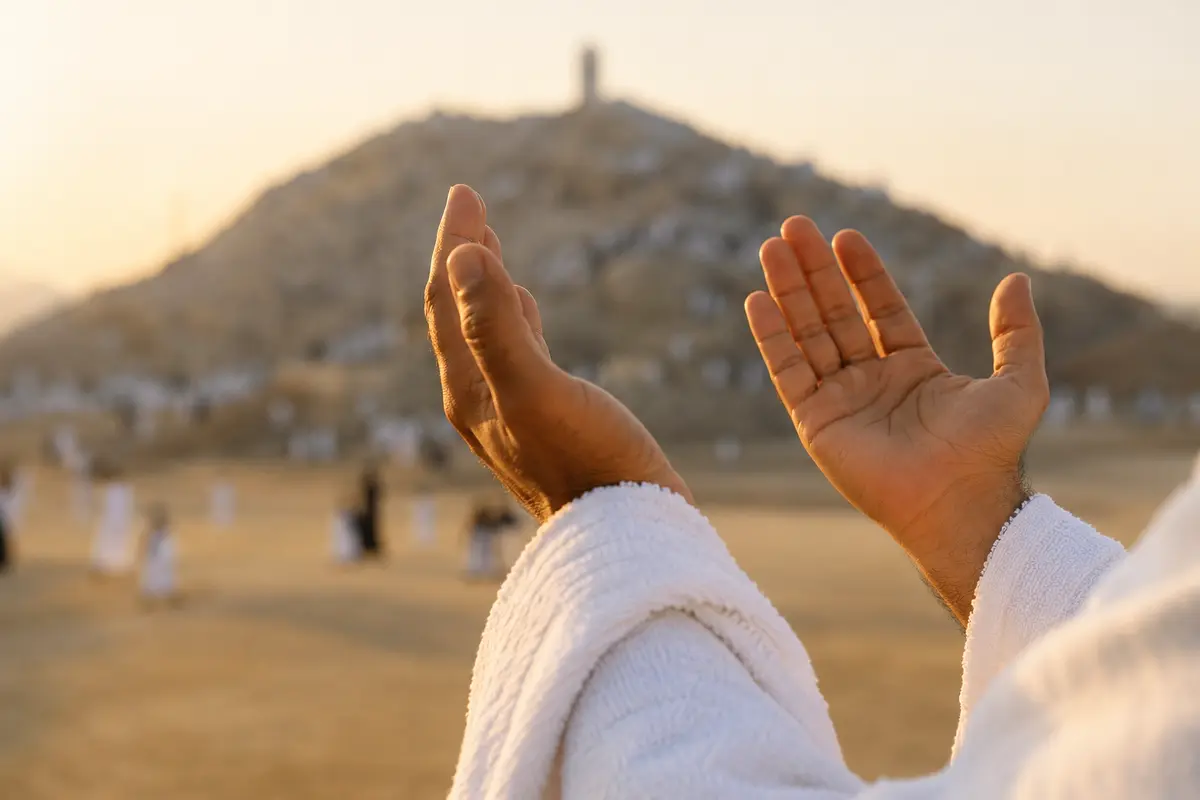
Jabal al-Rahmah (Mount of Mercy)
Jabal al-Rahmah is a small hill located in the plain of Arafat and is widely visited by pilgrims on the Day of Arafah.
Although climbing it is not a compulsory ritual, many pilgrims gather here to make heartfelt du’a, seeking forgiveness and mercy from Allah (SWT). The atmosphere is deeply spiritual and emotional.
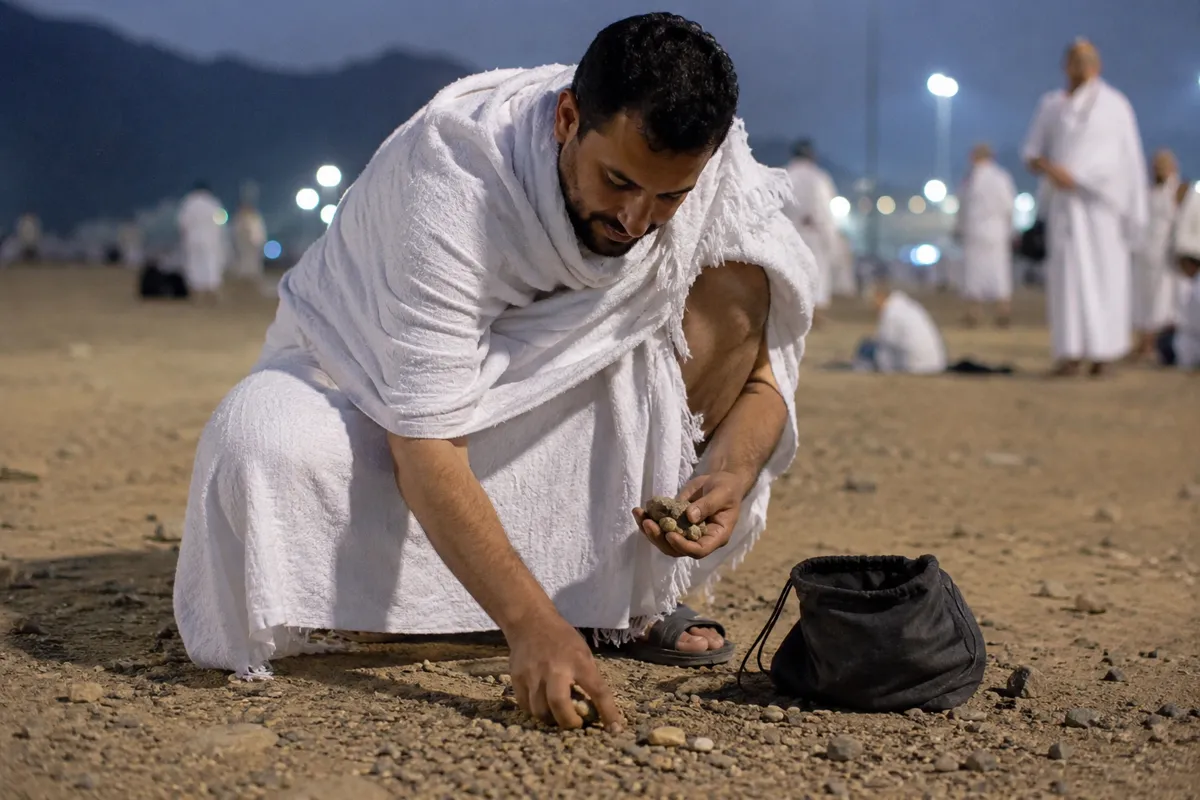
Muzdalifah
After spending the day at Arafat, pilgrims move towards Muzdalifah, another important place to visit during Hajj, where they spend their night. After reaching Muzdalifah, pilgrims offer Maghrib and Esha prayers together. The night is spent in the open air under the blanket of stars.
Pilgrims sleep on the bare desert floor without any comfort. Here, they also collect pebbles for the next day, when the pilgrims perform the ritual of stoning at the Jamarat in Mina. One of the most important Ziarat places for Hajj, those pilgrims who travel to Makkah for Umrah also visit this spot.
Location: 9 km southeast of Mina
Total Area Covered: 12.25 sq. km
Distance between Mount Arafat & Muzdalifah: 12 km
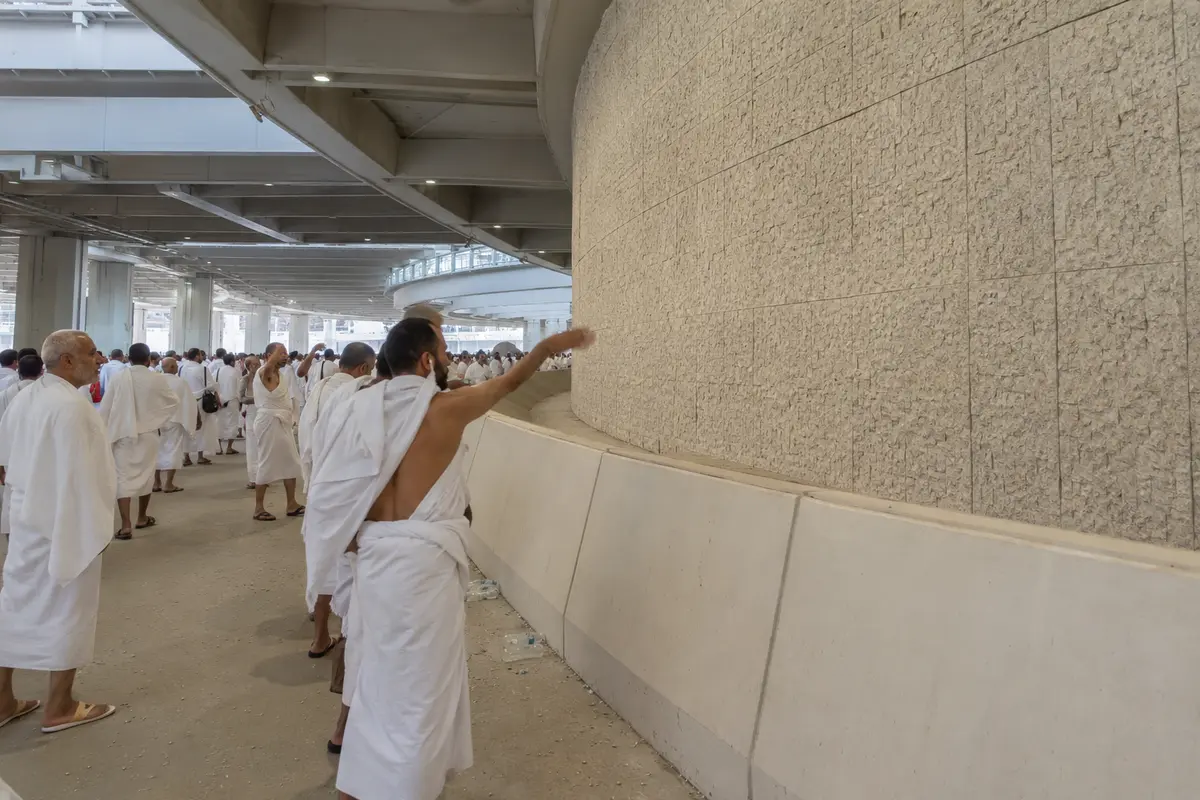
Jamarat
Rami- stoning of the devil, takes place at Jamarat, which are three stone pillars pelted as a compulsory ritual of Hajj. Jamarat is one of the important places to visit during Hajj, where pilgrims need to go to perform the ritual of stoning.
The pilgrims emulate Prophet Ibrahim (AS), who pelted Satan with stones when he tried to dissuade him from sacrificing his son, Prophet Ismail (AS), on the command of Allah (SWT).
The three pillars,
- Jamarat-al-Ula
- Jamarat-al-Wusta
- Jamarat-al-Aqaba
Represent the three locations where Prophet Ibrahim (AS) pelted Satan three times. The pilgrims at Jamarat Bridge need to be wary of their safety because of overcrowding, which could lead to a stampede.
Location: Mina
Total Length of Jamarat Bridge: 950 m
Distance between Muzdalifah & Jamarat: 7 km
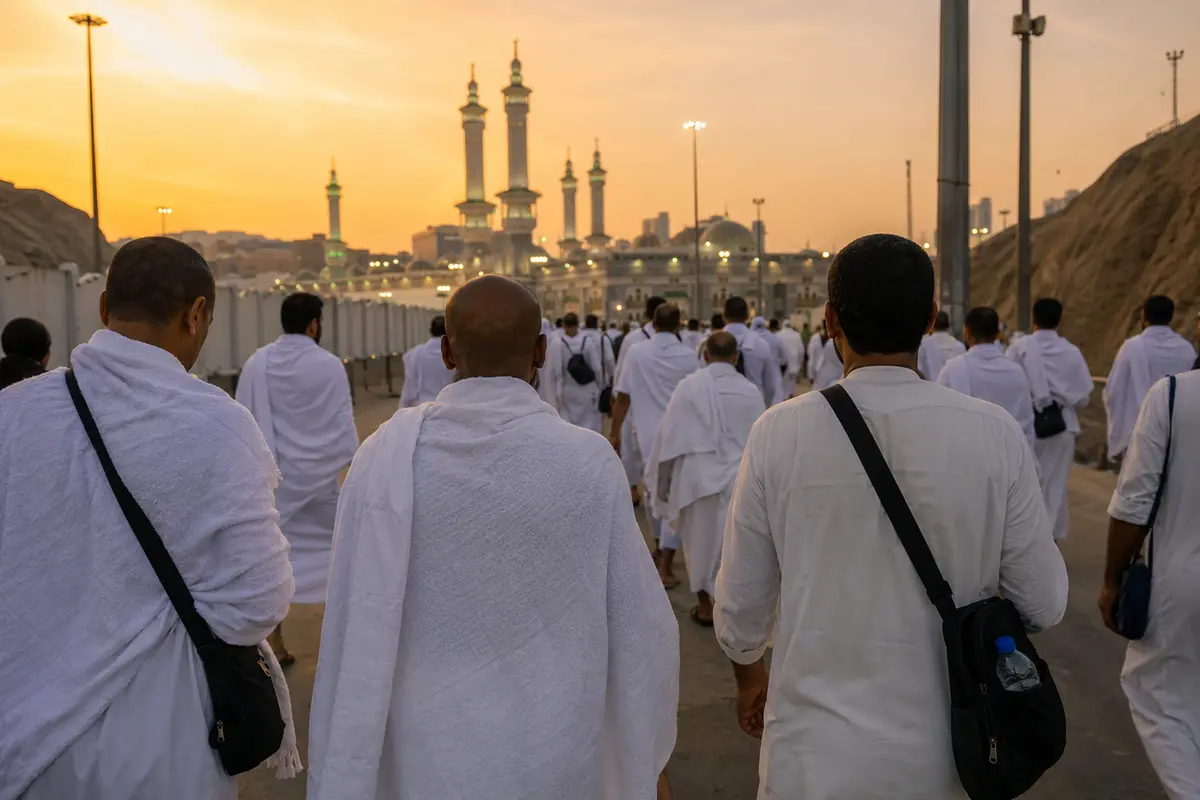
Return to Masjid al-Haram
After completing Rami, pilgrims perform Qurbani (sacrifice) and shave or trim their hair.
They then return to Masjid al-Haram to perform Tawaf al-Ziyarah, an essential ritual of Hajj, along with Sa’i (if not performed earlier).
Before leaving Makkah, pilgrims perform Tawaf al-Wada (Farewell Tawaf), marking the completion of their pilgrimage.
Final Wordings: A Sacred Journey Through Sacred Sites
Hajj is not simply a journey across different sacred sites; it is one of the highest acts of ibadah and a deeply spiritual passage through moments of devotion, submission and reflection.
Each site, pilgrims visit during Hajj, from the sacred Masjid al-Haram mosque to the plains of Arafat and the nights spent in Muzdalifah, carries profound meaning and purpose.
Understanding these key locations in sequence helps pilgrims perform their rituals with clarity, confidence, and spiritual awareness. These are not just places to see, but sacred sites where acts of worship are fulfilled, and hearts are transformed.
Conclusion
As you prepare for Hajj, remember that every step you take across these sacred sites is an opportunity to seek forgiveness, strengthen your faith, and draw closer to Allah (SWT). With the right preparation, knowledge, and intention, this journey can become one of the most life-changing experiences of your life.
At Itimaar, we support pilgrims with carefully planned Hajj and Umrah packages, practical guidance, and reliable travel arrangements; so you can focus on your ibadah while we handle the details.
Frequently Asked Question
What are the most important places during Hajj?
The most important sites during Hajj include Mina, Arafat, Muzdalifah, Jamarat, and Masjid al-Haram, as these are where the core rituals of Hajj are performed.
Is visiting Jabal al-Rahmah compulsory during Hajj?
No, visiting Jabal al-Rahmah is not compulsory. However, it is a significant and recommended place where many pilgrims make du’a on the Day of Arafah.
What happens at Masjid al-Namirah during Hajj?
At Masjid al-Namirah, the Hajj sermon (Khutbah) is delivered, and pilgrims perform combined Dhuhr and Asr prayers on the Day of Arafah.
Why is Arafat important in Hajj?
Arafat is the most essential part of Hajj. Standing at Arafat (Wuquf) on the 9th of Dhul Hijjah is mandatory, and missing it invalidates the Hajj.
