


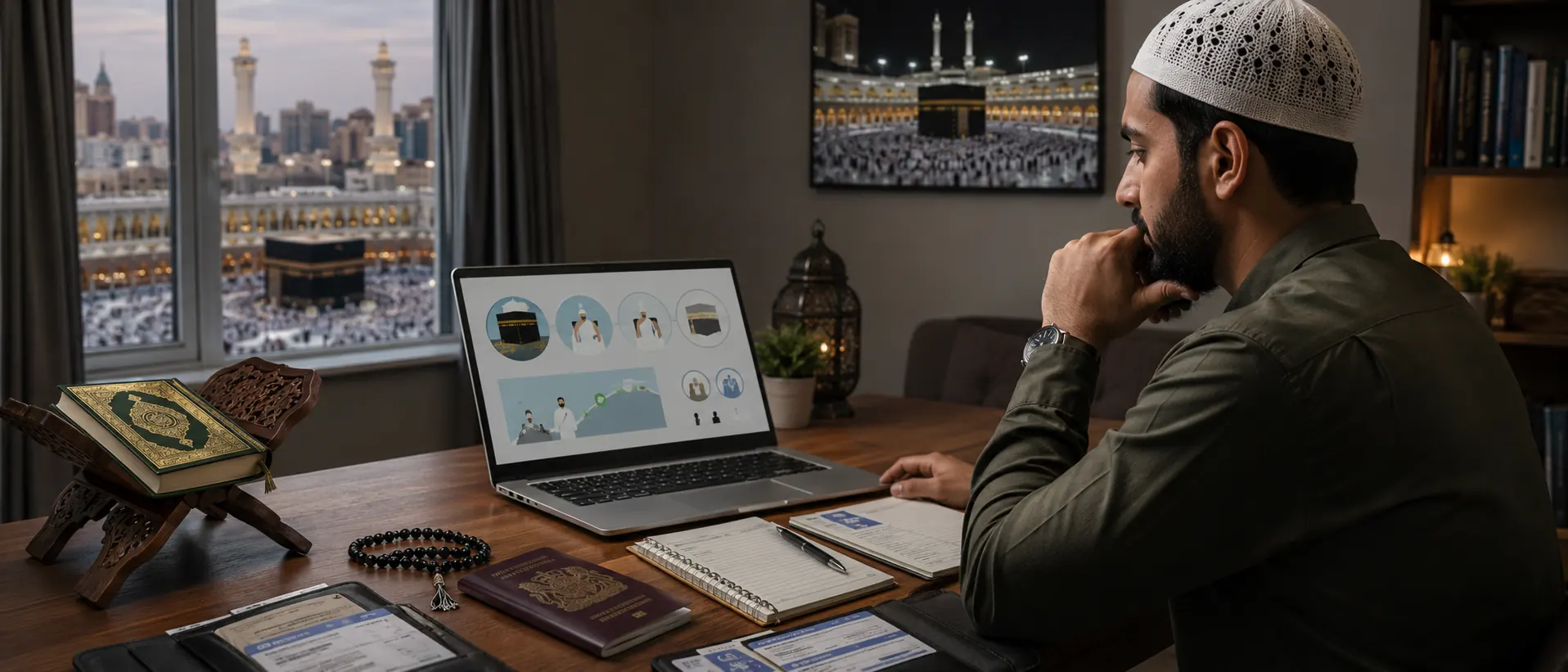
10 Common Umrah Myths Debunked - Separating Fact from Fiction
Avoid These 10 Umrah Misunderstandings Before You Go
Every year, around 18 million people perform Umrah (this number varies each year), arriving from every corner of the globe, some travelling from nearest townlets, others crossing continents or borders to answer the same call. Yet alongside this powerful act of faith, a quieter phenomenon travels with them: myths and misconceptions passed down to them.
And it happens because stories offer emotional comfort, simple answers, and a sense of belonging that hard facts often fail to provide. Even when they’re not true, myths make things feel safe and understandable in this unpredictable world.
In this well-structured, detailed piece of content, we’ve covered 19 common myths about Umrah.
First, one must know what Are These Myths
Umrah myths are common misconceptions like believing you must shave your head completely, that menstruating women can't enter Ihram, or that Umrah in Ramadan replaces Hajj, that aren't backed by the Quran or Sunnah.
Let’s dive right in; one by one, the most common myths are corrected using Hadith and scholarly rulings.
Umrah Myths & Misconceptions: Truths About Eligibility, Rituals, Timing & Packages
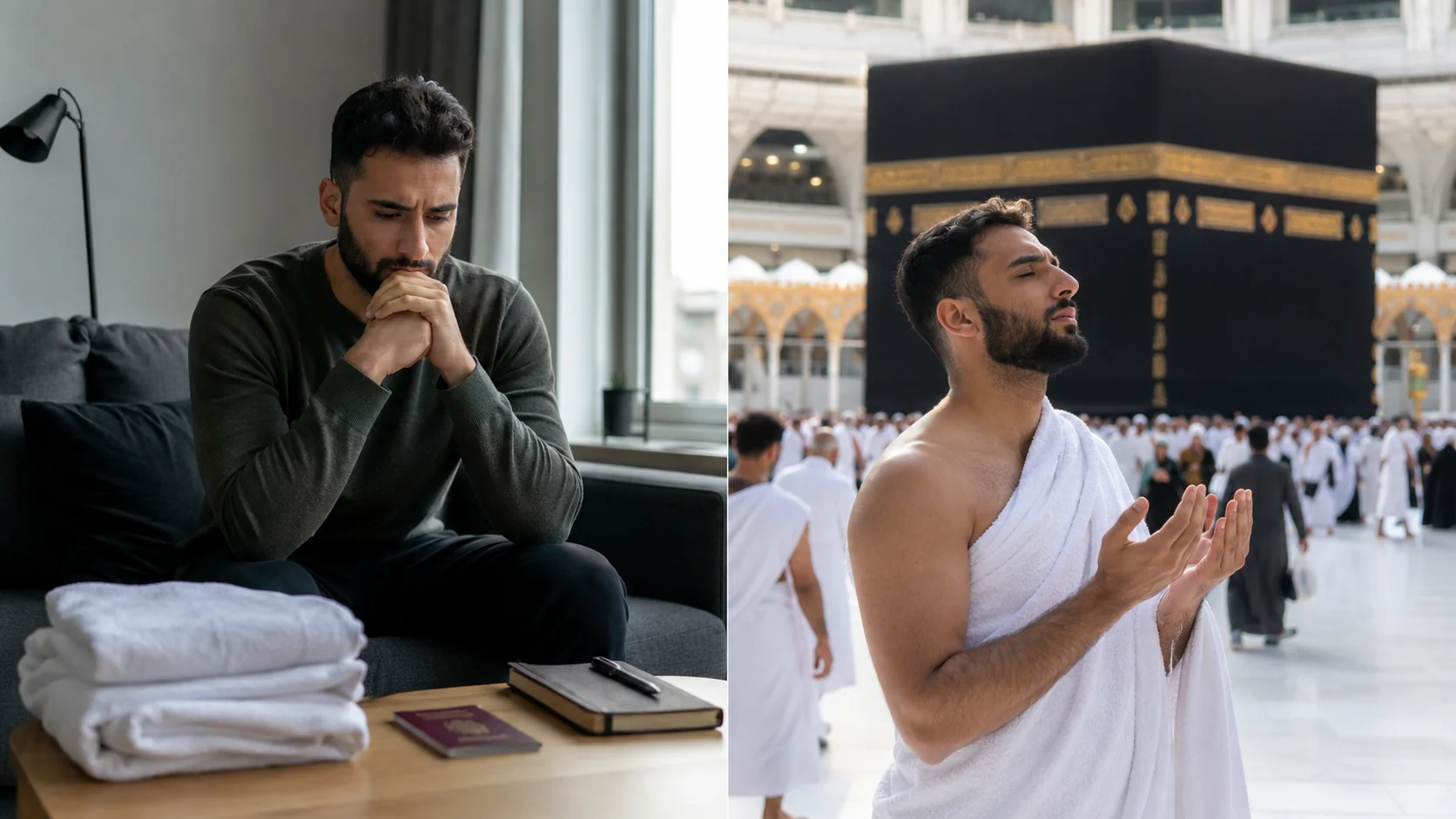
Myth 1: You must be free of sin before you're "worthy" of performing Umrah
The Myth: Some people delay Umrah for years, believing they must be spiritually "ready" or free from sins before going for Umrah.
The Truth: Umrah is a means of purification, not a reward for already being pure. According to the Prophet ﷺ (PBUH), performing Umrah is an expiation for sins committed since the last one.
Evidence: This is commonly cited in Sahih al-Bukhari and Sahih Muslim regarding the virtue of Umrah as expiation of sins between one Umrah and the next.
Takeaway: Waiting to become "worthy" gets it backwards; the pilgrimage itself is the path to purification from the committed sins.
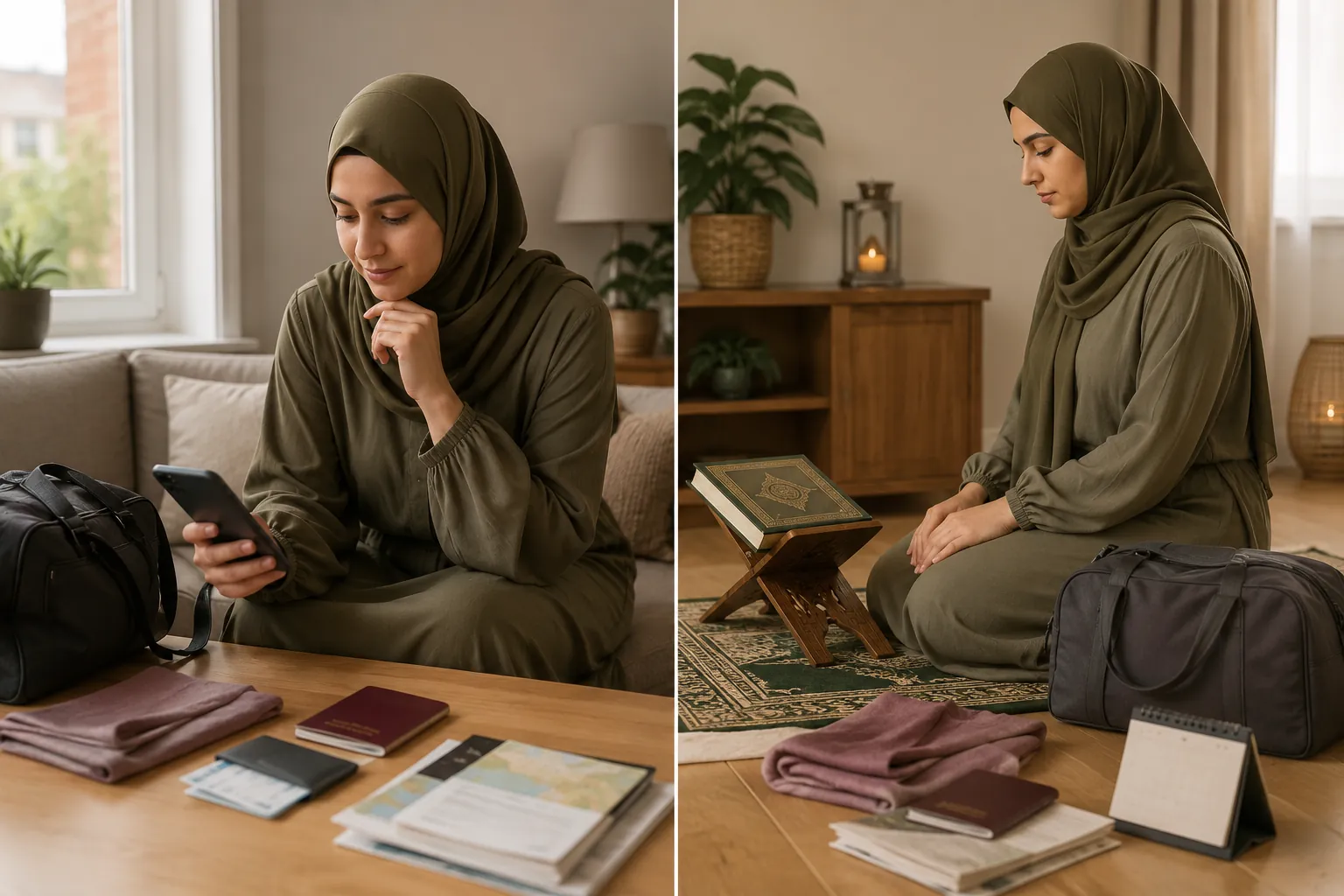
Myth 2: A widow or divorced woman in her waiting period (iddah) can still go for Umrah if she wants
The Myth: Iddah (Iddat) is treated as a formality that doesn't really restrict travel.
The Truth: A woman observing iddah after being widowed or divorced is not permitted to perform Umrah during the prescribed period; she’s not even allowed to leave home, except in an emergency.
Evidence: Allah instructs that divorced women should not be expelled from their husbands’ homes, nor should they leave those homes themselves during the prescribed waiting period. (Qur’an 65:1)
Takeaway: If you're in iddah, your Umrah plans need to wait until the waiting period is over.

Myth 3: A woman can never travel for Umrah without a mahram, under any circumstances
The Myth: This is stated as an absolute, one-size-fits-all rule online.
The Truth: This is genuinely a matter of scholarly disagreement, not a settled myth. The majority view (Hanafi, Maliki, Hanbali) holds a mahram is required. Some Shafi'i scholars, and various contemporary scholars, permit travel without one if the woman is safe and in trustworthy company, and Saudi Arabia's visa policy no longer requires a mahram, though that's a government policy, not an Islamic ruling. Even most scholars who require a mahram hold that if a woman travels without one, her Umrah is still religiously valid, though she may be considered to have acted against the recommended practice.
Evidence: The Prophet (peace be upon him) stated that a believing woman should not undertake a journey lasting a day and a night unless she is accompanied by a Mahram. (Sahih al-Bukhari, 1088)
Takeaway: The hadith indicates that a woman who believes in Allah and the Last Day should not travel for a day and night without being accompanied by a Mahram.
It's honestly a genuine scholarly difference, and we encourage the reader to consult their own school of thought or a local scholar.
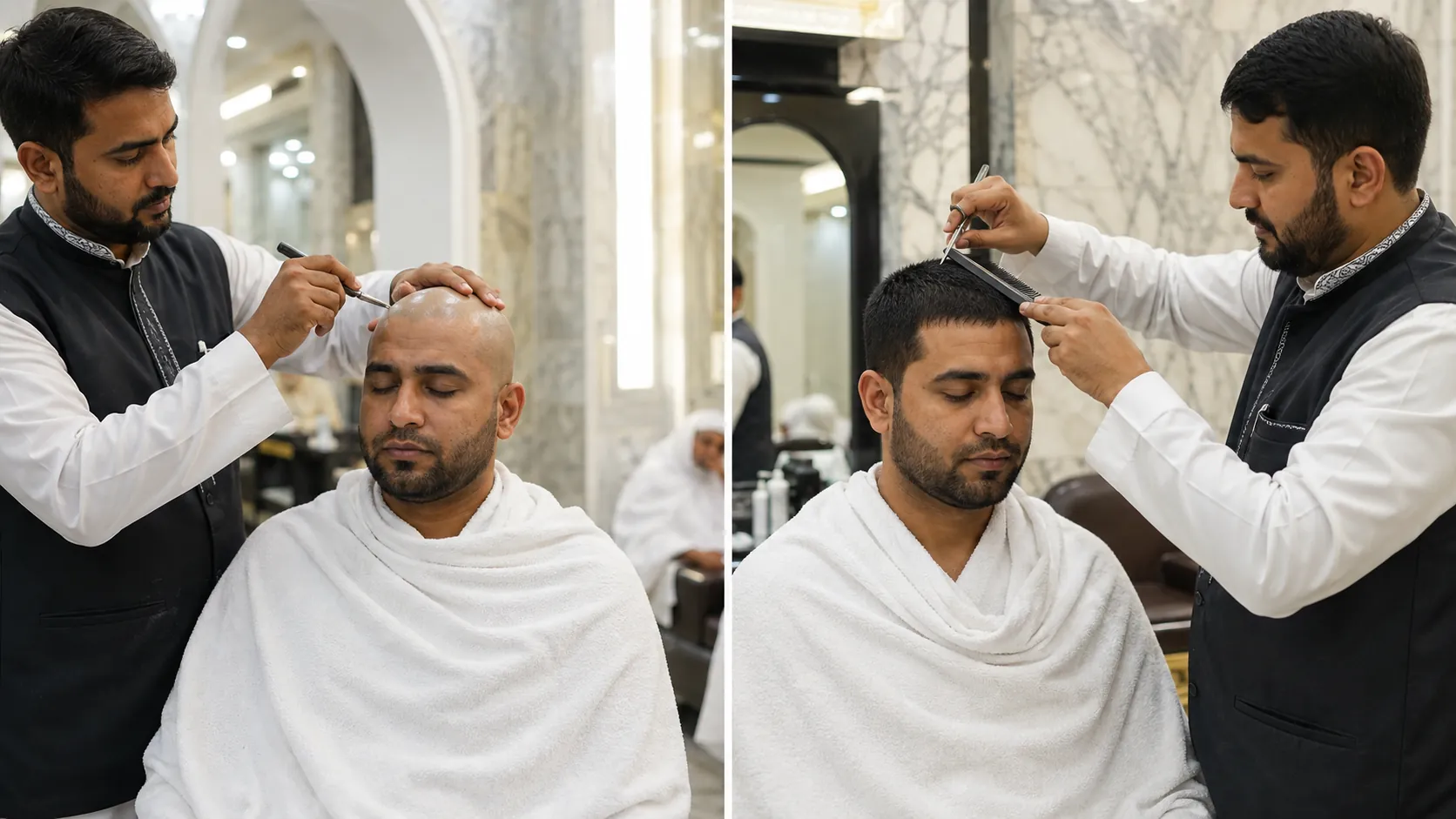
Myth 4: Men must shave their head completely bald; trimming isn't a real option
The Myth: Some assume Halq and Taqsir are interchangeable for everyone.
The Truth: Women are never allowed to shave their heads for Umrah like men; this is considered a form of mutilation for women in Islamic law. Women are only allowed to trim, cutting roughly an inch (roughly equivalent to fingertip or 1-2 centimetres) from the hair.
Evidence: Allah’s Messenger (ﷺ) said, “O Allah, forgive those who shave their heads.” The people asked, “What about those who shorten their hair?” The Prophet (ﷺ) repeated his supplication for those who shaved their heads. When the people asked again about those who shortened their hair, he repeated the supplication for those who shaved their heads. On the third occasion, he also included those who shortened their hair in his supplication for forgiveness. Sahih al-Bukhari 1728
The hadith confirms that both shaving and trimming the hair are recognised after the Hajj or Umrah rituals, with greater emphasis given to shaving.
Takeaway: Taqsir (trimming) is the only option for women.
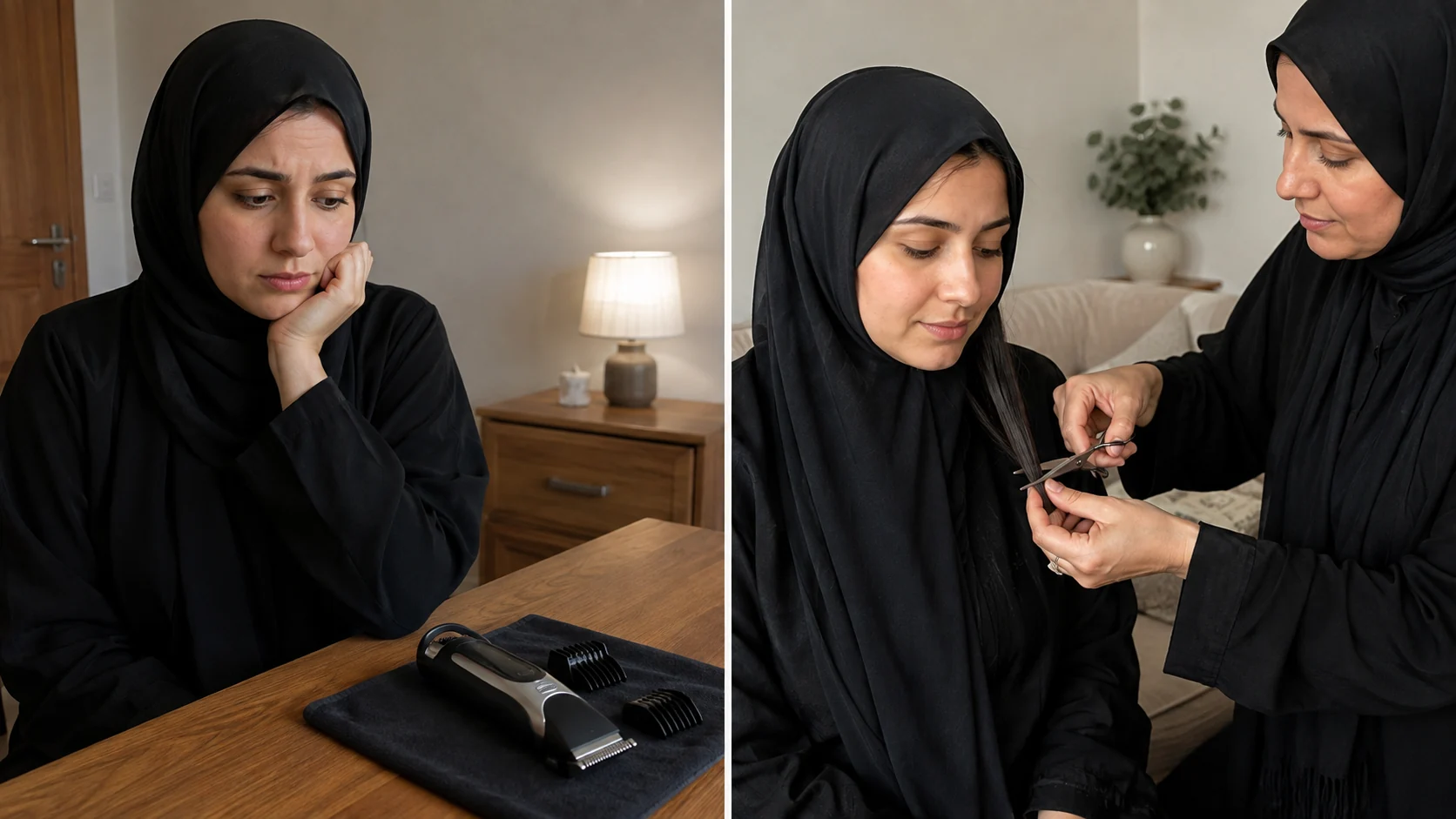
Myth 5: Women are also allowed to shave their heads for Umrah, like men
The Myth: Some assume Halq and Taqsir are interchangeable for everyone.
The Truth: Women are never allowed to shave their heads for Umrah like men; this is considered a form of mutilation for women in Islamic law. Women are only allowed to trim, cutting roughly an inch (roughly equivalent to fingertip or 1-2 centimetres) from the hair.
Evidence: Allah’s Messenger (ﷺ) said, “O Allah, forgive those who shave their heads.” The people asked, “What about those who shorten their hair?” The Prophet (ﷺ) repeated his supplication for those who shaved their heads. When the people asked again about those who shortened their hair, he repeated the supplication for those who shaved their heads. On the third occasion, he also included those who shortened their hair in his supplication for forgiveness.
(Sahih al-Bukhari 1728)
The hadith confirms that both shaving and trimming the hair are recognised after the Hajj or Umrah rituals, with greater emphasis given to shaving.
Takeaway: Taqsir (trimming) is the only option for women.
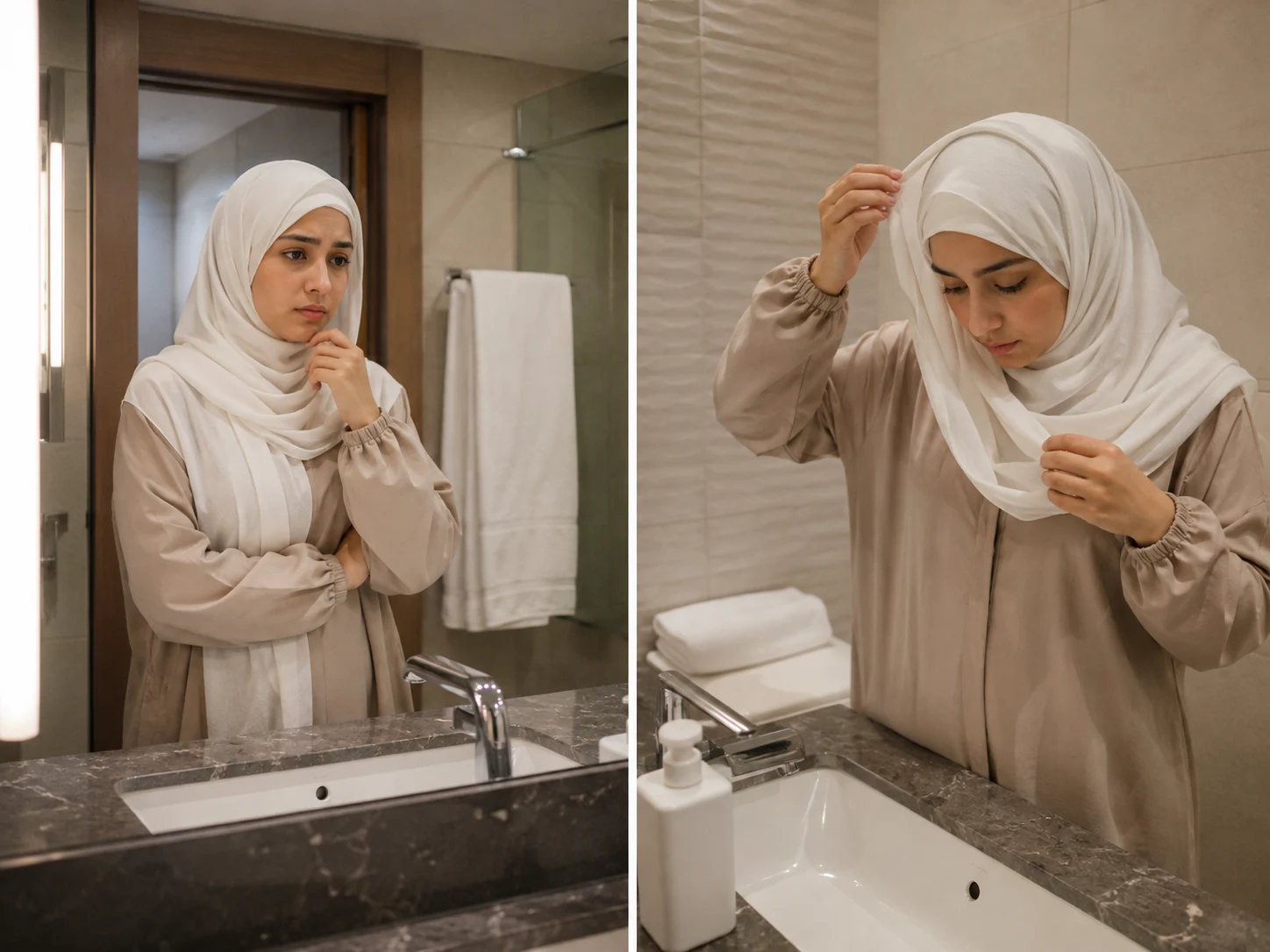
Myth 6: Removing your Ihram head covering to make wudu breaks your Ihram (for women)
The Myth: It’s a widely repeated piece of advice that tells women not to remove their cap/covering even for ablution.
The Truth: This is a mistake. Removing the covering to make wudu does not affect the state of Ihram while out of view of a non-mehram.
Evidence: Islamic jurisprudence does not consider removing a woman’s head covering or scarf for wudu to invalidate her Ihram. Ihram is a sacred state, not the clothing itself, and removing clothing for purification is permissible.
Takeaway: You can adjust your Ihram covering for wudu without invalidating Ihram.

Myth 7: A menstruating woman cannot enter Ihram or go for Umrah at all
The Myth: Some believe menstruation disqualifies a woman from starting her Umrah journey entirely.
The Truth: A woman should still enter Ihram at the Miqat and form her intention even while menstruating; she simply waits to perform Tawaf until she is pure again.
Evidence: When Aisha (may Allah be pleased with her) experienced menstruation during Hajj or Umrah, the Prophet (ﷺ) instructed her to carry out the rites performed by the pilgrims, but to refrain from performing Tawaf around the Kaaba until she became pure. (Sahih al-Bukhari & Sahih Muslim)
Takeaway: Being a menstruating woman can delay part of the ritual; it doesn't prohibit or cancel the whole trip.
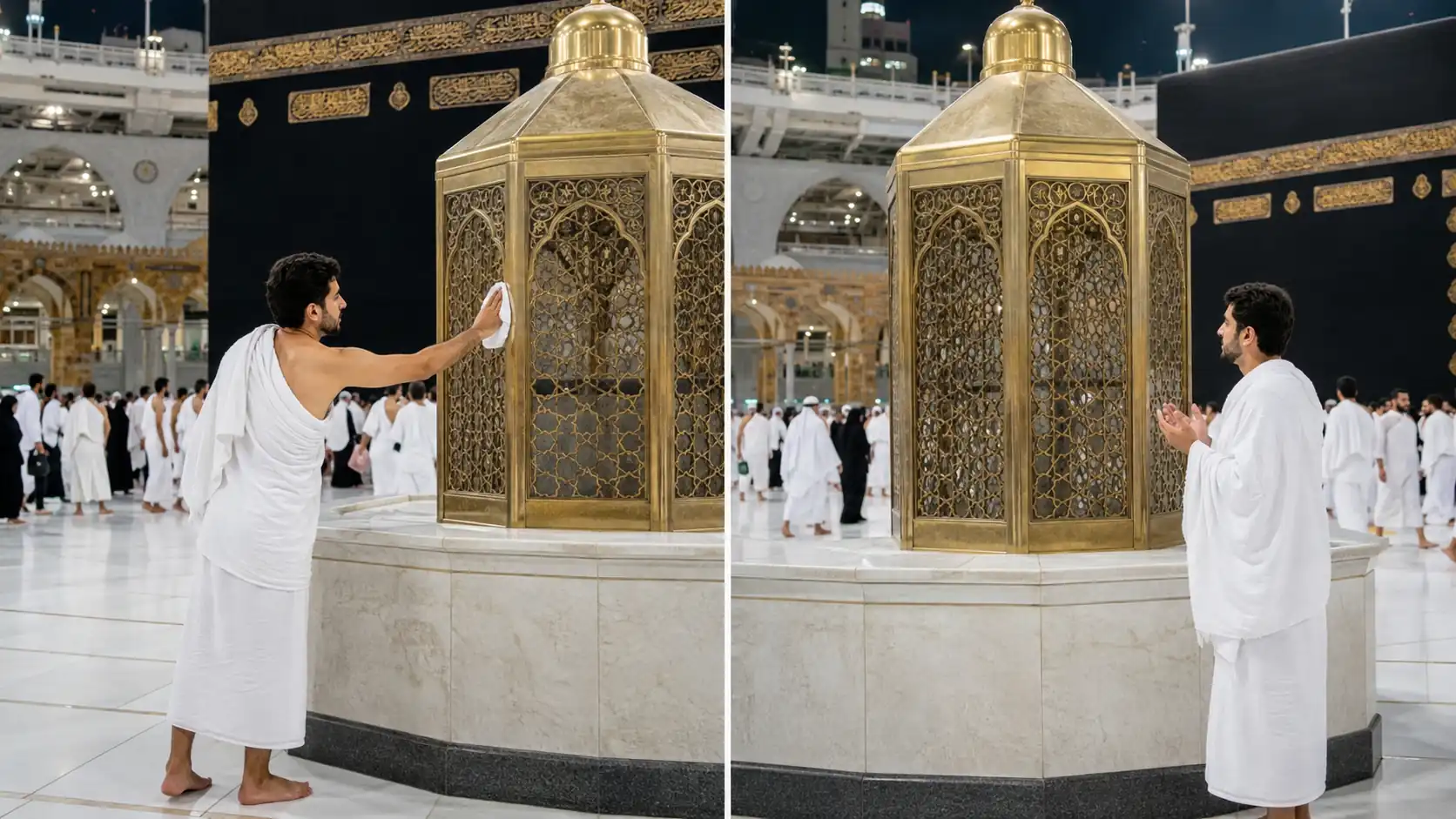
Myth 8: Touching or wiping the Kaabah (or Maqam Ibrahim) brings extra blessings
The Myth: Many pilgrims try to touch or wipe their hands over the Kaabah's walls, believing it transfers barakah.
The Truth: This has no basis in the Sunnah. The Prophet ﷺ only touched the Black Stone (Al-Hajar Al-Aswad) and the Yemeni Corner (Rukn Al-Yemeni), not the rest of the Kaabah.
Evidence: Even during the tawaf, the Prophet Muhammad (PBUH )only touched the Black Stone (Al-Hajar Al-Aswad) and the Yemeni Corner (Rukn Al-Yemeni).
Takeaway: Reverence for the Kaabah doesn't require physical contact with it; sincerity in worship is what matters.
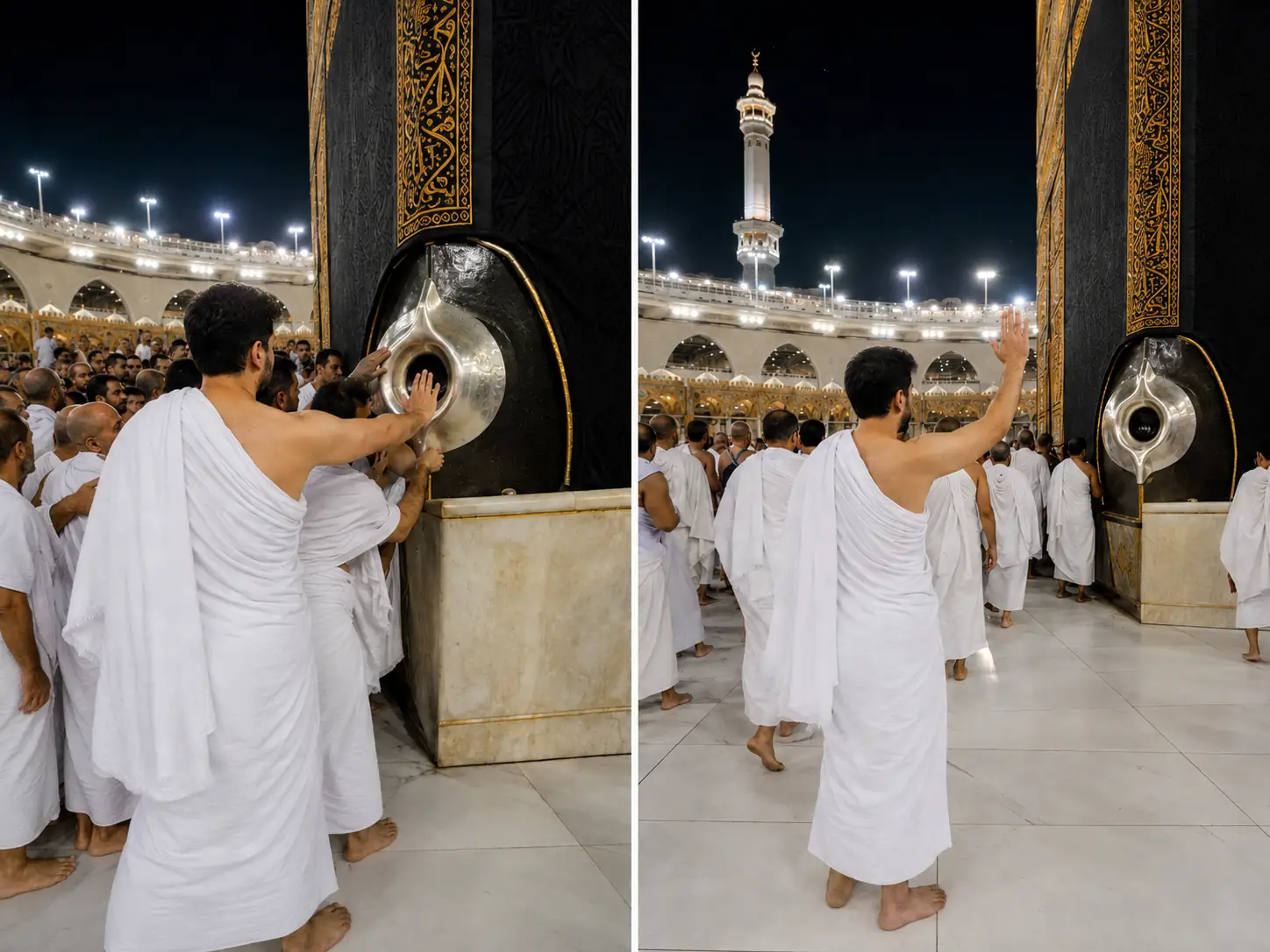
Myth 9: You must kiss the Black Stone or your Tawaf isn't complete
The Myth: Pilgrims push through dangerous crowds just to kiss Black Stone, believing this is an obligatory practice.
The Truth: It’s a Sunnah to kiss the Black Stone, not compulsory. If it's unsafe or too crowded, simply pointing toward it with your hand suffices.
Evidence: According to Hadith & Fiqh confirms that just kissing the Black Stone (Al-Hajar al-Aswad) is a Sunnah, not an obligation at all, nor a pillar of Tawaf.
Takeaway: Your safety comes before reaching the Black Stone, and it’s not fair to push through crowds while hurting others; pointing from a distance is believable.
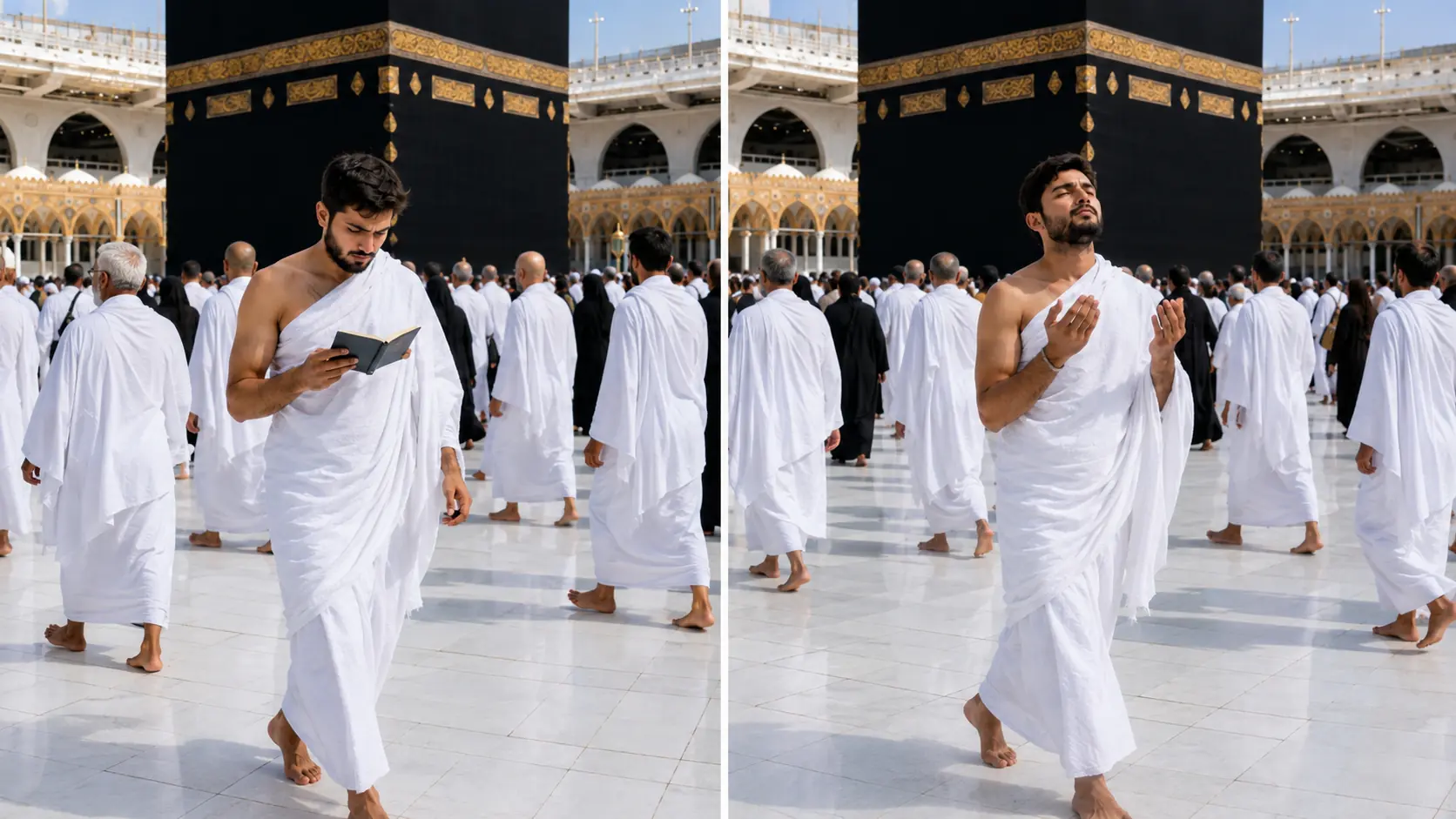
Myth 10: Each round of Tawaf requires its own specific, memorised dua
The Myth: Many pilgrims carry a dua booklet with them, assigning a unique prayer to each of the seven rounds.
The Truth: This isn't a Sunnah. The Prophet ﷺ made general supplications and encouraged personal, heartfelt dua rather than a fixed script per round of Tawaf.
During Tawaf, there’s one supplication which is authentically reported from the Prophet ﷺ and is recommended to be recited while walking between Rukn Yamani (the Yemeni Corner) and the Black Stone, and you’re open to read other supplications of your choice for other circuits as well.
The dua is:
“Rabbana atina fid-dunya hasanah wa fil-akhirati hasanah wa qina ‘adhaban-nar.”
Evidence: Ibn Taymiyyah, in Majmu‘ al-Fatawa (26/122), stated that no specific form of remembrance for Tawaf has been authentically reported from the Prophet ﷺ, nor something he commanded, said, nor taught. Therefore, a pilgrim may make any supplication from the Qur’an and Sunnah while performing Tawaf.
Takeaway: You’re free to speak to Allah in your own words during Tawaf; there's no specific supplication that one should follow.
Summary
Umrah myths spread easily because they feel safe, not because they're true. As soon as you check the Quran and Sunnah, most of these worries simply disappear.
Shaving the entire head isn't the only option, periods don't cancel your trip, and cheaper packages don't make your Umrah less valid or rewarded. Focus on sincerity and obeying the real rulings, not old stories passed down without proof.
Note: When in doubt, ask a qualified scholar instead of trusting what everyone else believes in.
Frequently Asked Questions
What is not allowed in Umrah?
Sexual intimacy, arguing with anyone, using perfume, cutting hair/nails, and hunting are forbidden during Ihram. Men aren’t allowed to wear stitched clothing or cover their heads; women can't cover their faces.
What to do if you get your period during Umrah?
You can continue Ihram and other rituals as normal, but you’re allowed to delay Tawaf until your bleeding stops and you've done ghusl. This follows the Prophet's ﷺ instruction to Aisha in an authentic hadith.
Does Umrah remove all sins?
Umrah expiates minor sins committed since your last Umrah, per Sahih al-Bukhari and Sahih Muslim. In cases of major sins involving others' rights, separate repentance is needed.
How long does Umrah take?
Core rituals take 2–6 hours depending on crowds and pace. Tawaf is ~30–60 min, Sa'i ~45–60 min, hair cutting 15–20 min.
