


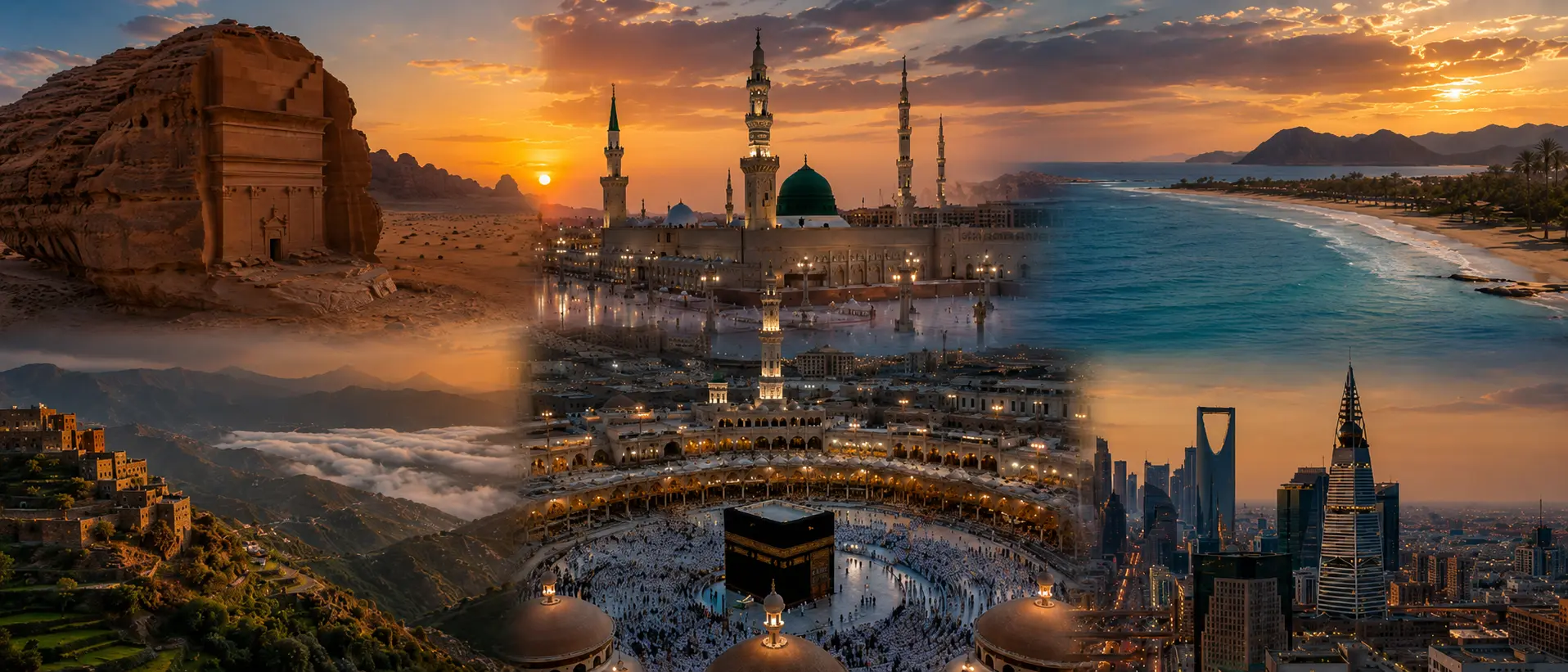
17 Amazing Places to Visit in Saudi Arabia
Planning Your Trip to Saudi Arabia- Top Places to Visit
Saudi Arabia is a country of remarkable contrasts, where ancient history meets modern ambition, and breathtaking natural landscapes sit alongside some of the world's most sacred religious sites. While millions of Muslims visit the Kingdom each year for Hajj and Umrah, Saudi Arabia offers far more than its spiritual significance.
From dramatic mountains and pristine beaches to UNESCO World Heritage Sites, vibrant cities, and hidden desert wonders, the country is rapidly becoming one of the most exciting travel destinations in the Middle East.
Whether you're planning a pilgrimage, a family holiday, an adventure-filled getaway, or a cultural exploration, there are countless amazing places to visit in Saudi Arabia that showcase the Kingdom's rich heritage, natural beauty, and warm hospitality. From the sacred cities of Makkah and Madinah to the stunning landscapes of AlUla, the Red Sea coast, and the mountains of Asir, every destination offers a unique experience.
In this guide, we explore some of the most amazing places to visit in Saudi Arabia, helping you discover the diverse attractions that make the Kingdom a destination unlike any other.
Top And Amazing Places to Visit in Saudi Arabia- Beyond Makkah & Madinah
Makkah
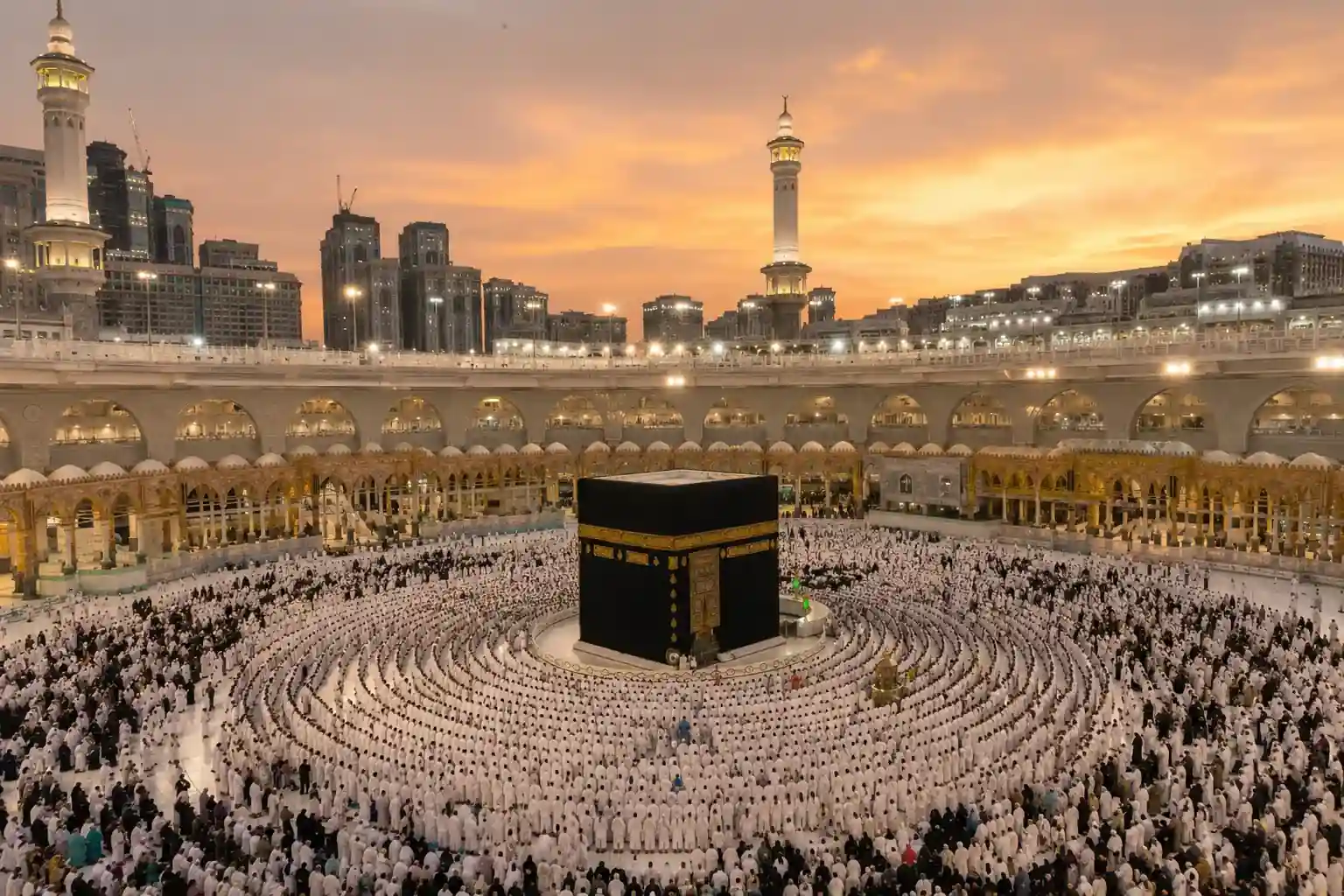
Makkah, the most sacred city for Muslims, is the best place to visit in Saudi Arabia. At Masjid Al-Haram, pilgrims feel an overwhelming spiritual experience when they first lay their eyes on Kaaba. However, the city is only accessible to Muslims.
A visit to Makkah is a lifelong dream of every Muslim living outside the Kingdom. A pilgrimage to this place is a religious obligation for all Muslims who are financially and physically able. It is the birthplace of the Prophet Muhammad (PBUH) and is dotted with religious monuments.
It is a modern city with the heart of a traditional Arabian village. There are immense ongoing construction projects, and wherever you look, there are men wandering the streets dressed in two simple white cotton sheets.
Madinah
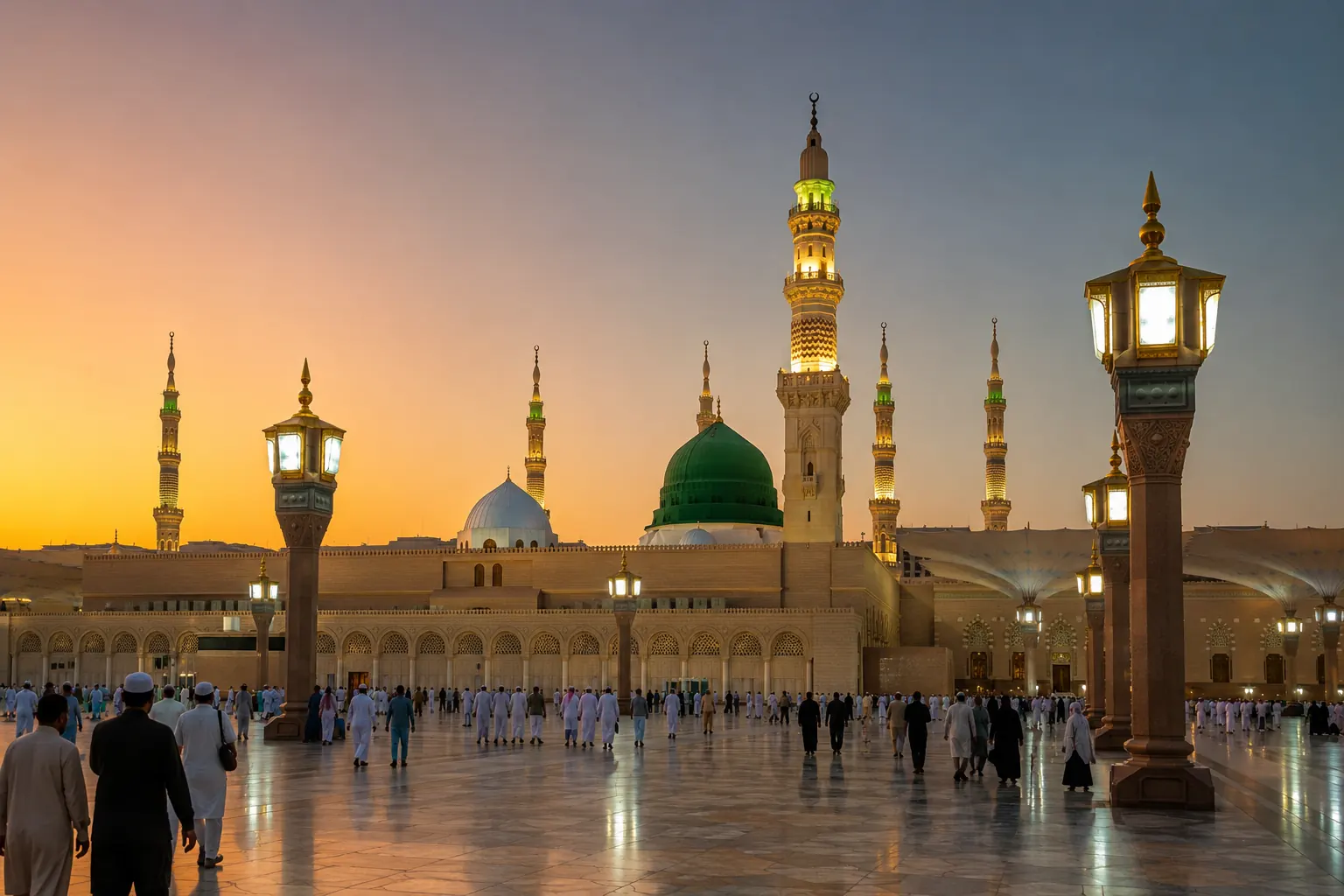
No list of amazing places to visit in Saudi Arabia would be complete without mentioning the blessed city of Madinah. The sacred city of Madinah is also known as the ‘city of the Prophet’. It is the place where Prophet Muhammad (PBUH) was given refuge after being exiled from Makkah. He lived, propagated the message of Islam, built a mosque and fought crucial battles here.
It is also the place where he was finally laid to rest. Pilgrims from all over the world come to visit Madinah to learn about the life and teachings of the Prophet (PBUH), but the central area of this sacred city is off-limits to non-Muslims. Prophet’s time here was extremely significant in Islamic history, which can be understood by the fact that the Islamic calendar starts from the year 622, when he migrated to Medina.
Madinah, just like Makkah, is centred on a grand mosque, the Prophet’s Mosque (Masjid-e-Nabawi). The mosque is surrounded by luxury hotels and various eating outlets, and the rest of the Medina is sprawling from there.
Madain Saleh | Al-`Ula, Madina Region
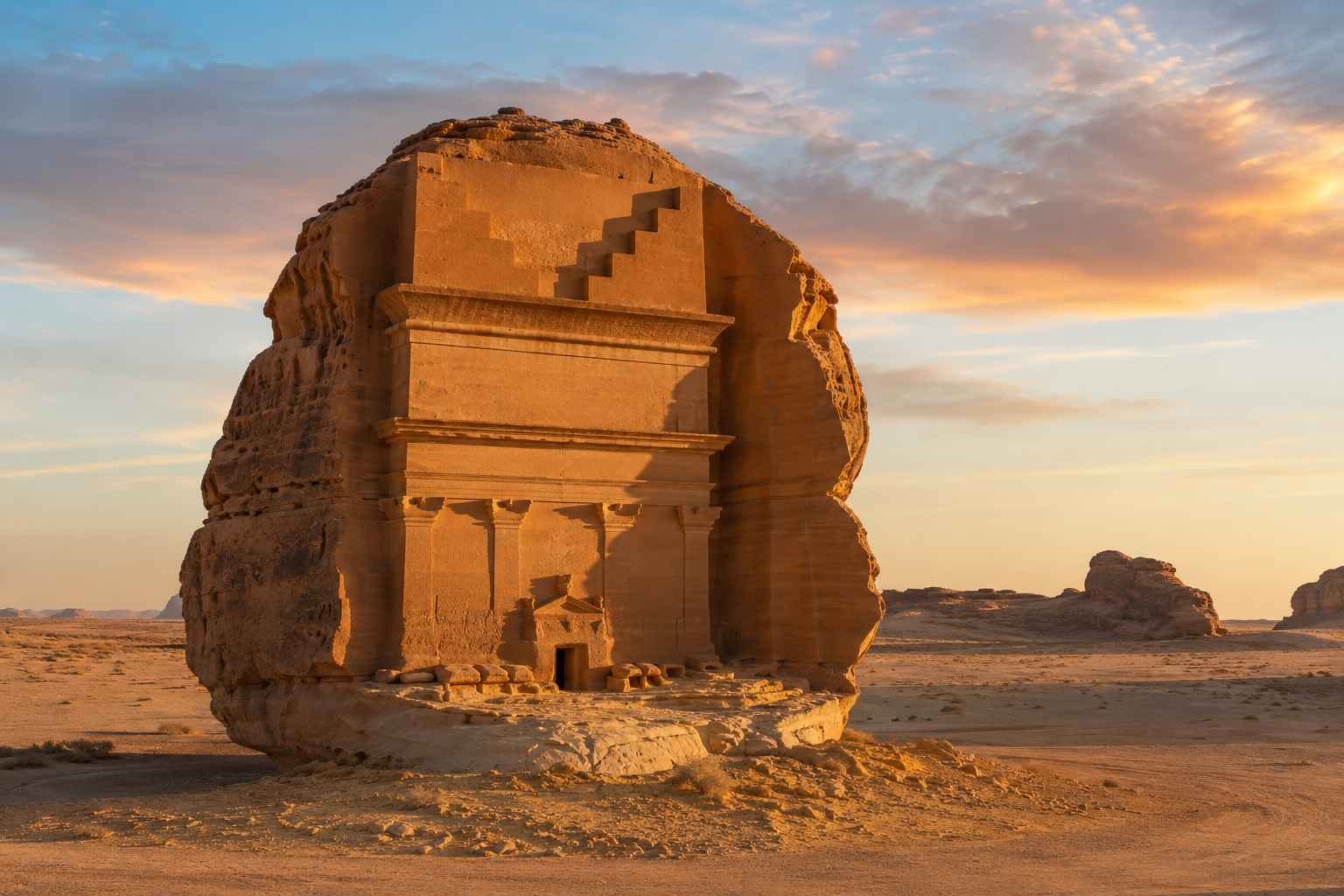
If you have time to visit just one place in Saudi Arabia, Madain Saleh should be your choice. Though not as well-known as Petra, it was the Nabateans’ second-largest city that played a crucial role in their mysterious empire. A UNESCO World Heritage Site, these monumental stone-hewn tombs are some of the last and well-preserved remains of the lost kingdom.
Add to this the breath-taking scenery and rich history, and you have a destination worth exploring. Madain Saleh is not only about the tombs of the ancient Nabatean people, but there is also much more for tourists to explore. The nearby town of Al-Ula is scattered with golden rock formations, an old mud village, lush citrus farms, museums, ruins and tombs of Khuraibah.
Najran | Najran Province
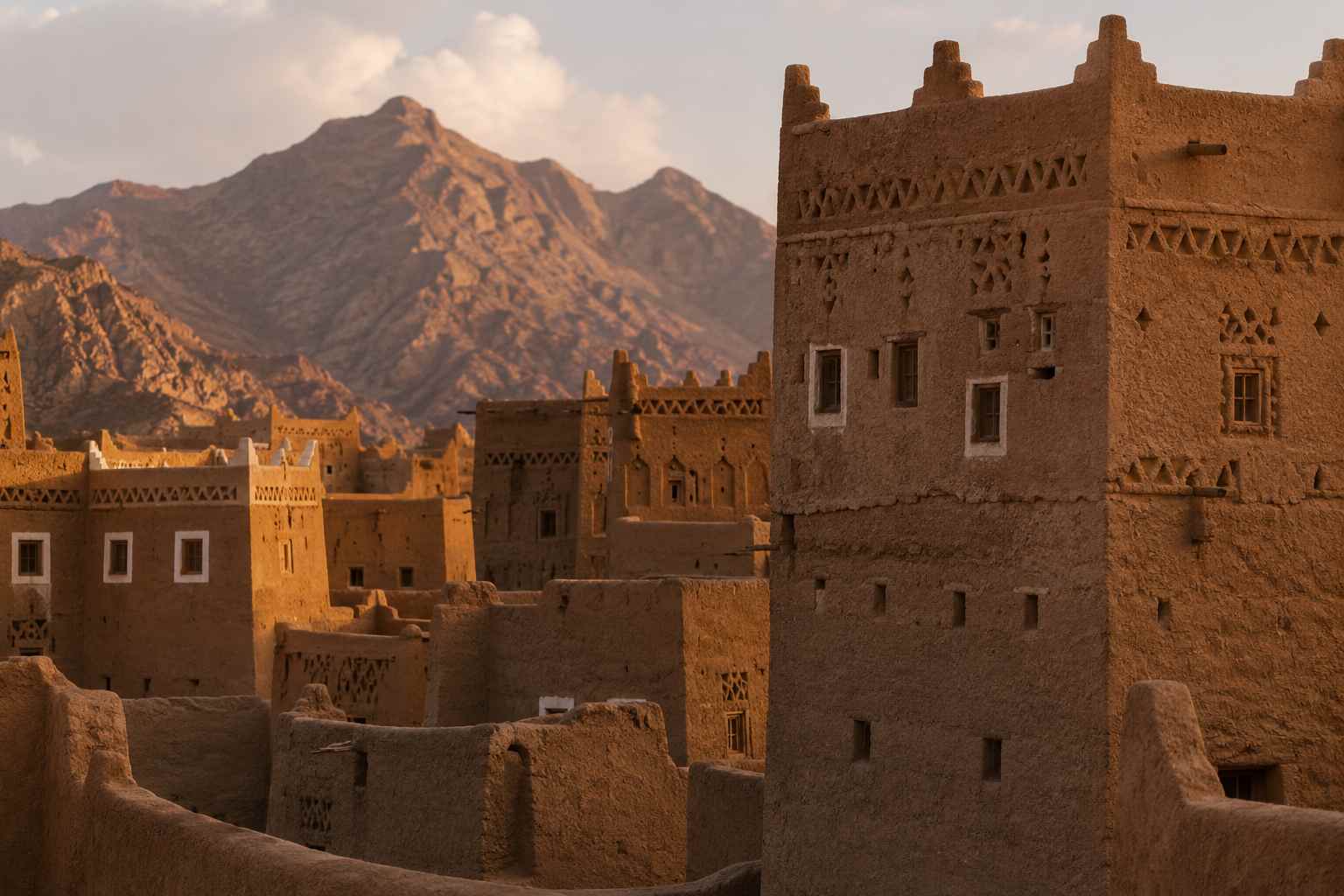
The vibrant city of Najran on the Yemeni border offers a remarkable experience in Saudi Arabia for travellers. With a unique history, architecture and culture that blends in with neighbouring Yemen, Najran pleases even the most disinterested traveller.
It is said that the land got its name from the first man who settled in the region, Najran ibn Zaydan ibn Saba ibn Yahjub ibn Yarub ibn Qahtan. It was once the hub for textile and material making, and Kiswa, the cloth for the Kaaba, was made here at first. Najran was also an important stopping place on the Incense Route.
Al Khobar | Eastern Province
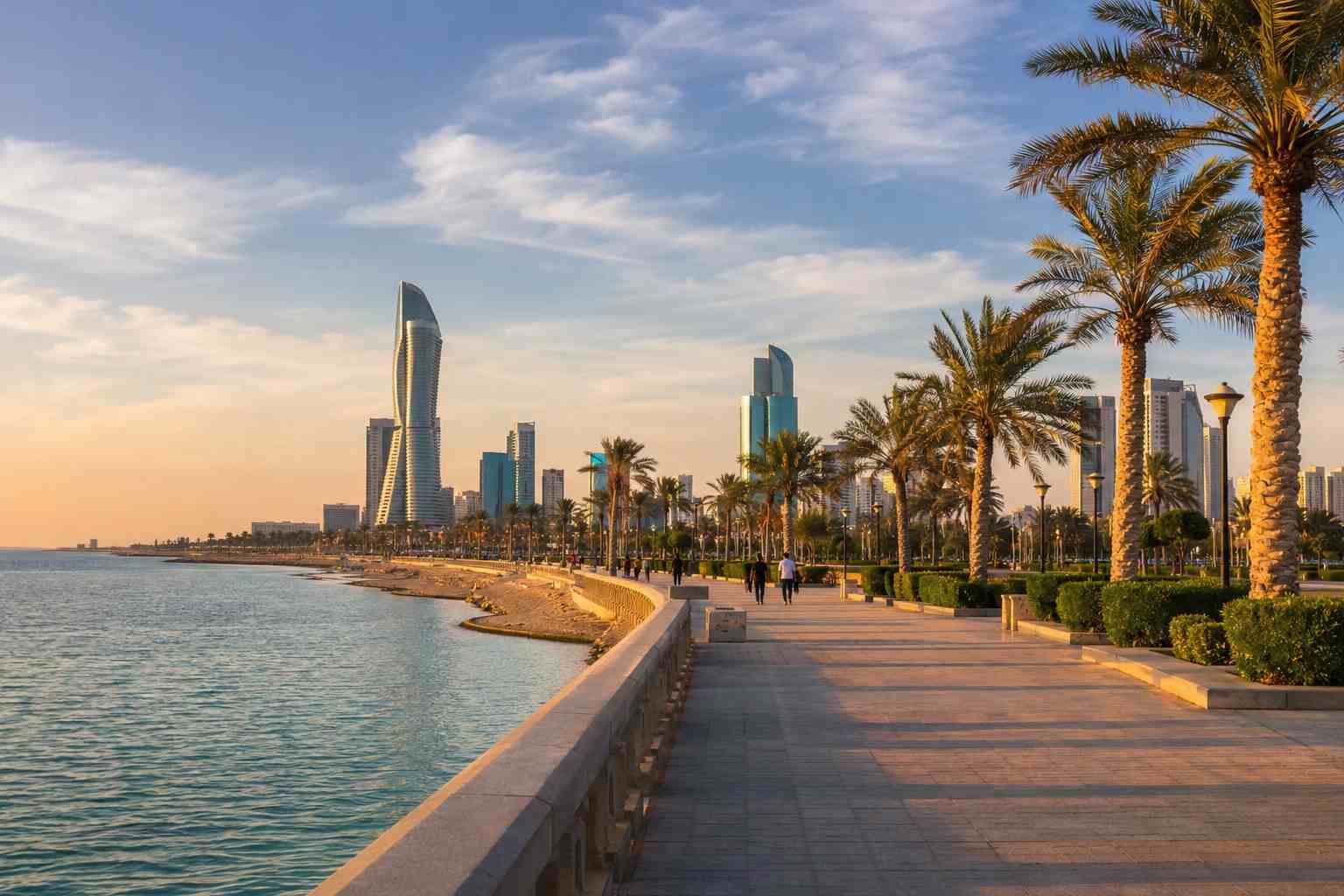
Saudi Arabia is not only about deserts and historical sites; some of the most amazing places to visit in Saudi Arabia include modern coastal cities like Al Khobar.
A pleasant seaside city on the Kingdom’s eastern coast, Al Khobar is popular for its relaxed beaches, award-winning architecture and cool shopping outlets. There are plenty of things to indulge in, keeping you busy on a weekend if you decide to visit the city.
It is one of the most attractive cities in Great Dhahran. Al Khobar boasts some of the finest restaurants and is quite ideal for gourmet lovers. There is a vast corniche, called Khobar Corniche, along the waterfront where you can take a stroll in the evening while enjoying the great views.
The Farasan Islands | Red Sea
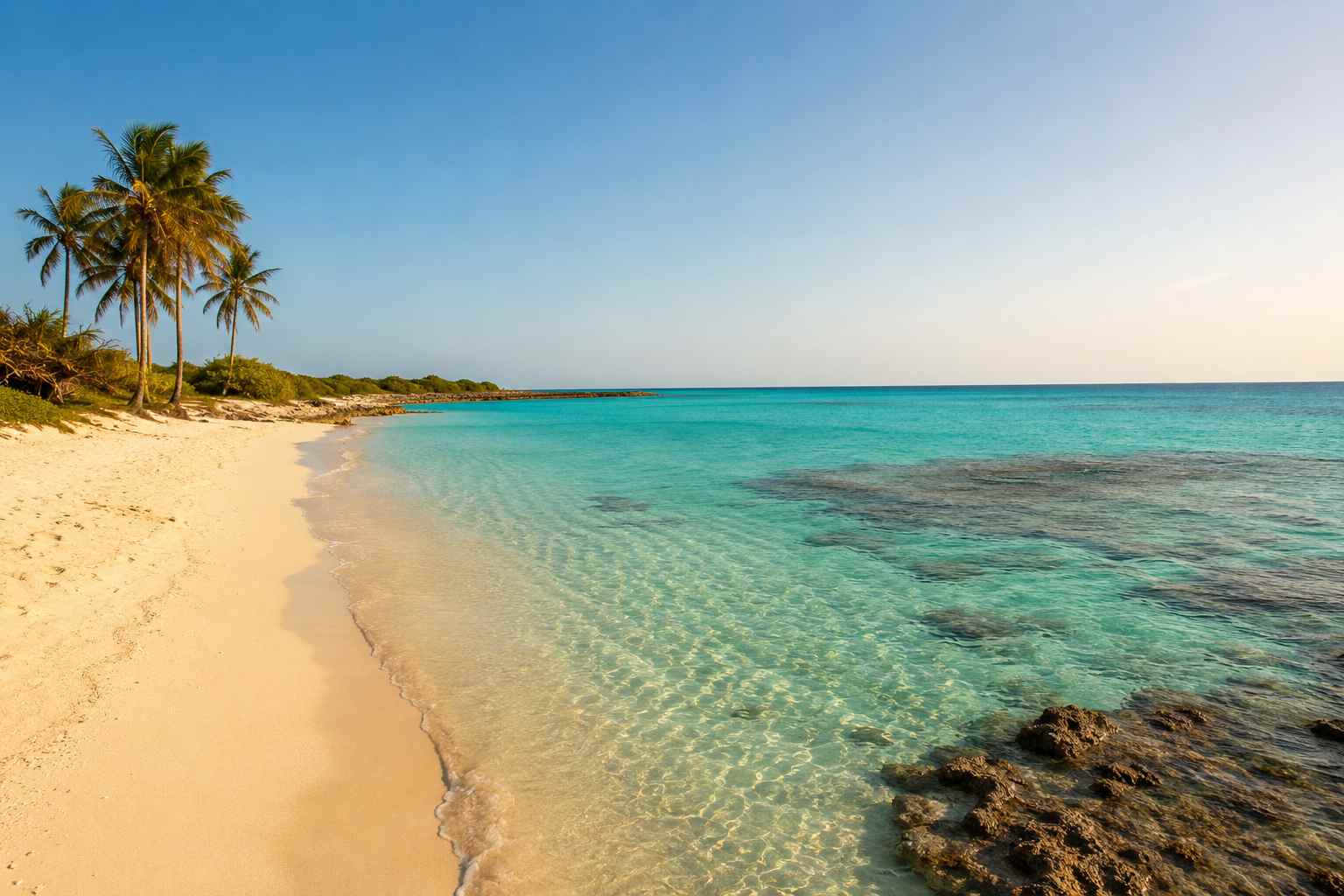
Located just off the coast of the southwestern part of Saudi Arabia in the Red Sea, the Farasan Islands are an archipelago of 84 coral islands, with only three of the islands that are permanently inhabited. If you are heading to the Kingdom for a holiday, it is one of the must-visit places in Saudi Arabia that you should not miss.
Farasan Island might be the world´s most surprising beach destination, but beautiful nonetheless. It is also a great diving destination and offers private beaches and sand for every kind of traveller. A heaven for bird watchers, the islands have mangroves and prevalent Gazelle species as well as numerous historical sites on the main island.
Al Soudah | Abha Region
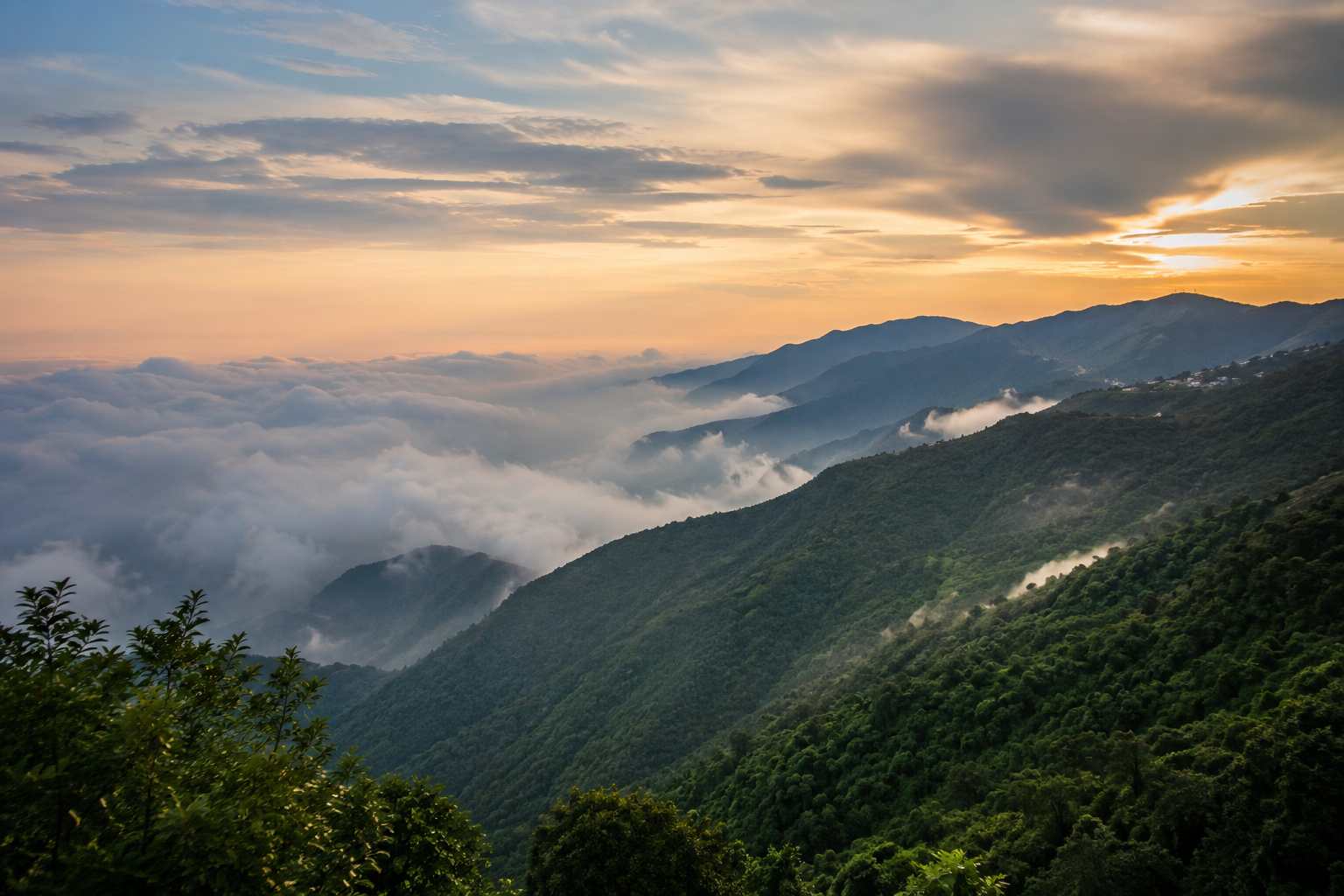
Situated on the Sirwat Mountains — 28 km west of Abha- the mountainous landscape of Al Soudah is a departure from the endless dunes you see elsewhere in the Kingdom of Saudi Arabia. It boasts lovely views of the countryside and serene greenery which is the highlight of any trip to this region.
It also serves as an excellent location for paragliding and in fact, a paragliding competition is held here every summer during the Assir festival. Covered in dark trees growing all over the mountain, Al Soudah is also known as the Green Mountain. Visitors can go trekking on the hills that are covered with thick vegetation and enjoy the panoramic view from the top.
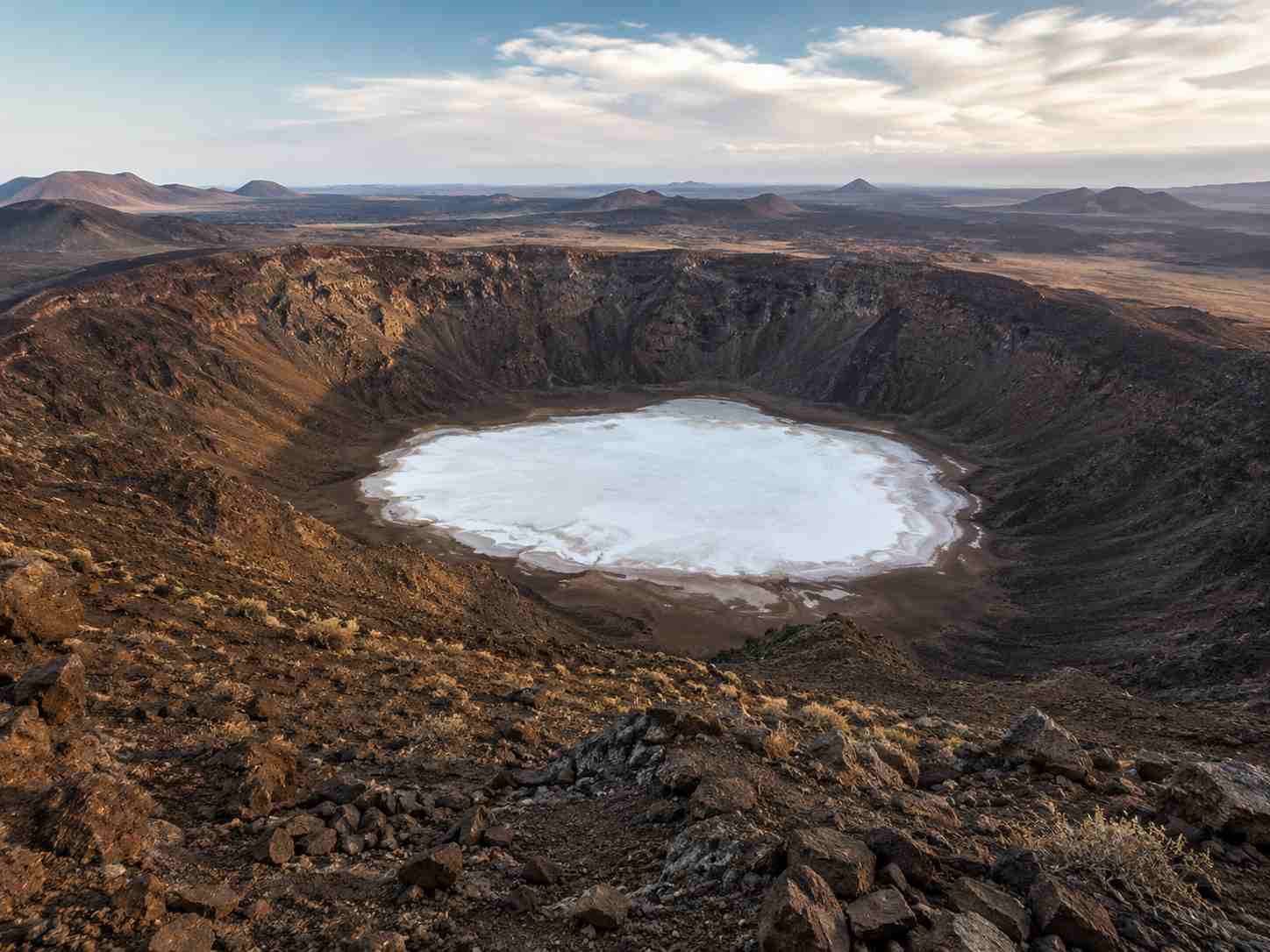
Al Wahba Crater | Harrat Kishb
Located 700 km from Riyadh towards the city of Taif, Al-Wahba Crater is the result of an underground volcanic explosion. Measuring 1.3 km across and 200 m deep in the middle of the desert, it is a protected site under the National Commission for Wildlife Conservation and Development (NCWCD) of Saudi Arabia.
Al Wahba Crater is almost similar to Barringer Crater situated in the Arizona desert of the United States. With lava fields, an oasis and salt pans, this crater can easily be explored by foot and makes for an unforgettable experience. Climbing this crater almost feels like landing on the moon or climbing to the top of Mount Everest. Al-Wahba Crater is undoubtedly one of the most famous destinations in Saudi Arabia that must not be missed during your trip to the Kingdom.
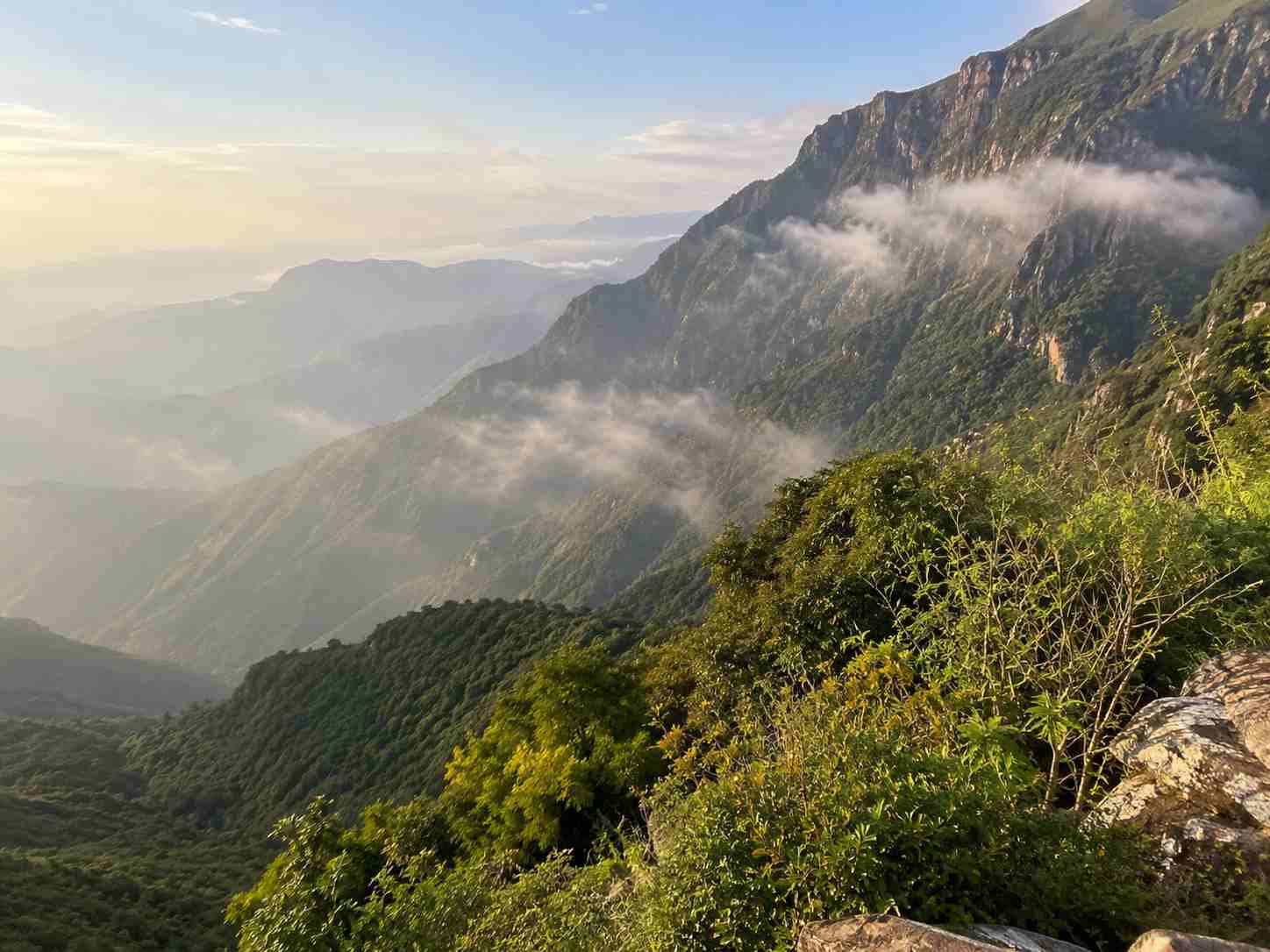
Asir National Park | Abha
Asir region is the epicentre of the culture and heritage of Saudi Arabia. It is also home to the very first national park in the country. With majestic mountains, lush forests and coastal plains of the Red Sea, the Asir region must be included in your Saudi Arabia itinerary.
Covering an area of 4,500 sq. km, Asir National Park stretches from the desert in the east to the Red Sea coast. It is also home to the critically endangered Arabian leopard but you’re unlikely to find one as they live in the inaccessible mountainous ridges. However, what you’re likely to witness here is the abundant greenery, Hamadryas baboons and majestic eagles soaring over the sky.
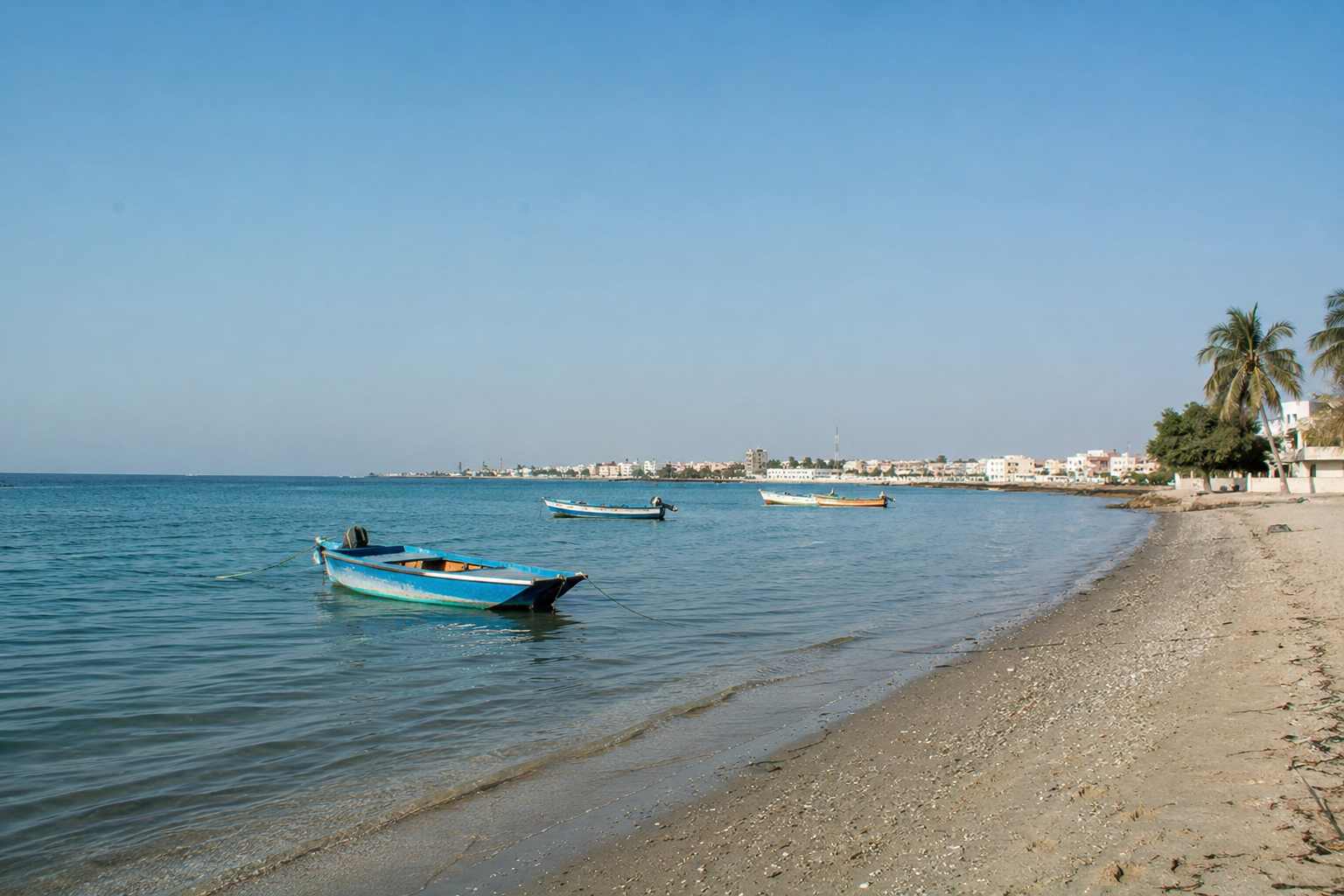
Al Lith | Makkah Province
Located 275 km south of Jeddah, Al Lith is a small town surrounded by crystal-clear blue waters and is a popular diving destination in the country. Those who want to go diving in the Farasan Banks ecosystem depart from this port. With clear waters, astounding wrecks and abundant marine life, this is Saudi Arabia’s best diving destination and should not be missed if diving is what you’re looking for.
The region is especially popular during March and June when whale sharks pass through this area. If sun and white sandy beaches are your ideas for a holiday, this remote island in the Kingdom is worth a visit.
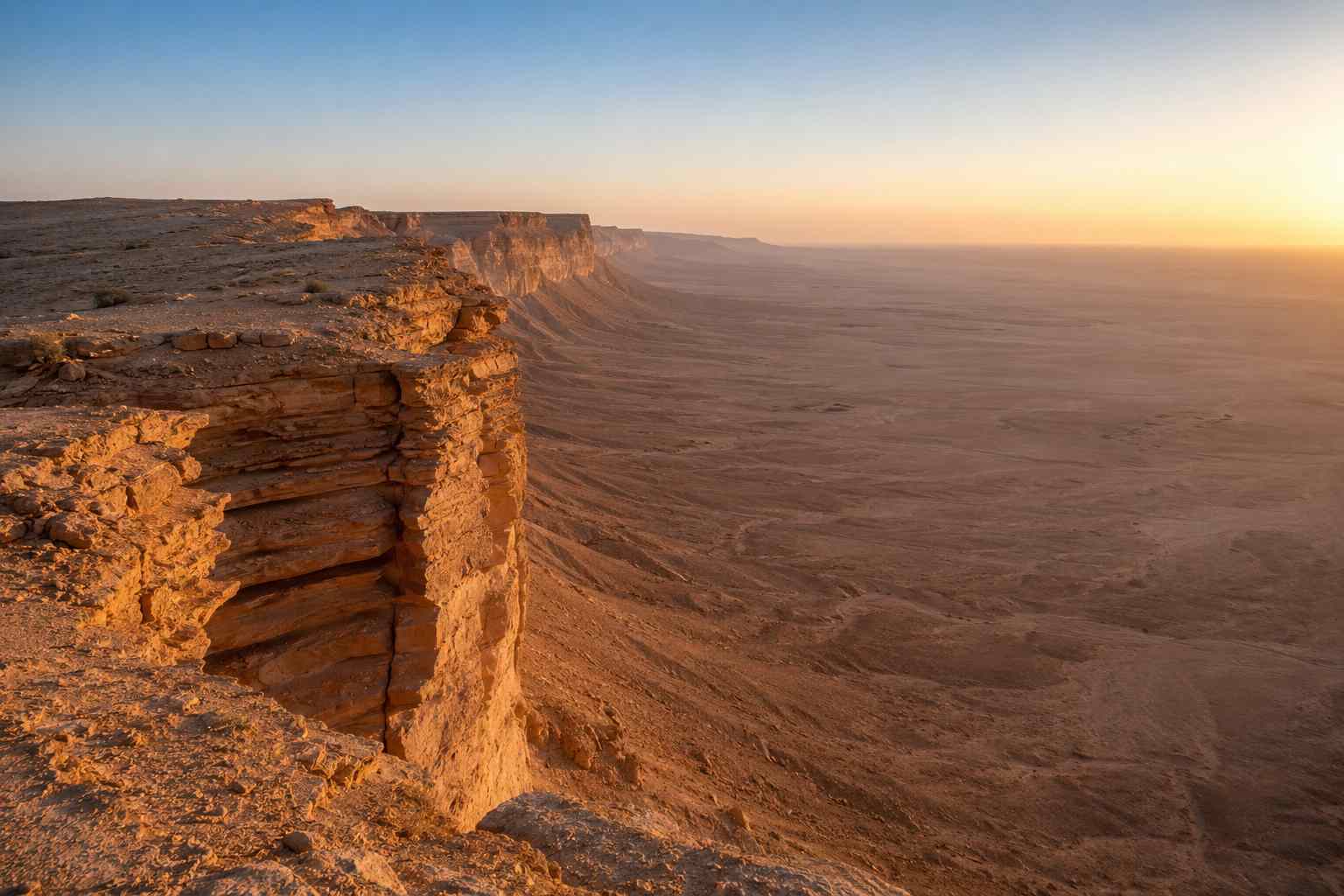
Edge of the World | Northwest of Riyadh
One of the most amazing places in Saudi Arabia visit Jebel Fihrayn, also called the Edge of the World, for the most spectacular views. It is a part of the 800 km long Jebel Tuwaiq Escarpment, and when you look from the edge to the horizon, the plains appear to continue endlessly. It is located just two hours from Riyadh and must be visited if you’re planning to go to Riyadh.
It is always a good idea to explore the capital city and its various cultural sites, from the traditional souks of Taiba and Souq Al Zal to the newly renovated Diriyah, which is the ancestral home of the ruling Al Saud family. Edge of the world is one of the best places to visit in Saudi Arabia and is equally popular among tourists and locals who like to visit the place on the weekends.
Taif | Mecca Province
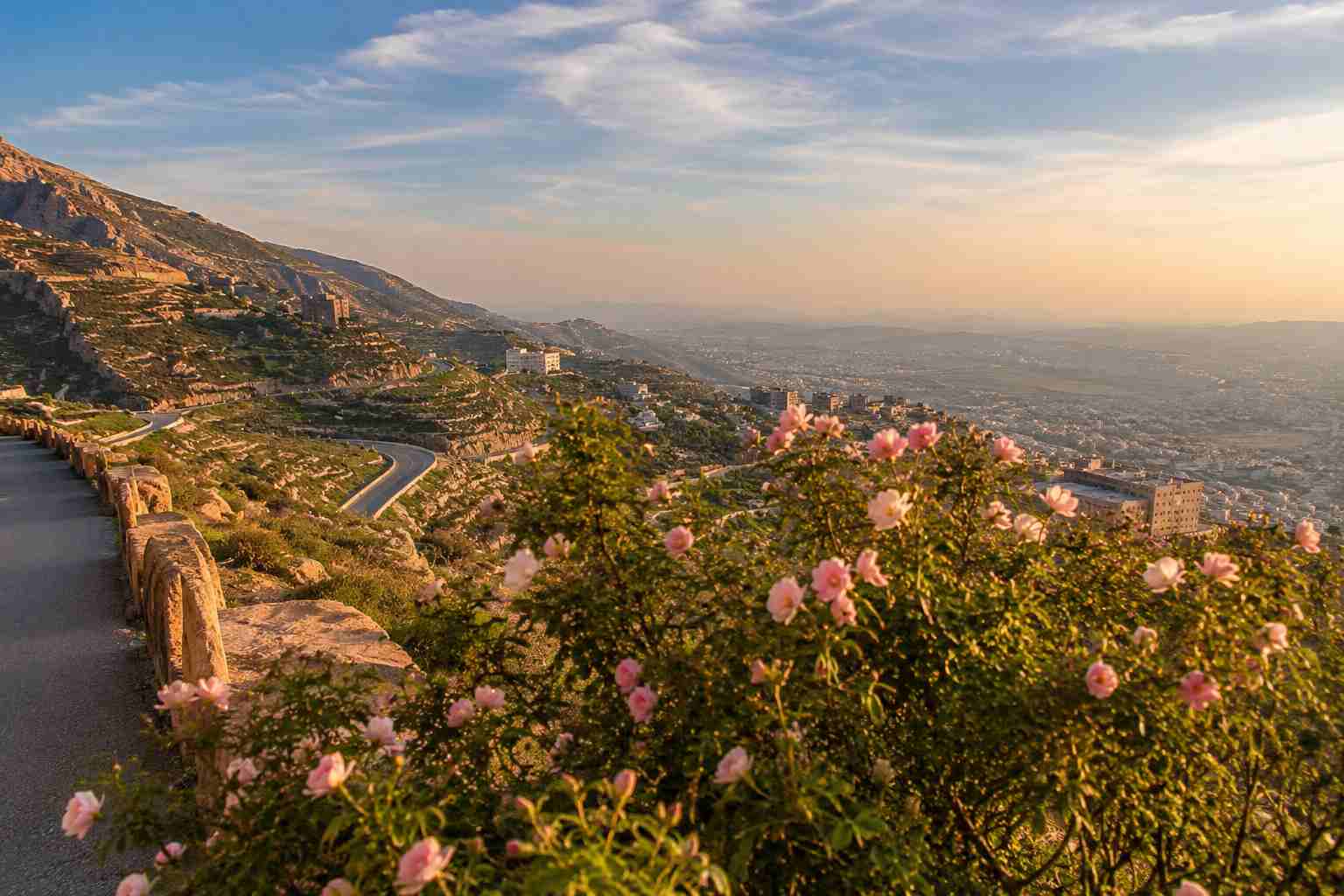
Famous for its roses and rosewater, Taif is a lovely city in the mountains towards the western part of Saudi Arabia, near Mecca. The city turns into the unofficial capital of the Kingdom when the King relocates here during the hot summer.
Situated 1,700 m above sea level, the pleasant climate of Taif is its biggest attraction, and a visit seems like a breath of fresh air compared to the humid Mecca. This region is also renowned for its agriculture with a large part of pomegranates, grapes and rose production. It is a family-friendly city with numerous gardens and open spaces that are packed with people in the evening, enjoying the cool and pleasant climate.
Al Qassim | Qassim Province
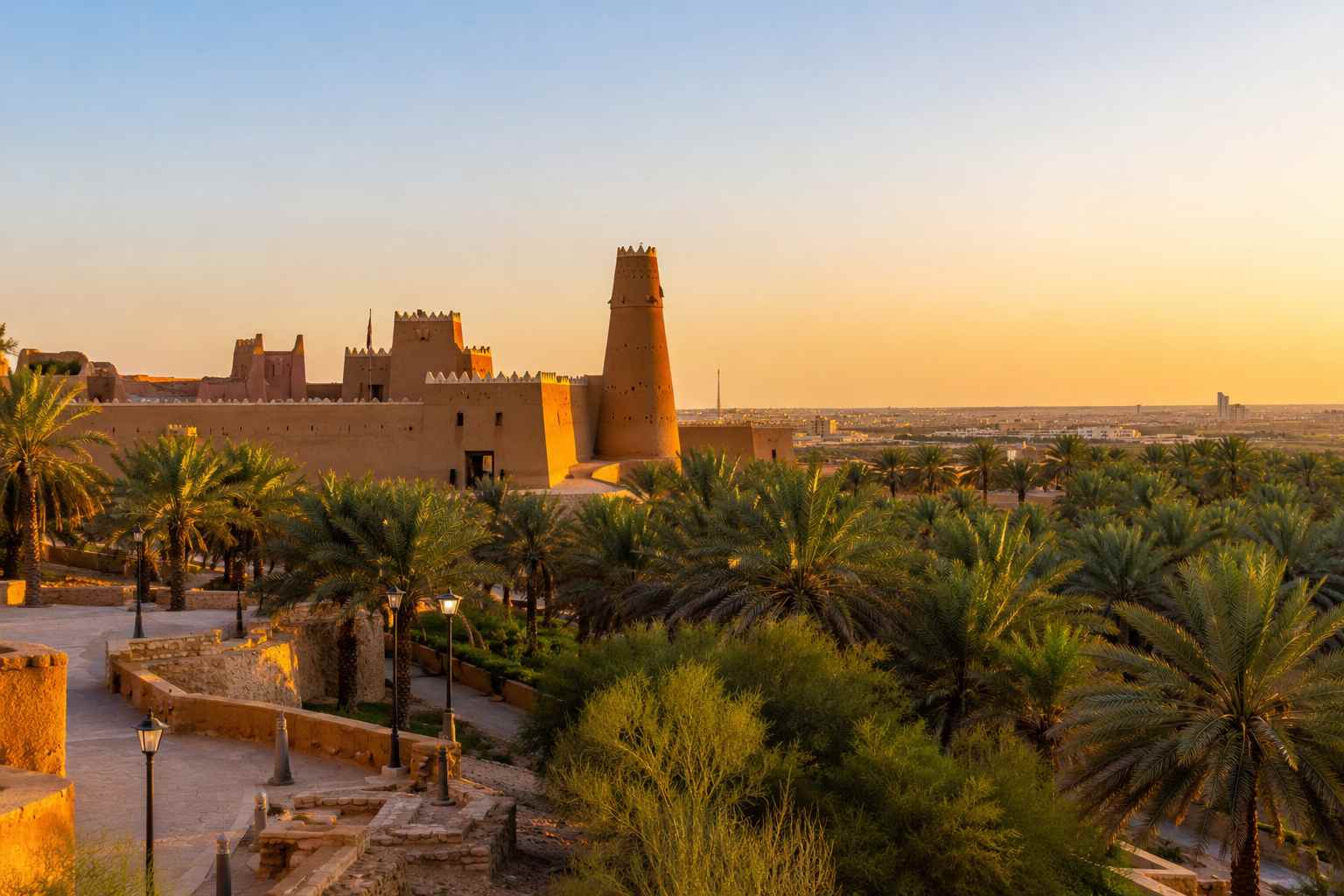
Al Qassim is a land of palm trees and festivals. Visit this part of the Kingdom if you want to experience the rich cultural heritage of Saudi Arabia. The northern towns of Buraidah and Unaizah are the two destinations that can be covered in the Qassim region for its rich cultural heritage and history.
The land is particularly fertile with ancient farmlands that grow several fruits and vegetables, including dates. The annual date festival takes place in the autumn and is a sight to behold. But no matter which time of the year you plan to visit, you’re sure to find an ongoing festival in the city. There are also lovely & unique mosques and souks to explore, making it a wonderful place to spend some days.
Yanbu | Madinah Province
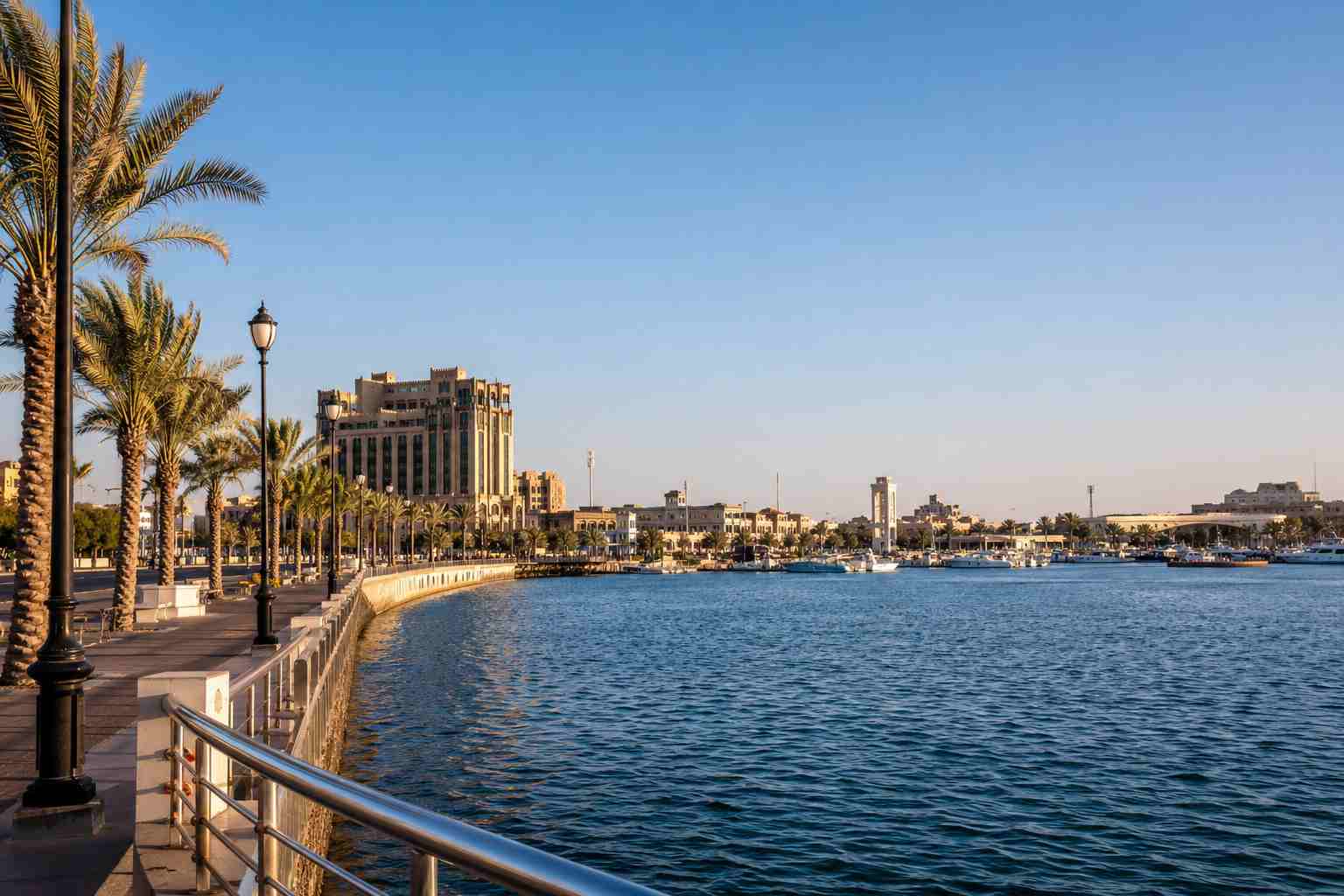
Yanbu’s history goes back to 2,500 years when it was an important point on the spice and incense route from Yemen to Egypt and the Mediterranean region. Today, it is fastly emerging as an attractive tourist destination in the country, thanks to its amazing diving site and white sandy beaches as well as numerous hotels and beach resorts.
At first glance, one wouldn’t see the area in attractive light with its backdrop of refineries and petrochemical plants but that’s just the new Yanbu that sits 15 km south of the old city. The old Yanbu has a rich history of 2,500 years and popularly known as the place where the Lawrence of Arabia stayed. Yanbu’s old town is a popular place in Saudi Arabia and worth a visit with its laidback atmosphere, historic houses, and open desert giving way to the crystal-clear blue waters.
Neom – Land of the Future | Tabuk Province
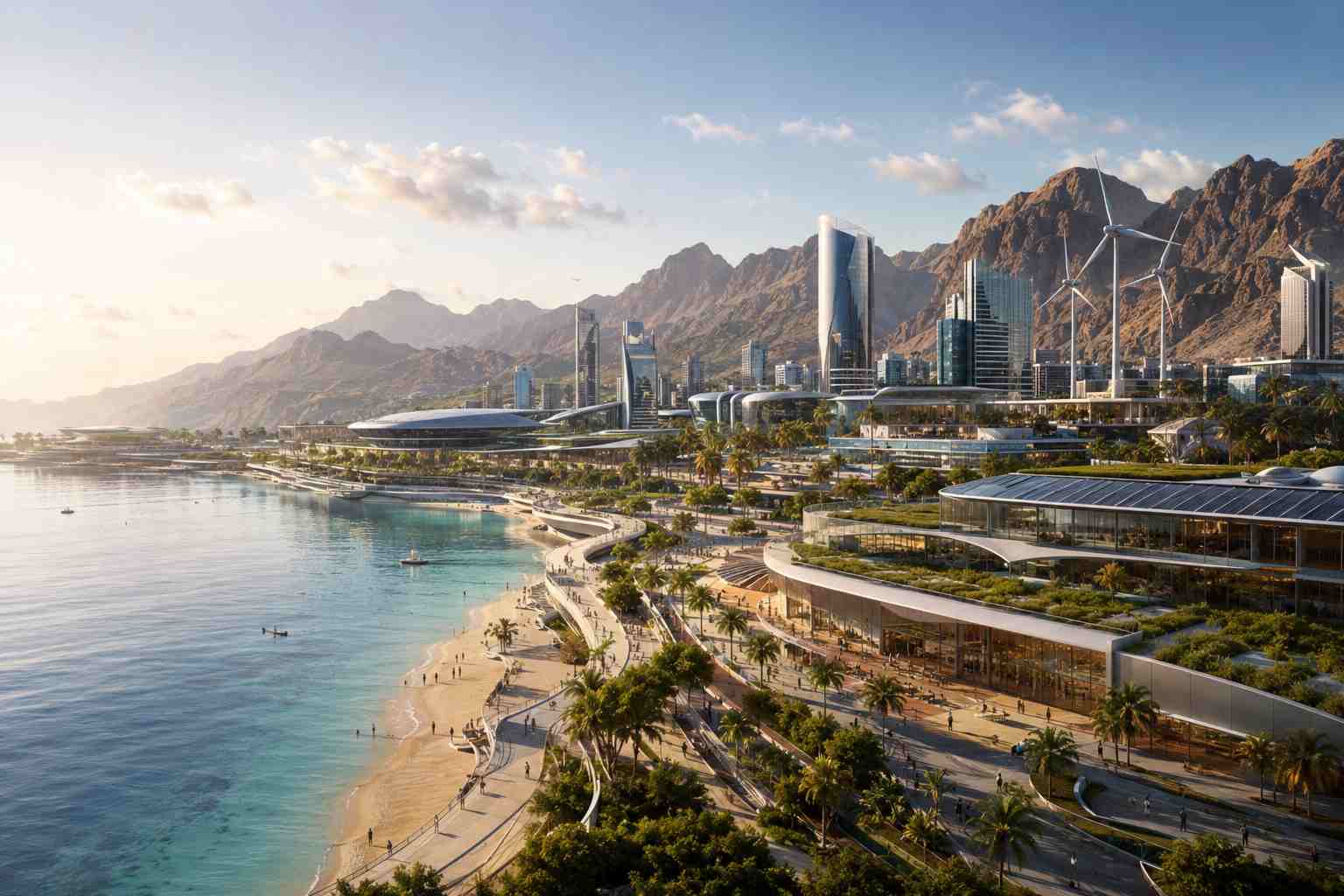
The Kingdom's future-focused developments and untouched coastlines continue to add new entries to the list of amazing places to visit in Saudi Arabia.
This $500 billion futuristic mega-project near the Red Sea in the north-western corner of Saudi Arabia is the brainchild of Crown Prince Mohammed bin Salman. Analysts and investors are sceptical about its feasibility but the region is already renowned for its natural wonders and quite popular amongst domestic tourists.
Officials are planning several projects to cater to adventure-enthusiasts. Wadi Tayib Ism, a narrow valley between the two cliffs, is the highlight of the region. It is believed by the locals that Prophet Moses (RA) landed on this valley after crossing the Red Sea from Egypt. The area also offers excellent diving opportunities. Currently, the hotel and restaurant options are limited, but residents are quite welcoming to travellers.
Umluj – Saudi Arabia’s ‘Maldives’ | Tabuk Province
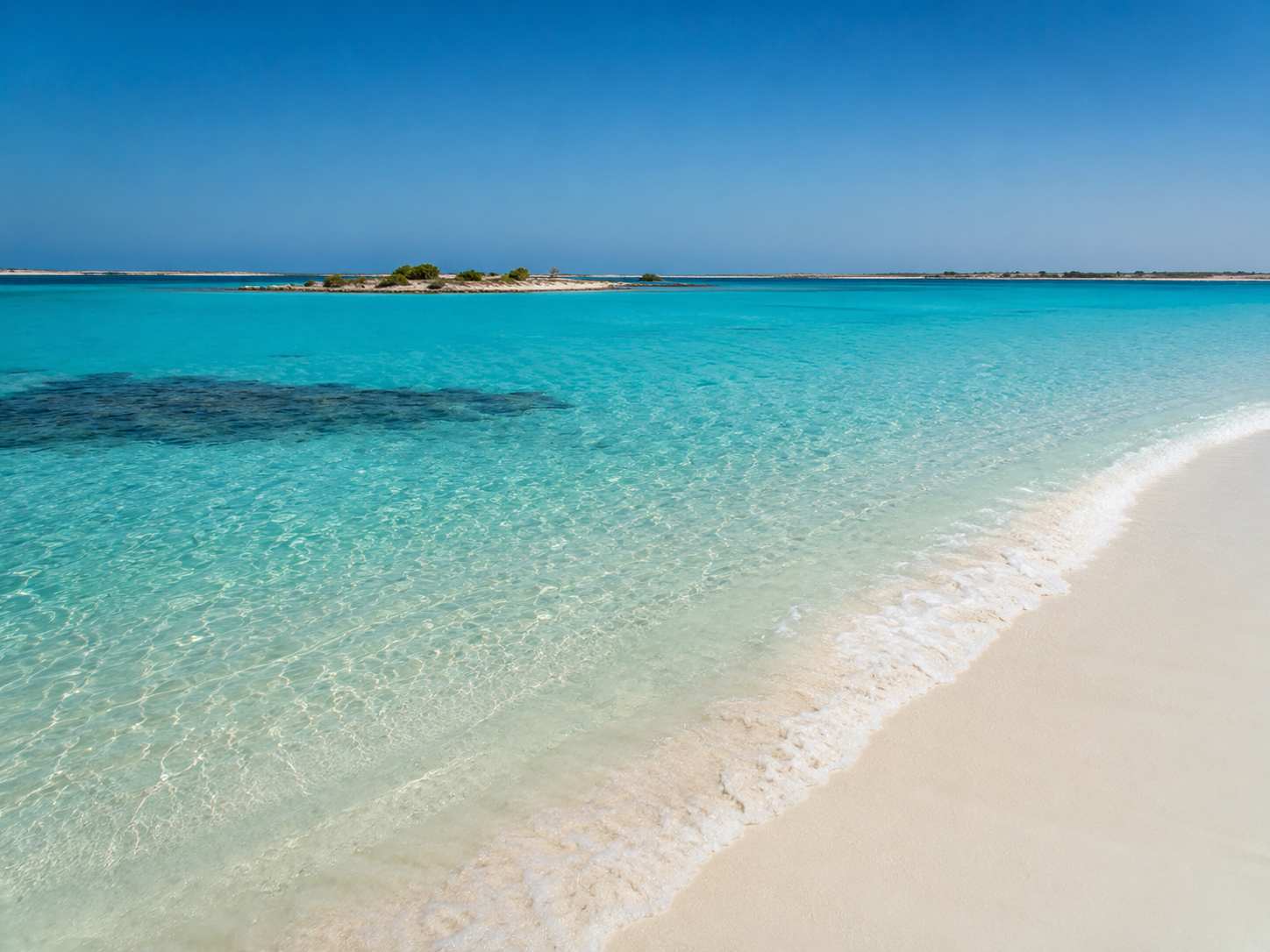
With picturesque islands and charming beaches as well as great archaeological and historical treasures, Umluj stretches 147 km north of Yanbu in western Saudi Arabia. It is partially off-limits due to the government’s Red Sea Project focusing on tourism development but it’s worth hiring a local boatman to explore the shallow waters and coral reefs around the islands that will remind you of the Maldives.
Dolphins can be spotted here in the winter. Infrastructure isn’t too great but the local hospitality is truly unmatched. Get your diving or snorkelling gear if you’re on the adventure side. The kingdom has recently loosened the social restrictions for the women like allowing them to drive or travel abroad without the permission of a male guardian, but for those women who are travelling alone, the trip isn’t without hiccups. Female tourists are expected to dress modestly.
Hail | Ha’il Region
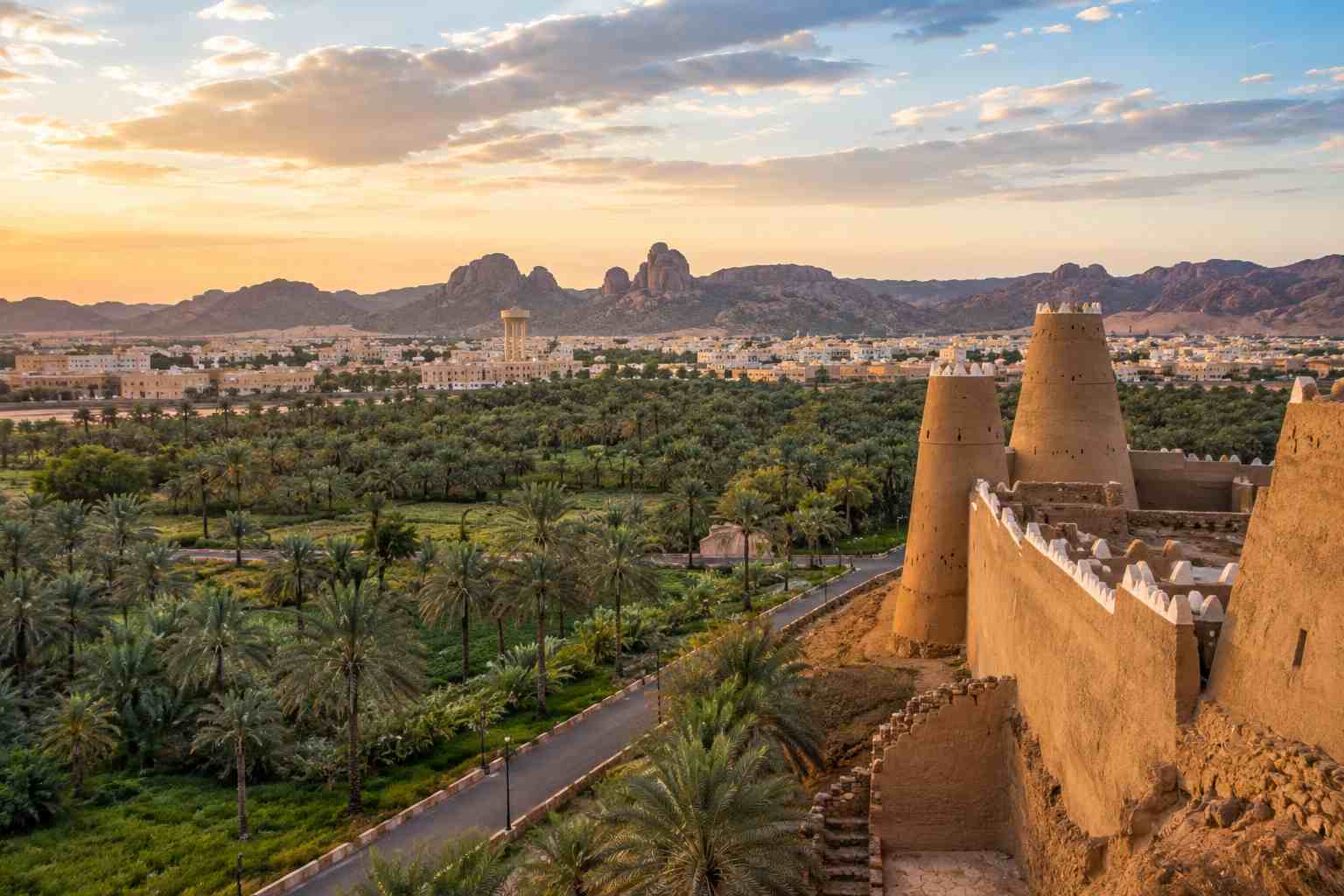
The capital of the Hail Province, Hail lies in the north-western part of Saudi Arabia and acts as a base for exploring the extensive rock site at Jubbah. It played an important role in the history of Saudi Arabia as the crossroad of trade, especially through the Hajj season, when camel caravans passed through this area.
It was the capital of the Al Rashid tribe, which was the main challenger to Al Saud’s claim for regional power. Aarif Castle will remind you of what is left of the Al Rashids while the Qishlah, built by King Abdul Aziz is a reminder of who finally won. While you’re here, it’s worth exploring the souk close to Qishlah, which is the last remnant of the traditional flea market in the region.
Final Wordings: Saudi Arabia, A Place Beyond Pilgrimage
Saudi Arabia offers far more than many travellers expect. From the spiritual atmosphere of Makkah and Madinah to the ancient wonders of Madain Saleh, the stunning mountains of Asir, the crystal-clear waters of Umluj, and the dramatic cliffs of the Edge of the World, the Kingdom is filled with unforgettable experiences.
Whether you are visiting for Hajj, Umrah, or simply exploring the country's diverse attractions, these amazing places to visit in Saudi Arabia provide a unique blend of faith, history, culture, adventure, and natural beauty.
If you're planning a journey to Saudi Arabia, Itimaar can help make your travel experience smooth and memorable. As a trusted UK-based Hajj and Umrah travel specialist, Itimaar offers carefully designed pilgrimage packages, expert guidance, and personalised travel support, allowing you to focus on making the most of your time in the Kingdom.
Frequently Asked Questions
What are the most amazing places to visit in Saudi Arabia?
Some of the most amazing places to visit in Saudi Arabia include Makkah, Madinah, Madain Saleh (AlUla), the Edge of the World, Farasan Islands, Taif, Asir National Park, Umluj, and Yanbu.
Is Saudi Arabia worth visiting for non-religious tourism?
Yes. Saudi Arabia offers UNESCO World Heritage Sites, mountains, beaches, deserts, historical towns, modern cities, and cultural attractions that appeal to all types of travellers.
What is the best time to visit Saudi Arabia?
The best time to visit Saudi Arabia is between October and March, when temperatures are cooler and more comfortable for sightseeing and outdoor activities.
Can tourists visit places outside Makkah and Madinah in Saudi Arabia?
Yes. International tourists can visit many destinations across Saudi Arabia, including AlUla, Riyadh, Jeddah, Taif, Umluj, Asir, Yanbu, and the Farasan Islands. However, the holy city of Makkah remains accessible only to Muslims.
