


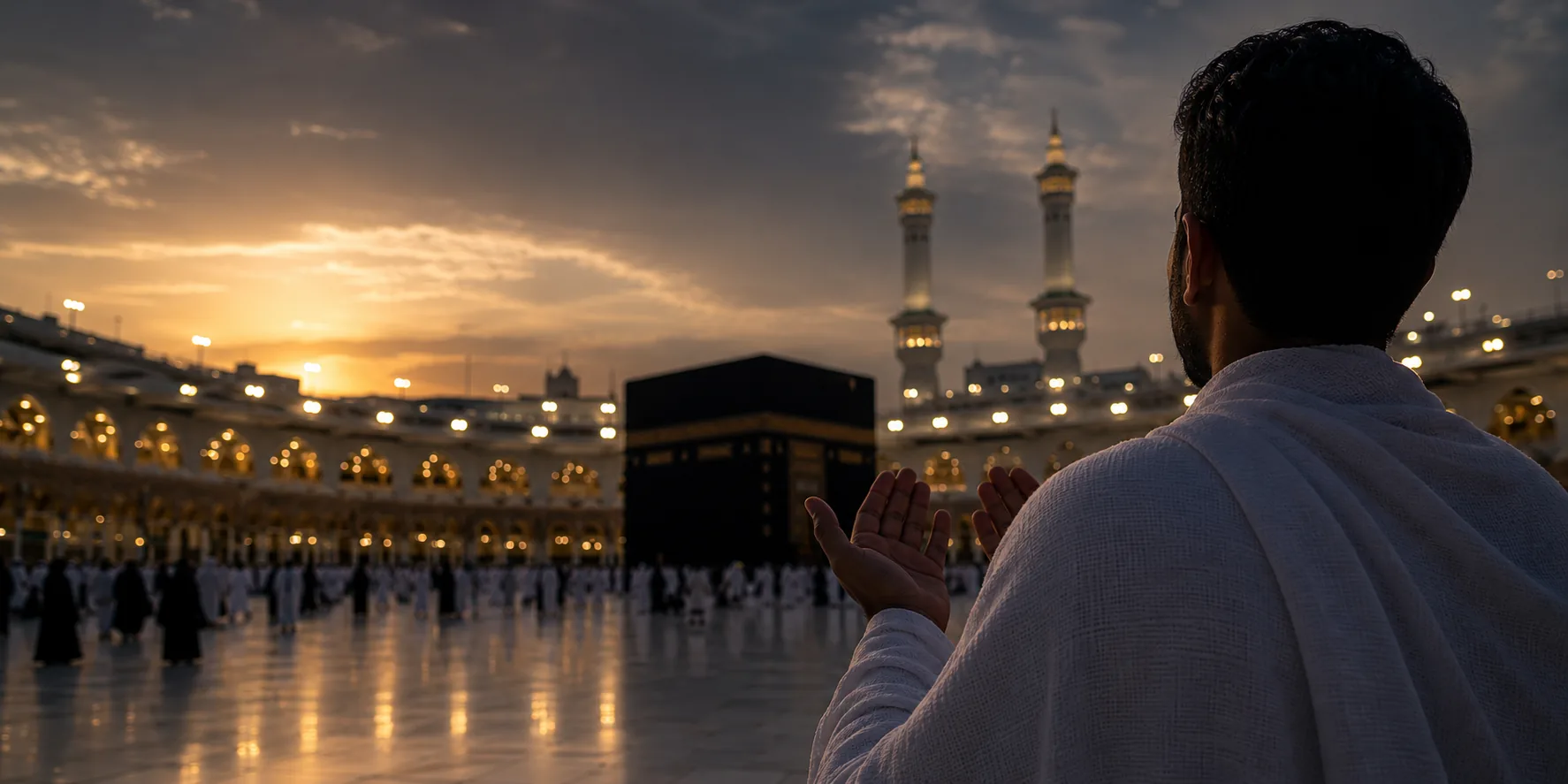
Performing Umrah on Behalf of a Deceased Loved One
Can You Perform Umrah on Behalf of a Deceased Loved One?
Umrah is a voluntary pilgrimage and a sacred journey that every Muslim aspires to perform. Millions of believers of Islam dream of visiting the House of Allah (SWT) to perform Umrah, yet only a fortunate few are granted the opportunity in their lifetime.
Umrah offers a profound opportunity to draw closer to Allah (SWT), renew faith and seek forgiveness. But what if your loved one passed away before they got the chance to experience this sacred act of worship? Can you perform Umrah on behalf of your deceased parent, spouse, or loved one?
The good news is that Islam offers a merciful opportunity to continue honouring your deceased loved ones, and Umrah on their behalf is one of the most beautiful acts of love and charity you can offer them.
This practical guide explains the ruling on performing Umrah Badal for a deceased person, the intention to make and step-by-step guidance to undertake the sacred journey with sincerity and confidence.
Why Perform Umrah on Behalf of the Deceased?
We are all aware of the fact that when a Muslim passes away, their deeds come to an end, except for beneficial knowledge, ongoing charity and the prayer of righteous children.
Performing Umrah on behalf of your deceased loved ones is considered an act of Sadaqah Jariyah (ongoing charity) that continues to benefit their soul and also earns you immense rewards.
Our beloved Prophet Muhammad (PBUH) said:
"When a man dies, his deeds come to an end except for three things: Sadaqah Jariyah (ceaseless charity); a knowledge which is beneficial, or a virtuous descendant who prays for him (for the deceased)."
(Sahih Muslim)
It was narrated by Ibn `Abbas (RA) that a woman asked the Prophet (PBUH); If she could perform Hajj on behalf of her deceased mother, and he replied:
“Yes, perform Hajj on her behalf.”
Sahih al-Bukhari, Sahih Muslim)
This powerful hadith makes it clear that it is permissible and praiseworthy to perform both Hajj and Umrah for your deceased loved ones.
Conditions You Should Know When Performing Umrah Badal
Before embarking on the sacred journey on someone else’s behalf, there are some key conditions that you should understand.
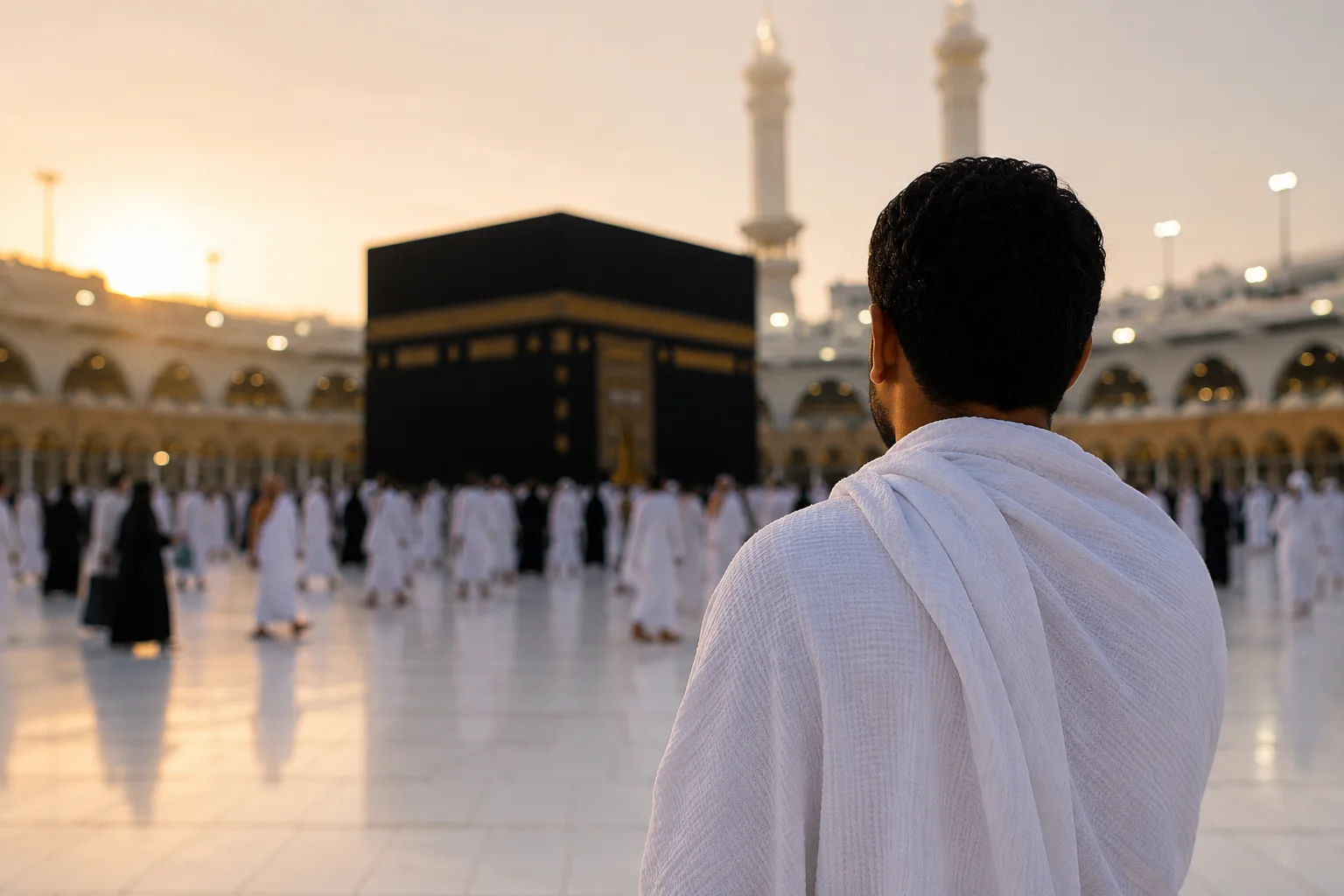
You Must Have Performed Your Own Umrah First
You should perform Umrah for yourself first, then decide to dedicate or perform Umrah for your loved ones, whether alive or deceased.
When the Prophet Muhammad (PBUH) was asked about performing Hajj for someone else, He said:
“Perform Hajj for yourself first, then for Shubruma.”
(Abu Dawood 1811)
So: Do your own Hajj/Umrah first. Once done, you can plan to perform the next Umrah for a deceased person.
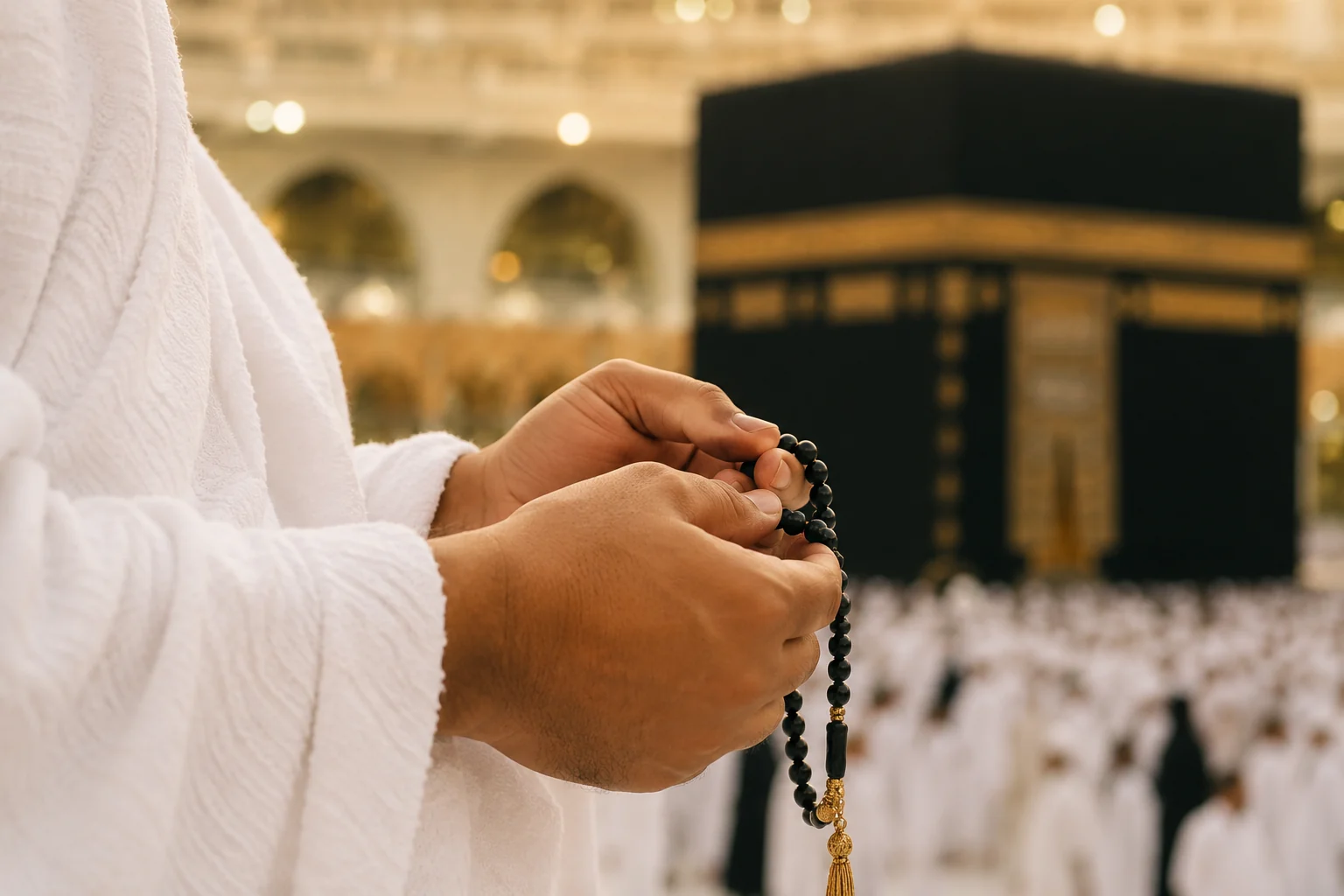
The Deceased Should Be a Muslim
Umrah is a profound journey and a powerful act of worship, so one should only perform Umrah for a believer of Islam. It is not prescribed to perform acts of worship on behalf of a deceased non-Muslim.
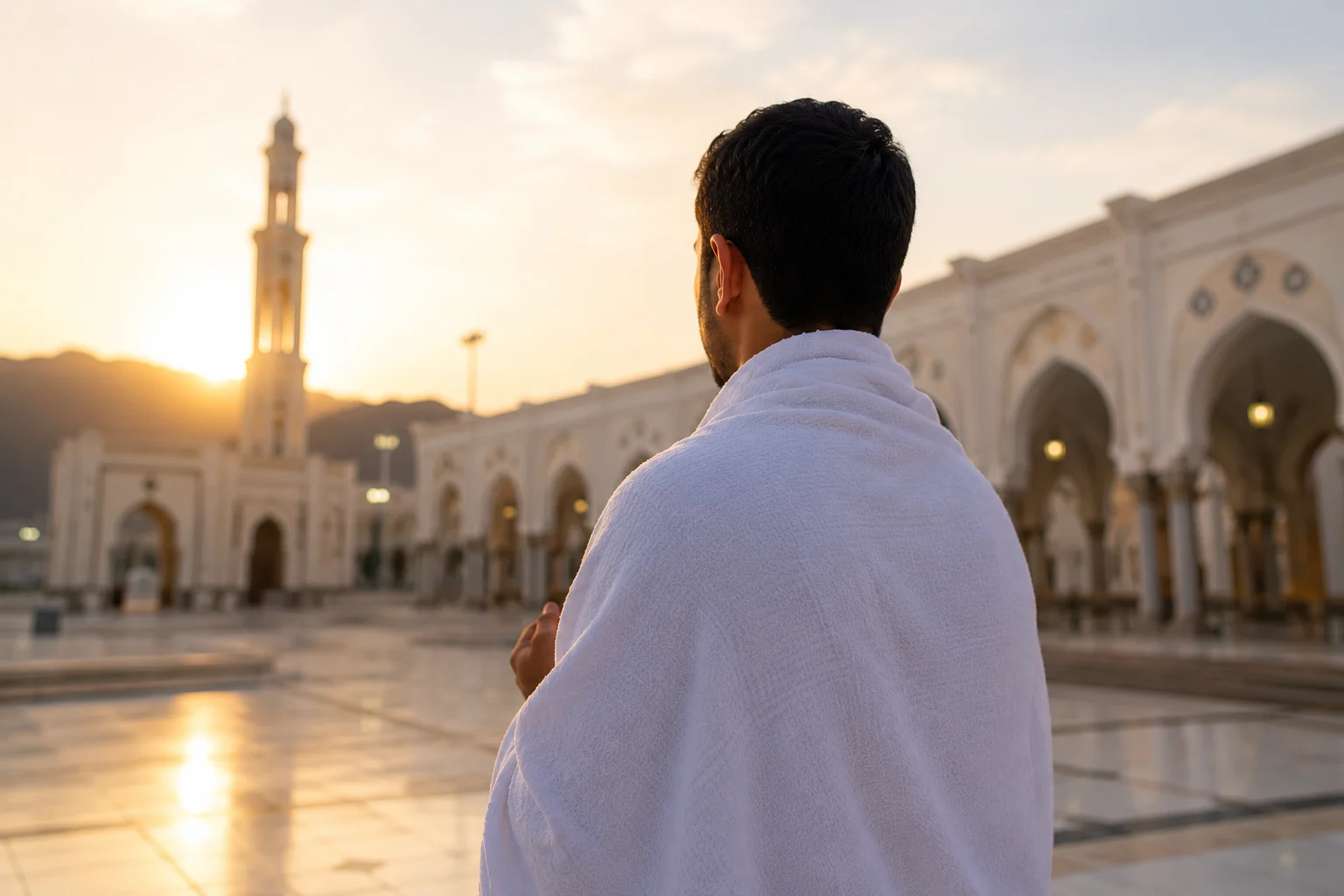
Intention Is Essential
When you enter Ihram and reach the Miqat (boundary), make your intention clear:
“Labbaik Allahumma ‘an (name of the person)”
(O Allah, here I am to perform Umrah on behalf of [name]).
It's not necessary to say the intention loud; you can intend it in your heart. Allah (SWT) knows what's in your heart.
Step-by-Step Guide to Performing Umrah on Behalf of the Deceased
Whether you are performing Umrah for yourself or on behalf of your deceased loved ones, the rituals and steps to perform Umrah remain the same.
Set The Right Intentions (Niyyah)
Before crossing the miqat (designated boundary), make your intention.
"Labbayka ‘Umratan ‘an [Name of Deceased]" — meaning, “Here I am, O Allah, performing Umrah on behalf of [name].”
Enter Into The Sacred State Of Ihram
At the Miqat, you must enter Ihram. Men wear two pieces of white unstitched clothing. Women do not have any specific clothing but must wear modest and loose-fitting attire.
Recite the Talbiyah frequently:
“Labbaik Allahumma labbaik, labbaik la sharika laka labbaik. Innal hamda wanni’mata laka wal mulk, la sharika lak.”
Perform Tawaf
Circumambulate the Ka‘bah seven times while praying for the deceased’s forgiveness and mercy. During Tawaf, keep your tongue moist with Dhikr and remembrance of Allah (SWT).
If possible, pray two rak‘ahs at Maqam Ibrahim, just as you would for your own Umrah.
Perform Sa’i
After performing Tawaf, walk between Safa and Marwah seven times, remembering Allah (SWT) and making du‘a for the deceased throughout.
The Qur'an says:
Indeed, ˹the hills of˺ Ṣafa and Marwah are among the symbols of Allah. So whoever makes the major or minor pilgrimage to the ˹Sacred˺ House, let them walk between ˹the two hills˺.
(Surah Al-Baqarah 2:158)
Halq/Taqsir: Shaving or Trimming the Hair
After completing Sa'i, the final step of Umrah is cutting or shaving your hair, which is called Halq (shaving) or Taqsir (trimming). Men can trim or complete shave for greater rewards. Women should trim a small portion (about a fingertip length) from the end of their hair.
If you wish to perform another Umrah soon after, it is recommended and practical to do Taqsir (trimming hair), leaving some hair for the second Umrah.
For Umrah Badal, you need to re-enter Ihram from outside the Haram boundary (Miqat or a nearby location such as Masjid Aisha). Complete all the rituals, and if you did taqsir in the first Umrah, you now have enough hair left to fulfil the requirement for the second time.
If you shaved completely after your first Umrah, then you may not have enough hair for the second Umrah, which is why most scholars recommend Taqsir after the first Umrah.
Rewards Of Performing Umrah On Behalf Of A Deceased Loved One
By performing Umrah badal for a deceased loved one, you are not fulfilling their dream and unachieved duty but also demonstrating loyalty, love, and humility beyond their lifetime.
This profound act of worship:
- Brings immense rewards to you and for the deceased
- Strengthen the connection even after death
- Help ease their trials in the grave
- Sets a beautiful example of mercy for others
Umrah Badal: A Journey of Love and Mercy
Performing Umrah on behalf of a deceased loved one is a profound way to honour their memory and come close to Allah (SWT). You not only make your dream come true to visit the Kabah, but also carry their unfulfilled longing. When performing Umrah Badal, you embody the mercy and generosity that Islam encourages.
At Itimaar, we’re honoured to help Muslims plan and perform such meaningful journeys with ease, care, and spiritual focus. Whether you’re performing Umrah for yourself or on behalf of someone dear, our expert guidance ensures that every step is smooth and in line with Islamic principles.
Let Itimaar be your trusted companion in turning this noble intention into a beautiful reality.
FAQs About Performing Umrah on Behalf of a Deceased Person
Can you perform Umrah on behalf of a deceased person?
Yes, according to widely followed scholarly guidance, a Muslim may perform Umrah on behalf of a deceased Muslim. This is commonly known as Umrah Badal. The person performing it should make a clear intention that the Umrah is being completed on behalf of the deceased and perform all the usual Umrah rituals.
Do you have to perform your own Umrah before doing Umrah Badal?
Many scholars advise that a person should complete their own Hajj or Umrah before performing it on behalf of someone else. The narration of Shubrumah is commonly cited as evidence that a person should first perform the pilgrimage for themselves and then perform it on behalf of another person.
What is the niyyah for performing Umrah on behalf of a deceased person?
The intention should be made before entering Ihram for the new Umrah. A pilgrim may say, “Labbayka ‘Umratan ‘an [person’s name],” meaning, “Here I am, O Allah, to perform Umrah on behalf of [name].” Mentioning the person’s name aloud is not essential; a clear intention in the heart is sufficient.
Can one Umrah be performed on behalf of more than one deceased person?
According to a commonly followed scholarly view, one Umrah Badal should be performed for one specific person. If you want to perform Umrah on behalf of two deceased relatives, such as both parents, a separate Umrah should be completed for each person with a separate intention.
