


Makkah Guide
Mosques In Makkah
Makkah is the birthplace of Islam, a sacred place where our beloved Prophet Muhammad ﷺ was born and received the revelation of the Holy Book Qur’an. The blessed city has a strong connection with the Prophet (PBUH), his family, and the early days of Islam.
Every prayer offered in this holy city carries immense reward, and every step taken within its sacred boundaries is a reminder of the legacy of Tawheed, sacrifice, and devotion. While the great mosque, Masjid al-Haram, stands as the spiritual centre of the Muslim world, Makkah is also home to several historically significant mosques.
Visiting these sacred mosques during the Hajj or Umrah journey offers pilgrims a divine opportunity to reflect deeply on Islamic history while strengthening their faith and spiritual connection.
Let’s explore some of the most significant mosques in Makkah that muslims often visit as part of Ziyarat and Islamic tours.
Masjid al-Haram
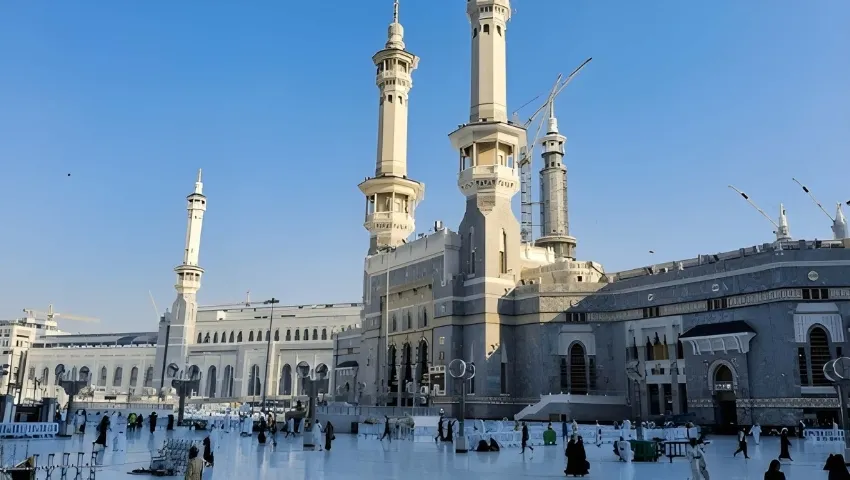
At the heart of the blessed city Makkah lies Masjid al-Haram, the largest and holiest mosque in Islam. The great mosque is the direction (Qiblah) towards which Muslims pray worldwide. It houses the Holy Kaaba, the first house of worship established for mankind, along with Maqam Ibrahim, the Well of Zamzam, and the Black Stone (Hajar al-Aswad).
Millions can pray at once in Masjid al-Haram, symbolizing unity, with prayers in the mosque holding immense spiritual reward. The mosque is the focal point of every Hajj and Umrah journey. Beyond rituals, the mosque is a place of humility, unity, and constant remembrance of Allah (SWT), where millions of believers gather regardless of race, language, or nationality.
Masjid al-Khayf (Mina)
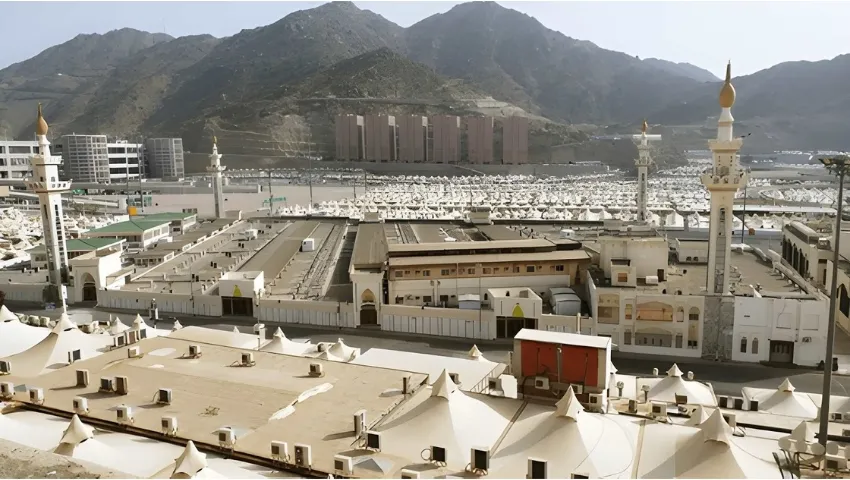
Al-Khayf mosque is one of the sacred mosques associated with many Prophets (Peace be upon them) and is situated in Mina. This is the mosque where Prophet Muhammad ﷺ, Prophet Musa (AS), and numerous other prophets offered prayers.
During Hajj, Mina becomes a focal point of pilgrimage rituals, and Masjid al-Khayf stands as a reminder of the continuity of prophethood and worship throughout human history.
Masjid Aisha (Masjid al-Tan’eem)
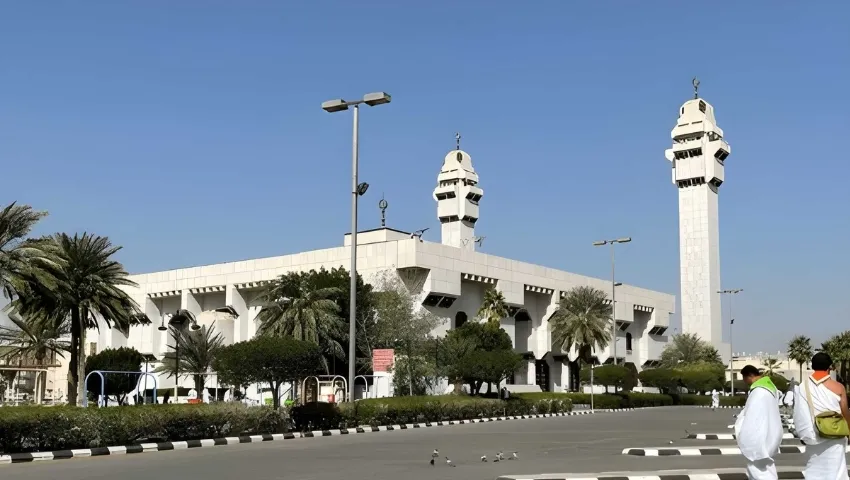
The Tan’eem mosque is also known as Masjid Aisha and is among the important historical mosques in Makkah. This sacred place marks where Aisha (RA), the Mother of the Believers, entered into Ihram for the final pilgrimage by the instruction of Prophet Muhammad ﷺ.
It marks the nearest Miqat point for residents of Makkah and pilgrims who wish to perform an additional Umrah. Today, Masjid Aisha is well-equipped with facilities for pilgrims, including washing and changing areas, making it a common stop during Umrah.
Masjid al-Jinn
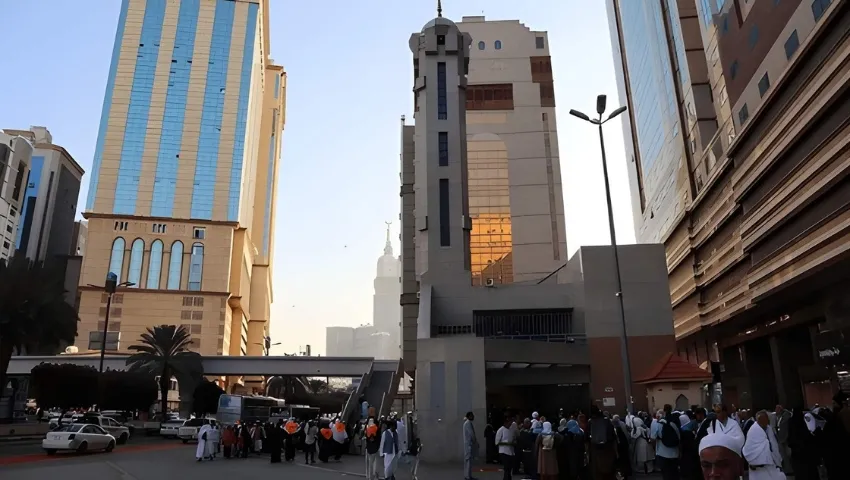
Masjid al-Jinn is among the oldest mosques and holds unique significance in Islamic history. Located near Jannat al-Mu’alla, it is the mosque where a group of Jinn listened to the recitation of the Qur’an by Prophet Muhammad ﷺ and embraced Islam, as referenced in Surah al-Jinn.
This mosque serves as a reminder that the message of Islam was sent to all of creation, seen and unseen. Pilgrims visiting Masjid al-Jinn often reflect on the universality of the Qur’an and the power of its divine message.
Masjid al-Hudaibiya (Masjid al-Shumaisi)
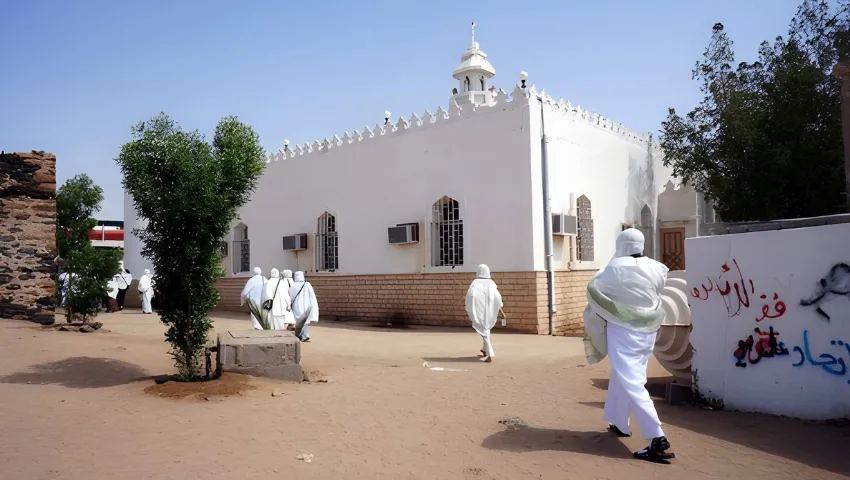
Masjid al-Hudaibiya, also known as Masjid al-Shumaisi, marks the site of the historic Treaty of Hudaibiya, a turning point in Islamic history. It is the mosque where the peace agreement between the Prophet ﷺ and the Quraysh of Makkah took place. Pilgrims visiting this mosque gain insight into the Prophet’s ﷺ wisdom, patience, and long-term vision; lessons that remain deeply relevant today.
Today, the Hudaibiya mosque is used as a miqat point for pilgrims already in the Haram and entering into the state of Ihram. The mosque holds great historical importance, as it served for centuries as a key stopover for pilgrim caravans on their journey to Makkah.
Masjid Namirah
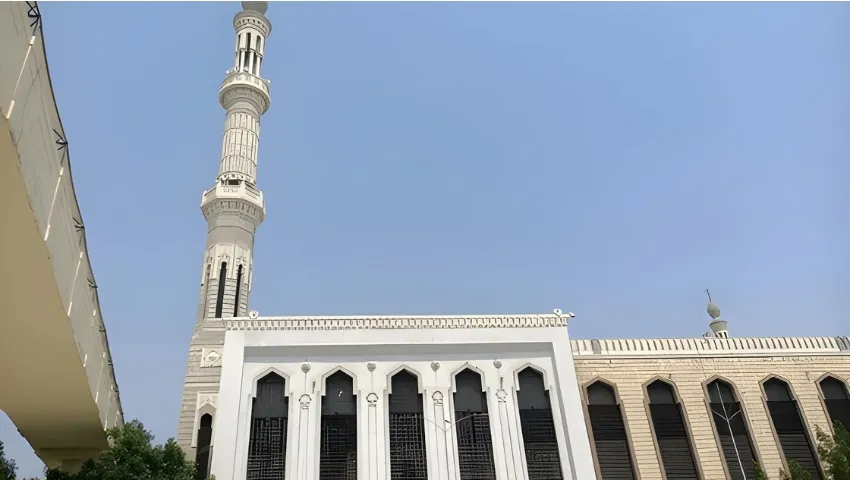
Masjid Namirah is one of the most significant mosques in Makkah associated with the rites of Hajj, located on the boundary of Arafat. It is the site where Prophet Muhammad ﷺ delivered his historic Farewell Sermon (Khutbat al-Wida) during the final Hajj, conveying timeless principles of justice, equality, and brotherhood.
The sacred mosque serves as a powerful reminder of the unity of the Ummah and the completion of the Prophet’s ﷺ mission. Visiting or learning about this mosque deepens a pilgrim’s understanding of Hajj beyond its rituals, connecting them to the final message delivered by the Messenger of Allah ﷺ.
