


Makkah Guide
Pilgrimage Places In Makkah
Makkah al-Mukarramah is the blessed city of Islam and the enlightened destination towards which every muslim from the world turns in prayer every single day. For muslims arriving for Hajj and Umrah, Makkah is more than a city; it is a sacred place shaped by divine command, prophetic history, and centuries of devotion and ibadah.
Knowing about the key pilgrimage places in Makkah helps pilgrims understand and connect more deeply with the rituals of Hajj and Umrah. Each pilgrimage place carries profound spiritual values and meaning, rooted in the lives of Prophet Ibrahim (AS), Prophet Ismail (AS), Hajar (AS), and Prophet Muhammad ﷺ.
Let’s explore the most important pilgrimage places in Makkah that every pilgrim encounters during their sacred journey.
Masjid al-Haram
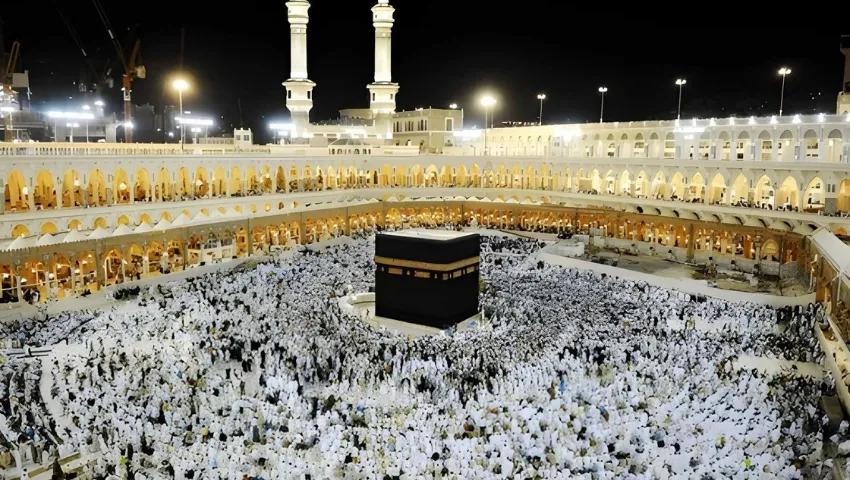
At the centre of the blessed city of Makkah stands Masjid al-Haram, the most sacred mosque in Islam. The great mosque is also the focal point of both Hajj and Umrah.
It is here that pilgrims experience the essence of unity, humility, and submission to Allah (SWT). Within Masjid al-Haram are several sacred elements directly connected to the rites of Hajj and Umrah.
The Kaaba
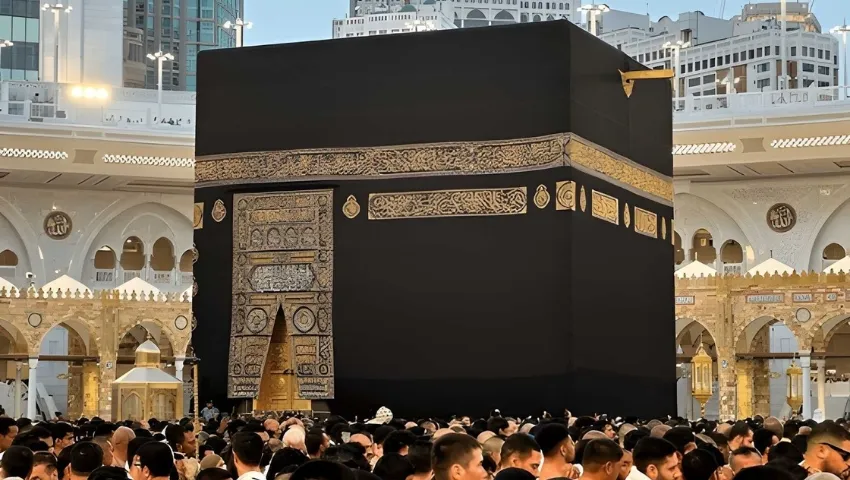
The Kaaba, the House of Allah (SWT), was built by Prophet Ibrahim (AS) with his son, Prophet Ismail (AS), following the command of Allah. It is the first place of worship established for mankind, representing pure devotion and monotheism.
Muslims on their Hajj and Umrah journey, perform Tawaf by circumambulating the Kaaba seven times, symbolising the believer’s complete surrender and orbit around the worship of Allah alone. Standing before the Kaaba is often one of the most emotionally powerful moments of a pilgrim’s life.
The Well of Zamzam
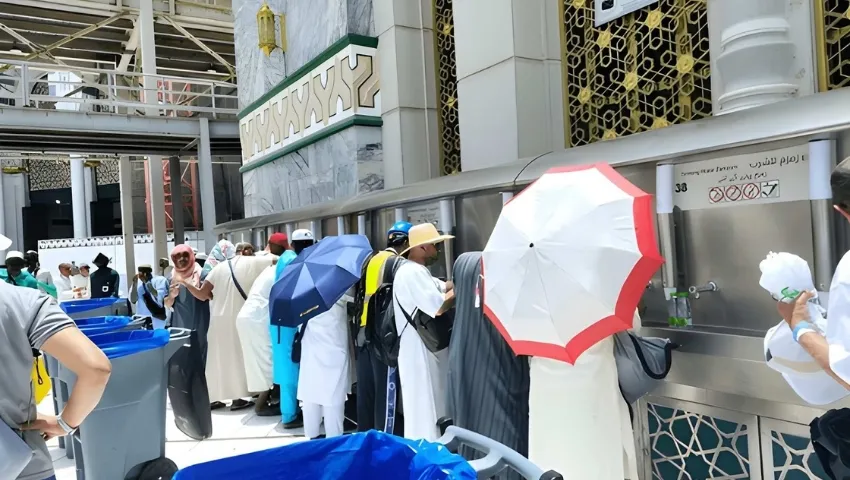
The Well of Zamzam is a miraculous source of water that sprang forth when Hajar (RA) searched desperately for water for her infant son, Ismail (AS). By Allah’s mercy, Zamzam has flowed continuously for thousands of years.
Pilgrims drink Zamzam with intention and supplication, following the Sunnah of the Prophet ﷺ, who described it as “food for nourishment and a cure for illness.”
Mount Safa And Marwah
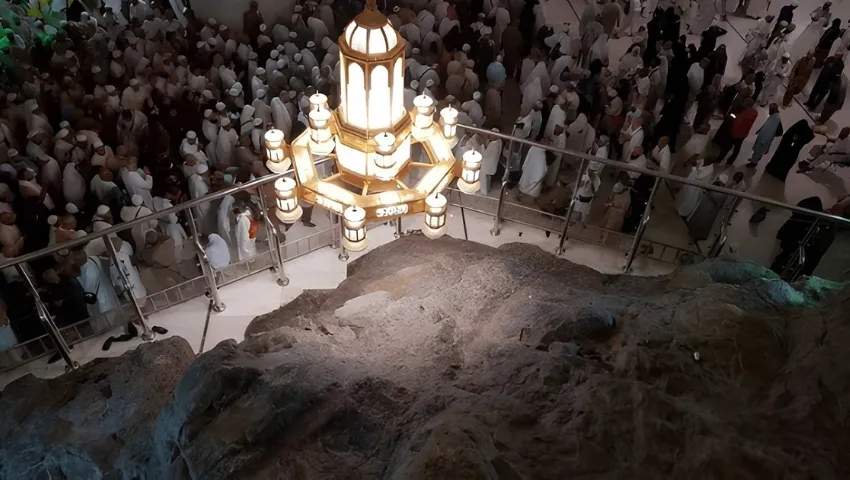
Safa and Marwah are two small hills inside the Masjid al-Haram area, between which pilgrims on their Hajj and Umrah journey perform Sa’i. This ritual honours the struggle, patience and unwavering trust of Hajar (AS) as she ran between the two hills, seeking help from Allah (SWT).
The ritual of Sa’i reminds us that sincere effort combined with reliance on Allah (Tawakkul) is always rewarded, even when there is no way visible.
Maqam Ibrahim
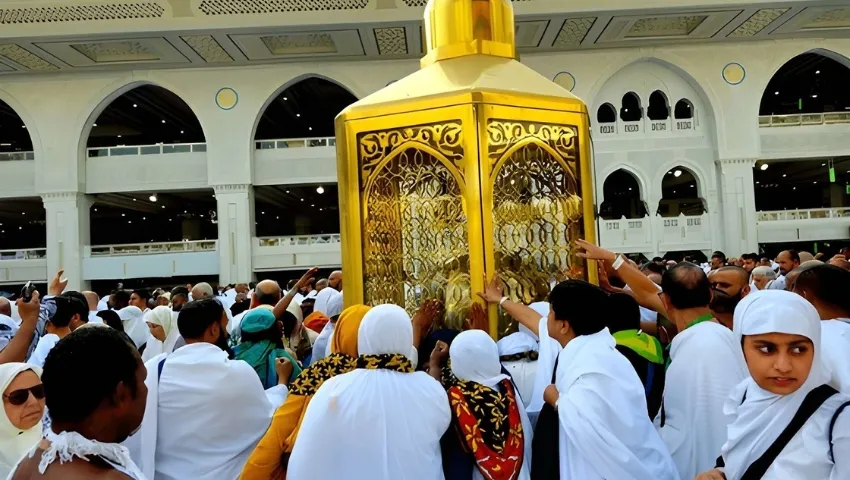
Maqam Ibrahim is the sacred stone upon which Prophet Ibrahim (AS) stood while constructing the Kaaba, the House of Allah. It is believed that the imprint of his feet remains visible today.
After completing the Tawaf ritual, pilgrims perform 2 raqats near Maqam-e-Ibrahim as a recommended Sunnah of the Prophet Muhammad (PBUH). The station reflects upon the legacy of obedience and sacrifice left by Prophet Ibrahim (AS).
Mina
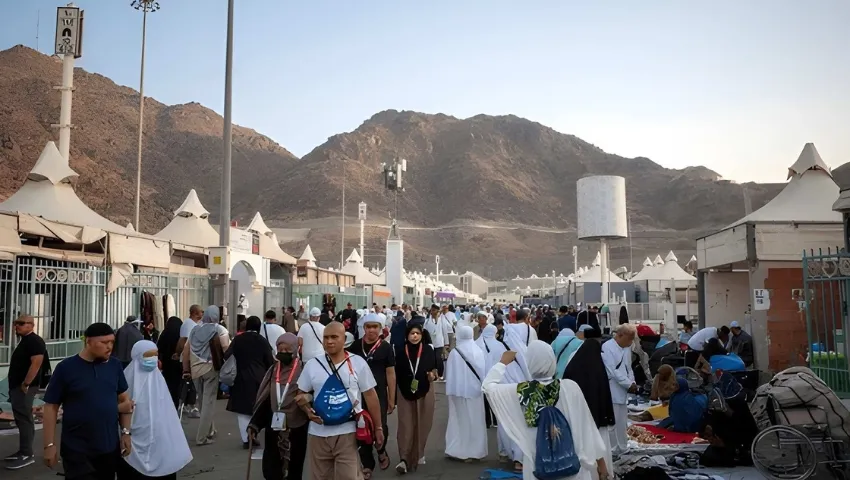
Mina is a long valley, located a few kilometres from Masjid al-Haram. It is also known as the “City of Tents” where pilgrims stay during the days of Hajj. It is in Mina that pilgrims perform the stoning of the Jamarat, symbolising the rejection of Shaytan and the struggle against temptation.
Mina also reminds pilgrims of obedience, sacrifice, and discipline, as it is associated with the story of Prophet Ibrahim (AS) and his willingness to submit to Allah’s command. Spending the nights of the 8th, 11th, and 12th of Dhul Hijjah in Mina is a Sunnah that allows pilgrims to follow the footsteps of Prophet Ibrahim (AS).
Arafat
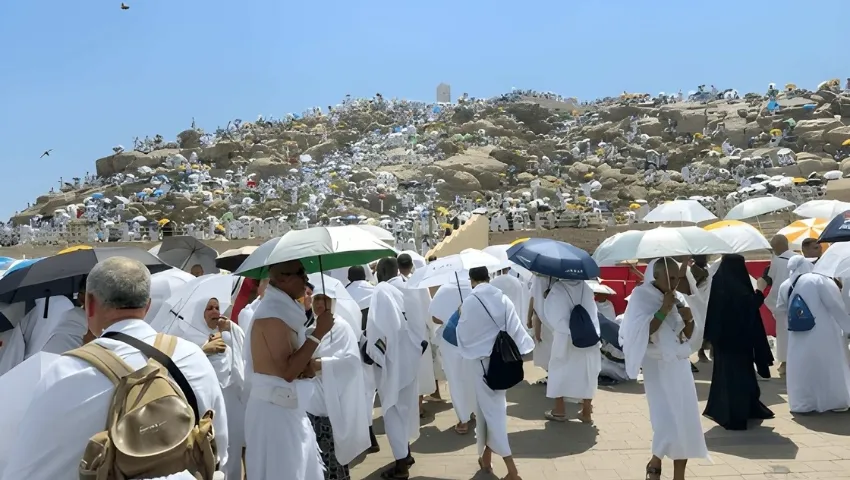
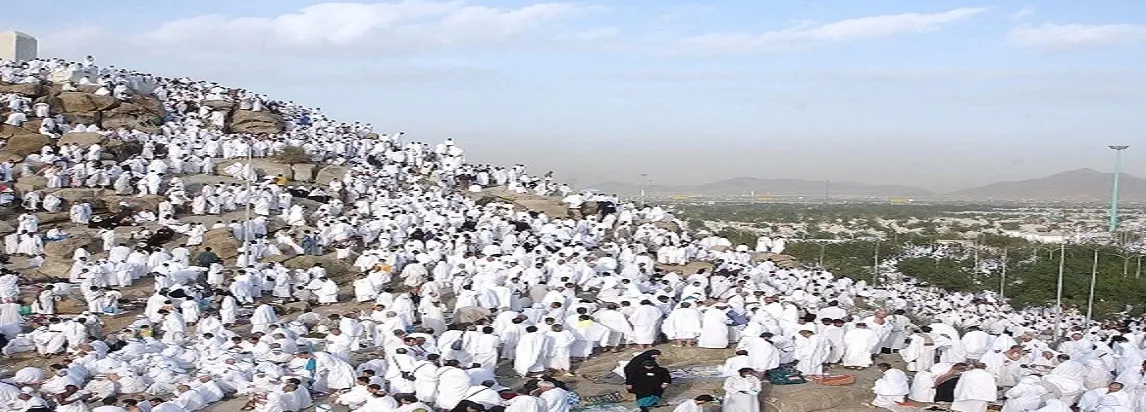
Arafat is the most significant site of Hajj, where pilgrims stand on the 9th of Dhul Hijjah. The Prophet Muhammad ﷺ said:
“Hajj is Arafah.”
Muslims on their Hajj journey spend the Arafah day in repentance, supplication and remembrance of Allah (SWT). It is like a rehearsal of the hereafter and a moment of profound humility where all the pilgrims stand equal before Allah, seeking mercy and forgiveness.
Arafat is also home to Masjid Namirah, where the Prophet ﷺ delivered his Farewell Sermon; a timeless message of justice, equality, and unity for the entire Ummah.
Muzdalifah
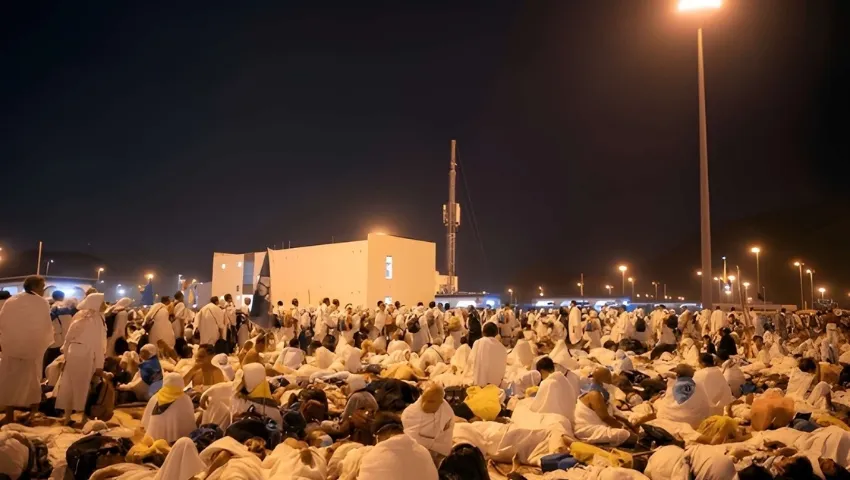
After the sunset, pilgrims move from Arafat to Muzdalifah to pray maghrib and Isha salah. It is an open plain between Arafat and Mina where pilgrims offer salah, rest under the open sky and collect pebbles for the next stoning ritual.
Muzdalifah represents simplicity and equality; no luxury, no status, just a servant of Allah resting beneath the heavens. It serves as a powerful reminder of the temporary nature of worldly life and the closeness of the Hereafter.
