


Top Places to Visit in Makkah - A Complete Guide to Famous & Sacred Sites
Makkah Places to Visit: Famous, Sacred & Historical Attractions
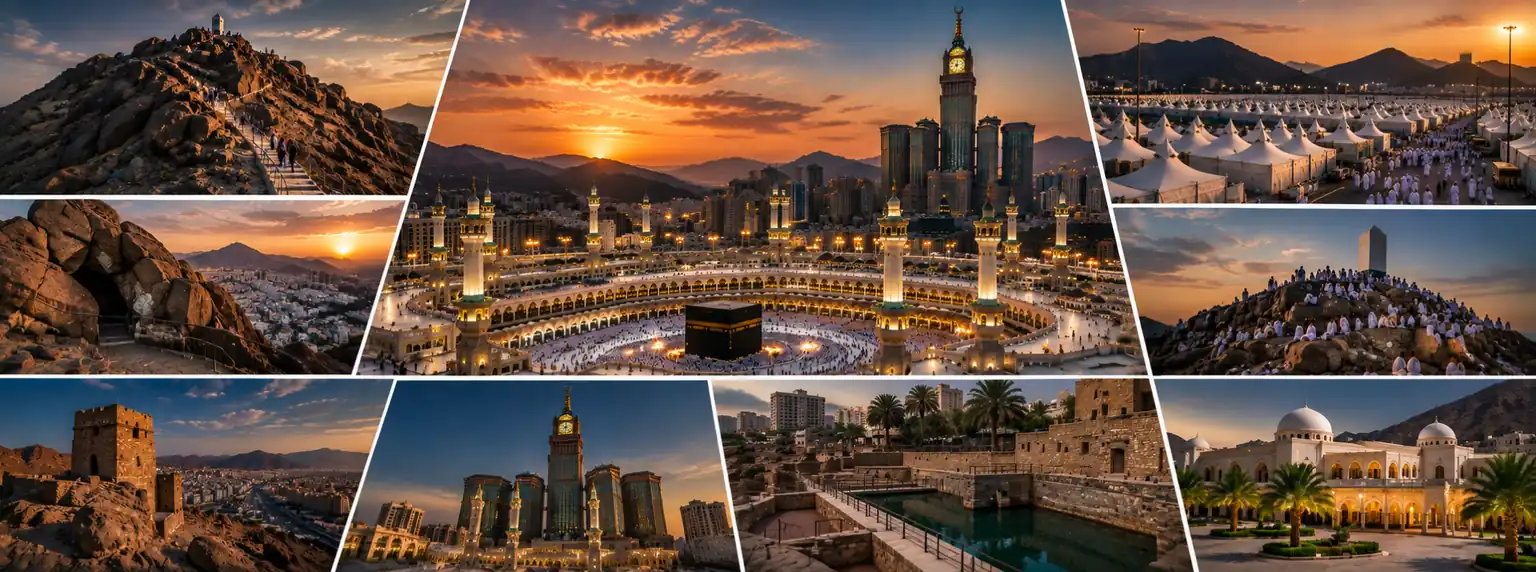
Quick answer: The top places to visit in Makkah are Masjid al-Haram, Mina, Arafat, Muzdalifah, Jabal al-Nour, and Jabal al-Thawr. Also, the Clock Towers, the museums, and the historic wells can be added to complete your trip. These are the Makkah must visit places for pilgrims.
A huge number of muslims visit each year to the holiest city in Islam, Makkah.
Most spend their time in Masjid al-Haram, but there are several other places that people often miss.
This guide lists the best places to visit in Makkah, from sacred Hajj sites to museums and parks. You can use it as your Makkah ziyarat places checklist before you travel for Hajj or Umrah.
It depends; some pilgrims want religious places to visit in Makkah. Others want history, hiking, or a calm afternoon with family. Whether you search for places to visit in Mecca or plan your first ziyarat in Mecca, we've covered all the famous Makkah attractions and grouped them by type for your convenience.
Sacred Places in Makkah To Visit
Places in Makkah such as Masjid al-Haram and the Hajj sites like Mina, Arafat, and Muzdalifah have deep meanings. Here are the top Islamic places to visit in Makkah that every Muslim should know.
Masjid al-Haram
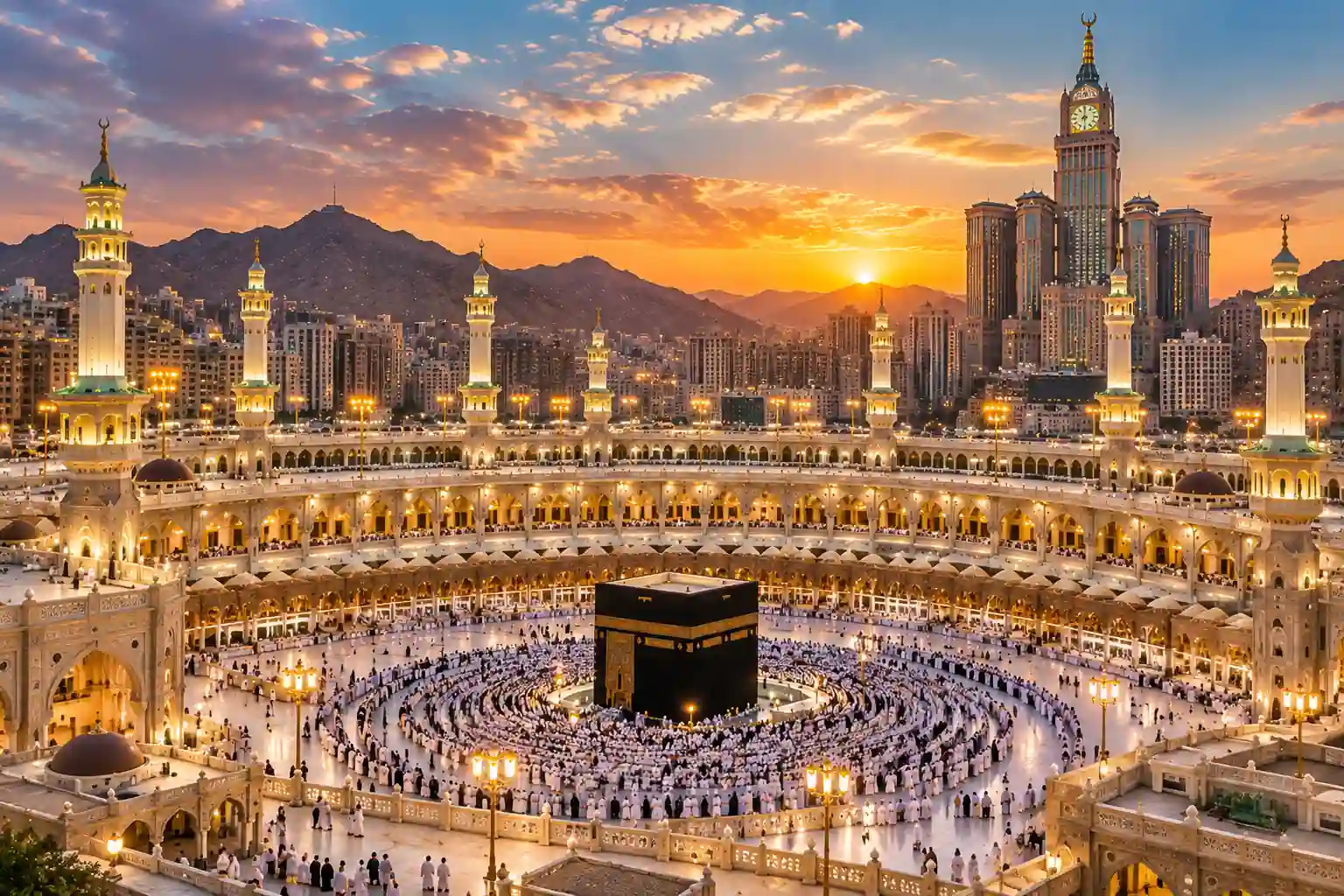
Masjid al-Haram is the largest mosque in the world and is the holiest mosque in Islam. Surrounding the Kaaba, it’s a place where pilgrims perform Tawaf around the Kaaba and walk Sa'i between Safa and Marwa. The list of places to visit in Makkah starts with this mosque, and it leads to all Mecca tourist attractions for Muslims.
[Abu Huraira (Allah be pleased with him) narrated it directly from Allah's Apostle (ﷺ), having said this:
A prayer in my mosque is a thousand times more excellent than a prayer in any other mosque, except Masjid al-Haram (Mosque of the Ka'ba) (Sahih Muslim 1394a, Book 15, Hadith 578)]
Want to learn more about the Kaaba and the sacred features inside Masjid al-Haram? Explore our detailed guide to the Kaaba.
Mina
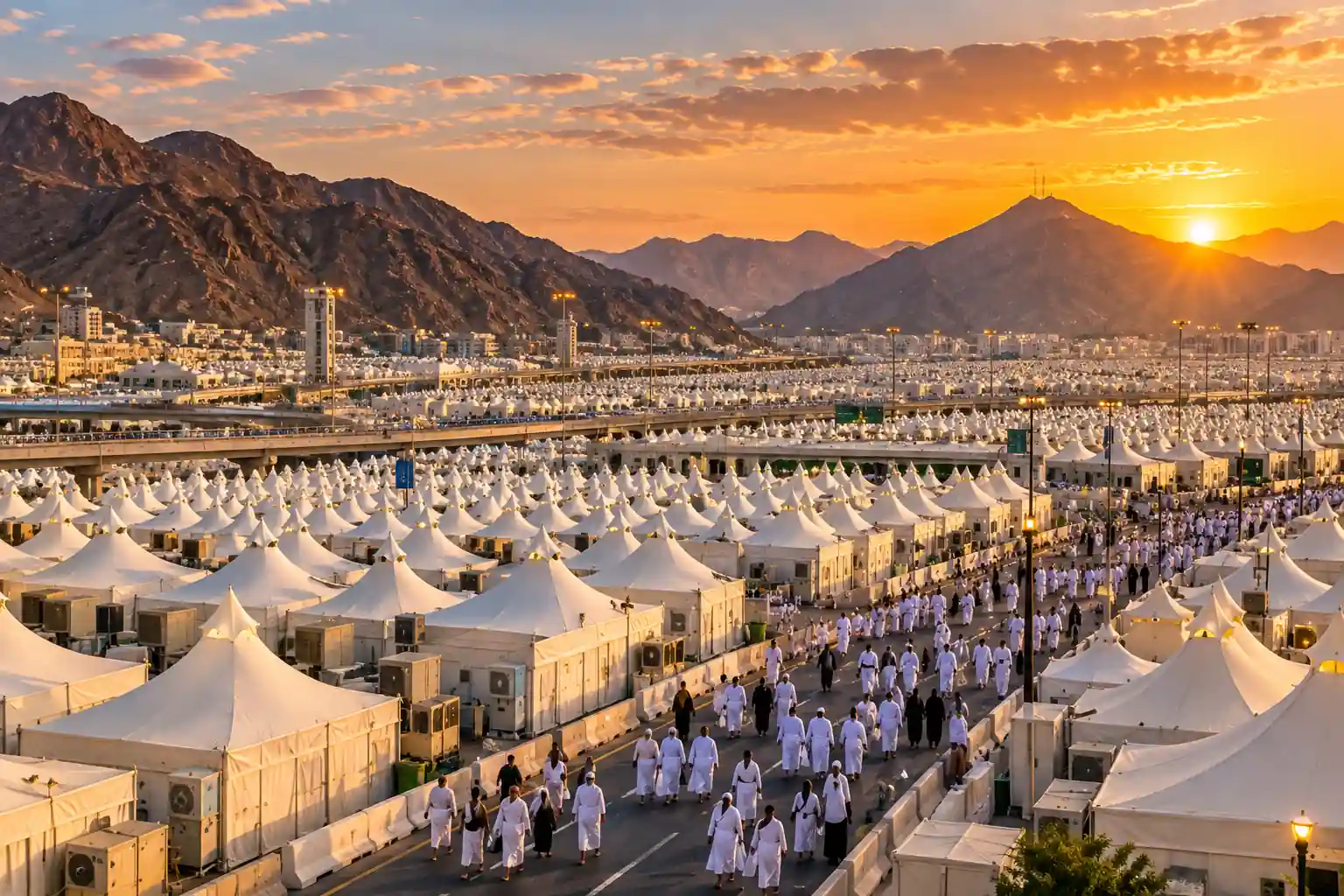
Mina is a valley 5 to 8 kilometres east of Masjid al-Haram, and during Hajj, pilgrims usually stay in its tents (it houses over 100,000 permanent, air-conditioned, fireproof tents) and stone the three pillars of Jamarat.
During the Hajj season, it is one of the most visited attractions in Mecca. Tour groups also stop here outside Hajj as part of Makkah ziyarats.
Mashaer Arafat
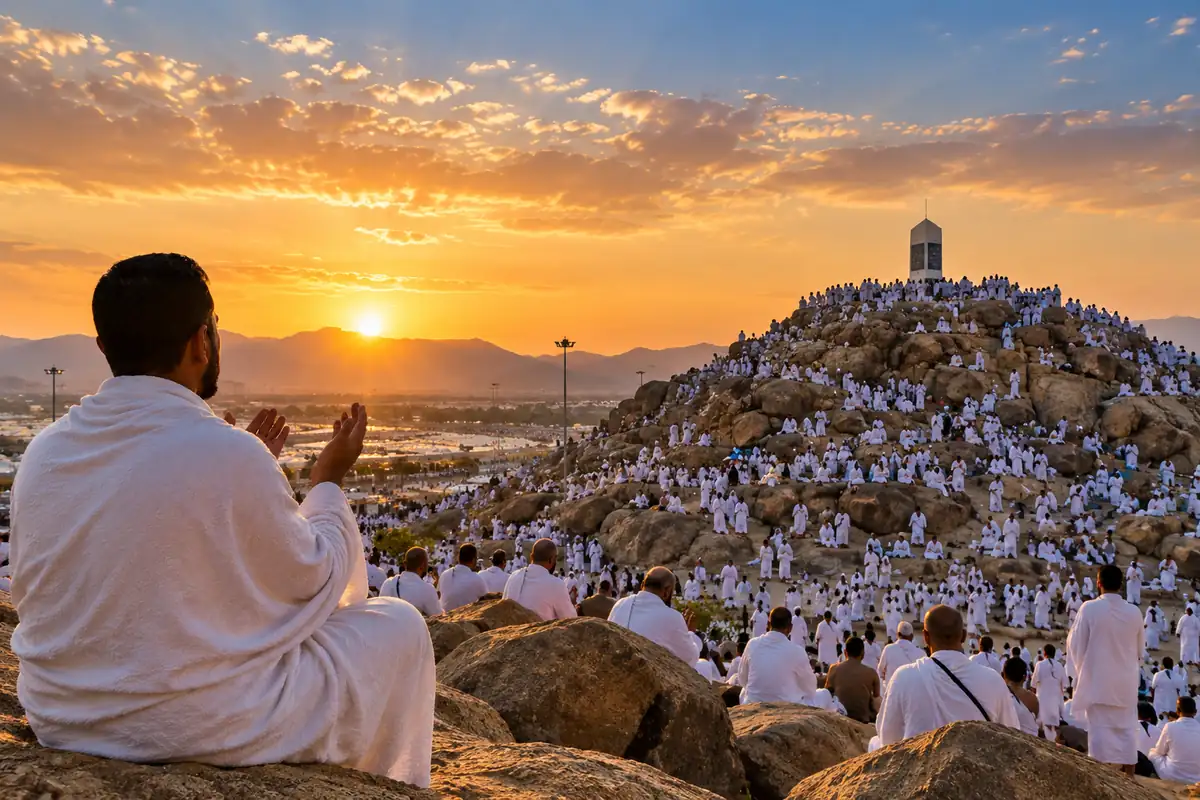
Arafat is the plain around 20 kilometres southeast of Masjid-al-Haram. It’s a place where pilgrims gather on the 9th of Dhul Hijjah for (Wuduf - the standing ritual), the most important day and a core pillar of Hajj. Pilgrims spend time here in intense prayer and dua from noon until sunset. Jabal al-Rahmah is one of the best-known landmarks within the Arafat plain. This place is located a little outside the boundaries (Haram) of Makkah. It is among the key religious places to visit in Makkah, and many visitors add it to their Makkah ziyarat outside the Hajj period.
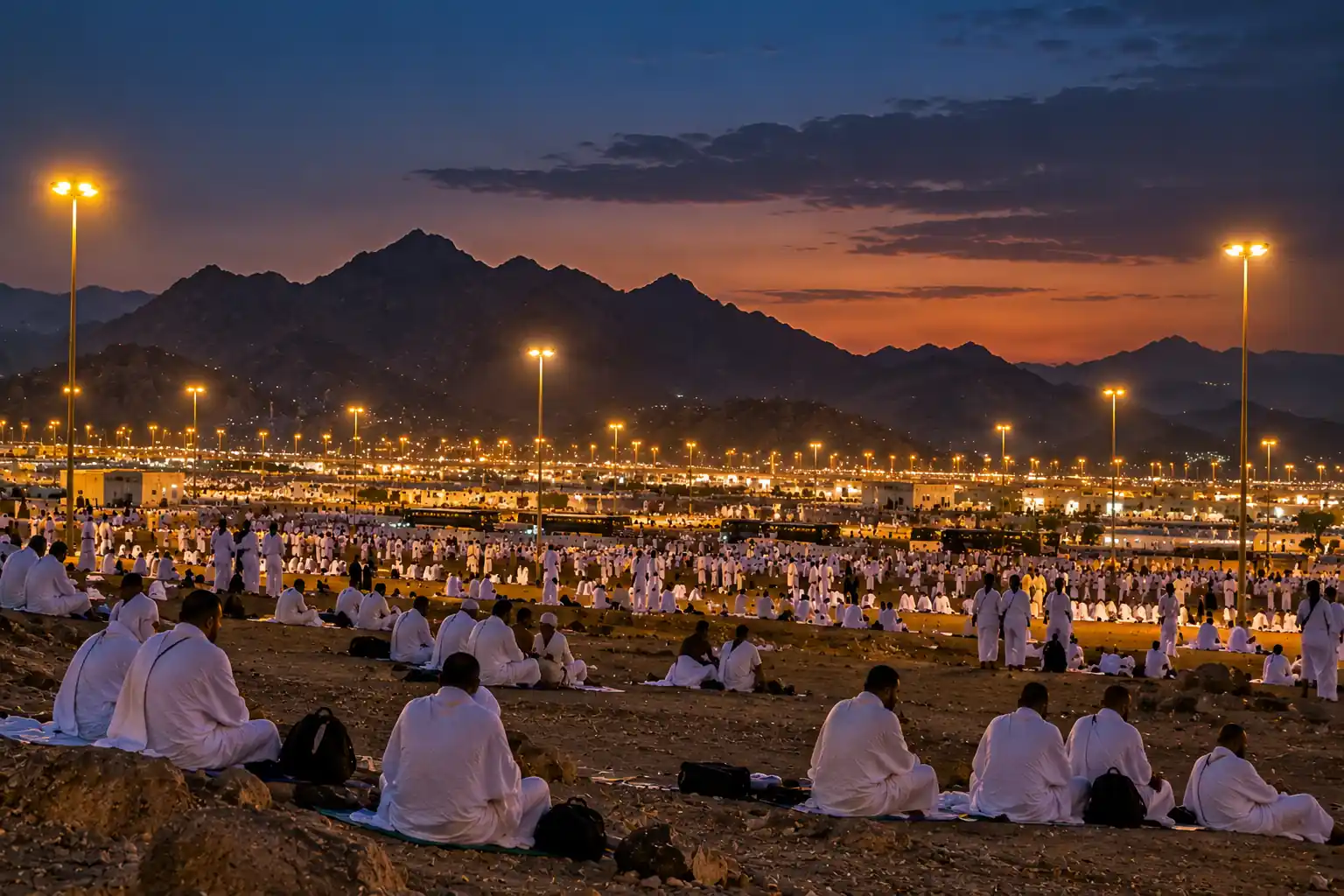
Muzdalifah
Muzdalifah is the sacred area (a flat valley) located 9 kilometres southeast of Mina, between Arafat and Mina. Pilgrims spend the night here after the Day of Arafah under the sky on the eve of the 10th of Dhul Hijjah. This is the traditional place where people collect pebbles for the Ramy-al-Jamarat (stoning) ritual. It is one of Makkah’s famous places every Hajj pilgrim remembers.
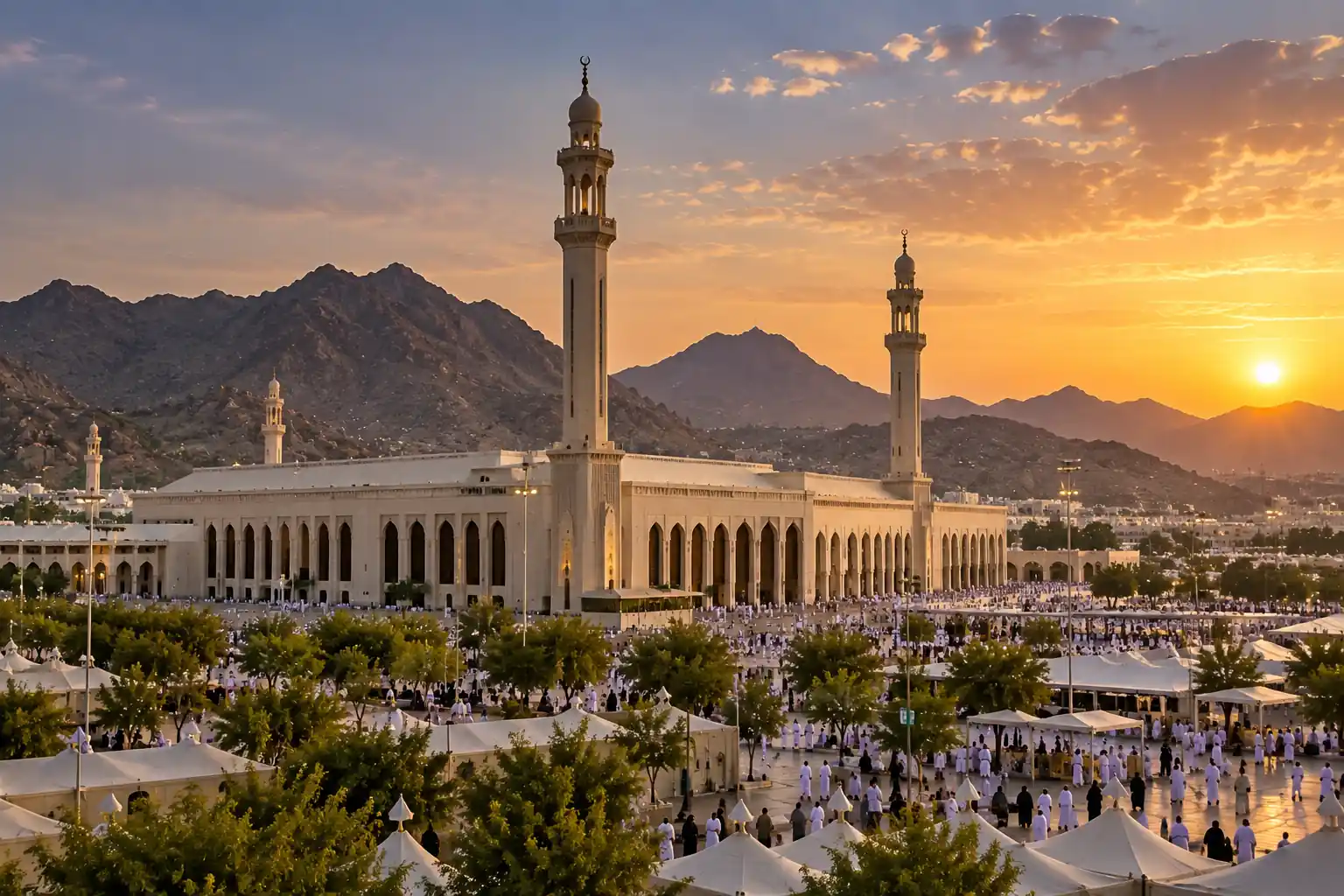
Namira Mosque (Nimra)
Namira Mosque stands on the western edge of the plain of Arafat, where the Prophet ﷺ camped and gave his Farewell Sermon, and spreads across 110,000 square metres. It is the second-largest mosque in Makkah and holds more than 400,000 worshippers. This mosque is closed all year round and is open exclusively on the 9th of Dhul Hijjah for the day of Arafah. Visitors outside the Hajj period can view it from the outside only. Put it on your list of places to see in Makkah near Arafat.
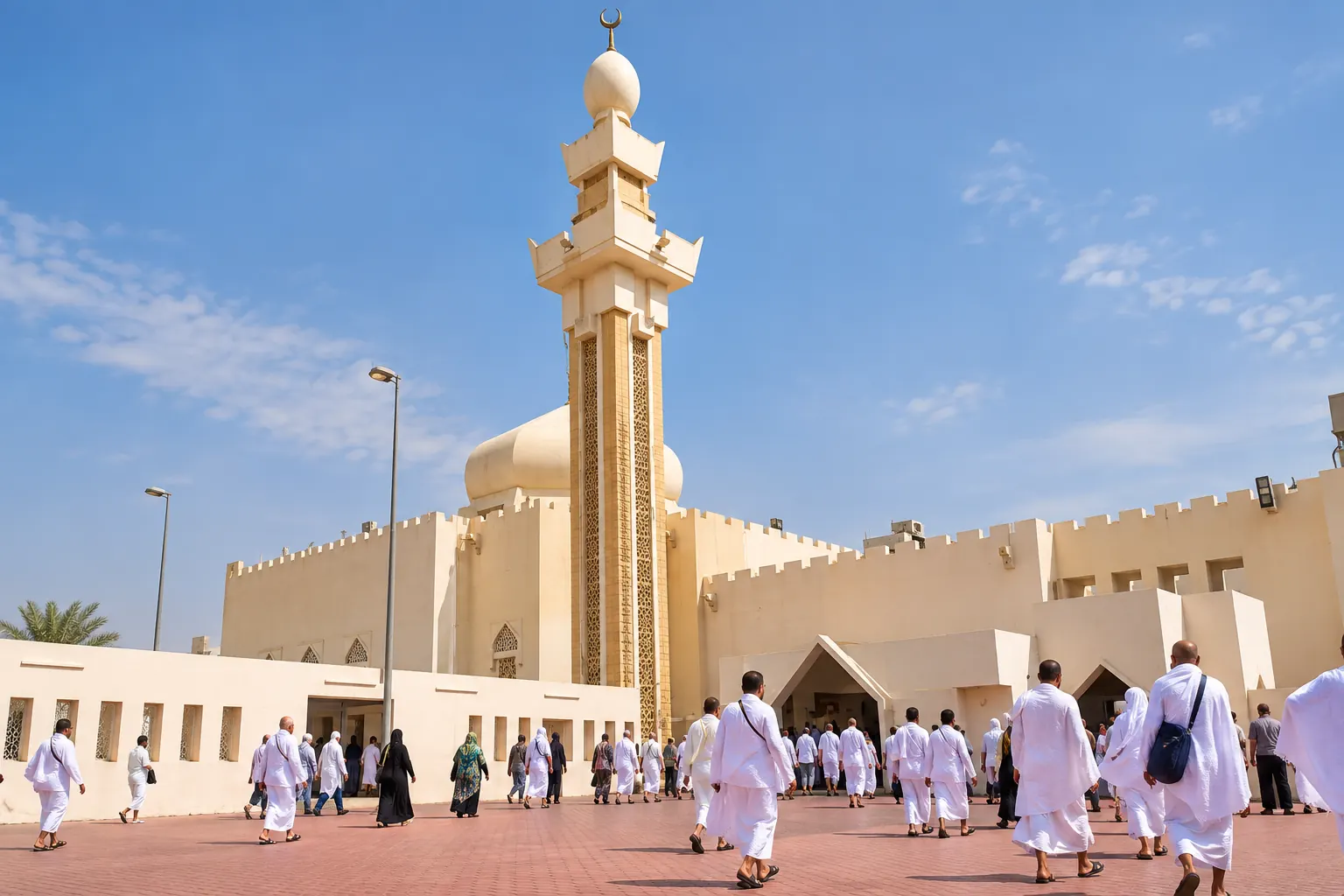
Masjid al-Ji'ranah
Masjid al-Ji'ranah is located 24 to 26 kilometres northeast of Masjid al-Haram. It’s the exact place where the Prophet (PBUH) camped after the Battle of Hunayn. He assumed Ihram for his third Umrah from Ji'ranah and entered Makkah at night. It’s a primary Miqat for people already in Makkah who wish to perform additional Umrah. Adding it to your list of sites to visit in Makkah is really worth it.
If you are planning an additional Umrah from Makkah, learn more about the Miqat points for Umrah and when to enter Ihram.
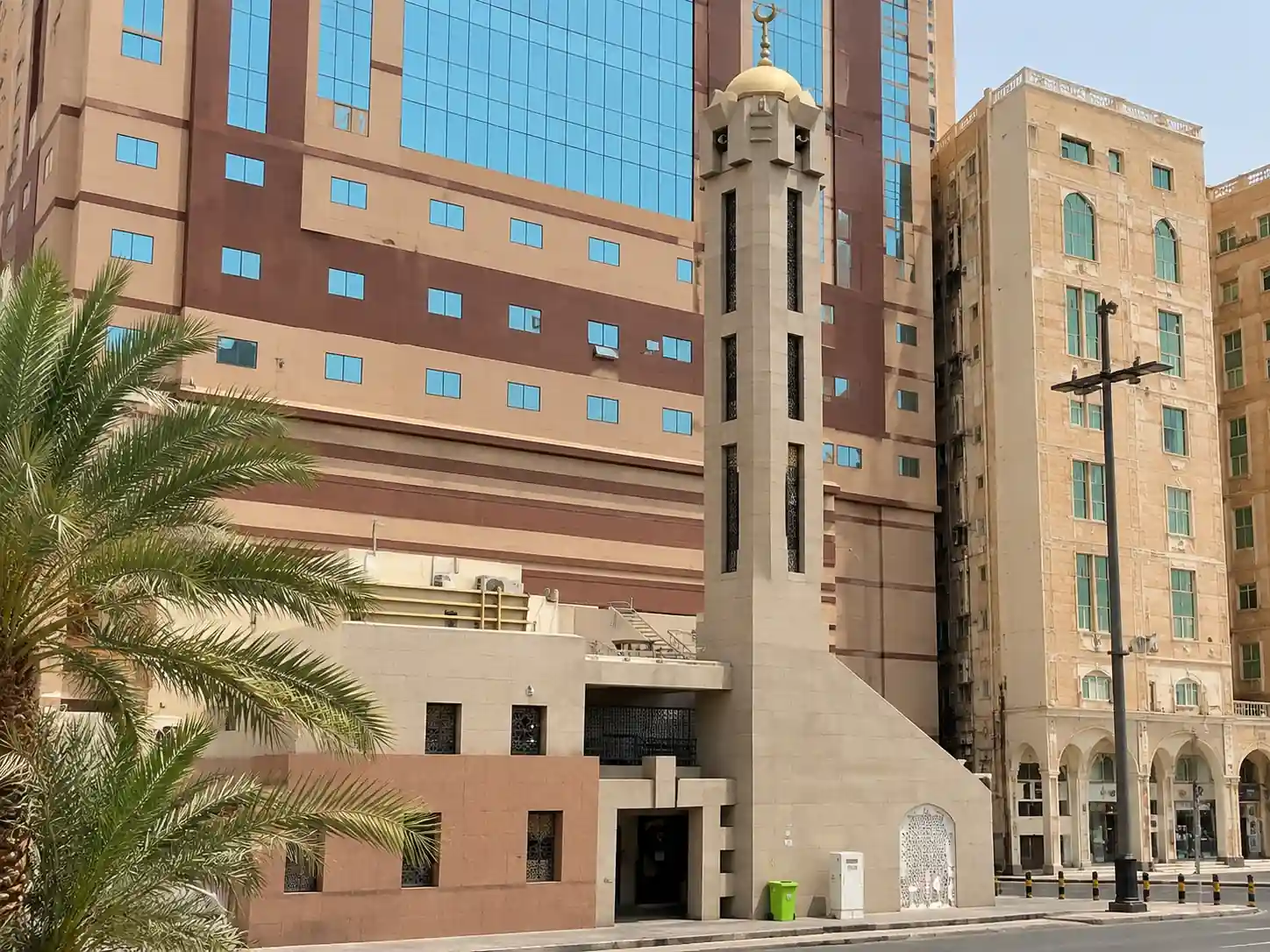
Mosque of the Jinn (Masjid al-Haras or Mosque of Guards)
The Mosque of the Jinn stands in the Al-Hajjun district, 900 metres north of Masjid al-Haram, and is right next to the street from the historic Jannat Al-Mu'alla Cemetery. It’s the place where Jinn gathered to listen to the "Prophet ﷺ" recite the Qur'an. This place is very close to the grand mosque, at a merely 10-15 minutes' walking distance, making it an addition to your Ziyarat in Mecca route.
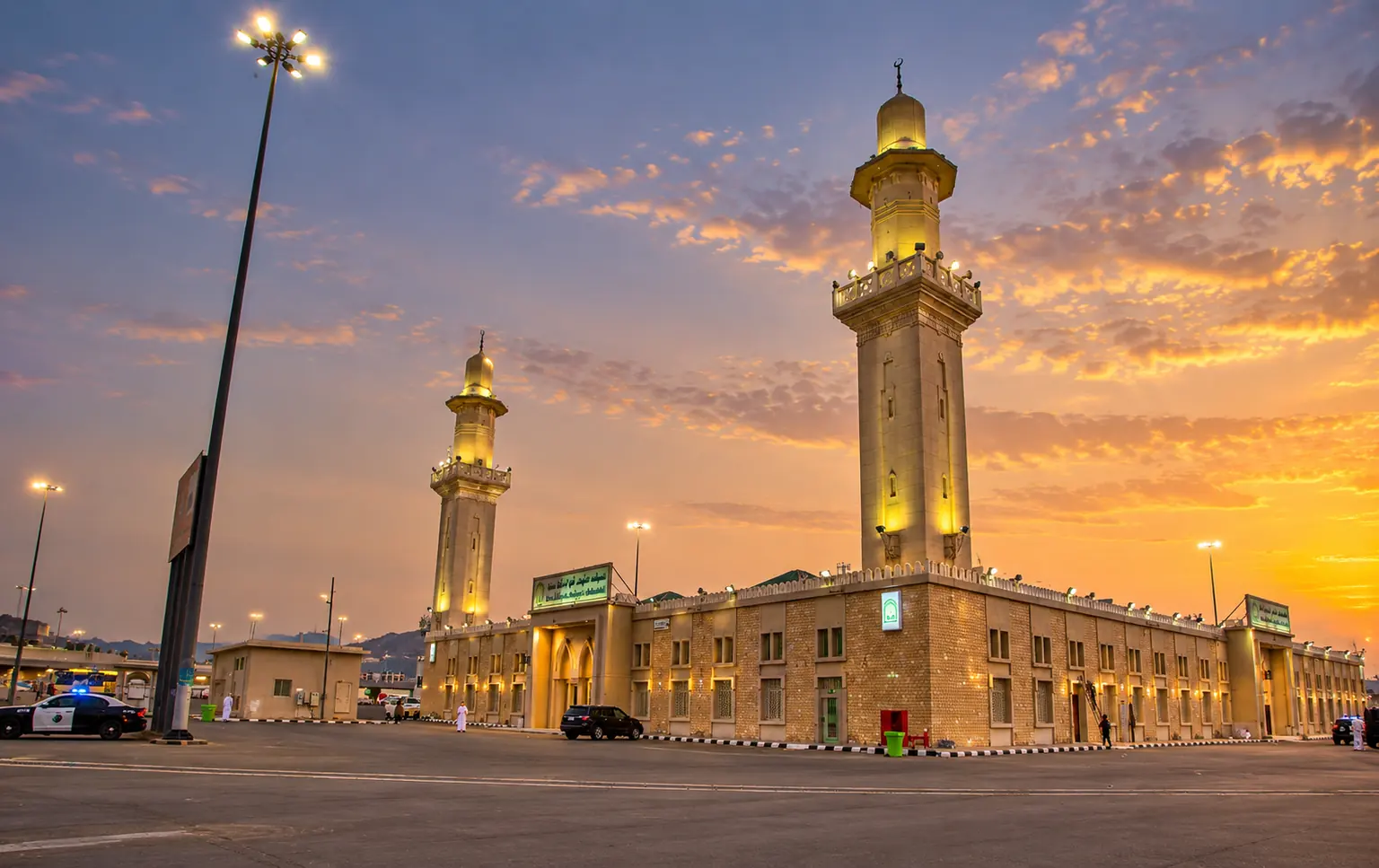
Al-Mash'ar Al-Haram Mosque
This mosque is located in the heart of Muzdalifah, which is 5 kilometres southeast of Mina. Qur'an explicitly mentions its scriptural significance in (Surah al-Baqarah, 2:198), commanding pilgrims to remember Allah at the Sacred Monument. Hajj pilgrims visit here in the evening after sunset on the 9th of Dhul Hijjah. This mosque can accommodate a total of 12,000 worshipers. It is one of the Islamic places to visit in Makkah named in the Qur'an.
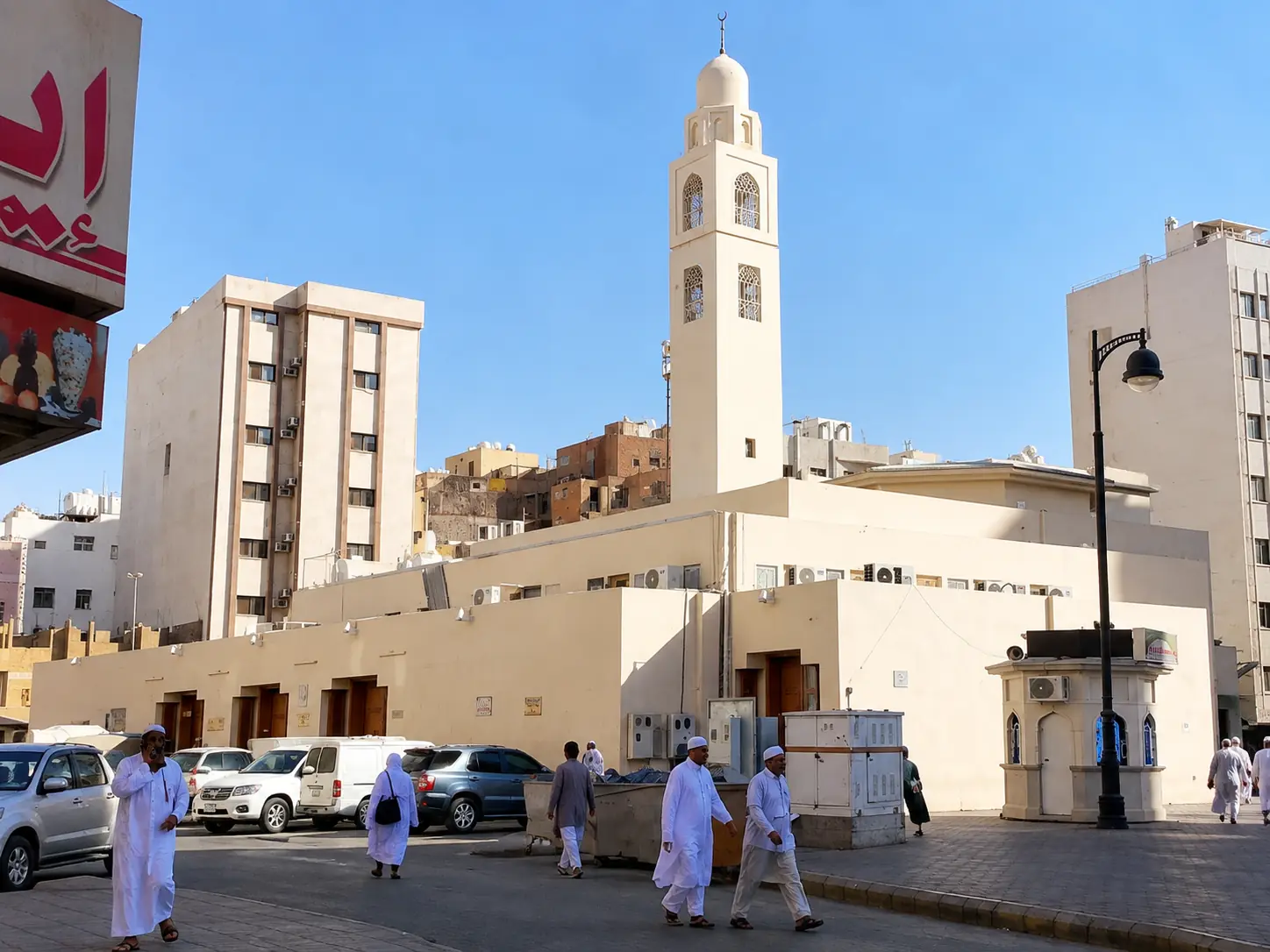
Al-Ijabah Mosque (Al-Muhassab)
It’s one of the oldest mosques in Makkah. Built around 3 AH (624 CE), it is located in Al-Ma'abidah district, 3 kilometres northeast of Masjid al-Haram on the way to Mina. It dates to before the third century of the Hijrah, which makes it one of the Makkah historical places still in use. It takes 5 to 10 minutes by taxi to get there from the Grand Mosque, which makes it an incredibly rich and easy addition to your Ziyarat in Makkah.
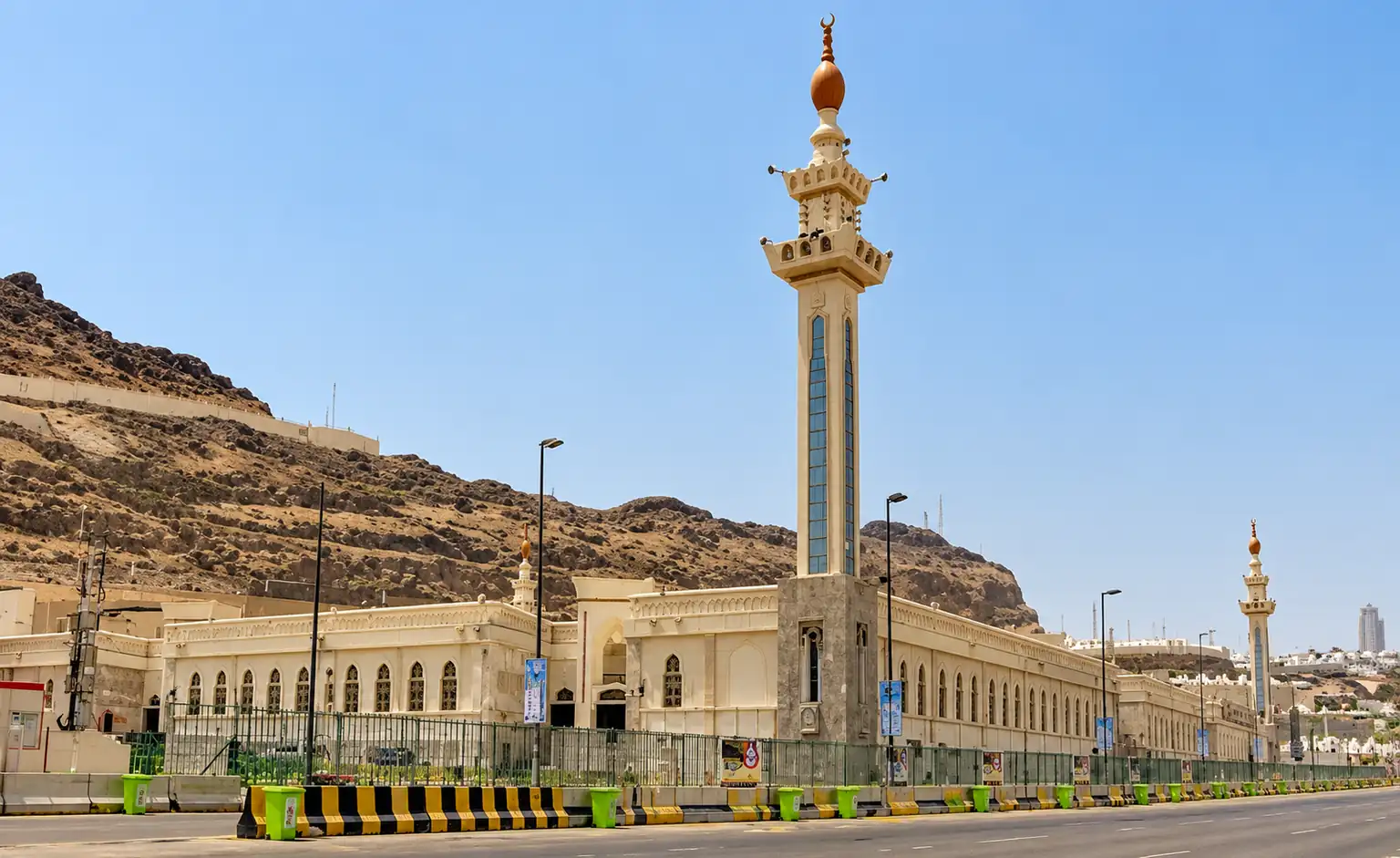
Masjid al-Khayf
Masjid al-Khayf is in the southern hills of Mina, 550 meters southeast of the smallest first Jamarah (Jamarat al-Ula). Prophet Muhammad ﷺ set up a temporary tent and led congregational prayers here. Due to modern expansions, now this mosques spans over 25,000 square metres and can accommodate 35-35k worshippers at once.
Note: This mosque opens only in the active Hajj period and remains closed during the rest of the year (350+ days). Pilgrims pray here during Hajj; it's one of the calmer Mecca attractions.
Important Landmarks Inside Masjid al-Haram
Inside Masjid al-Haram, there are 5 landmarks; no need for separate trips. You get to see all in one visit. They are the most important places to visit in Makkah for worship, and together they form the heart of the Makkah landmarks every pilgrim should know. They are as follows:
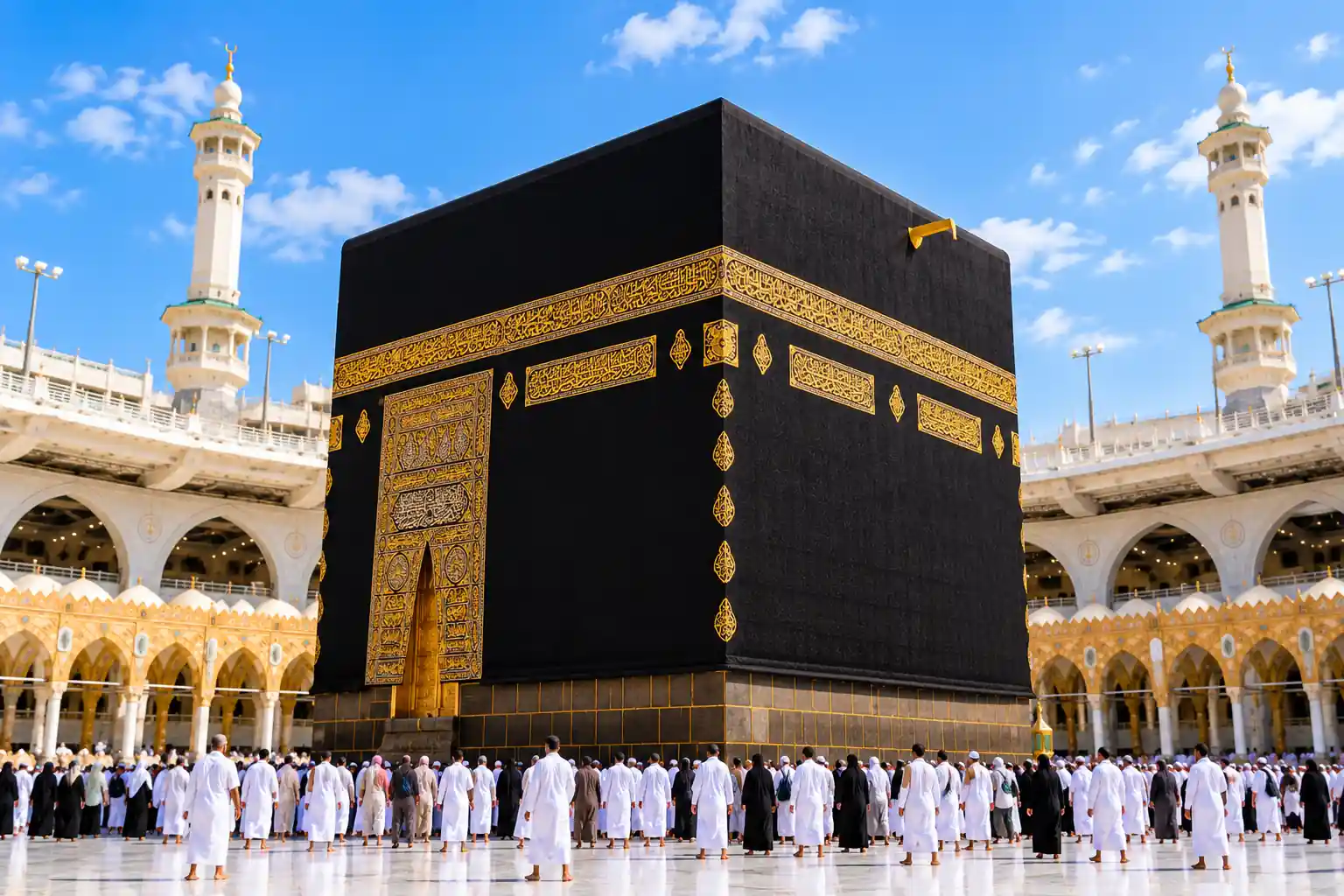
The Holy Kaaba
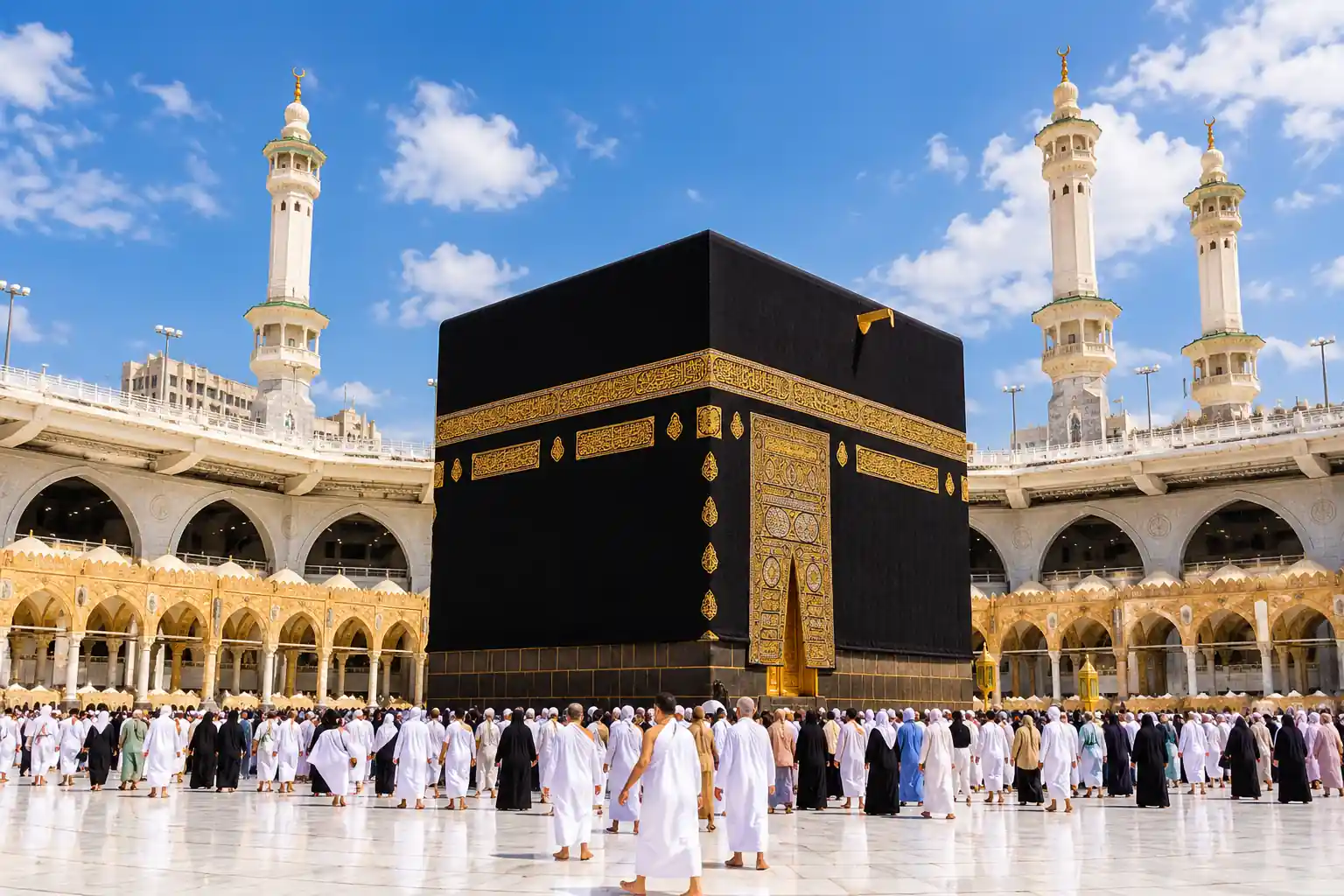
The Holy Kaaba (Kabah) is the cube-shaped house at the centre of Masjid al-Haram, serving as the Qibla (the direction of prayer). The height of the Kaaba is 13.1 metres (43 feet), with sides of 11.03 metres by 12.8 metres. It tops the list of Makkah's famous places and is the first of the Makkah landmarks you see. It is covered in the Kiswa (black silk) cloth, embroidered with 120 kgs of pure gold, and Black Stone (Al-Hajar al-Aswad) is embedded in the eastern corner of the Kaaba, marked as the starting and ending point of each lap during Tawaf.
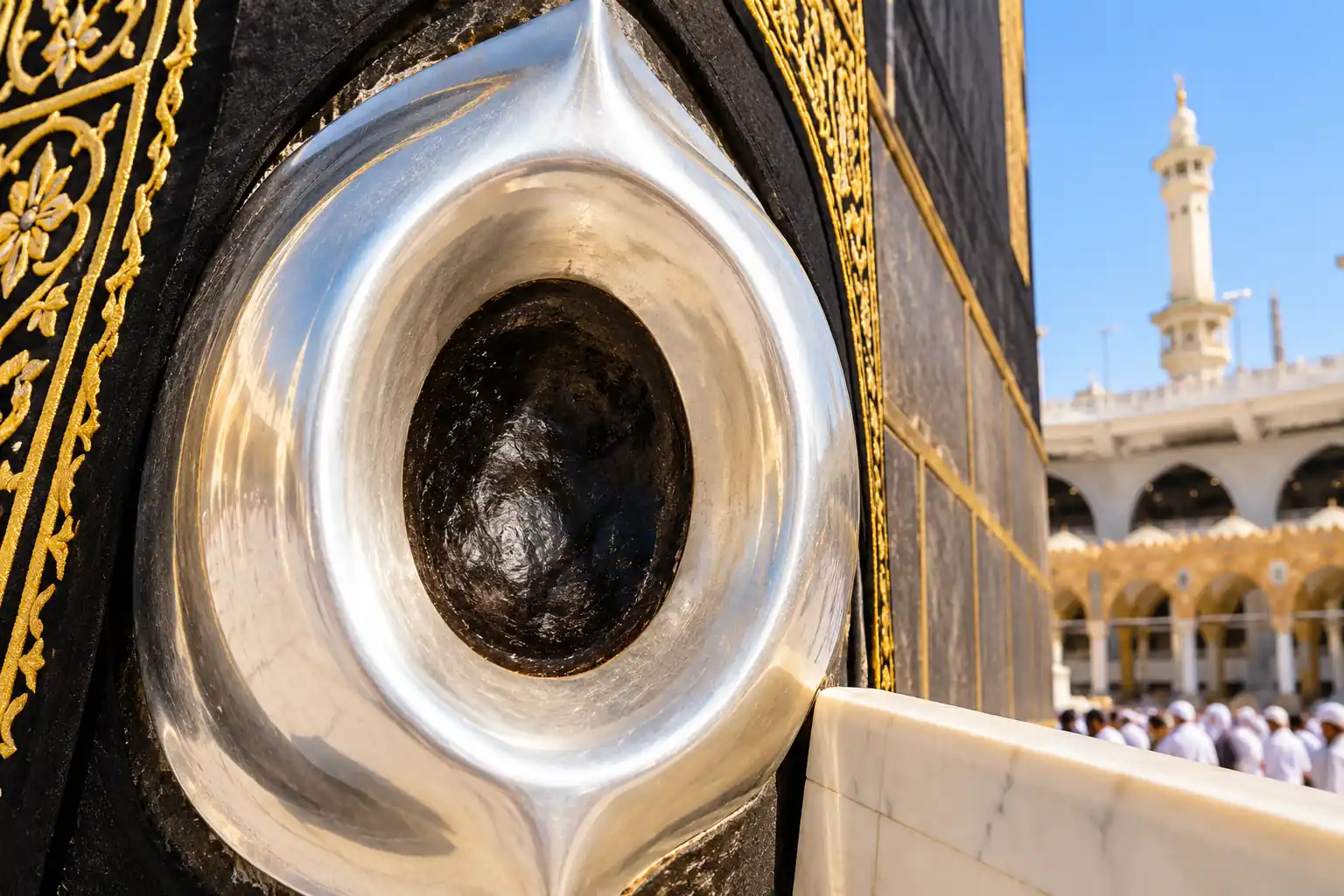
Hajar al-Aswad (Black Stone)
The Black Stone (Stone of Heaven) sits in the southeastern corner of the Kaaba, about 1.5 metres from the courtyard ground; Tawaf starts and ends at this point. According to Islam, this stone used to be whiter than milk, but due to historical damage, it has been reduced to eight visible distinct fragments moulded together using Arabic frankincense. Pilgrims during Hajj and Umrah kiss it or point to it when the crowd is too big (make a gesture with the hand). It is among the Makkah must visit places for every pilgrim.
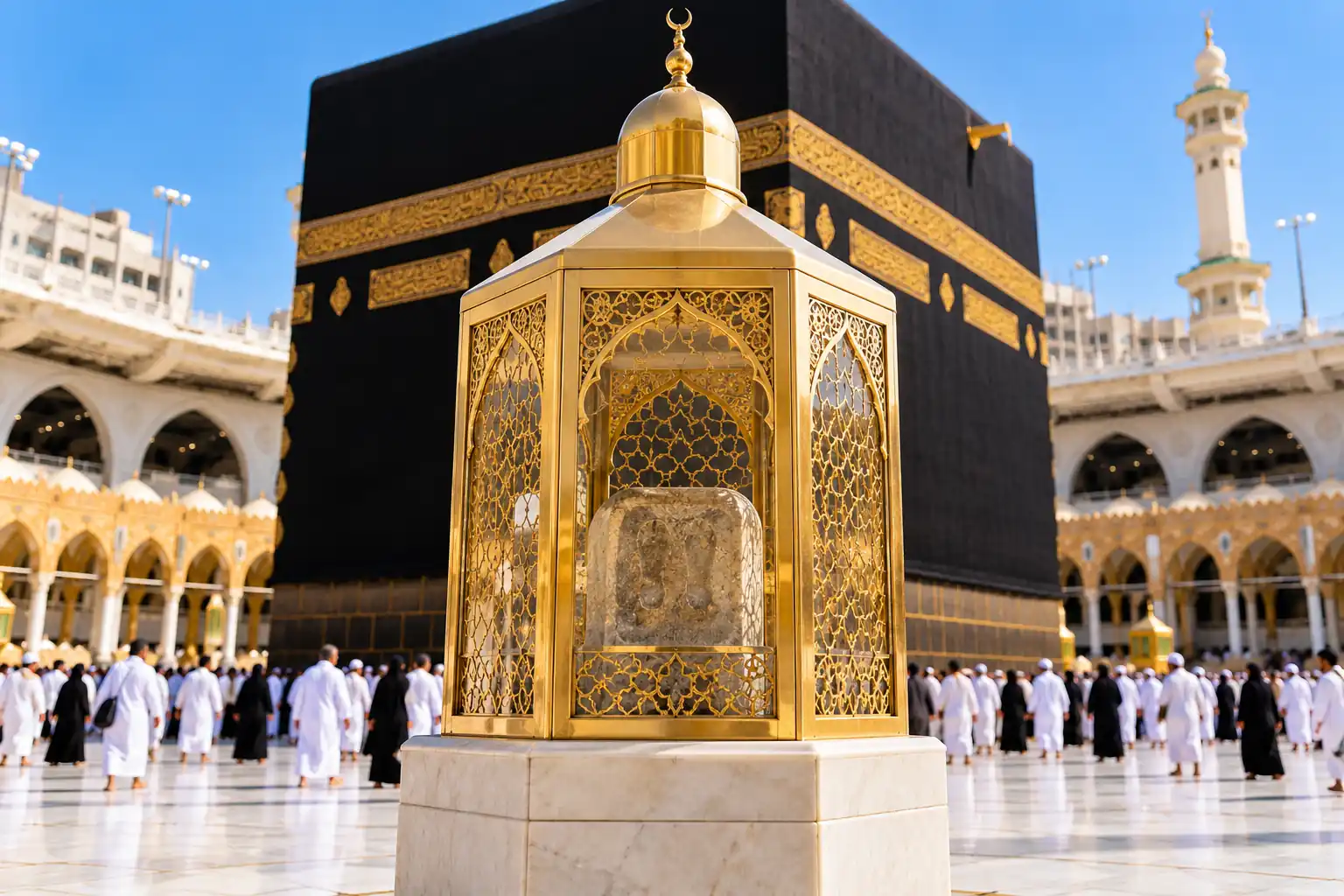
Maqam Ibrahim (Station of Abraham)
Maqam Ibrahim is a sacred stone located 10 to 13 metres east of the Kaaba. It’s square in shape, yellowish-white macrocrystalline calcite, and bears two distinct marks, revered as the footprints of Prophet Ibrahim (AS). He stood on it while he built the Kaaba, and now it’s covered with a gold and bronze protective crystal dome on top of a marble base. Pilgrims pray two rak'ahs behind it after Tawaf as a Sunnah. It is one of the important places to visit in Makkah inside the mosque.
Want to learn more about this sacred station and its connection with Prophet Ibrahim (AS)? Read about the history of Maqam Ibrahim.
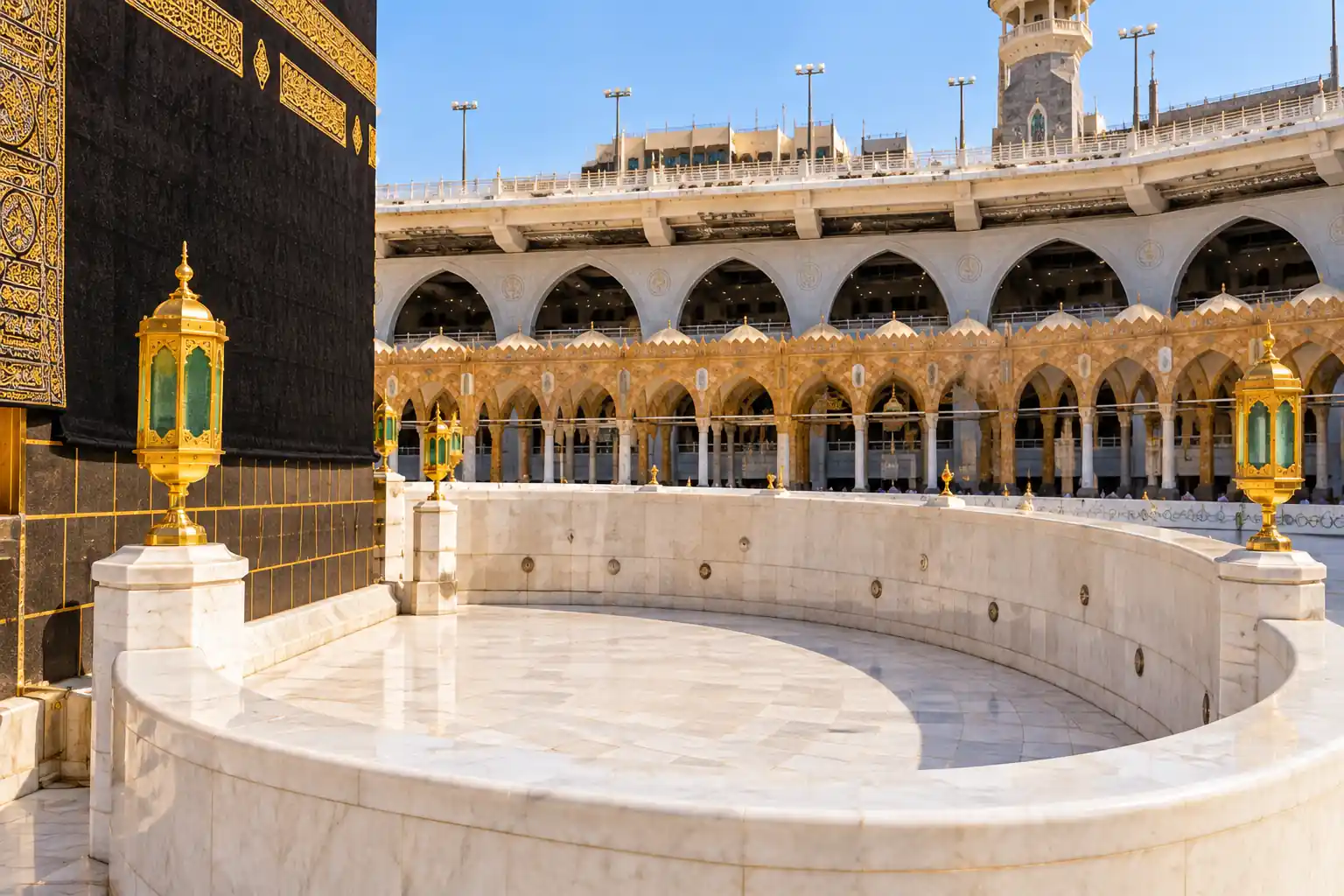
Hijr Ismail (Hateem)
Hijr Ismail is the curved wall (semi-circular) beside the Kaaba. It’s surrounded by a low crescent-shaped white marble wall, which is adjacent to the northwestern side of the Kaaba. Its size is 8.5 metres wide & 1.3 metres high; the space inside it is part of the Kaaba, and they walk around Hijr Ismail (Hateem) during Tawaf. It is one of the most loved Makkah famous places for prayer.
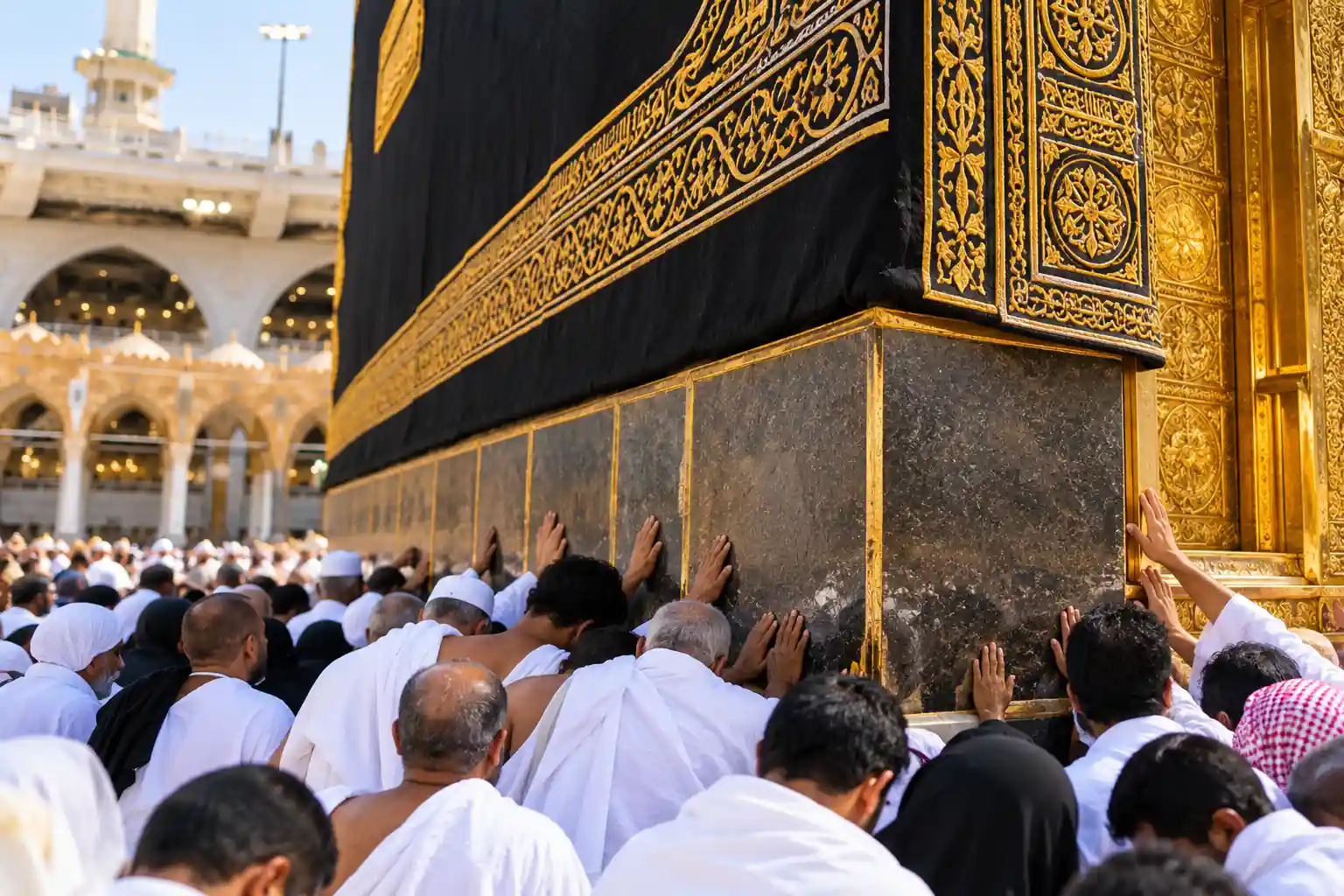
Multazam
Multazam is the 6-foot-wide space between Black Stone and the door of the Kaaba. The name Multazam translates to 'the place of clinging' or 'the place of binding'. Pilgrims during Hajj and Umrah perform Iltizam (a Sunnah act, where pilgrims press their chest, face, forearms and palms directly against this section of the wall, asking for Allah’s mercy and supplications). It ranks high among Makkah must visit places for prayer.
Historical Places in Makkah
Makkah's past lives in its caves, mountains, wells, and valleys. The Makkah historical places given below tell the story of the Prophet ﷺ and early Islam, and each one deserves a spot in your Makkah ziyarats.
The First House of Worship
The Kaaba is the first house of worship built for mankind on Earth, explicitly mentioned in the Holy Qur'an (Surah Ali 'Imran, 3:96). Prophet Ibrahim (AS) and his son Ismail (AS) were commanded by Allah (Surah Al-Baqarah, 2:127) to excavate the ancient site that was initially founded by Adam (AS) to raise the Kaaba’s granite walls. It stands first among all places to visit in Mecca, and every Makkah ziyarat begins with this story.
Jabal al-Nour and Cave of Hira (Mountain of Light)
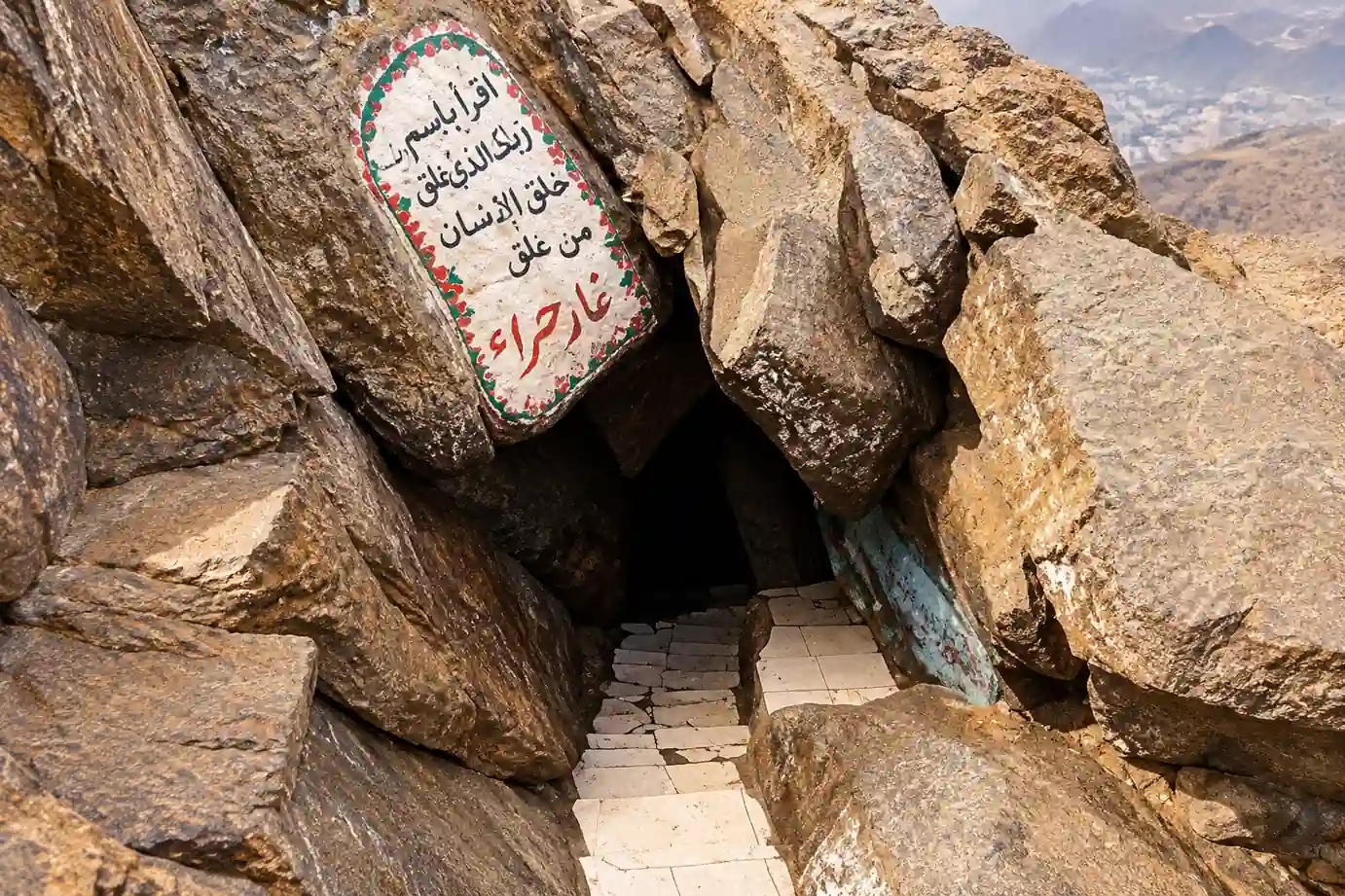
This is situated 4 kilometres northeast of Masjid al-Haram, 634 metres above sea level. Its rocky crown houses the narrow Cave of Hira; it’s the place where the Prophet ﷺ received the first revelation of the Quran from Angel Jibreel (Surah al-Alaq (96:1–5) ). It is one of the top Mecca tourist attractions for pilgrims. The climb is steep, so wear good shoes and go early.
Jabal al-Thawr and Cave of Thawr
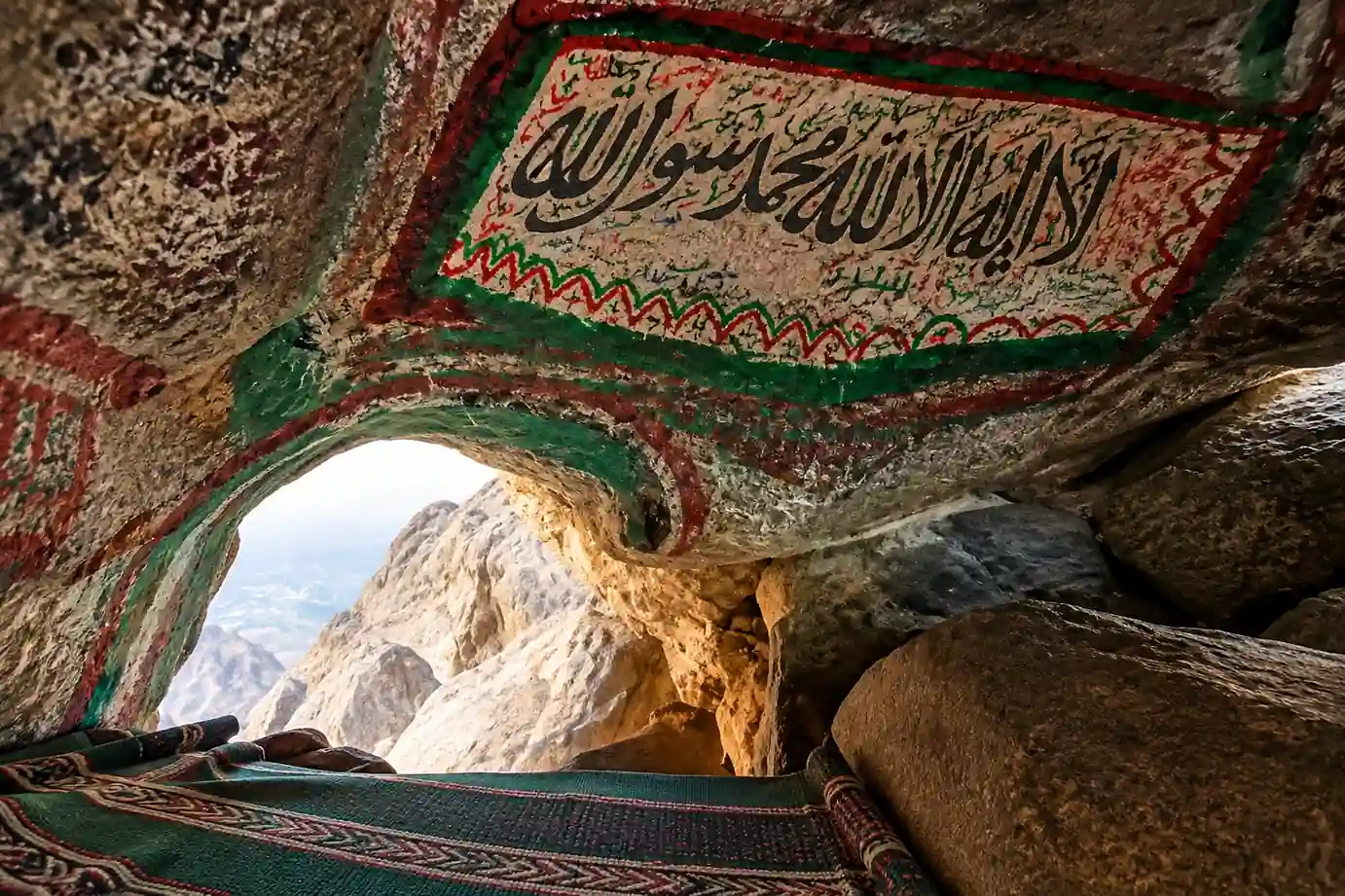
Located 4 to 7 kilometres south of Masjid al-Haram, 760 metres above sea level. The cave sits near the summit of Jabal al-Thawr. The Prophet ﷺ and Abu Bakr (RA) took refuge for 3 days in the Cave of Thawr during the Hijrah to Madinah; they were protected by a spider spinning its web at the narrow entrance gate (Surah At-Tawbah, 9:40). It takes 1.5 to 3 hours of steep climbing to reach the cave. It is a key stop for ziyarat in Mecca and one of the best places to visit in Makkah for the story of the Hijrah.
Al-Hudaybiyah (Plain of Al-Shumaisi)
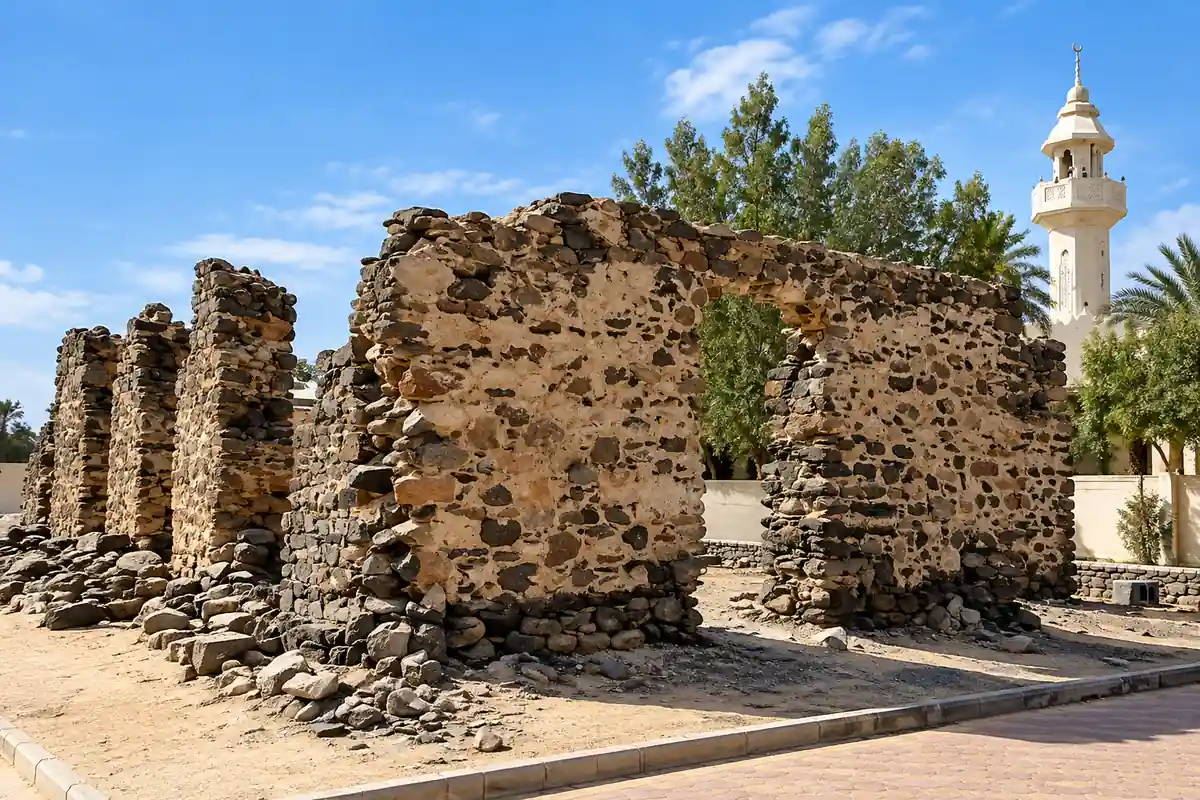
It is located 22 to 24 kilometres west of Masjid al-Haram. This is the place where the Prophet ﷺ and his 1,400 companions halted their march in 6 AH (628 CE), and the Treaty of Hudaybiyyah followed. The remains of an old well still stand there; it’s a Miqat entry point for people already in Makkah to perform additional Umrah. It is one of the most meaningful Makkah ziyarat places outside the city centre.
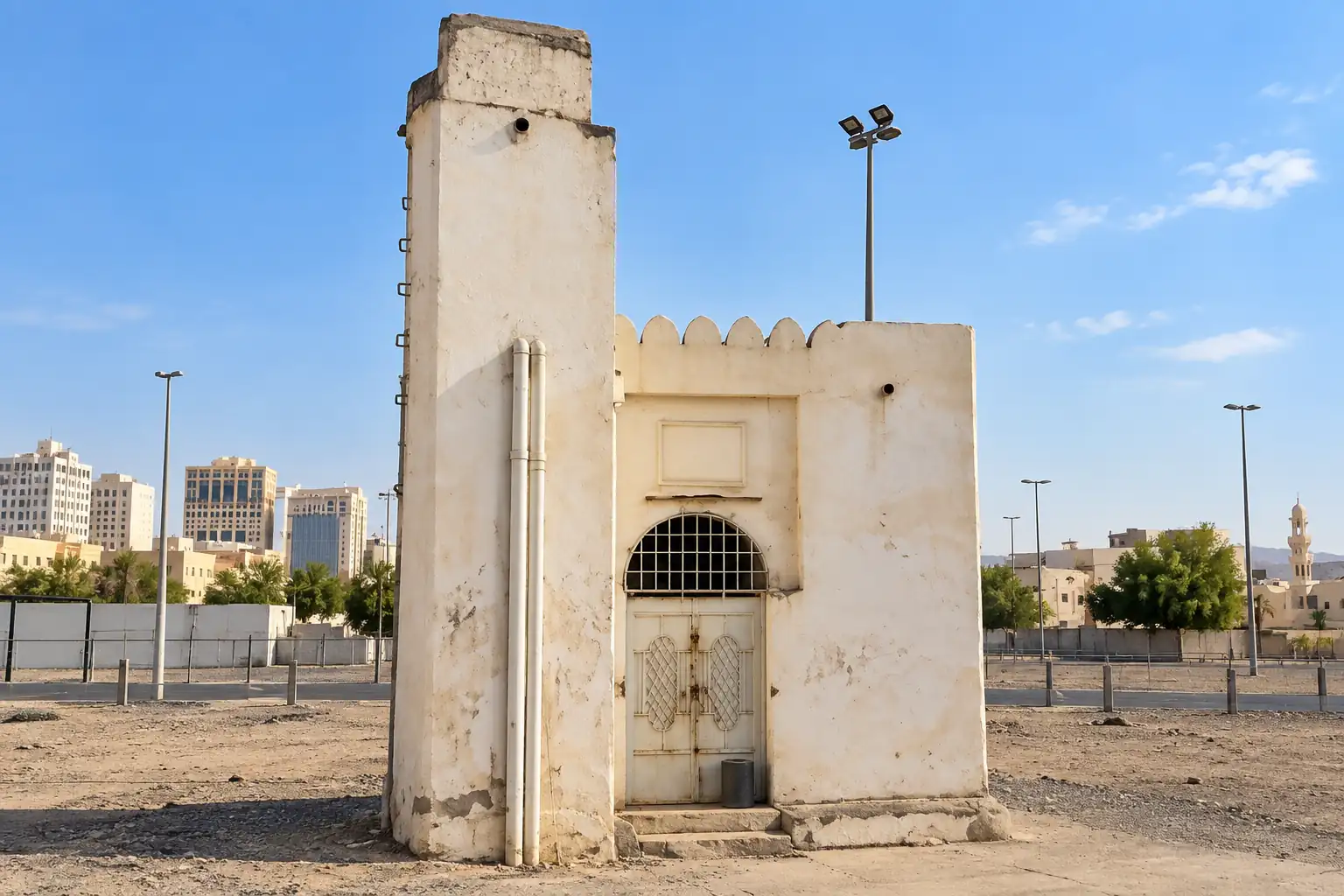
Bi'r Tuwa
Bi'r Tuwa is a well in the valley of Tuwa, 900 meters (in a straight line from the edge of the northwest courtyard) from Masjid al-Haram. It’s the same spot where the Prophet ﷺ stayed overnight in a camp during the historic victory of Makkah. The Prophet ﷺ stayed in this valley, bathing using water from the well, and then entered Masjid al-Haram for rituals. It is one of the closest sites to visit in Makkah to the Haram.
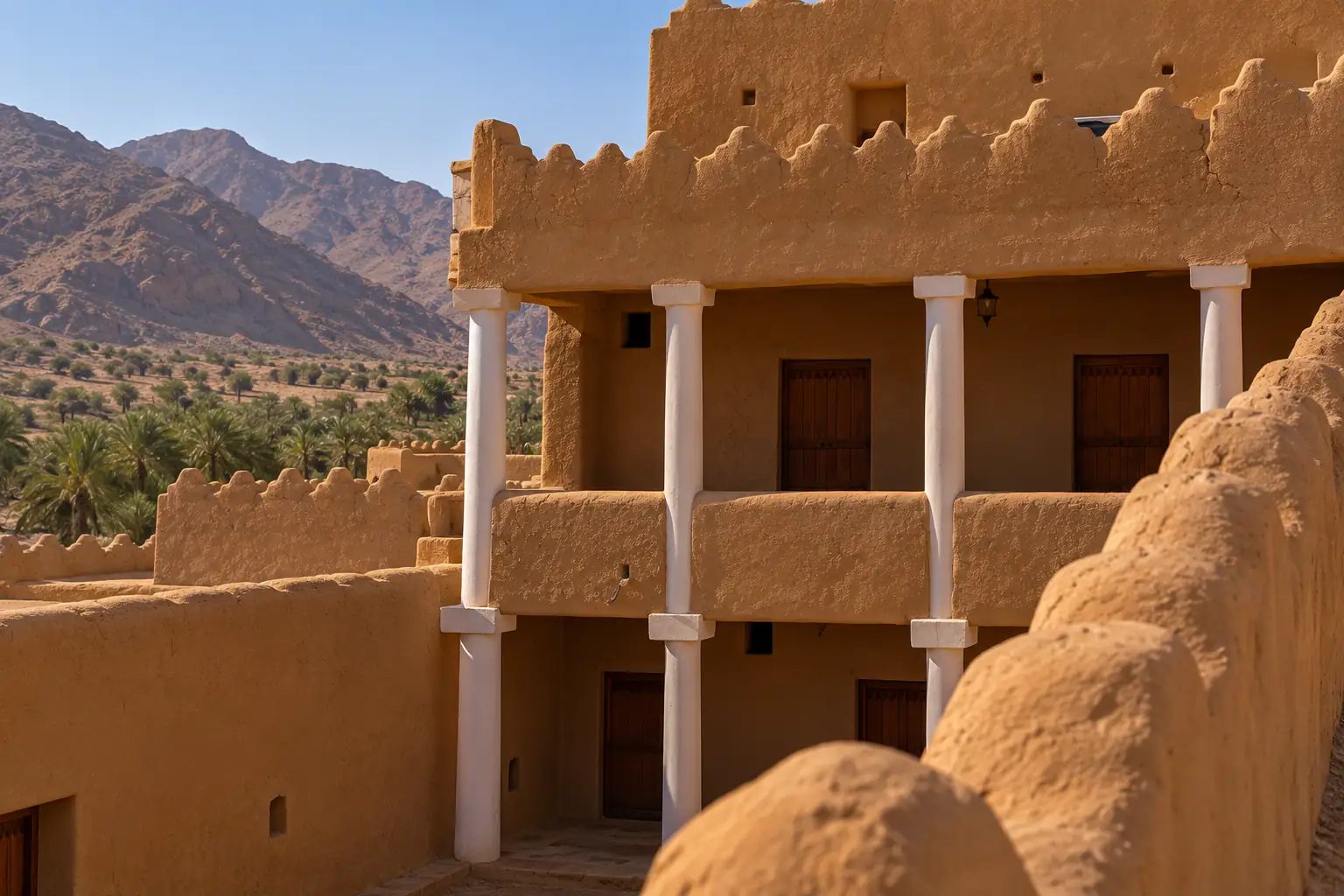
Wadi al-Asilah (Al-Usaylah)
Wadi al-Asilah is a 6-kilometre valley located northeast of Makkah on the old Iraqi pilgrim route near the Al-Ji'ranah Haram boundary. Travellers stopped here for water, as it was a critical hydration passage. Its rocks carry more than 60 early Islamic inscriptions in Hijazi script. It is a lesser-known stop among the Makkah ziyarat places.
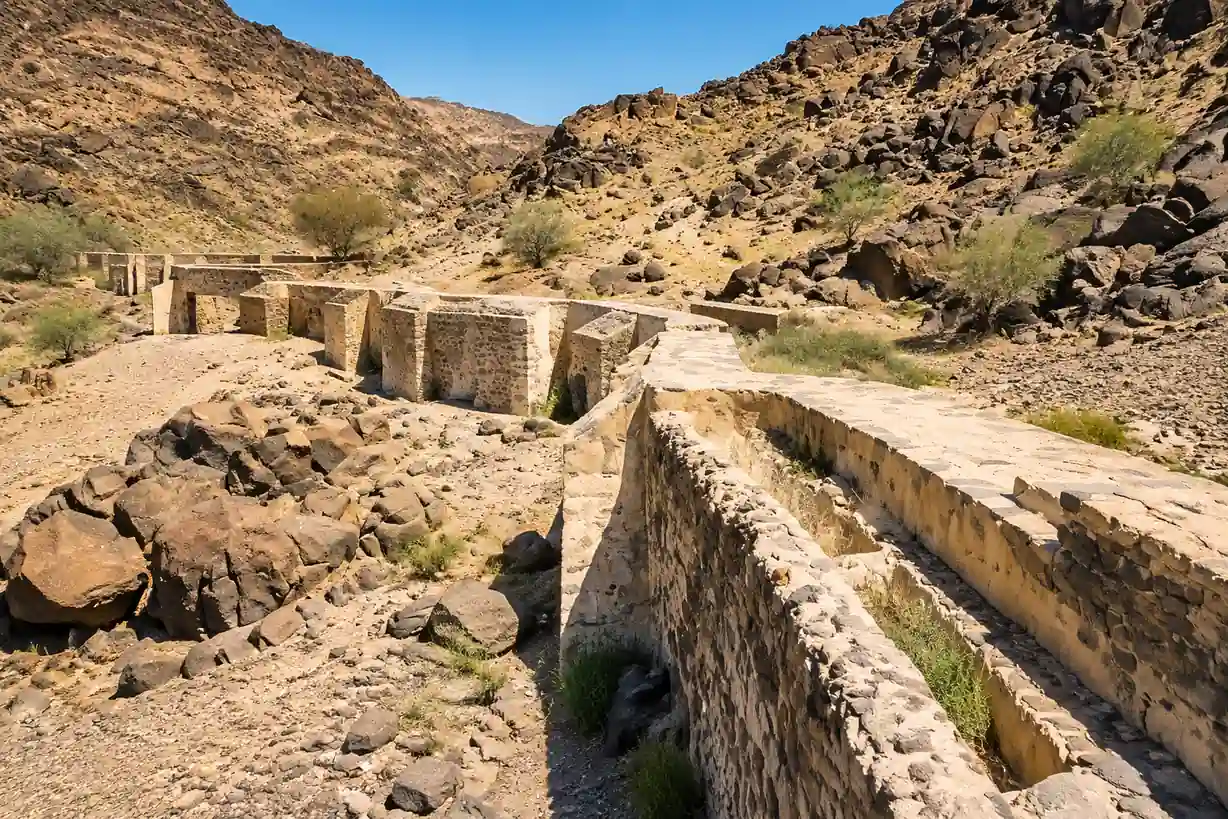
Ayn Zubaydah
Ayn Zubaydah is around a 30+ kilometre ancient aqueduct network that runs from near Ta'if to Arafat, Muzdalifah, and Mina. Zubaida bint Jaafar launched the project in 194 AH (809 CE) to resolve the critical water shortages for pilgrims. Guided routes through the holy sites include it, so add it to your Makkah ziyarats.
Interested in the history of water in Makkah? Learn more about the significance of Zamzam and its place in Islamic history.
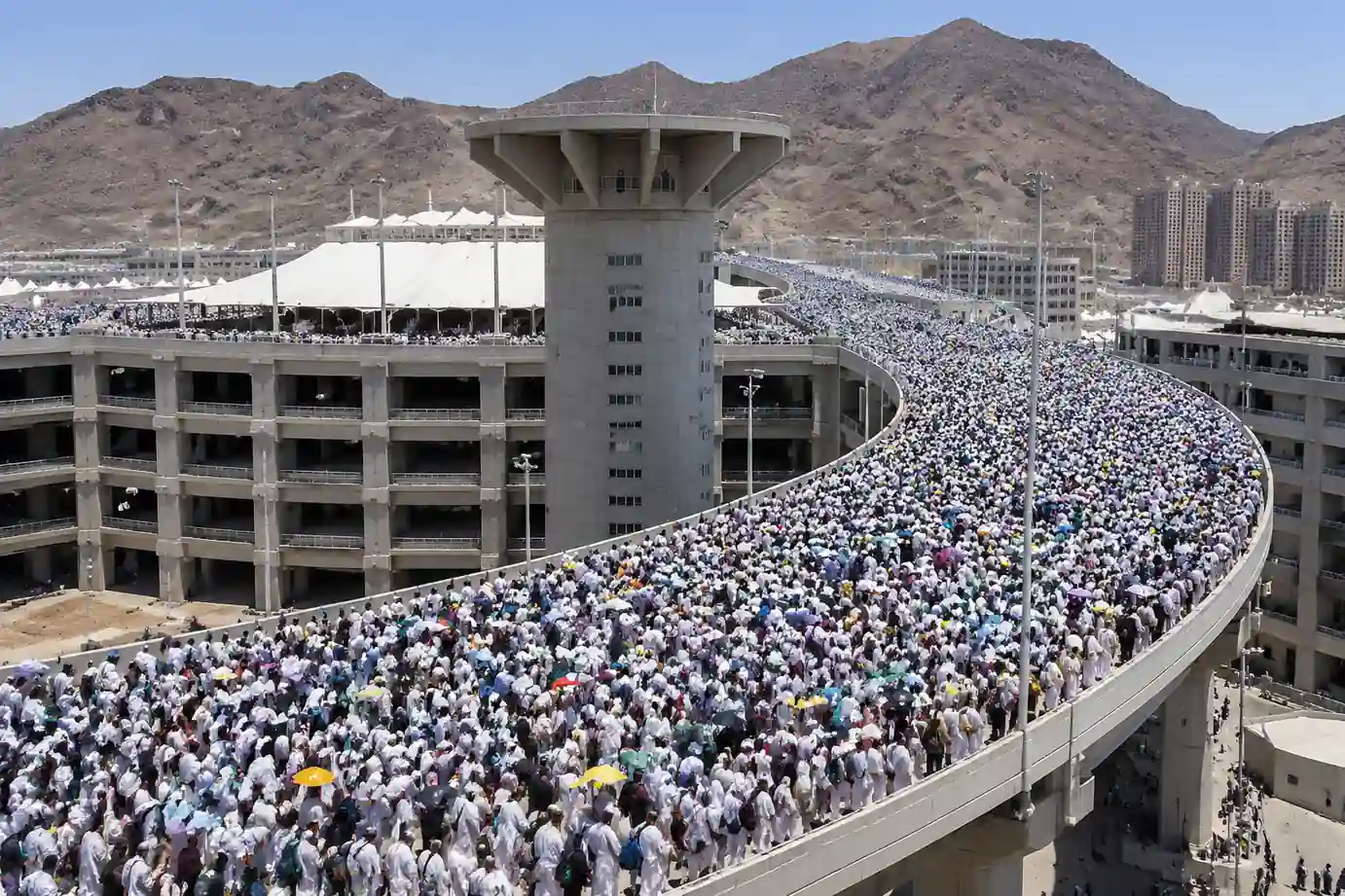
Jamarat Bridge
Jamarat Bridge is in Mina, where pilgrims stone the three pillars during Hajj. It is 950 meters long and 80 meters wide, with levels. There are 5 floors in total, and stand 12 metres high, oval in shapte and pillars of 40 metres to reduce overcrowding. It is one of the busiest places in Makkah during Hajj.
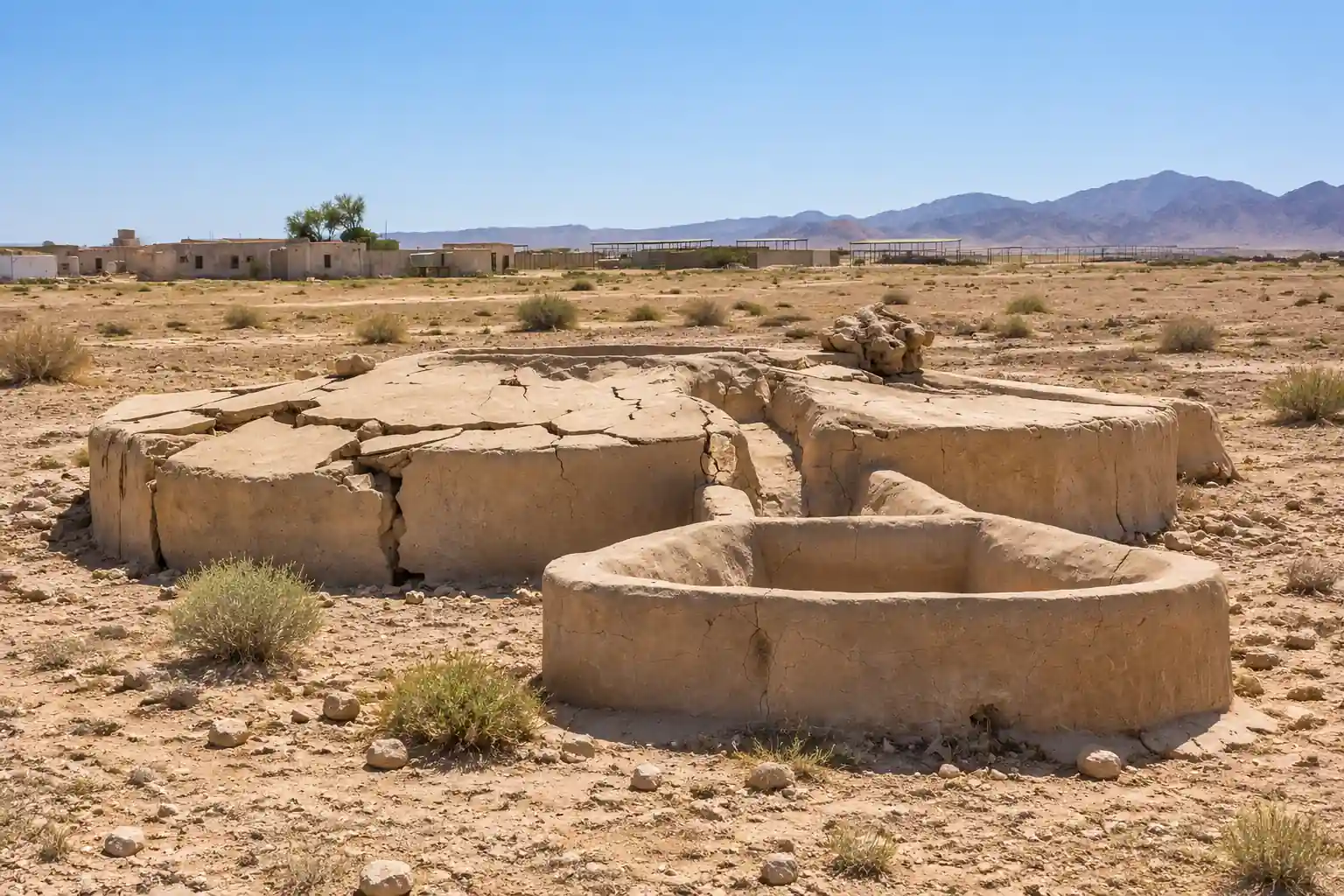
Noman Valley
Situated 25 to 30 km east of Masjid al-Haram. It feeds the Ayn Zubaydah aqueduct network and holds massive historic weight. Noman Valley is one of the lesser-explored natural areas around Makkah. The route is moderate to difficult and takes about 8 hours on guided hiking trails. It is a fresh pick among Makkah places to visit.
If you are planning to explore Makkah beyond the main pilgrimage sites, compare our Umrah packages from the UK and find an itinerary that fits your trip.
Museums and Cultural Attractions in Makkah
Museums add depth to the list of attractions in Makkah. They tell the story of the Quran, the Prophet ﷺ, and the city. They also give you cool, indoor places to see in Makkah, especially at midday.
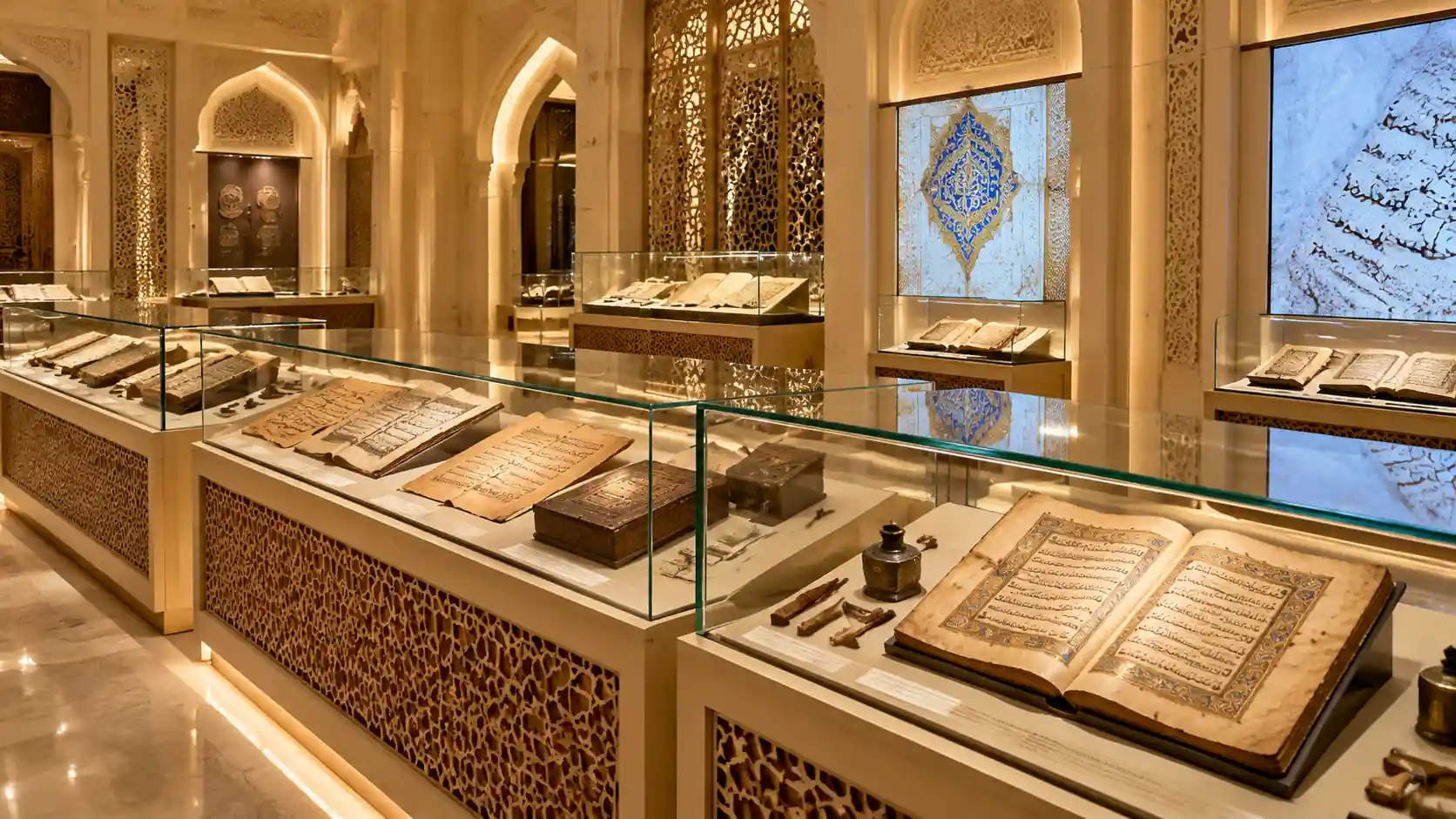
The Holy Quran Museum
Located at the base of Jabal al-Nour in a sprawling 67,000 square metre Hira cultural district. There are rare historic artifacts, stone inscriptions, a 3rd-century AH manuscript and a 76.67 square metre mosaic. Notably, it holds Guinness World Records for the largest Quran and Quran stand. The Holy Quran Museum shows how the Quran was revealed, written down, and preserved. It ranks among the top tourist attractions in Mecca.
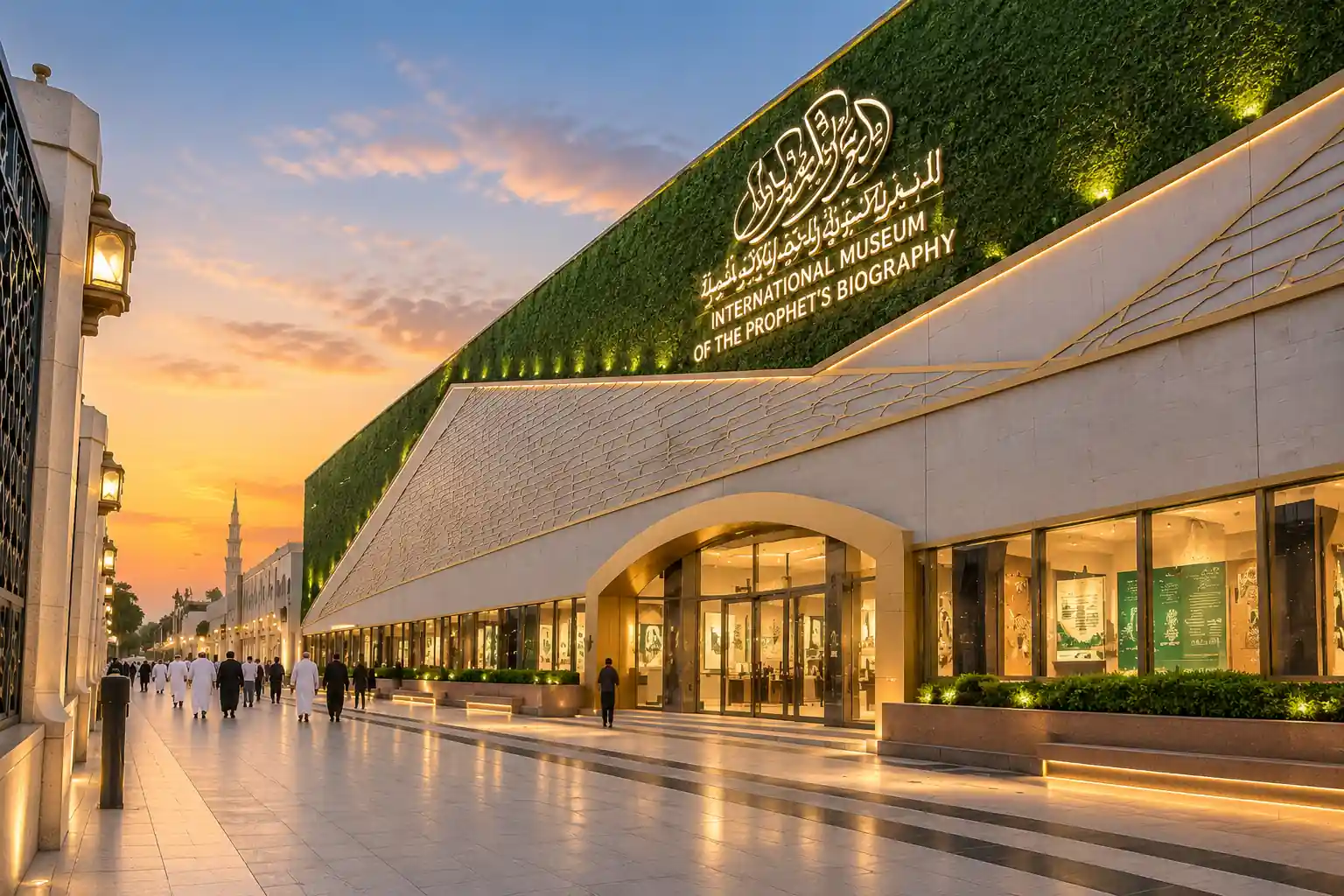
International Museum of the Prophet's Biography
This is situated right outside the Haram on the second floor (Level P2) of the clock tower, and this museum walks you through the life of the Prophet ﷺ with timelines and immersive displays. There are around 200 exhibits divided into 30 themed pavilions using hologram tech, 3D models and VR rooms. It is one of the most useful Mecca attractions for new visitors.
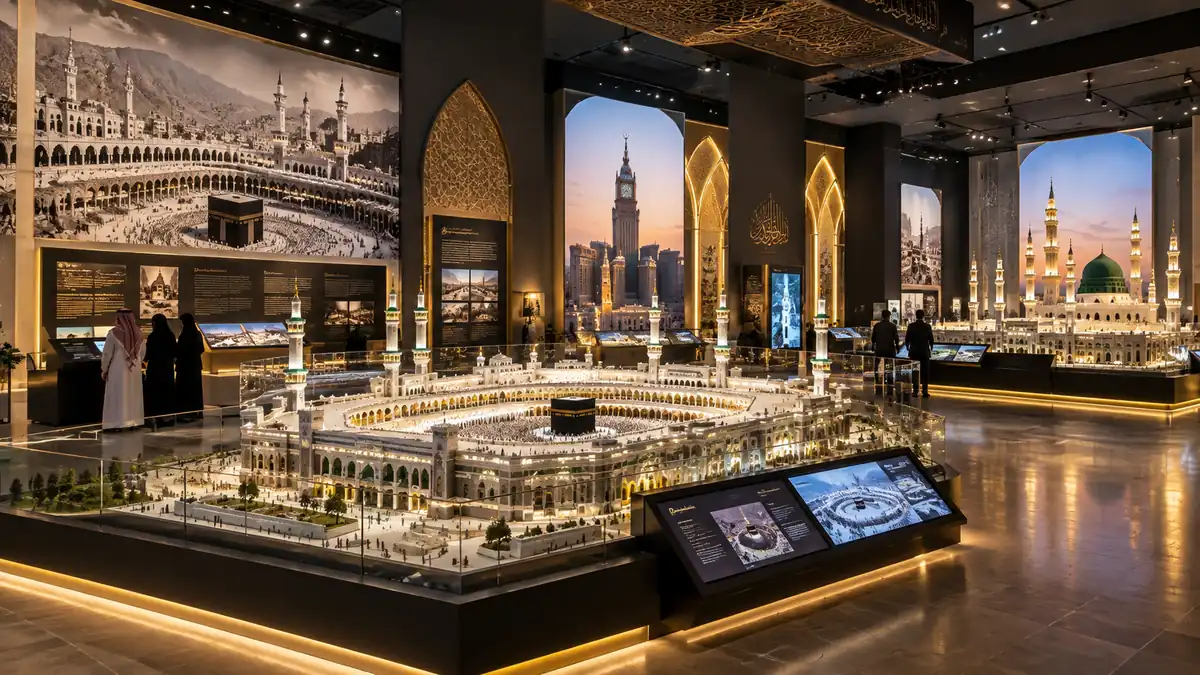
Exhibition of the Two Holy Mosques Architecture (Al-Haramain Exhibition)
This exhibition has seven halls and preserves the structural evolution of Masjid al-Haram and the Prophet's Mosque over time. It has ancient Kaaba doors, wooden pillars and the Zamzam hall. It sits about 10 km from the Haram, so add it to your places to visit in Mecca and plan a ride.
And the independent museum facility located 10 km away in Umm al-Joud has closed; now its collection has been integrated into a pavilion that is in the Hira Cultural District at the base of Jabal al-Nour.
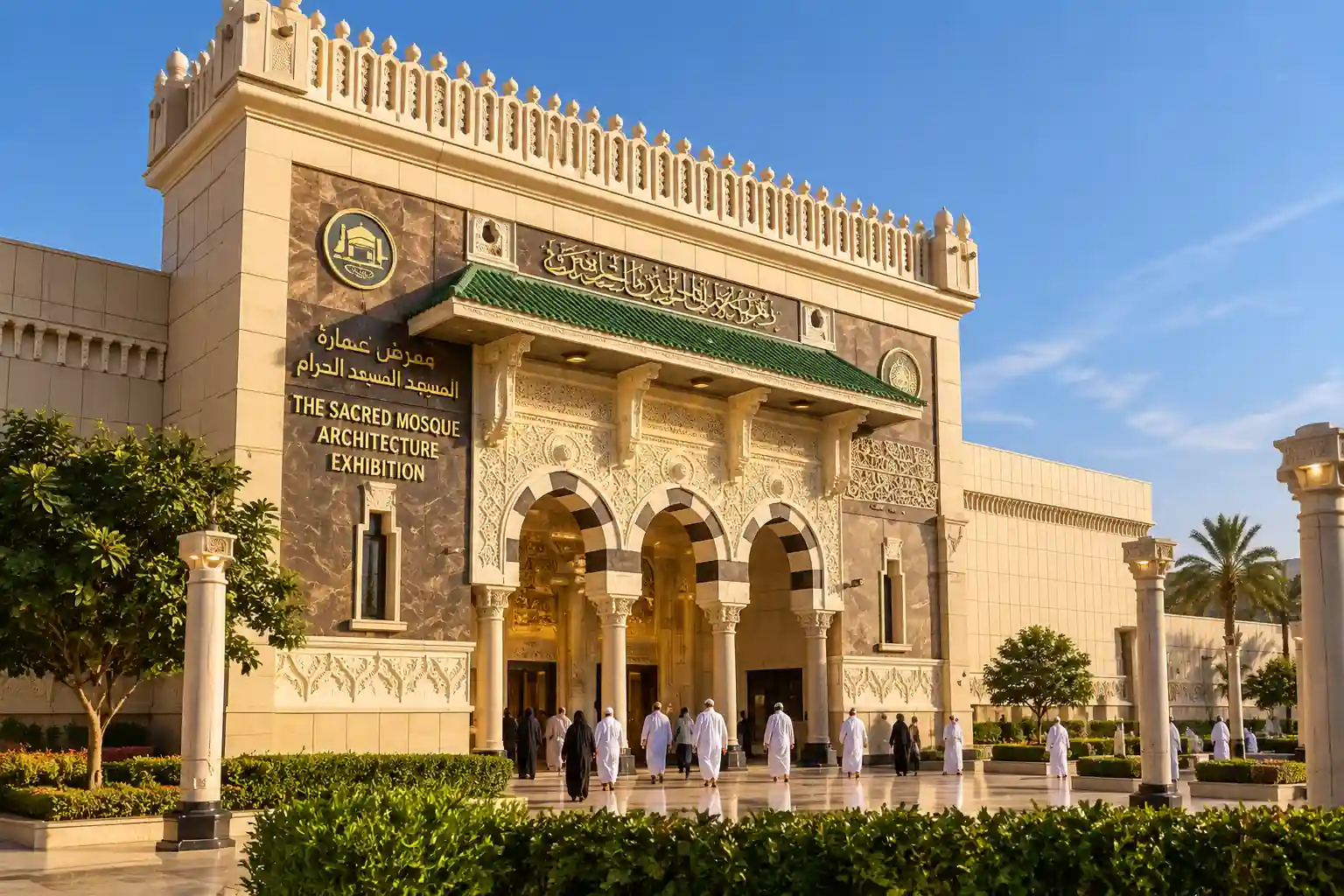
The Sacred Mosque Architecture Exhibition
The museum is located around 10 km west of Masjid al-Haram. This is the exact place where 200 skilled artisans and calligraphers of Saudi Arabia spend close to a year hand-weaving, dyeing and embroidering the Kiswa. Visitors get a fair idea of how the drapes are prepared for the Kaaba, and how artisans use 150 kg of gold and silver threads for Quranic calligraphy on drapes.
This exhibition follows how the Sacred Mosque grew over the centuries. It is a quiet pick among the sites to visit in Makkah.
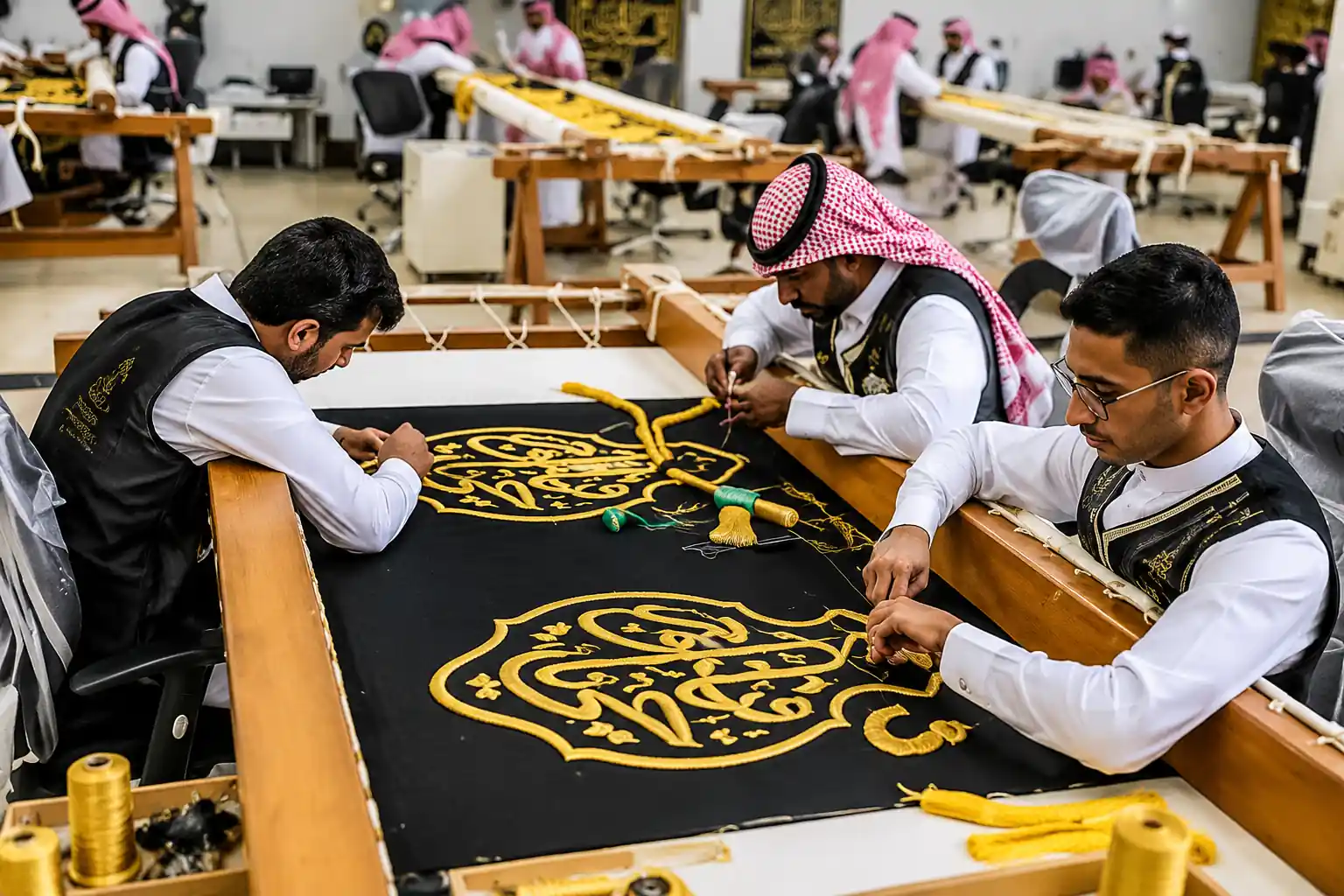
King Abdulaziz Complex for Holy Kaaba Kiswa
It’s a manufacturing site located 10 km west of Masjid al-Haram in the Umm al-Joud district. Where the Kaaba's black drapes are prepared. Visitors learn step by step how it’s made, which makes it one of the most interesting Makkah attractions for craft lovers.
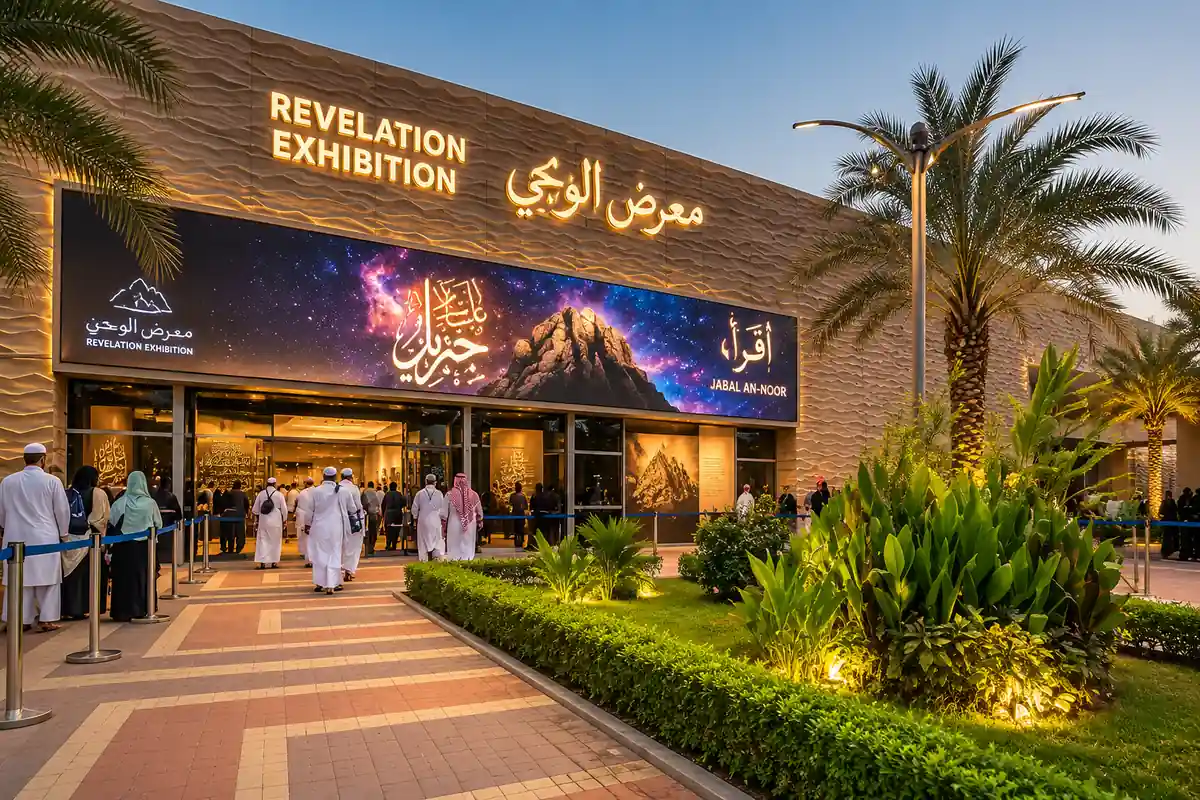
Revelation Exhibition
This is 4 to 5 km northwest of Masjid al-Haram. It’s a palace that spreads across 3,425 square metres and sits at the foot of Jabal al-Nour. It showcases Makkah’s history in 155 different exhibition halls. It is a museum that tells the story of how the Quran came down to the Prophet ﷺ. Pair it with your Makkah ziyarat to Jabal al-Nour.
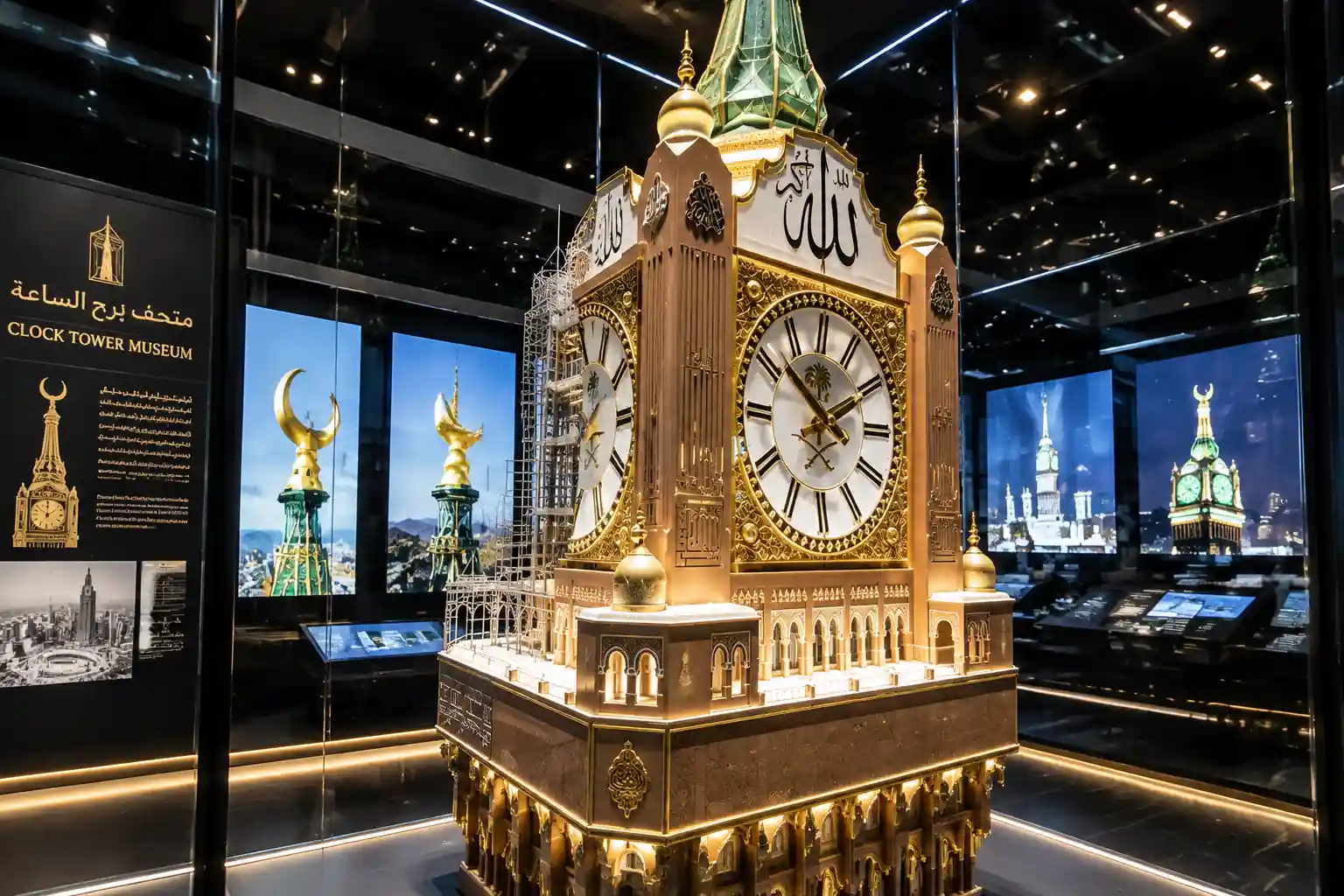
Clock Tower Museum (Matḥaf Burj al-Sāʿah)
It resides on four floors of the central tower, starting on floor M4, and is managed by the Misk Foundation; each floor of the museum is dedicated to a cosmic theme: the universe, the Sun and moon, the history of timekeeping, and the modern solar telescope and cosmic ray detector.
The Clock Tower Museum sits inside Abraj Al-Bait. It explores how people measured time and how Muslims track the Hijri calendar and prayer times. The top level gives a wide view of the Kaaba and the Grand Mosque. It is one of the best Mecca tourist attractions for city views.
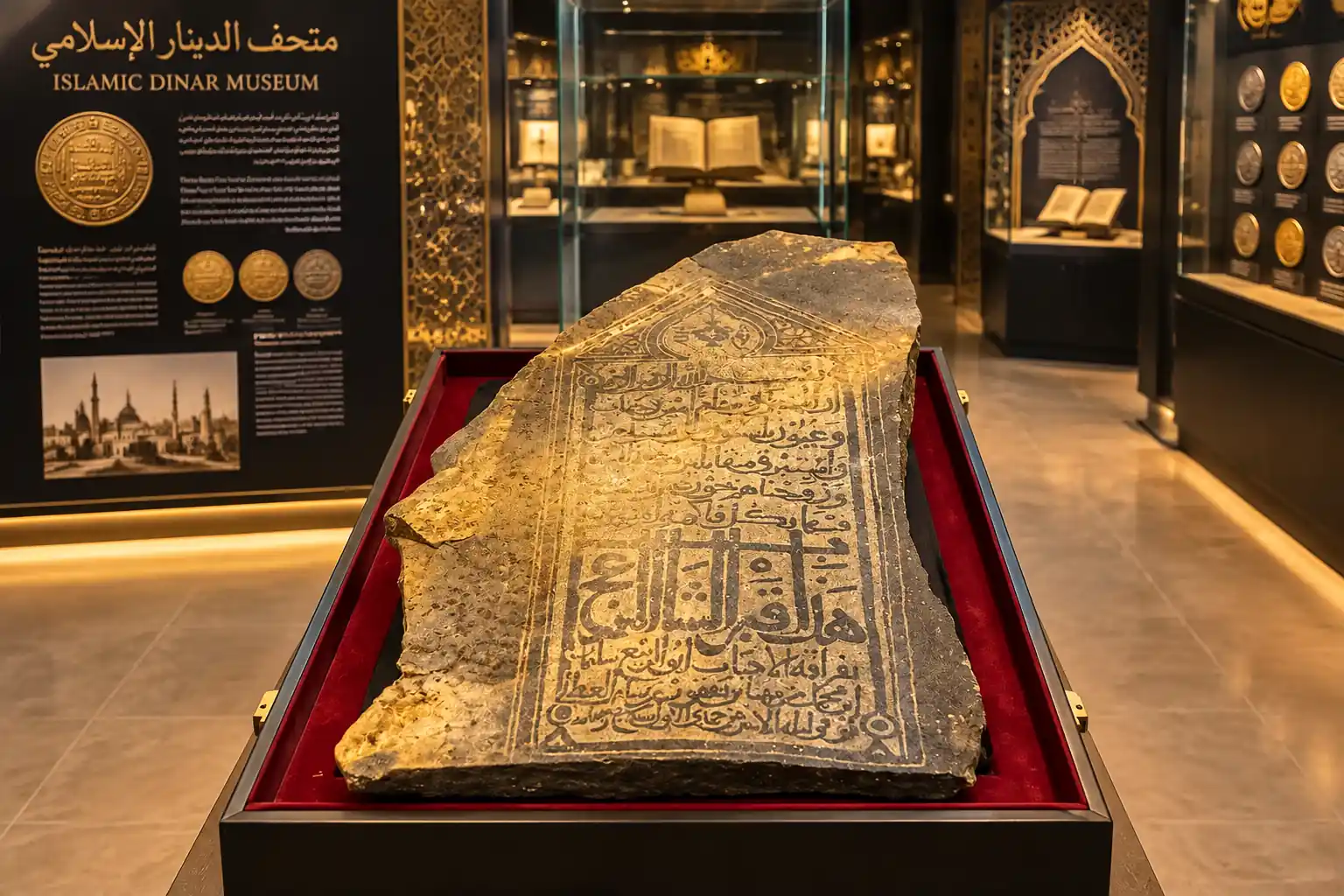
Islamic Dinar Museum
This museum shows a collection of over 13,000 artifacts, and it is the first museum in Makkah devoted to Islamic coins. It holds more than 4,000 dinars and dirhams across four halls. It faces Mount Thawr, so it is one of the easiest places to visit in Makkah to pair with a Thawr trip.
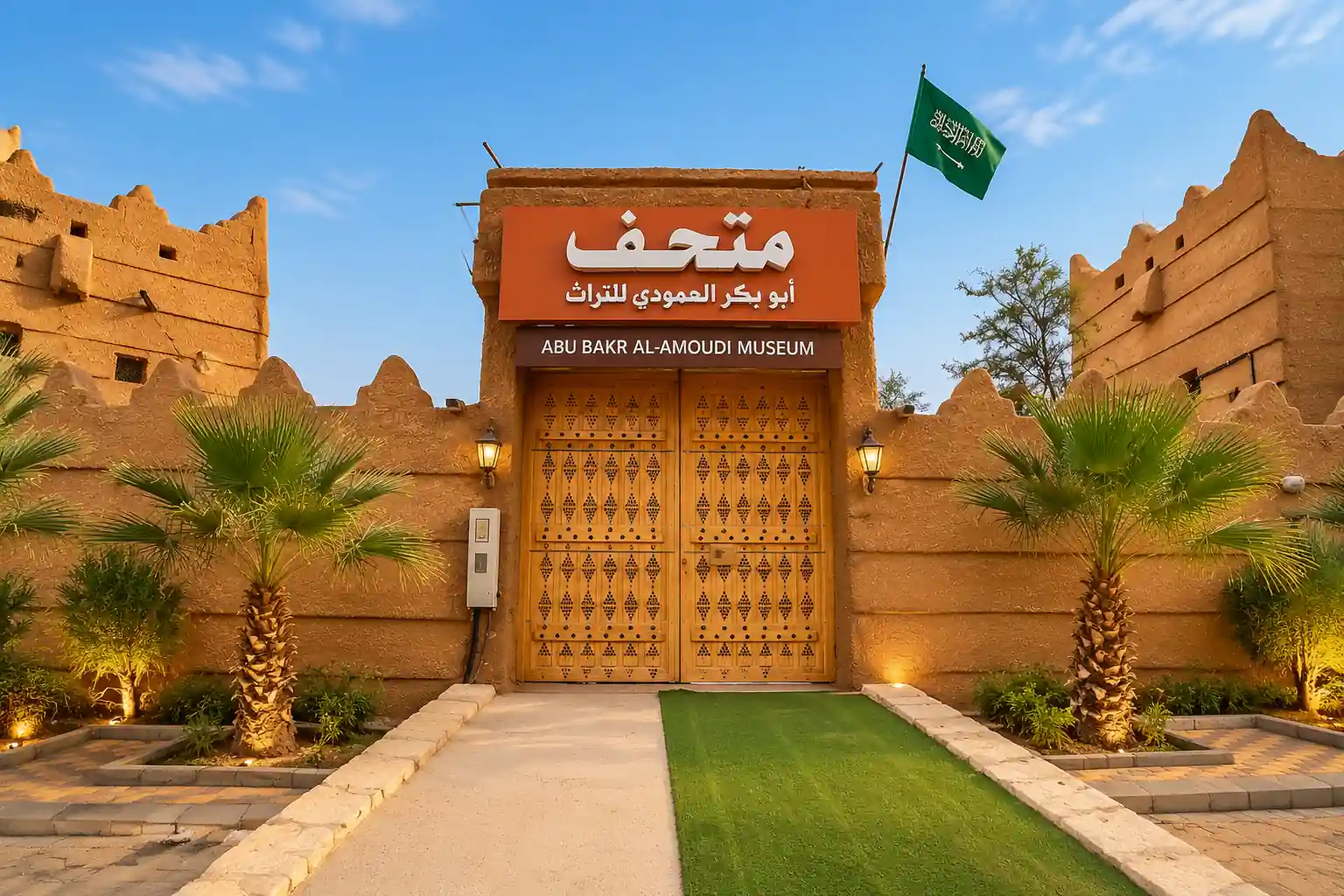
Abu Bakr Al-Amoudi Museum
Located on the Makkah-Jeddah highway in the Umm al-Joud district. 20 to 25 km west of Masjid al-Haram. It’s made up of traditional mud-brick, stones, and palm-leaf to mimic ancient eras. This heritage museum preserves Makkah's cultural legacy. It shows how Makkans lived in earlier times, so it is a good stop among Makkah's historical places for local life.
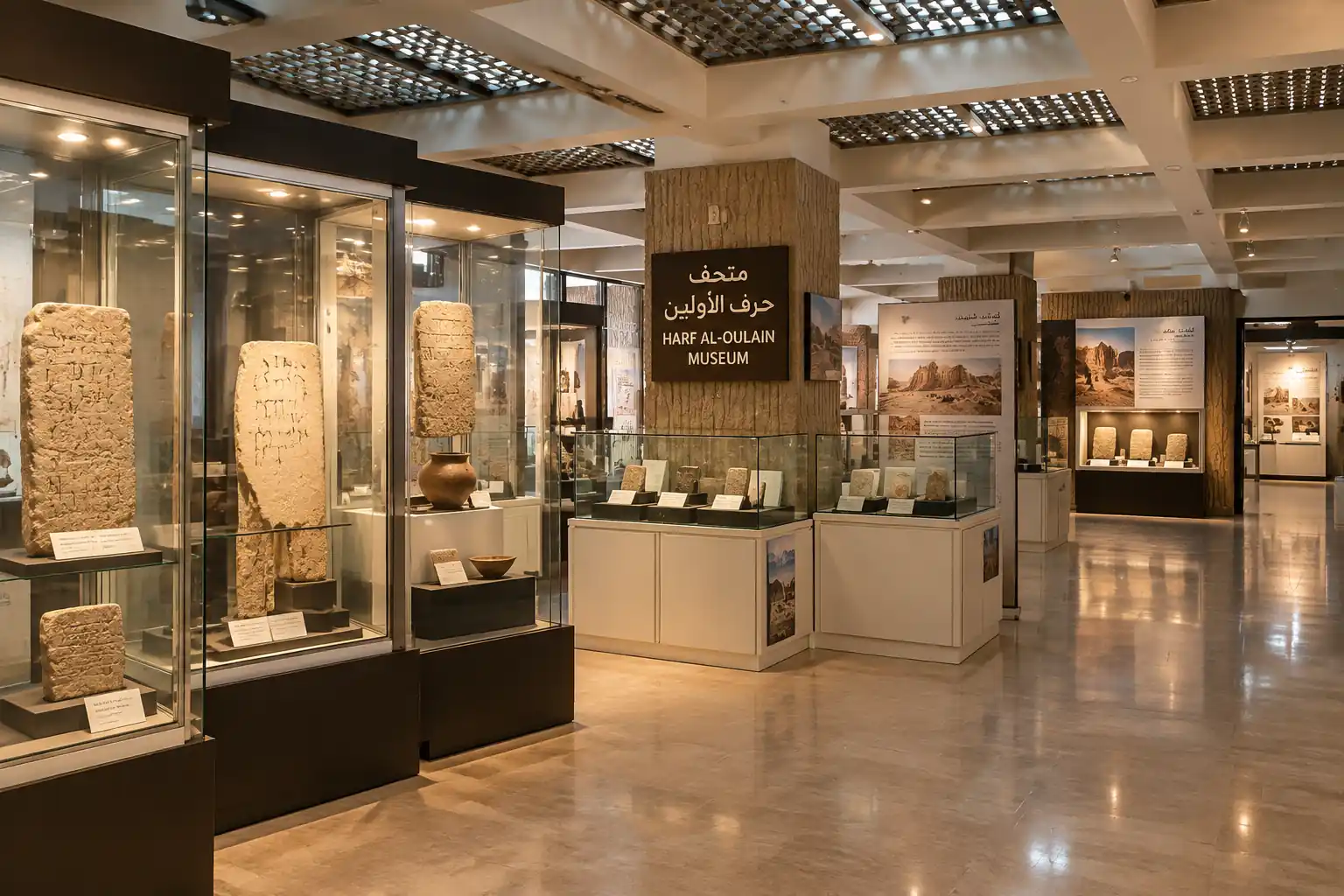
Harf Al-Oulain Museum (Museum of Ancient Crafts)
Located in the Al-Kakiyaah district, 8km south of Masjid al-Haram. Holds around 3,000 heritage artifacts, such as weaving and blacksmiths' tools, and models from the Makkah region. It is a rich stop among places to see in Makkah for anyone who loves old tools and weapons.
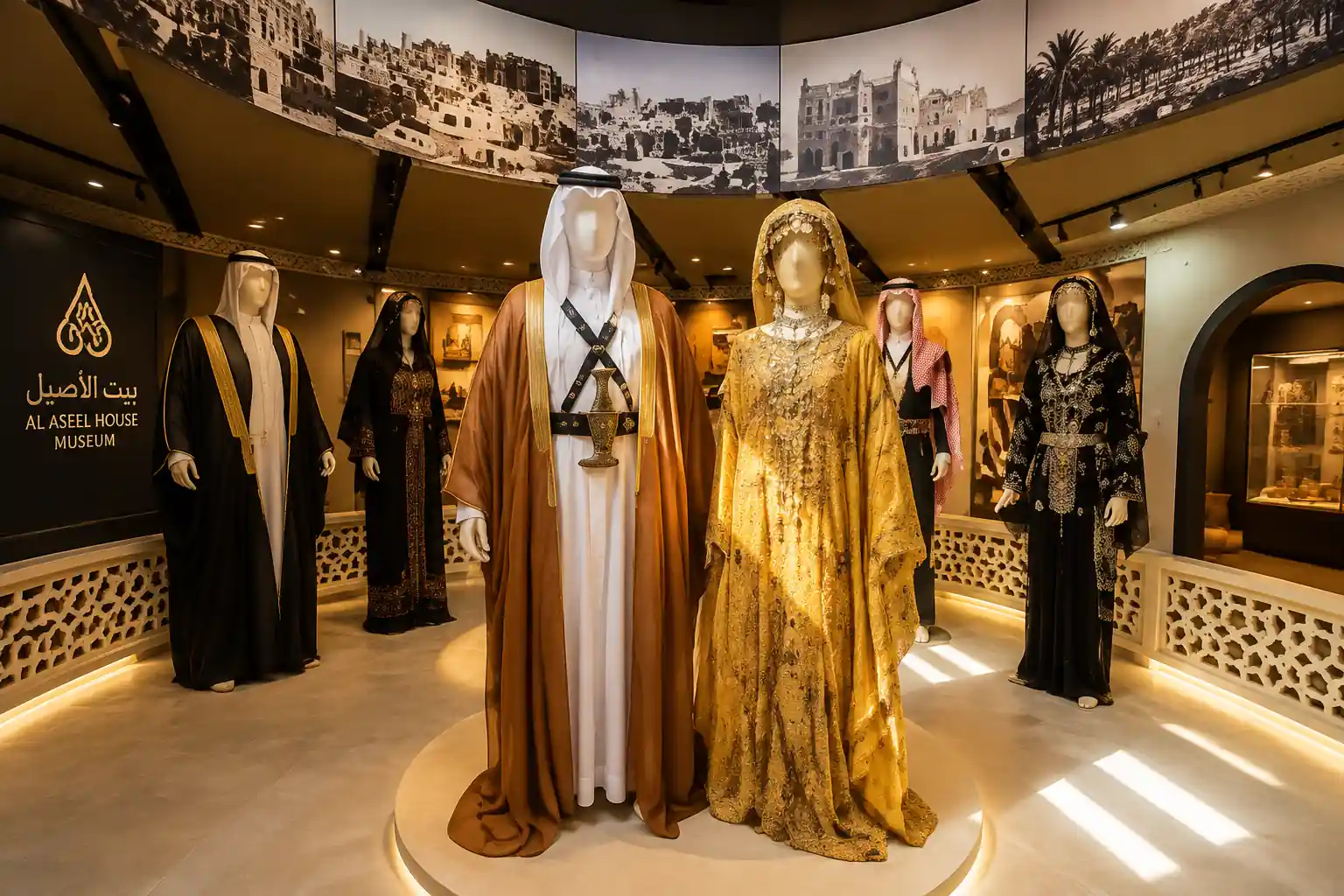
Al Aseel House Museum (Bait Al-Aseel Museum)
Located 15 km away from Masjid al-Haram, this place replicates the warm architectural atmosphere of classic heritage artifacts, antique tools, traditional attire and manuscripts. Visitors will get to explore custom setups of traditional hospitality like Majlis and the old kitchen of Makkah. It is one of the best Mecca attractions for local culture.
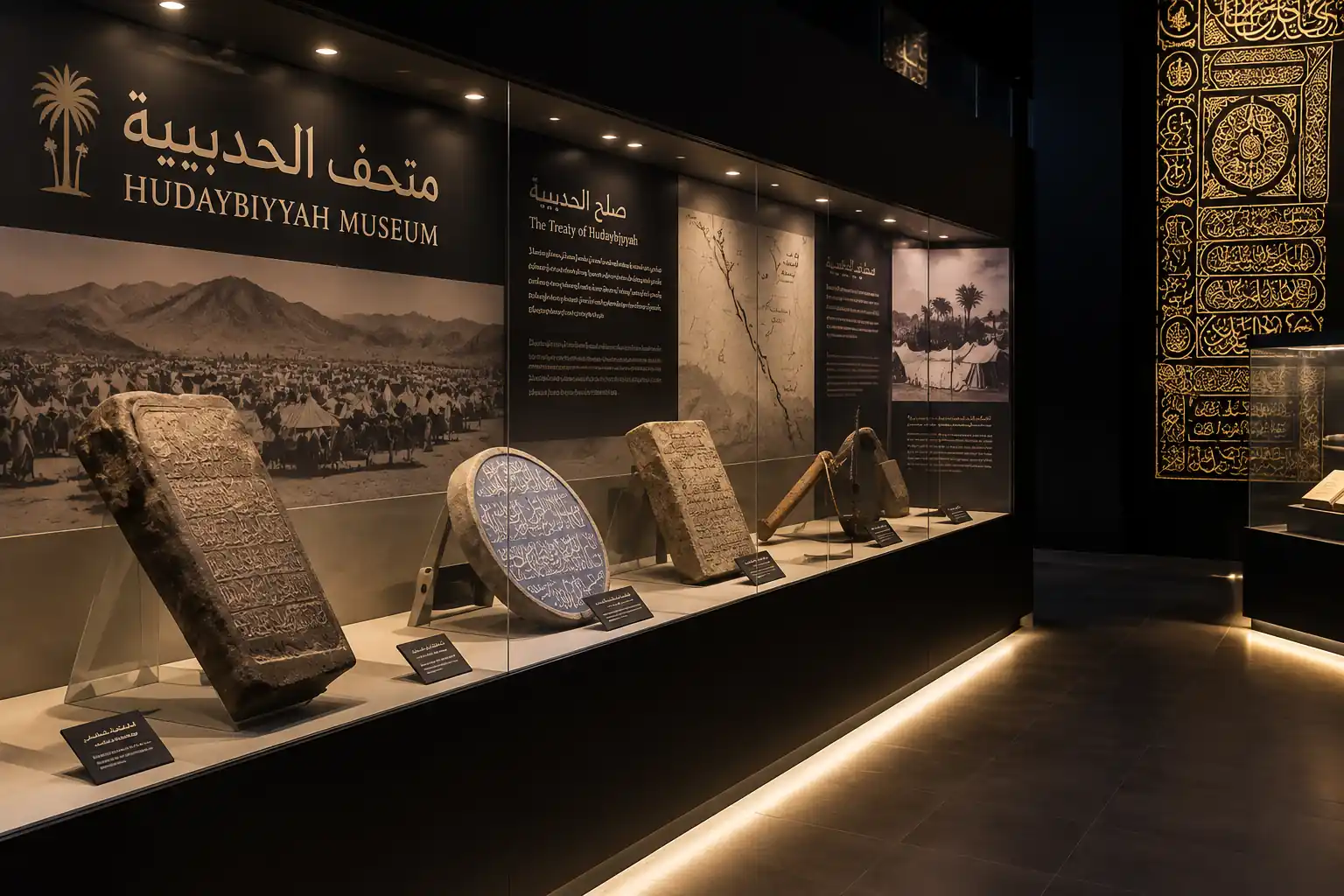
Hudaybiyyah Museum
This Museum is along the Old Jeddah road, 22 to 24 km west of Masjid al-Haram. It’s right next to where the historic treaty of Hudaybiyyah was signed in 6 AH; there are several multimedia screens, detailed cartographic timelines and architectural models to make the geopolitical and diplomatic impact of the peace treaty easy to understand. Pair it with your visit to the historic site on your ziyarat in Makkah.
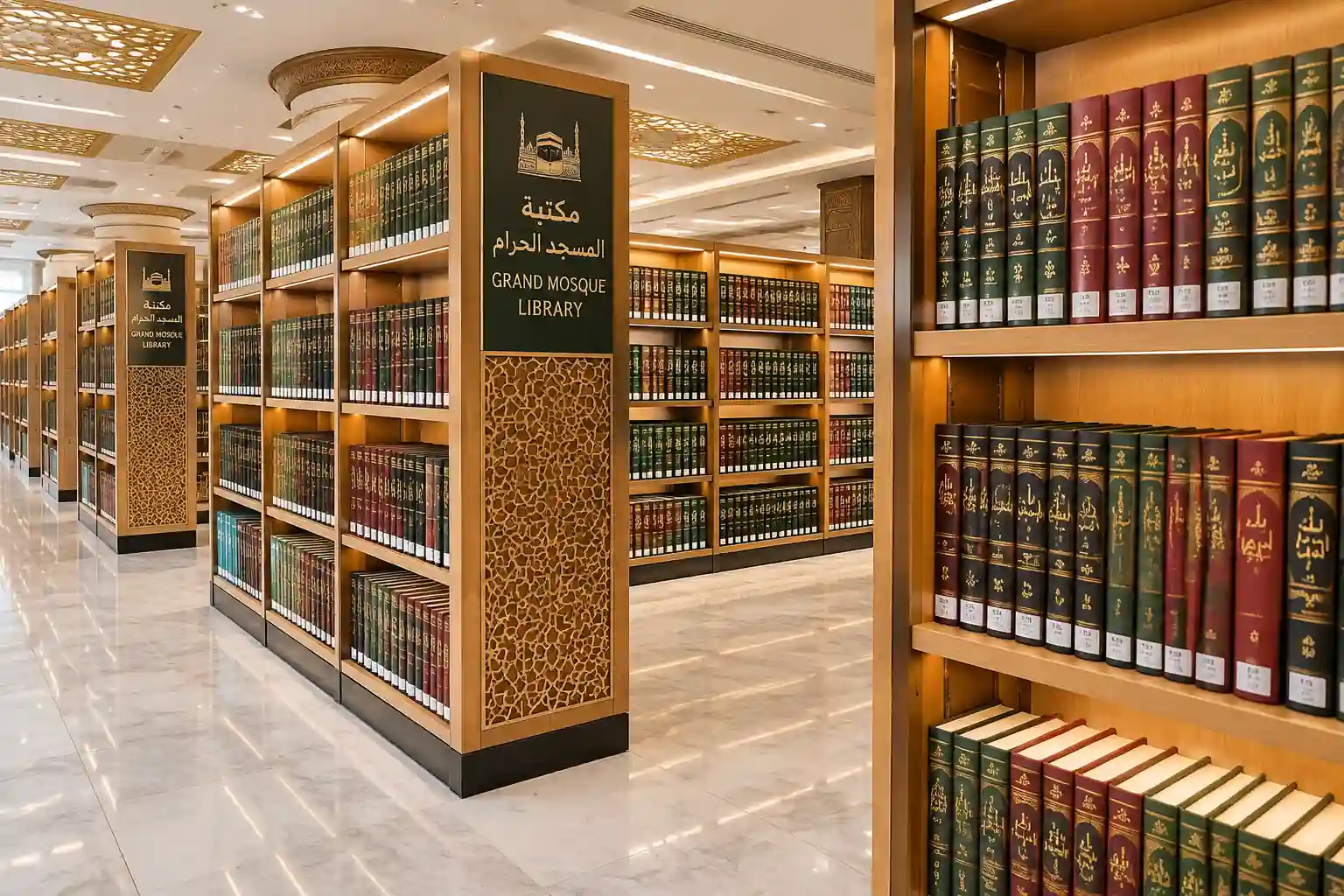
Grand Mosque Library
It collects over 200,000 reference items and also includes 7,800+ original ancient texts. The Grand Mosque Library displays rare manuscripts, including Quran scripts from the era of Caliph Uthman (RA). It also has copies of the Quran and old photos of the mosque. It is one of the quieter Makkah attractions near the Haram.
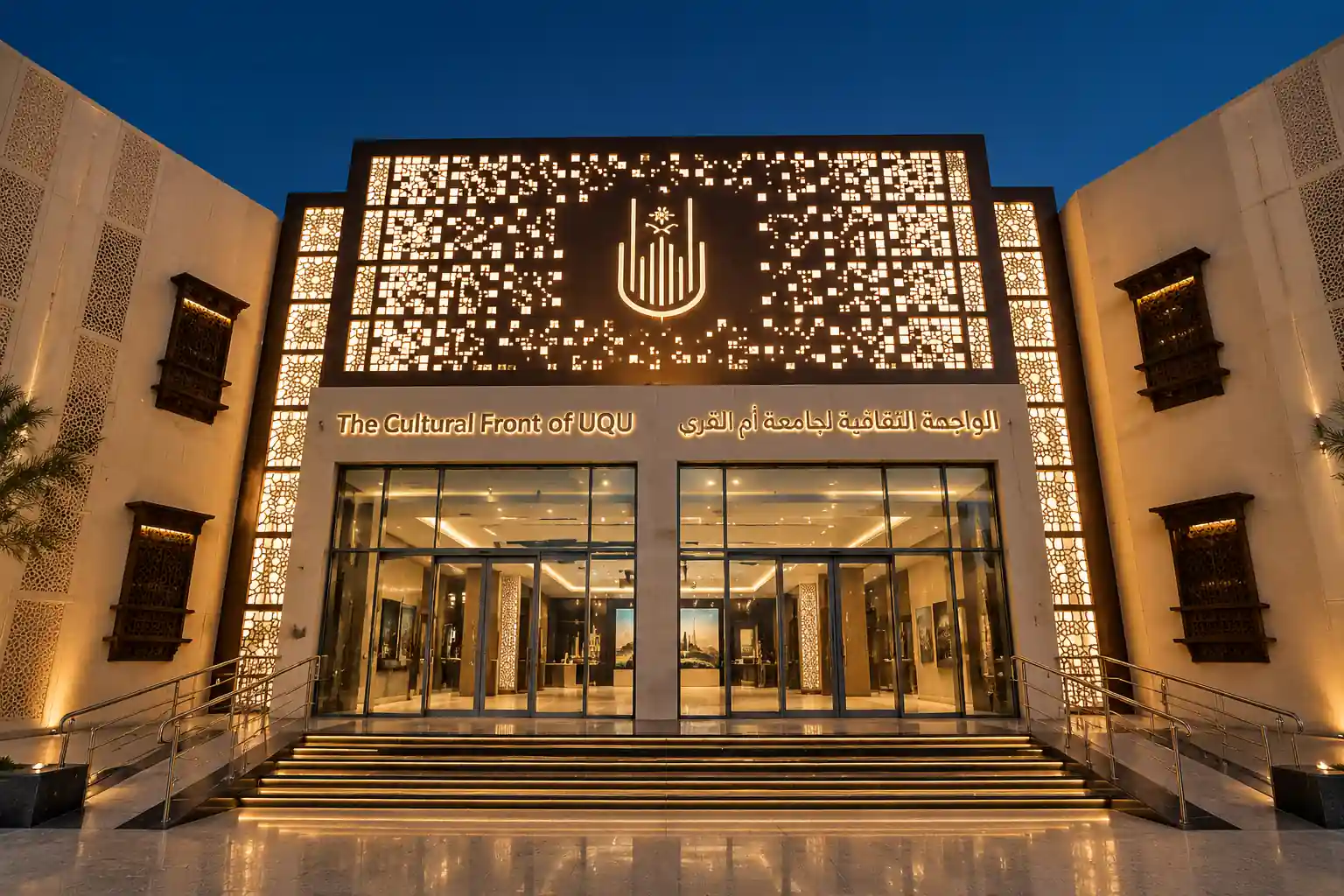
The Culture Front of Umm Al-Qura University
This is located on the main university campus, 12-14 km southeast of Masjid al-Haram. The Culture Front opened in December 2025 with 10 exhibitions. It holds more than 5,600 artifacts and over 21,000 manuscripts, and it is one of the newest tourist attractions in Mecca.
Modern Attractions, Parks and Shopping
After the holy sites, there are modern Makkah attractions for rest, family time, and shopping. Many of these attractions in Makkah are close to the Haram.
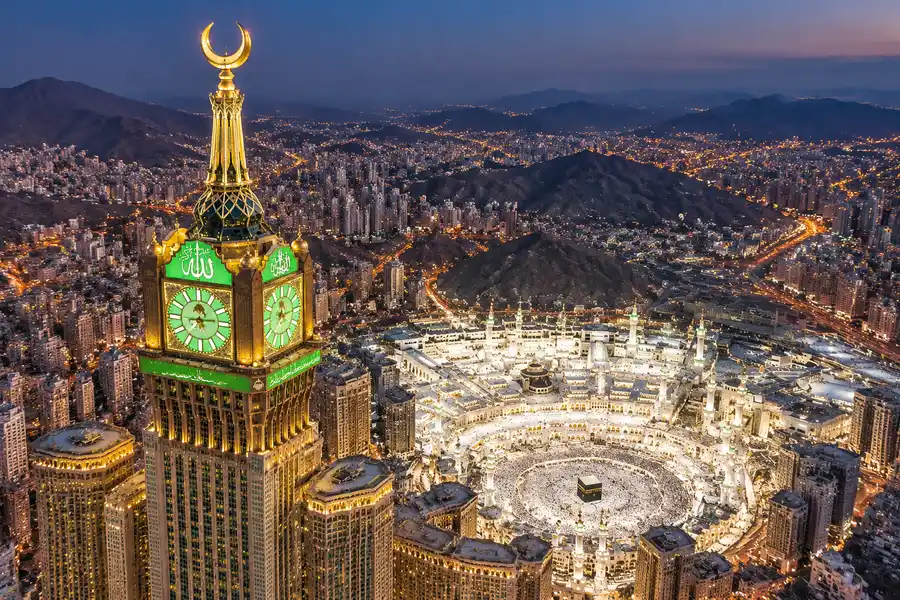
Abraj Al-Bait (Makkah Clock Towers)
Abraj Al-Bait is the tower complex beside Masjid al-Haram. The central tower, known as the Royal Clock Tower, is the 4th tallest building worldwide (601 metres, or 1972 feet in height) and features 120 floors. It also holds the record of the world's largest clock in the world, measuring 43*43 metres, visible from 25km. Its hotels and shops sit steps from the Haram. It is one of the most recognisable Makkah landmarks.
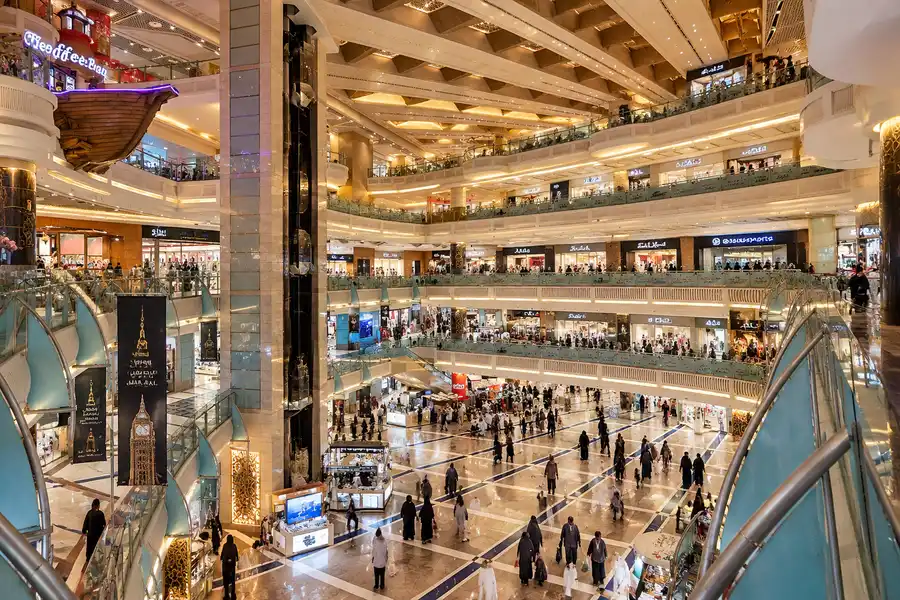
Abraj Al Bait Mall
Abraj Al Bait Mall sits at the base of the towers, next to Masjid al-Haram; it’s a five-story commercial complex with around 4k shops in it. Pilgrims go there for shops and food. It is one of the most convenient places in Makkah for a quick break.
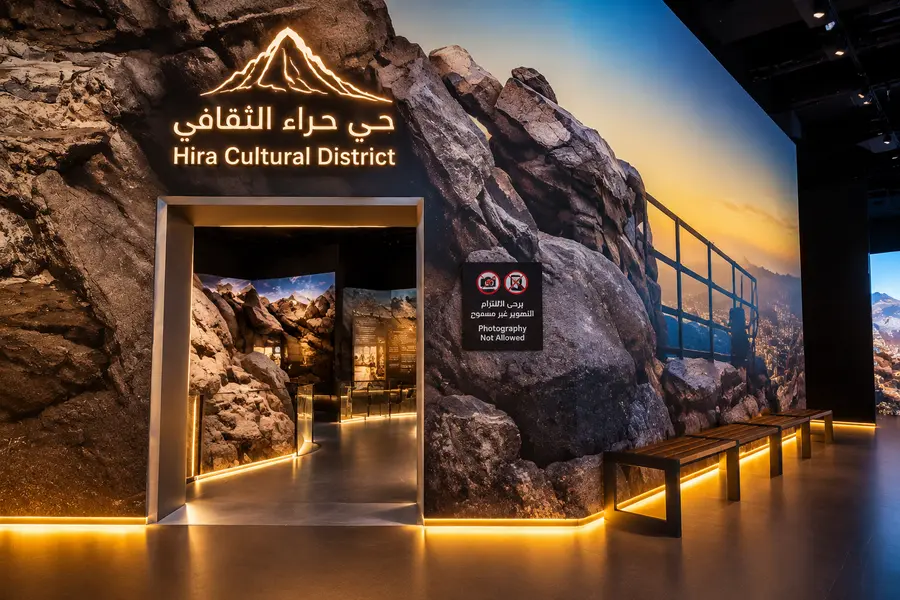
Hira Cultural District
Hira Cultural District lies at the foot of Jabal al-Nour, and it’s a mega-complex that spreads across 67,000 square metres. It groups the Holy Quran Museum and Al-Haramain Architecture Exhibition. Add it to your Makkah ziyarats near the mountain.
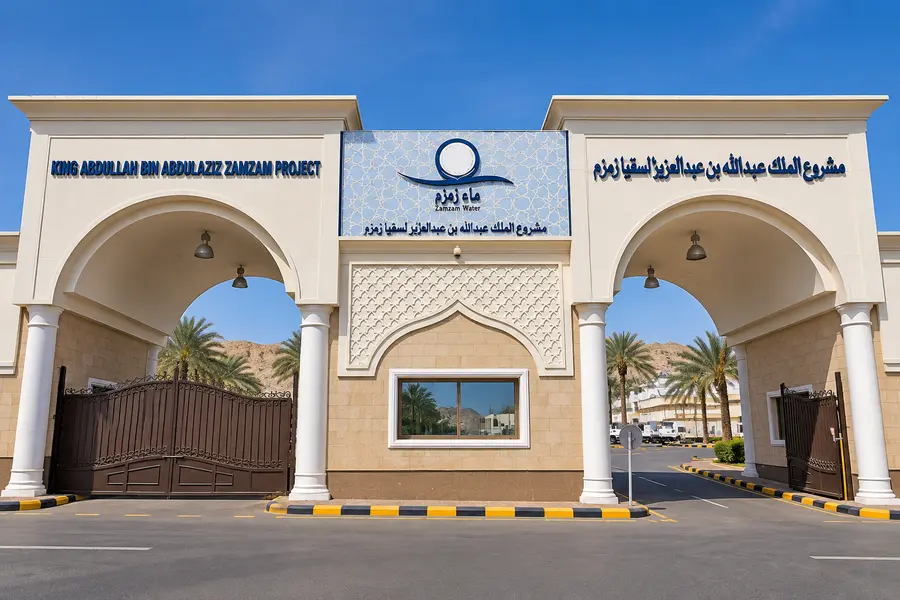
King Abdullah Zamzam Water Project
This project in the Kudai area cares for and distributes Zamzam water, around 4 to 5 km south of Masjid al-Haram. The maximum production capacity of this project is filling 200,000 bottles of 5 litres each in a day. It is one of the Kingdom's most important modern projects for pilgrims. It's also among the top Makkah attractions.
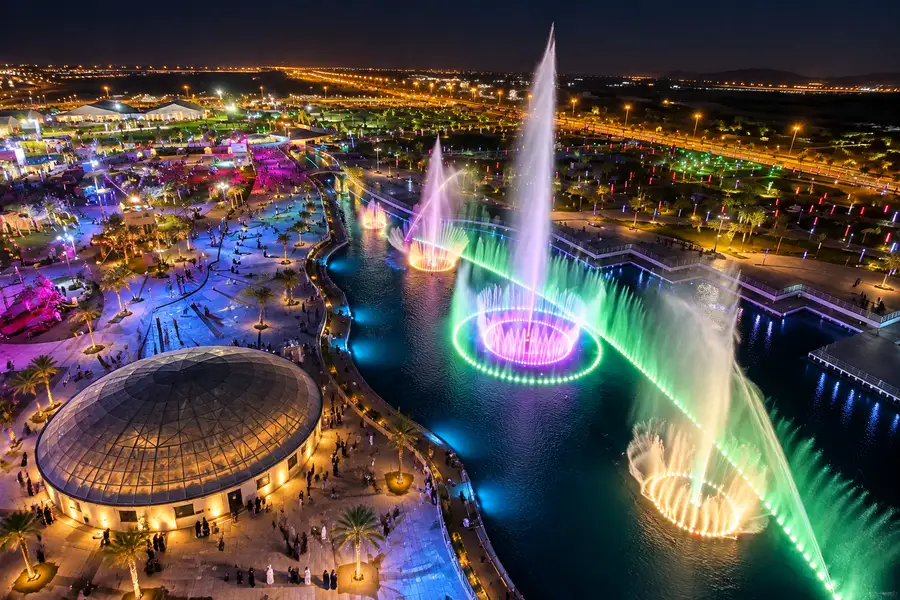
King Abdullah Park
King Abdullah Park is one of the largest public parks in Makkah, spread across 1.7 million square metres, in the Al-Mashair district, around 11 to 13 km east of Masjid al-Haram. It has open lawns, walking and jogging tracks, and play areas for children. It is one of the calmer places to see in Makkah when you need a break.
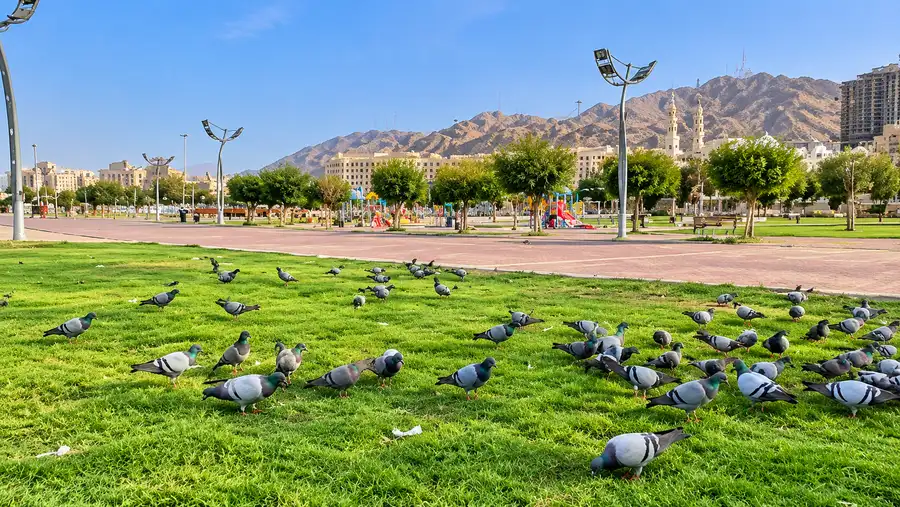
Al-Arak Park
Al-Arak Park is a green space near Aisha Al-Rajhi Mosque, located in the Al-Naseem district, around 4 km southeast of Masjid al-Haram. Its wide grounds and modern facilities make it a good place to relax between rituals. It is one of the greener places in Makkah.
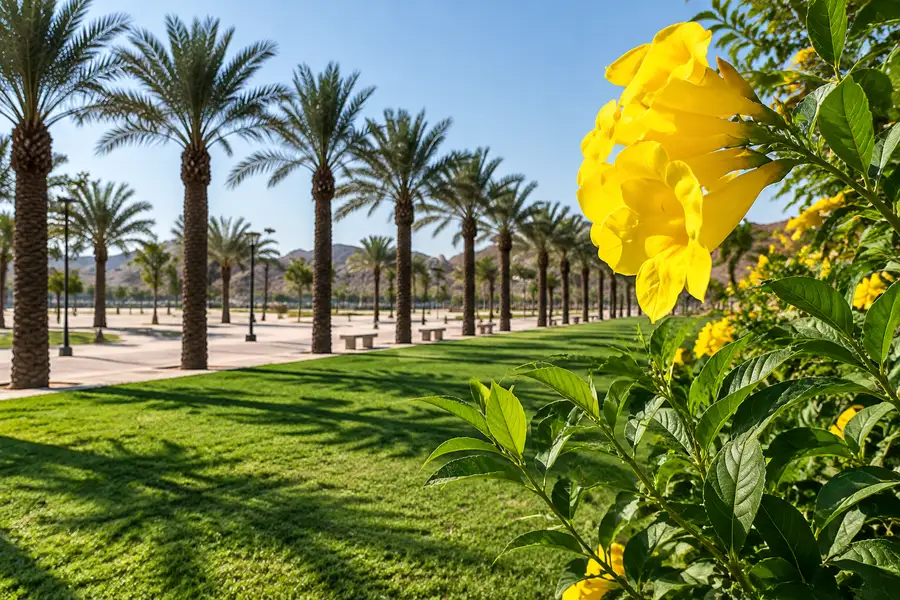
Al-Jaranah Park
Al-Jaranah Park covers about 850,000 square meters, situated in the historic Al-Ji'ranah district; there’s a 2.5 km walking track, more than 1,000 palm trees, and night lighting. It is open 24 hours and sits about 30 km from the Haram. It is one of the biggest Mecca attractions for outdoor time.
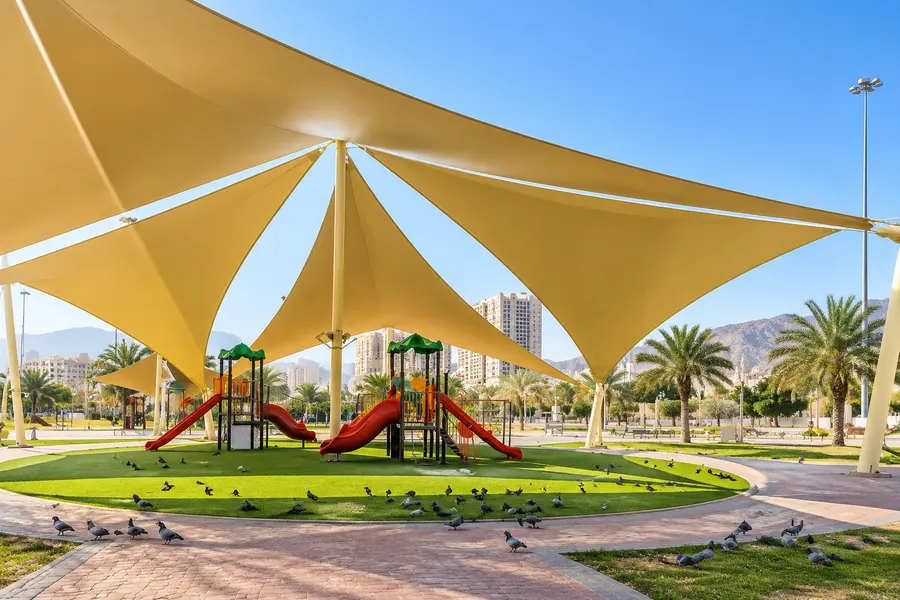
Umm Al-Mu'minin Zainab Al-Hilaliyah Park
Around 8-9 km from Masjid al-Haram. This family park, located in the Al-Shoqiyah district, has a walking path, playgrounds, shaded seating, and family lounges. It is one of the friendliest tourist attractions in Mecca for children.
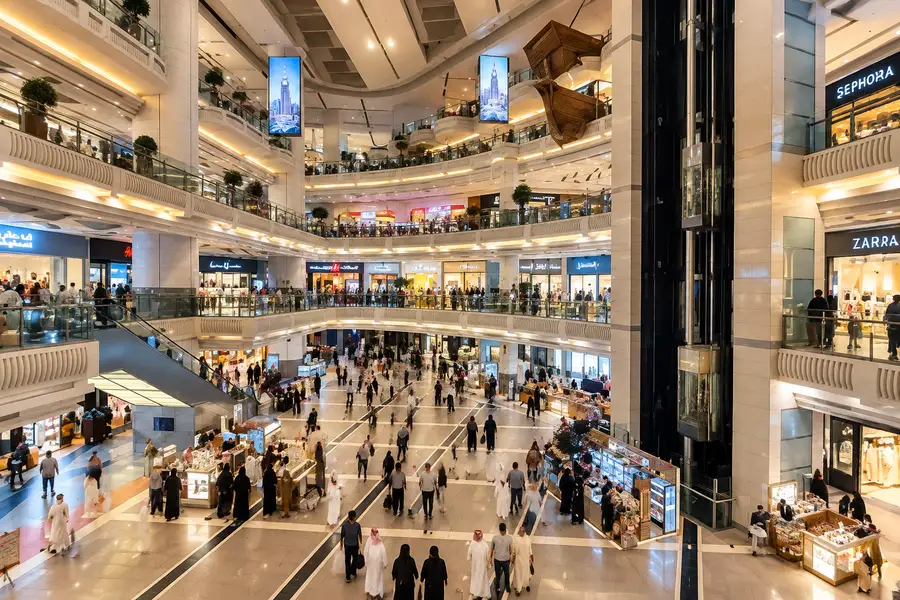
Makkah Mall
Makkah Mall is a two-story retail complex to shop and play, 8 to 10km southeast of Masjid al-Haram. Families use it for modern shopping and entertainment. It is one of the easiest Mecca attractions for a family shopping trip.
Are you Ready to visit Makkah?
All of it can be done once your flights, hotel, and transfers are booked; you can focus on worship and ziyarat in Makkah.
Explore our Umrah packages and start planning your visit to the best places to visit in Makkah today.
Frequently Asked Questions
What are the best places to visit in Makkah?
The best places to visit in Makkah are Masjid al-Haram, Jabal al-Nour, Jabal al-Thawr, Mina, Arafat, and Muzdalifah. Add Bi'r Tuwa, Al-Hudaybiyah, and the Clock Tower Museum, etc.
What is ziyarat in Makkah?
Ziyarat in Makkah means visiting the sacred and historic sites linked to the Prophet ﷺ and early Islam. There are some common stops that include Jabal al-Nour, Jabal al-Thawr, and Al-Hudaybiyah.
How long does a Makkah ziyarat tour take?
A guided Makkah ziyarat tour of the main sites takes about 3 to 5 hours.
When is the best time to visit Makkah?
The best time is between November and February, when temperatures range from about 18 to 30°C. That is when the places to visit in Makkah feel most comfortable.
