

Hajj Guide
Plan Your Tour
How To Prepare For Hajj
Hajj is an obligatory pilgrimage and a journey of a lifetime. It is among the highest acts of worship and a deeply spiritual and profound obligation in Islam. Hajj is not only a journey of a distance, but a journey of patience, discipline, devotion and surrender.
Proper Preparation for Hajj allows pilgrims to fully focus on ibadah and rituals rather than worrying about the logistics. Preparing for Hajj involves three key dimensions: spiritual, physical, and practical.
1. Spiritual Preparation for Hajj
Spiritual readiness is the foundation of a meaningful Hajj experience. A pilgrim must be spiritually prepared for the journey; without it, the rituals risk becoming physical movements without inner presence.
- Make a sincere intention to perform Hajj solely for the sake of Allah
- Avoid expectations of recognition, storytelling, or worldly gain
- Remind yourself that Hajj is a response to Allah’s invitation
- Sincerely repent from past sins
- Seek forgiveness from Allah for known and unknown mistakes
- Ask forgiveness from family, friends, and anyone you may have wronged
Gaining Knowledge Before Hajj
One of the key elements of Hajj preparation is gaining knowledge of the rituals and the journey. Knowledge transforms confusion into confidence. A pilgrim should learn about the types of Hajj, its rules, obligations, and related rulings before embarking on the journey.
- Understand the types of Hajj (Tamattu‘, Qiran, Ifrad)
- Learn the pillars, obligations, and Sunnah acts
- Know what invalidates or requires compensation
Learning beforehand prevents mistakes that cannot be corrected later.
Understand Ihram Rules and Prohibitions
- Know what is allowed and prohibited in Ihram
- Understand penalties in case of mistakes
Many pilgrim errors occur due to a lack of knowledge, not intention.
2. Physical Preparation for Hajj
Hajj is a spiritually profound journey, and at the same time, it is physically demanding. It requires patience, stamina, resilience and other physical capabilities. A pilgrim should physically prepare for Hajj and strive to build physical endurance.
- Begin regular walking weeks before departure
- Practice standing for long periods
- Strengthen legs and feet to handle distances and crowds
- Get medical check-ups if needed
- Carry necessary prescriptions
- Ensure required vaccinations are completed
- Pack basic first-aid essentials
Good health allows consistent worship without unnecessary hardship.
3. Mental And Emotional Readiness For Hajj
The journey of Hajj is challenging, and it tests patience more than strength. While preparing for Hajj, a pilgrim must develop patience and tolerance.
- Expect crowds, delays, and discomfort
- Prepare yourself to remain calm in tense situations
- Learn to let go of minor inconveniences
- Reduce dependence on distractions
- Prepare to disconnect from excessive phone usage
- Train your heart to stay mindful during worship
Hajj is a rare opportunity to live fully in the moment. The reward of the obligatory pilgrimage is tied closely to how one behaves under pressure.
4. Practical and Travel Preparation for Hajj
Practical planning allows pilgrims to fully focus on ibadah and the rituals of Hajj. You should pack with purpose for the Hajj journey.
- Ensure passport and visa are valid
- Carry copies of important documents
- Keep emergency contacts accessible
- Pack light and wisely
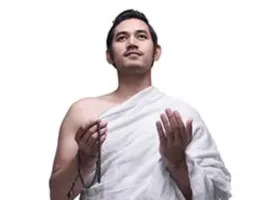
- Include Ihram garments, comfortable footwear, and prayer essentials
- Avoid unnecessary items that add burden
Minimalism enhances mobility and peace of mind during Hajj.
5. Financial Preparation
Hajj must be performed with halal earnings.
- Ensure funds are lawful and ethically earned
- Budget for food, transport, and emergencies
- Avoid extravagance and unnecessary spending
Purity of wealth plays a role in acceptance.
Preparing for Hajj is itself an act of Ibadah. The more thoughtfully a pilgrim prepares, the more focused and meaningful their Hajj becomes.
Note: It is recommended to consult and seek an opinion from scholars on doubtful Islamic matters.