

Hajj Guide
Plan Your Tour
Hajj is an obligatory pilgrimage, a spiritually profound opportunity and a sacred journey of a lifetime. Hajj does not end with the final Tawaf or when the pilgrim returns home. In reality, Hajj begins after the Hajj journey is complete. The true test of an accepted Hajj pilgrimage is how a pilgrim’s life, character and habits change once they return.
Hajj offers profound opportunities to wipe away your sins, purify your soul and heart, and establish a stronger connection with Allah (SWT). A pilgrim returns from Hajj purified, forgiven and spiritually uplifted, but preserving that state is a lifelong responsibility.
Signs of an Accepted Hajj
Only Allah (SWT) knows whose Hajj is accepted or not, but there are certain signs for a meaningful and rewarding Hajj:
- Increased humility and gratitude
- Greater consciousness of Allah (taqwa)
- Stronger commitment to Salah
- Detachment from sins and harmful habits
- Improved character with family and society
A pilgrim returns changed from within, not merely with memories or photographs.
Maintaining Spiritual Discipline After Hajj
Consistency in Ibadah
While performing Hajj, pilgrims pray regularly, make abundant duas, dhikr and avoid all the distractions. After returning from Hajj, pilgrims should:
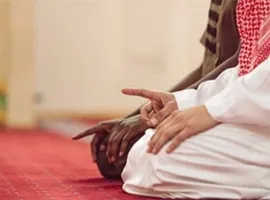
- Guard the five daily prayers
- Maintain Tahajjud or voluntary prayers
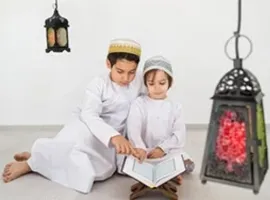
- Continue daily Qur’an recitation
- Keep the tongue engaged in dhikr and du‘a
Consistency, even in small acts, is beloved to Allah (SWT).
Protecting the Heart from Old Habits
One of the greatest challenges pilgrims face after returning home from Hajj is slipping back into old routines. Pilgrims should be mindful of:
- Returning to sinful environments
- Ignoring Salah due to busyness
- Replacing remembrance of Allah with distractions
The Prophet Muhammad (PBUH) said:
“The most beloved deeds to Allah are those done regularly, even if they are small.”
(Bukhari & Muslim)
Strengthening Moral Character
The sacred Hajj journey teaches forgiveness, empathy and patience. Life of a pilgrim after Hajj should reflect:
- Greater patience during hardship
- Forgiveness toward others
- Kindness to neighbours and relatives
- Honesty in business and dealings
A Haji is expected to live Islam, not just practice rituals.
Fulfilling Social Responsibilities
After performing Hajj, pilgrims should become sources of goodness and set a good example in society:
- Support the poor and needy
- Uphold justice and fairness
- Advise others with wisdom
- Be a role model for Islamic conduct
Hajj reshapes not only personal worship but also social responsibility.
Remaining Humble After Hajj
Hajj is not a badge of superiority. True pilgrims:
- Avoid pride or self-righteousness
- Do not judge others
- Attribute all goodness to Allah
Humility is one of the strongest indicators of spiritual growth.
Continuing the Journey of Repentance
Hajj wipes away past sins, but repentance remains a lifelong process. Pilgrims should:
- Seek forgiveness daily
- Avoid arrogance over past worship
- Renew intentions regularly
The heart needs constant purification.
Life after Hajj is a continuation of the pilgrimage. The Ka‘bah may be left behind physically, but it should remain anchored in the heart.
A successful Hajj is not measured by how one performs the rituals, but by how one lives afterwards.