

Hajj Guide
Plan Your Tour
Rules For Muslims Who Are Unable To Complete Hajj
Hajj is one of the five pillars of Islam and a sacred obligation upon every Muslim who meets its certain conditions. It is a journey of a lifetime, and every Muslim dreams of undertaking this spiritually profound journey. However, life circumstances sometimes prevent a person from completing or even beginning this obligatory pilgrimage.
Islamic law addresses various situations from temporary illness to permanent inability and provides clear rulings for each.
Hajj Is Obligatory Only If Able
A fundamental Islamic ruling on Hajj is that the pilgrimage becomes obligatory only when a person is capable of it; physically, financially and in terms of safety and lawful access. The conditions that make a muslim able for Hajj include:
- Physical strength to perform the rites
- Financial means after essential needs are met
- Safe travel and return without undue hardship
If any of these conditions are not met, Hajj is not obligatory until the obstacle is removed.
Temporarily Unable to Perform Hajj
According to the majority of scholars, if a person is temporarily unable to perform Hajj due to a curable illness, temporary disability or travel restrictions, they are not held sinful for postponing Hajj until they are able.
In such cases:
- They should repent sincerely for any unjustified delay
- They should be determined to perform Hajj once able
- They do not appoint a proxy until they themselves are permanently unable or pass away
Scholars explain that delaying obligatory Hajj without excuse is blameworthy, but if one becomes unable after intending it, sincere repentance and readiness to perform it later suffice.
Rules For Muslim Unable to Complete Hajj Once Started
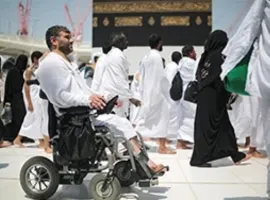
There comes a time when a pilgrim begins Hajj but is prevented from completing it due to severe weakness, sudden illness or life-threatening circumstances. In such situations, pilgrims should make sincere repentance for not completing the rituals themselves. If the inability of pilgrims occurs due to valid impediments beyond their control, it may be considered an excused inability.
According to some scholars, if they are unable to complete essential rituals like Tawaf or Sa’i and their time has also passed, a sacrificial compensation (Fidyah) may be required to replace the missed parts.
However, this ruling can vary based on the specific missed obligation and time remaining, so it is best to seek qualified scholarly guidance in such cases.
Repentance and Intention Remain Important
Regardless of physical or financial ability, every muslim should repent sincerely for any undue delay in performing Hajj. They should make an intention to perform Hajj once able, while not stressing much because Allah (SWT) knows one’s capability and sincerity.
Delaying Hajj without a valid excuse is discouraged and considered blameworthy, but if true inability exists, Allah’s mercy encompasses His servants.