


Hajj Guide
Plan Your Tour
History Behind Stoning In Mina
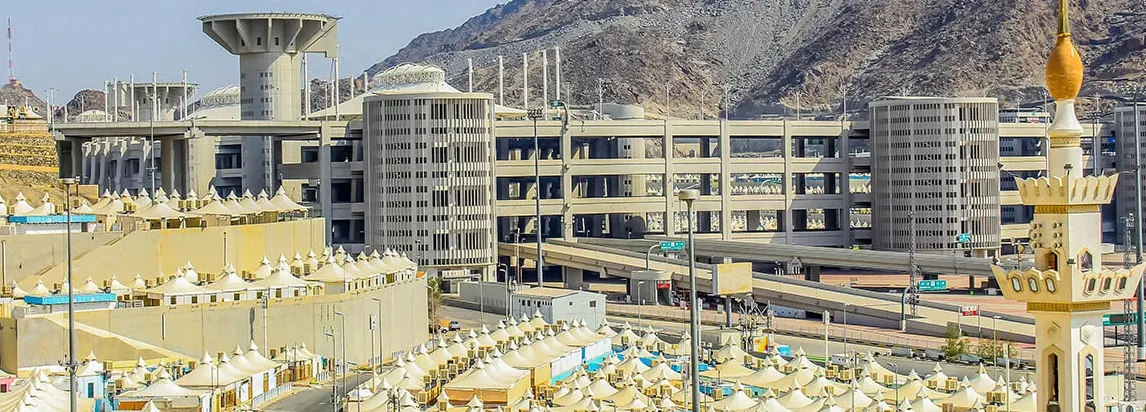
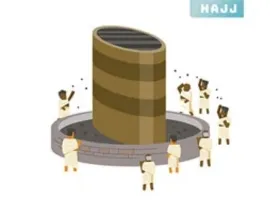
Stoning the Jamarat in Mina is one of the most symbolic rituals of Hajj. While the act may appear simple, its roots trace back to a profound moment of obedience and resistance against evil, originating from the legacy of Prophet Ibrahim (AS) and his family.
Origin Of The Stoning Ritual
The ritual of stoning in Mina recalls the trials faced by Prophet Ibrahim (AS) when he was commanded by Allah (SWT) to sacrifice his beloved son, Ismail (AS). When Prophet Ibrahim (AS) proceeded to carry out Allah’s command, Shaytan appeared to him and attempted to divert him. It was reported that Shaytan appeared at three different locations in Mina, trying to:
- Create doubt in his heart
- Distract him from obeying Allah
- Discourage him from fulfilling the divine command
At each of these locations, Prophet Ibrahim (AS) threw stones at Shaytan, driving him away and reaffirming his complete submission to Allah (SWT).
These three locations later became known as:
- Jamrat al-Ula (the small pillar)
- Jamrat al-Wusta (the middle pillar)
- Jamrat al-Aqabah (the large pillar)
Why Pilgrims Stone The Jamarat
Stoning the Jamarat is not only about following the footsteps of Prophet Ibrahim (AS) and his family; it is a living act of worship with deep spiritual meaning. Through the Ramy al-Jamarat ritual, pilgrims symbolically:
- Reject Shaytan and his whispers
- Display resistance against temptation and evil
- Renew their commitment to obey Allah (SWT)
- Demonstrate discipline, humility, and submission
It is a reminder that the struggle against Shaytan is continuous, not limited to Hajj alone.
Timing and Practice of Stoning
-
10th Dhul Hijjah:
→ Stoning Jamrat al-Aqabah only -
11th & 12th Dhul Hijjah (and 13th for those who stay):
→ Stoning all three Jamarat in sequence
Each Jamrah is stoned with seven small pebbles, one at a time, accompanied by Takbir.
Misconceptions about Ramy al-Jamarat
- Pilgrims do not stone the Shaytan physically
- The Jamarat (pillars) are symbolic markers, not representations of Shaytan himself
- This ritual of Hajj is an act of obedience, not anger or aggression
Understanding this prevents superstition and reinforces correct belief.
The stoning in Mina is a powerful reminder of the eternal struggle between faith and temptation. By performing Ramy al-Jamarat, pilgrims relive the unwavering obedience of Prophet Ibrahim (AS) and declare their own rejection of Shaytan, renewing a covenant of submission to Allah (SWT).





Recommended Hajj Tour
 7 Nights
(4 Nights)

(3 Nights)
 Flights
 Transfer
 Visa
Visa
 Breakfast
7 Nights
Breakfast
7 Nights 7 Nights
(4 Nights)
(3 Nights)
Flights
Transfer
Visa
Breakfast
7 Nights 7 Nights
(4 Nights)
(3 Nights)
Flights
Transfer
Visa
Breakfast
7 Nights
7 Nights(4 Nights)
(3 Nights)
Flights
Transfer
Visa
Breakfast
7 Nights